
World News
Interview with Rafael Anton Irisarri
Interview with Rafael Anton Irisarri
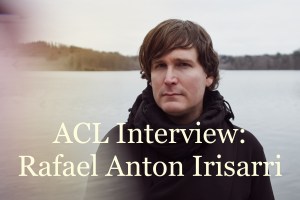 Per week previous to headlining the Ametric Festival in Crete (September 12-14), and solely days after the announcement of his upcoming November album FAÇADISMS, Rafael Anton Irisarri spent a while conversing with our personal Greek correspondent Maria Papadomanolaki. In this interview, the artist appears to be like again over his profession, discusses the method of constructing music, highlights the advantages of collaboration, and discusses the challenges of immediately’s music trade. After studying, make sure you pre-order the brand new album, upcoming on Irisarri’s personal Black Knoll!
What was the place to begin for you on this profession of a few years? What began all of it?
I’m a self-taught musician who grew up within the 80s and 90s, studying guitar and bass by taking part in alongside to records. Coming from a working-class household, most of my music got here from hand-me-downs, beginning with heavy steel cassettes in my early years. My musical horizons expanded when my uncle launched me to Reggae and Dub music, and at fifteen, a good friend from the economic scene launched me to ambient digital music through The Orb. Afterward, I explored all the pieces from The Cure, Joy Division, and Kraftwerk to My Bloody Valentine, Cocteau Twins, Harold Budd, Talk Talk, and Slowdive. After transferring to Seattle within the 2000s, I turned concerned within the thriving digital music neighborhood there, organizing and sometimes operating sound for reveals, which sparked my curiosity in audio engineering. Working behind the FOH console led me to the studio, the place I acquired my begin sprucing dwelling recordings by artist pals. I spent numerous hours finding out and coaching in studios, and shortly, extra artists (and labels) sought my engineering expertise. This finally led me to arrange knowledgeable mastering studio at my dwelling in Seattle. It was a darkish, hillside room with little daylight, so we named it Black Knoll. In 2008, I acquired signed to Ghostly International, releasing my debut album as The Sight Below. Since then, I’ve lent a hand to numerous Ghostly releases: Julie Byrne, Hana Vu, Helios, Telefon Tel Aviv, Galcher Lustwerk, Steve Hauschildt, Lusine, and so many extra.
In what methods has the transfer from Seattle to Upstate NY influenced the best way you hear, assume, and make music?
I moved to New York over a decade in the past. During that transfer, all the pieces in my studio, and all my possessions had been stolen. It was a devastating and extremely annoying time, to say the least. Thanks to the kindness of strangers, pals, listeners, and the unbelievable assist of the Ghostly International household, I used to be capable of rebuild the studio in 2015. I’m so extremely grateful to them, they’re really great individuals. After the rebuild, the studio shopper base grew considerably, and I used to be working with so many nice labels like Temporary Residence, Dead Oceans, Felte, Umor Rex, A Strangely Isolated Place, and naturally Ghostly, to call just a few. In latest years, I’ve been working with extra genre-spanning impartial artists (notably on this post-streaming music panorama), podcasts, and artwork home movie initiatives from all around the world. This in flip has maybe broadened my manner of listening, considering, and making music. I’ve gotten to work with a few of my musical heroes, and performed many unbelievable collaborations on account of my relocation and it being extra central. I can drive into the town, or out to the airport and meet visiting musicians. I’ve additionally discovered new methods of making, as being a bit remoted residing within the woods has centered quite a bit on my artistic course of. Fewer distractions is a optimistic factor.
How necessary is improvising in the best way that you simply work?
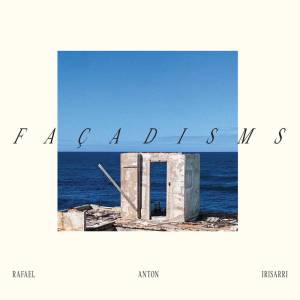
Improvisation is an important a part of how I make music. My new album, FAÇADISMS, is influenced by my curiosity in brutalist structure. Reading about brutalism’s emphasis on uncooked, unrefined aesthetics and its modern use of supplies offered me with new views on construction and kind for my compositions. This inspiration led me to strategy the album with a concentrate on making a rawness that mirrored the brutalist ethos—the place imperfections and daring, structural components contribute to the general creative assertion. I devoted numerous hours to improvisation. I report all the pieces in actual time. This course of allowed me to seize many spontaneous concepts and sudden moments that always yielded compelling motifs that may turn out to be integral to the album. Once the improvisations had been recorded, I shifted to modifying them. I reviewed hours of these improvised recordings to seek out melodic motifs and sections that stood out. These would go on to turn out to be the constructing blocks for the compositions. I expanded on these motifs by including layers of instrumentation and meticulously mapped MIDI to combine numerous elements into the music. For this album, I forwent utilizing a click on observe and as an alternative selected to rely on my inside sense of tempo to attain a extra fluid sense of time (in distinction to the overly quantized,gridded strategy of recent music manufacturing). This methodology produced a sonic palette that feels natural and harks again to the unrefined aesthetic of brutalist structure. Of course, this may be very impractical if you end up additionally working with sequencers as a result of I spent many hours mapping MIDI notes and tempos on tracks so I might sync synthesizers to my guitar taking part in, and vice versa.
Does your work as a mastering engineer differ out of your work as a musician?
Yes, I’d say so. I view mastering as a system of checks and balances. My purpose as a mastering engineer is to hear and align myself with the essence of the music, preserving that whereas enhancing and enriching the sound to create the perfect model of the artist’s imaginative and prescient. My strategy is rooted in the respect that I’ve for the artists, the aesthetics I consider in, and the craft itself. It’s essential for me to attach with the music I’m engaged on. I’m extremely selective in regards to the initiatives I tackle. I solely work on music that I genuinely take pleasure in. It’s not possible to do a fantastic job for those who don’t really join with what you’re listening to. Resonating with the artist’s imaginative and prescient and aesthetics is important. Something magical happens when our artistic values align. Although mastering is primarily a technical commerce, there have been many occasions when my manufacturing sensibilities have contributed to enhancing a recording. Mastering audio is like flying an airplane—expertise and information are key. While good analog gear helps, it’s nugatory until you place within the hours wanted to make use of it successfully. In distinction, my work as an artist is solely artistic. I get to create and play with the completely happy accidents that happen throughout improvisation within the studio and form these stunning moments into compositions.
Are these two points of your follow separate or impartial?
I strive as a lot as potential to compartmentalize my artistic course of to take care of focus and readability. Often, after I’m writing, I intentionally put aside technical issues to focus on the aesthetics, temper, or emotional affect of a bit of music. This strategy requires a sure degree of self-discipline, because it entails resisting the urge to get slowed down in technical particulars—comparable to obsessively tweaking EQ settings—when the precedence must be on shaping the association and general vibe. Ensuring that the technical points don’t overshadow the artistic permits the undertaking to bloom.
You have not too long ago launched an exquisite collaborative album with Abul Mogard and a brand new Orcas album together with your longtime collaborator Benoît Pioulard. What is essentially the most inspiring facet of collaborating with one other artist?
 Collaborating is so inspiring and necessary to me. I genuinely cherish and recognize working with different artists. It is so refreshing when our values and aesthetics align. Beautiful friendships have fashioned on account of these moments of collaboration. For instance, my work with Benoît Pioulard has been enriched by years of friendship and shared experiences, as a result of it provides so many layers of which means to what we create collectively. With Abul Mogard, our collaboration got here from a mutual respect and admiration that we had for one another. Last yr, when an unique dedication with one other artist fell by way of, having Abul step in for a stay present in Madrid was a blessing. Not solely did it save the day, however I additionally found how naturally we join musically. I recognize him very a lot and actually take pleasure in the seamless movement of our performances collectively. We have extremely related methods of working within the studio too. It is uncommon to discover a kindred spirit later in life, and so I worth it enormously. My good friend James Brown is a UK producer who labored on the most recent Orcas album. He has been a major mentor to me. James embodies the spirit of the basic period of music manufacturing the place a whole group collaborated on an album from producers, and recording engineers, to mixing engineers, and extra. This sense of collective effort has considerably light within the twenty first century, notably in digital music, the place the producer typically assumes a number of roles: composer, engineer, and arranger. While this strategy will be efficient, it will possibly additionally result in a lack of the wealthy, multi-faceted enter that teamwork offers.‘FAÇADISMS’ is a testomony to the worth of collaboration. I crafted the album with a selected imaginative and prescient, earlier than sharing it with James. His suggestions was extremely insightful, and he supplied contemporary views and helpful ideas that I used to be eager to discover. I discuss with this strategy as ‘Strategies (in opposition to conformity),’ which is how I credited James on my newest album. His contributions exemplify the artistic magic discovered when combining totally different viewpoints and experience, particularly from somebody whom you enormously respect and admire.
As an artist, curator and mastering engineer, how do you navigate the challenges and the pointless noise and muddle of immediately’s music trade?
It is definitely polluted, innit? Today’s digital panorama is more and more polluted, and discovering good high quality new music typically feels akin to being a prospector sifting by way of a riverbed for gold. Each new gem you uncover—whether or not by way of algorithms or private exploration—appears hard-won after enduring a pile of shit. Social media, specifically, can really feel like a cesspool of concepts that’s overflowing with a mixture of the insightful and the superficial. Social media makes the seek for real, resonant artistry all of the more difficult. Searching requires persistence and discernment, as you navigate by way of an amazing sea of noise to seek out these uncommon moments of brilliance that really stand out. I consciously determined some time in the past to not contribute to this downside.
Releasing on vinyl has at all times appeared like a giant (moral) enterprise to me. What does releasing on vinyl imply to you?
Releasing music on vinyl is about making a bodily memento and a sort of doc. Tangible and tactile. It’s one thing you’ll be able to maintain in your fingers. The ritual of taking part in a vinyl report brings a novel heat to the music and provides a nostalgic and bodily satisfaction that digital codecs can’t emulate. It’s a option to honor the music as an artwork kind, giving it an enduring, tactile presence that enriches the listener’s expertise. When listening to a vinyl report, you might be centered on the expertise – in contrast to listening to music in your telephone, for instance. Regarding the ethics of releasing on vinyl: many research recommend that the environmental affect of streaming music can surpass the plastic waste generated by CDs and vinyl records, notably when the vitality utilized in streaming is non-renewable. Streaming music entails substantial vitality consumption—from knowledge facilities to our private units—which contributes considerably to carbon emissions. This environmental value starkly contrasts with the minuscule fractions of a cent that streaming providers pay artists. The large quantity of information transmitted and processed for streaming, coupled with the minimal income artists obtain, underscores a troubling imbalance. It’s alarming that the vitality required for streaming typically interprets into negligible earnings for many musicians. Despite rising consciousness, this stays a prevalent concern within the music trade that we have now largely allowed to persist. The problem now’s to seek out sustainable alternate options and advocate for systemic adjustments that handle each environmental accountability and truthful artist compensation. Recognizing the environmental affect of manufacturing vinyl records, I’m dedicated to releasing all my music on BioVinyl by way of my label. This modern know-how replaces petroleum-based PVC with recycled biomaterials, comparable to used cooking oil, leading to an LP that’s 100% recyclable and reusable within the round financial system. While this step is small within the context of the broader effort towards environmental sustainability within the music trade, it marks a major transfer in the best route. Although the know-how continues to be rising, I’m hopeful that it’ll turn out to be the usual as extra labels and artists hunt down these eco-friendly practices.
What can we count on within the close to future out of your not too long ago launched Black Knoll Editions label?
Earlier this yr, I made a major shift in my musical profession by launching Black Knoll Editions. This transfer was pushed by a need to take larger management over my artistic and operational processes. After years of getting my music scattered amongst, and sometimes exploited by, numerous labels, I spotted the necessity for a central hub the place my whole physique of labor could possibly be curated and developed in a manner that really displays my creative imaginative and prescient. To be candid with you Maria, I turned disillusioned with the problematic practices of many labels I had labored with up to now, together with some individuals I thought of shut pals and mentors I held in excessive regard. I started to query why a few of these labels nonetheless take as much as 50% of an artist’s earnings lengthy after a launch had recouped – mainly, half your earnings in perpetuity. What worth are they offering to justify such a major lower? Additionally, I’ve launched my music on labels that weren’t solely inefficient or incompetent with accounting and advertising and marketing, but in addition outright grasping. Some labels prioritize their earnings over the welfare of their artists. For occasion, some labels gained’t even promote their very own artists’ records again to them in order that the artists can promote them to their followers on their Bandcamp pages (which is analogous to promoting records on tour). Some labels will humiliate the artists after they rightfully request their masters again. These unethical practices, together with the quickness with which some labels drop artists on the first signal of decreased returns, exhibit an absence of respect for long-term relationships, creative contributions, and general human decency. Such attitudes had been extremely disheartening and made me query whether or not I needed to proceed releasing music in any respect or if it was time to stop and pursue one thing else totally. After loads of heartbreak and far reflection, it motivated me to take management and construct my very own factor. I’d prefer to handle not solely my music however finally the music of different artists, pretty and ethically. This new route seems like a pure evolution in my creative journey that enables me to form the way forward for what I do extra intentionally. My present focus with Black Knoll Editions is to each launch new initiatives and reissue my lengthy out-of-print albums on BioVinyl. I need to supply a contemporary perspective on previous works whereas pushing ahead creatively. I’m extremely grateful to be working with a unbelievable group of individuals, together with my distributor Morr Music, the proficient Daniel Castrejón (of Umor Rex label) who handles all the attractive design work, and Karen Vogt, who manages press relations.
Should we count on a comeback from The Sight Below?
 I’ve been desirous to create new materials as The Sight Below, however I’ve been holding again and ready for the best emotional house. More importantly, I’ve been ready for a sound that really captures the essence of this period. It feels extra necessary to do that, particularly in gentle of the extremely proficient, and youthful artists round who’ve been impressed by my earlier works and are already making distinctive music (Rachika Nayar, Geotic, and many others). I need to put ahead a sound that resonates in immediately’s shifting musical panorama. Maybe it’s a sort of author’s block, however to me, it’s about avoiding the straightforward route and resisting the urge to revisit what I’ve already performed. I’m not curious about rehashing outdated concepts or sounds that labored up to now. The actual problem is to evolve, to discover a contemporary route that pushes boundaries, and to convey one thing sudden and significant to the desk. I’ve spent numerous hours in my studio recording sketches and concepts—there’s simply sufficient materials for a double LP. I can really feel myself holding out for that second of readability. I think about a breakthrough the place all the pieces falls into place and a cohesive sound emerges that distills the essence of The Sight Below in a brand new manner. For me, creating music underneath this moniker has at all times mirrored the place I’m at a selected second in time. Right now, meaning trying to find the spark that compels me to take dangers and push into new territory. I consider that after I discover that new route, the music that emerges shall be way more rewarding—not only for me as an artist, however for the listeners too. It’s a lengthy and arduous strategy of ready, listening, and permitting one thing real to take form. Looking again, my debut LP Glider was born from my love of shoegaze and house rock. This album was closely impressed by bands like Seefeel and Windy & Carl. I created Glider throughout a transitional interval in my life after I had misplaced my day job and was destitute. Despite the stress of being completely broke, it was liberating to have the liberty to put in writing all day. I’d lock myself within the studio for days on finish with only a guitar, just a few results, and a drum machine as my click on observe. Before beginning the undertaking, I had been experimenting with techno, however all my dance tracks had been horrible—complete garbage. I had been sending demos to Ghostly International for years, and whereas they at all times responded politely with, ‘This is alright, however not for us,’ nothing clicked. Then one night time, I recorded ‘Life’s Fading Light’ and despatched it over. Sam, the label proprietor, instantly responded with, ‘This is superb, we need to hear extra of this!’ So, I stayed up for days writing and recording till Glider was completed. That expertise taught me that generally you must look forward to the best second and the best sound to emerge, and that’s what I’m doing now—patiently ready.
A Closer Listen thanks Rafael Anton Irisarri for his time and music! Be positive to take a look at the brand new album FAÇADISMS, launched on November 8; pre-order hyperlink under!
Vinyl
through a more in-depth hear https://ift.tt/AjziGYD
September 7, 2024 at 02:03AM
-
Product on sale
 Audiophile Vinyl Records Cleaning BundleOriginal price was: €69.90.€59.90Current price is: €59.90. incl. VAT
-
Product on saleEasy Start Vinyl Records Cleaning KitOriginal price was: €69.90.€59.90Current price is: €59.90. incl. VAT
-
Vinyl Records Cleaner Easy Groove Concentrate€34.95 incl. VAT
-
Easy Groove Super Set€199.00 incl. VAT
-
Easy Groove Enzycaster – vinyl records prewash cleaner€34.95 incl. VAT
-
Easy Groove Extreme MK. II- vinyl records prewash cleaner€45.00 incl. VAT
-
Vinyl Records Cleaner – Easy Groove Virgin Concentrate€35.00 incl. VAT
-
Easy Groove Spray&Wipe vinyl records cleaner€34.95 incl. VAT







