
World News
Pure Fidelity Symphony Turntable
Pure Fidelity Symphony Turntable
I consider the debut of a high-end audio producer’s benchmark product is often a motive for celebration. A turntable is doubly so, particularly from a number one producer like Vancouver’s Pure Fidelity Turntables.
Owner/designer John Stratton requested me to guage his prototype turntable some years again. It was a wonderful debut turntable, filled with sonic goodness, nice seems and distinctive worth. Over the years, Stratton has continued so as to add to his line and enhance upon every mannequin with a Mk2 designation as developments warranted. As such, I bought the evaluate unit of his earlier high turntable, the Harmony (as did a number of different skilled reviewers). My Harmony, upgraded to its Mk2 iteration, turned my speed-stable, superb-sounding reference turntable when my much-loved Bergmann Audio Magne’s velocity controller gave up the ghost. For the third time!
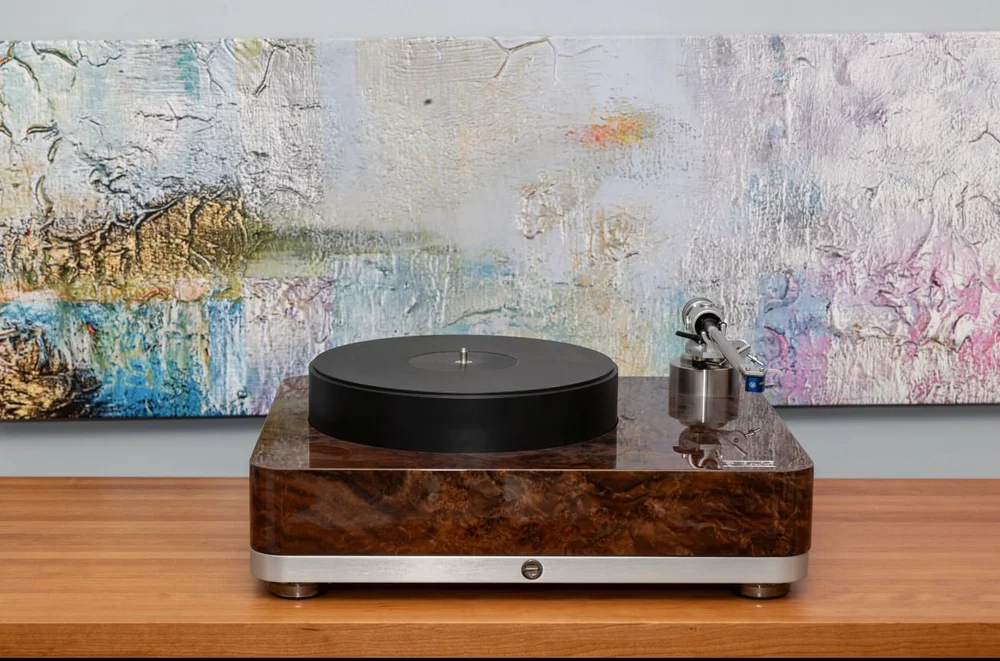
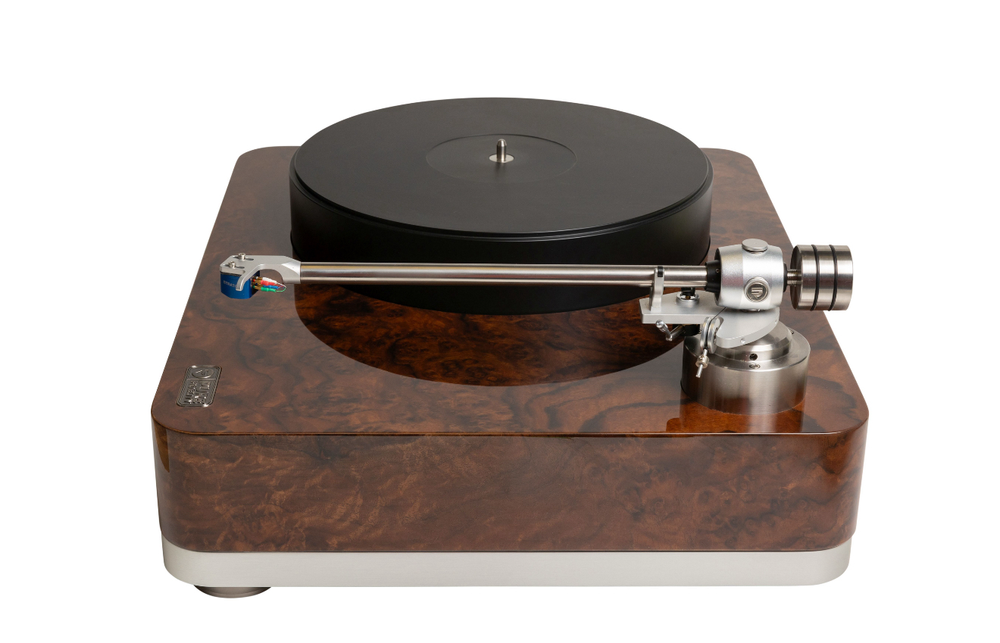
There have been a number of excited telephone calls when Stratton developed and constructed his new Symphony Turntable this yr. I made a decision to debut the excellent news (with Stratton’s permission, after all) on my Everything Classical Music Livestream. Even although the accompanying pictures on the present have been solely iPhone high quality (professional pictures, right here), the viewers reacted positively. The Symphony is way bigger and weightier than the Harmony Mk2 and continues with the attractive plinths, this one in Burl Walnut. You also can order the Symphony in Quilted Maple and the brand new matte end, Karelian Birch.
For the Symphony’s tonearm, Stratton determined to go his approach moderately than supplying OEM tonearms. As such, he designed his 12” “Savant Ti Tonearm” in titanium. He makes the arm boards by hand, and the Symphony will get a brand new one product of stainless-steel moderately than aluminum discovered on his different tables.
The new Symphony has been designed to accommodate one 12” tonearm. The value of the Symphony with a 12” Pure Fidelity Savant Ti Tonearm put in is USD 22,000 (together with an upgraded Conductor velocity controller and upgraded Pure Fidelity SS LP turntable report weight—with ruby ball bearings as a substitute of metal). Stratton can present the Symphony with a 12” Origin Live Enterprise MK4 Tonearm put in (9” model reviewed right here). MSRP for that mixture is USD 24,000 (additionally together with the upgraded Conductor and report weight). The evaluate unit shipped with the Savant Ti put in.
The Symphony debuted at Pacific Audio Fest in Seattle, WA (Sept 6 by 8, 2024).
At my first stay viewing in Seattle, I rapidly realized that no {photograph} or video might do that magnificent-looking turntable justice. The measurement, end, and gloss of the Burl Walnut’s gravitas have to be skilled with the bare eye. Playing in a big room with Alta Audio Aphrodite Speakers (USD 50,000/pair—evaluate revealed at present) and Infigo Audio pre/energy/phono, it sounded excellent with element and lots of the attributes I ascribe to Stratton’s household of turntables. It was a grand debut for the Symphony, and I used to be wanting to get it into my listening room for additional investigation.

John Stratton of Pure Fidelity Turntables.
My Use
As with all Stratton’s turntables in for evaluate I accompanied the brand new Symphony with excellent ancillaries, together with the Phasemation EA-350 Phono Amplifier (USD 6400), IKEDA IST-201 Step-Up Transformer (USD 5400), MBL N51 Integrated Amplifier (USD 17,600) and BØRRESEN Acoustics 01 Silver Supreme Edition Loudspeakers (€47,000/pair, stands not included). Good firm.
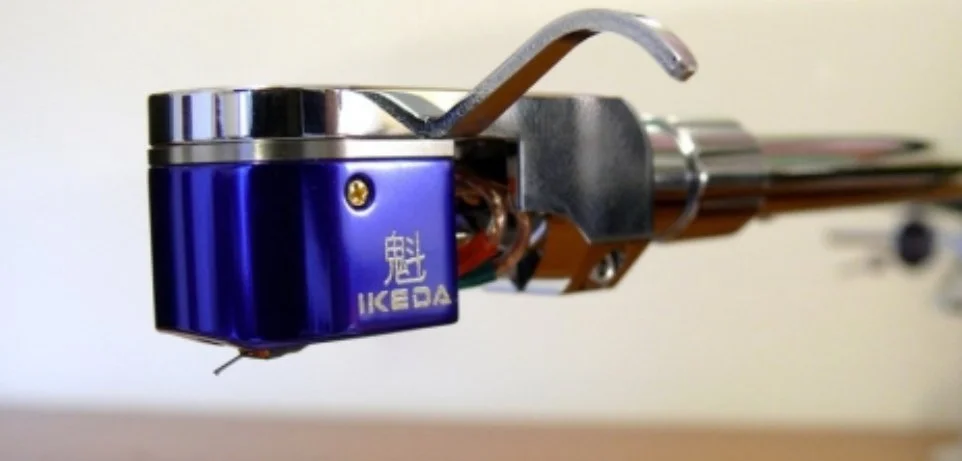
All cabling (together with phono cable) was D2 degree from Ansuz Acoustics (approx €50,000). I used an excellent cartridge, additionally in for evaluate, the IKEDA Sound Labs Kai MC Phono Cartridge (USD 9600). A evaluate of the Kai will probably be up at a later date. The IKEDA cartridge has since change into my new reference after a few years with my Phasemation PP-2000 (USD 8000).
Setup
It was very sort of Stratton to ship and arrange the Symphony on the island (a 90-minute ferry journey from his residence in Vancouver). As the Symphony is considerably bigger and heavier than my Harmony Mk2, I used to be shocked that it match on my stand. Just! We filmed a setup and interview video right here. Unlike the three proprietary (excellent) ISOAcoustics toes on the Harmony, the dimensions and weight of the Symphony demand 5. You can learn Karl Sigman’s full Audiophilia evaluate of the generic ISOAcoustics’ Gaia Series footers right here.
Everything concerning the Symphony is bigger and weightier: platter, plinth, sub platter and the 6061 plane aluminum isolation platform.
Specifications
Dimensions: 20” Wide x 16.5 Deep, x 9” High.
Weight: 70 lbs
Sound
Stratton describes the Symphony as “a Harmony on steroids”! That’s a broad brush description, however he’s not removed from the reality. The large plinth and 6061 plane aluminum isolation platform are very imposing, and on my adjoining stand, the Pure Fidelity Harmony Mk. 2 seems considerably smaller. We all know greater just isn’t all the time higher, and a few turntables look extra like orbiting area stations of their zeal for mass and damping, however right here, Stratton is on to one thing.
Whereas steroids in common tradition invoke bulk, mass and a considerably crude implementation (in comparison with understanding and a nutritious diet), Stratton’s new greater turntable is elegant in design like his different turntables. Suffice it to say that the Symphony will make a grand assertion in your listening room. Some within the room will probably be bought earlier than the stylus drops on the primary report.
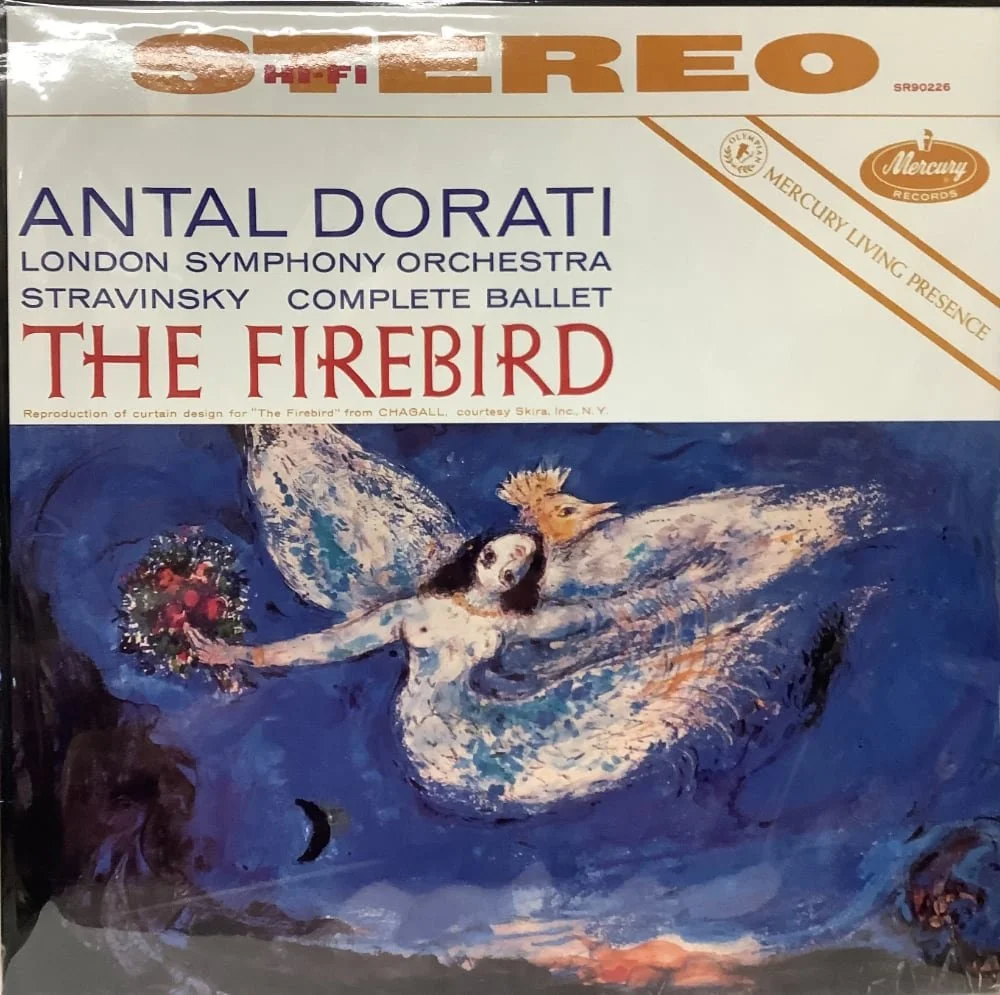
After setup, I threw on one among my Best of the Best collection from the Audiophilia Dream List, the highest Firebird in efficiency and recording (LSO/Dorati/Watford Town Hall/Classic Records 33 RPM reissue). I’d say it’s one of the best Bob Fine and Wilma Cozart Fine recording from their many Mercury classical releases.
I anticipated to listen to some nice issues, however what I heard greater than shocked me and exceeded my expectations. For the subsequent hour, I had the identical goose bump and deep emotional response after I heard the opposite celebrity element I reviewed for the primary time, my BØRRESEN Acoustics 01 Silver Supreme Edition Loudspeakers.
And very like writing that evaluate, my most difficult to this point, I wish to inform you what and the way I used to be listening to. I used to be not solely listening to the assault and transient decay of the notes and the articulation of the participant, however I might hear/really feel how the participant approached the approaching word or phrase; how he (the LSO within the late ‘50s was all male) set himself as much as articulate. “Pre-articulation”, if you’ll. It’s how we gamers get the embouchure prepared, consumption a breath with diaphragm help or how a string participant prepares the bow. I’m unsure how the Symphony achieved this (very low noise flooring, maybe?), however the ambient info was getting by past notes and phrases.
This “pre-information” led to a brilliant immersive listening session—I used to be extremely attentive to the gamers’ musical intent. So, preparation, breath consumption, articulation, assault, and decay have been all crystal clear within the well-known Watford Town Hall acoustic.
Next up, a favorite Blues album by Philadelphia Jerry Ricks: Empty Bottle Blues, was recorded for Hungarian Radio in 1986 and launched on Radioton.
The ambient info across the guitar, his gravelly baritone, the sleek guitar response, and the bass are higher outlined than I’ve heard beforehand. So many cues from the Symphony made my ears perk up. Nothing, even Ricks’ most delicate guitar taking part in, escapes. And that previous audiophile axiom “Rhythm, Pace and Dynamics“ was highlighted in “Ain’t No Fool” after which targeted particularly on accelerated rhythm in “Frisco Whistle Blues.” The guitar timbre is excellent, and his strumming was made particularly lovely. The coda of “Down Delta” will persuade you of Ricks’ virtuosity and the Symphony’s superior playback.
One of my favourites for gear testing is Tea for the Tillerman by Cat Stevens, particularly, the 1980 Mobile Fidelity Sound Lab reissue lower by Stan Ricker. Ricker’s remastering permits the very broad dynamic swings to be heard in comparison with my Canadian unique. Rarely have I heard a pop report recut handle crescendos like this excellent 44-year-old MoFi.
The opening of “Where Do The Children Play,” with its delicate however agency guitar underpinnings, was very lovely and tactile, however with an emphasis on bass, drums and piano. But it’s the guitars of Cat Stevens and Alun Davies that steal the present. Much just like the guitar of Philadelphia Jerry Ricks, the sounds of each guitars are very lovely. And Rucker’s lower is wonderful, with the few devices positioned completely in a pure soundstage. Even the often quiet string preparations and the good Jack Rothstein’s violin solo are heard clearly—Del Newman’s delicate however efficient string preparations are extra within the foreground, so the quiet pizzicato that emphasizes the rhythm within the coda of “Sad Lisa” is heard higher than on different ‘tables. Finally, Stevens’ gravelly, fragile, susceptible baritone sounds completely centred within the soundstage, making for an exquisite musical entire. Ricker’s dynamics are delicate and really punchy. No drawback for the Symphony.
Let’s use the subsequent classical LPs as fodder for descriptions in additional normal audiophile phrases.
The Symphony additionally performed one among my favorite Classic Records reissues higher than I’ve ever heard it, Shostakovich’s Symphony No. 1, carried out by Jean Martinon and performed by the LSO from Kingsway (1957). If the imaging, tonal fluency and spatial impact of Dennis Clift’s little trumpet phrase (to his high Ab, quiet and performed with flawless artistry) don’t persuade you of this ‘desk’s price, nothing will. Sometimes, it solely takes 4 notes!
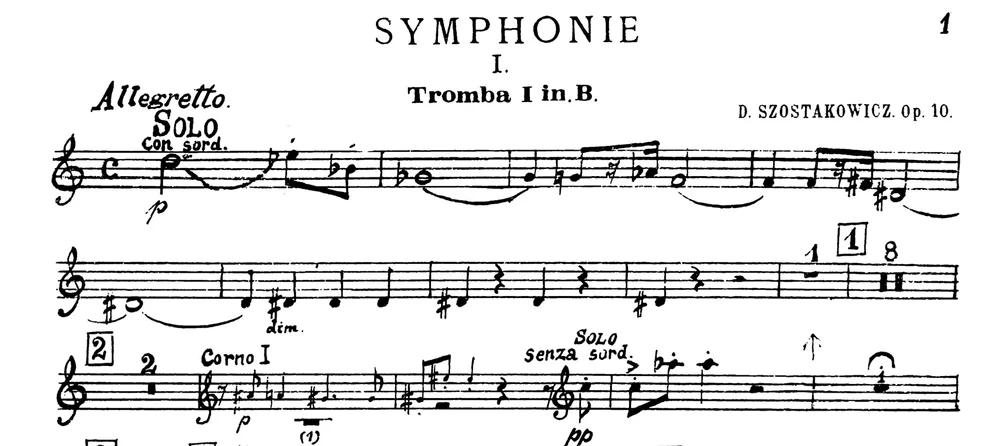
Very difficult minor sixth leap trumpet solo, choose up into 5 bars after determine 2. Imagine the stress, and it’s the finest I’ve heard performed, recorded or performed again by the audio system. He’s on their own, rear of Kingsway, Martinon cues you, and off you go. Clift’s wonderful! Remember that "pre-information"? Another good Symphony "inform."
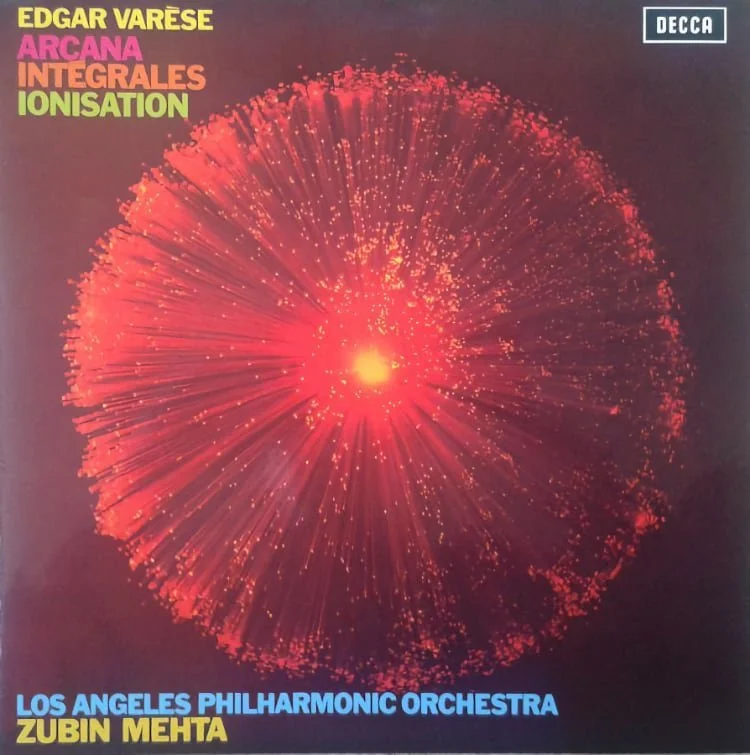
Other favourites, akin to music by Varése, Arcana / Intégrales / Ionisation (LA Phil/ Decca/Mehta) and Massenet’s Le Cid (CBSO/EMI/Fremaux), have been used to check the Symphony.
Soundstage and imaging, essential on each classical album, are each lovely and exact on the Shostakovich and Varése albums. On the Mehta, every of the 4 percussionists taking part in a myriad of tuned and untuned percussion in Varése‘s Intégrales (every from a selected location indicated within the rating) was pinpoint and unfold throughout Royce Hall’s broad and deep stage. I skilled this distinctive and really acquainted Decca recording higher than ever earlier than. Not solely was the soundstage and imaging spot on, however the timbral accuracy the Symphony delivered was truth-telling in one of the best acoustic sense. So the basic distinction between the gong and tam-tam that I heard amazingly nicely with my Harmony/Origin Live/Phasemation combo was in even clearer aid. And imaged extra particularly, too. The piccolo clarinet, which states the opening theme in a really declarative type, was smoothed out considerably, a extra correct reflection of this difficult-to-record instrument; the participant’s sound was correct sufficient that I might admire his/her lovely phrasing. Oftentimes, the overly shiny timbre interferes with the related acoustic round his/her seat.
Massenet’s Le Cid is an distinctive piece and receives an outstanding efficiency on the well-known EMI, however it’s recorded within the lavatory acoustics of Birmingham Town Hall. Engineer Stuart Eltham makes a gallant effort to regulate the reverb, however the Symphony offers you the thin on simply how problematic the acoustics have been. That stated, you received’t hear the flutes and castanets, an audiophile favorite second, on the opening sound as targeted with as correct a timbre as I heard from the Symphony. Further, the castanets (a small bowl with a twine that loosely binds a pair of dealing with bowls collectively) have been heard with their “clicking and clacking” indeterminate pitch however with the bowls’ resonance completely captured.
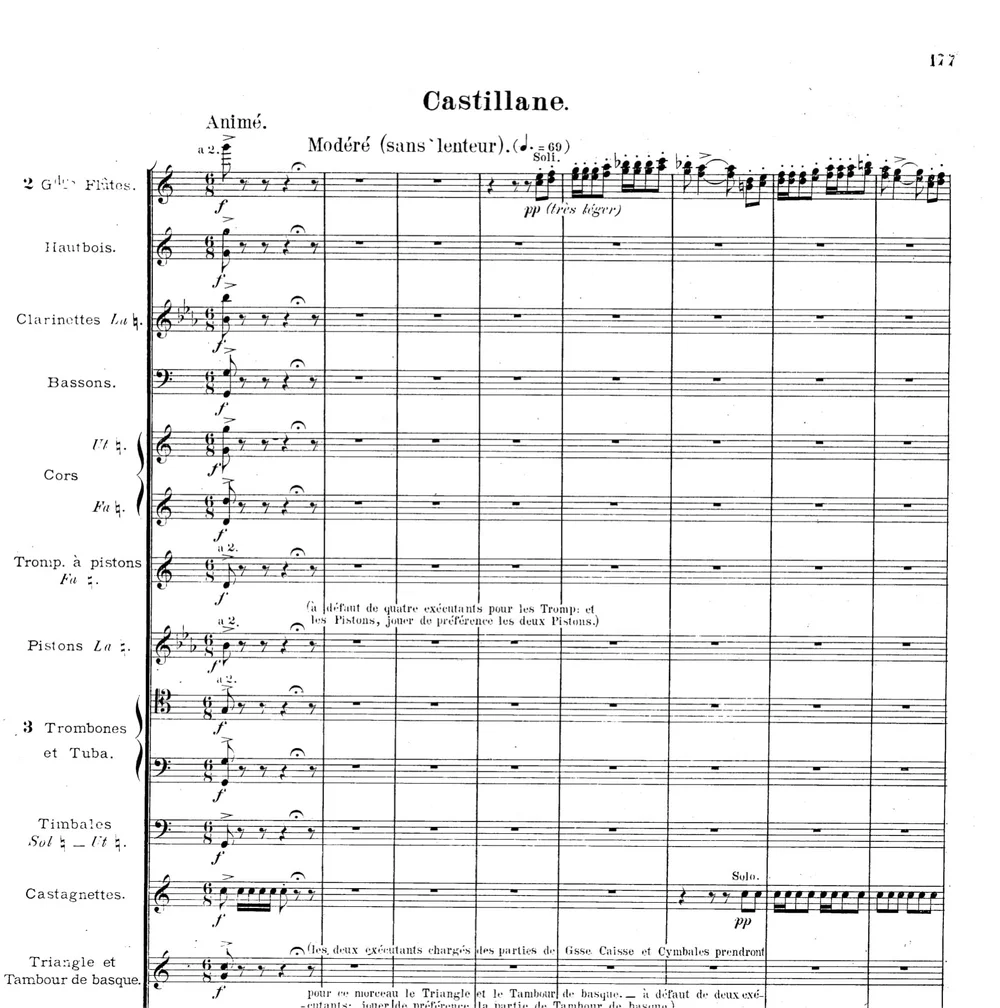
The opening two flute soli accompanied (beneath) by castanets.
On an fascinating word, you’ll hear excellent piccolo taking part in on this album. Anthony Moroney, the CBSO’s principal flute, was a little bit of a thorn within the facet of MD Louis Fremaux. Frustrated, Fremaux “demoted” him to picc for this recording, anticipating Moroney to have nice issue with the difficult instrument and half. No such luck for Fremaux. Moroney was equally good on the flute’s child brother!
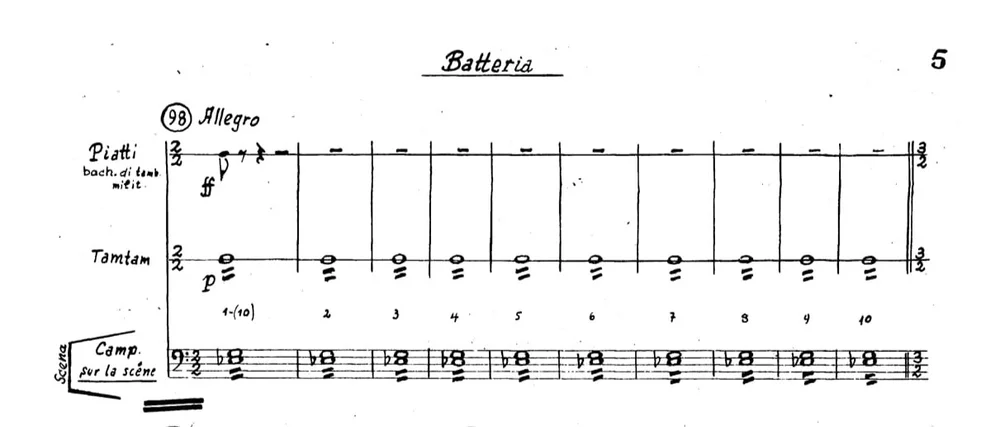
I really feel the Symphony’s efficiency is up there with the easiest I’ve heard, and a few of these ‘tables price twice or 3 times as a lot because the Symphony. Stratton follows easy, tried and true design rules, utilizing high quality supplies and eschewing plenty of fancy bells and whistles, which might complicate and diminish the sound of a turntable. So audiophile cues akin to the load of piano keys, the sound the resin makes on bows, and cymbal crashes are particularly satisfying. The well-known cymbal crash at 98 in The Firebird (see photograph beneath; “piatti” = “cymbal”), I’ve by no means heard so vibrant, so dynamic, and so layered because it fades into the Watford acoustic. Such a easy cue and so endlessly fascinating aurally due to the frequency vary, assault, decay, shimmer, splash, and sheer visceral vitality.
Conclusions
These recordings have been indicative of the various I auditioned that included deep, correct bass, whisper dynamics as much as enormous, with readability of soundstage, pinpoint imaging and a refined, superior timbral accuracy. I’ve heard turntables price twice as a lot and couldn’t ship half the efficiency of the Symphony. As musical sound is a extremely advanced waveform, I discovered its capacity to extract info exceptional. I needed to dig deep into the musical weeds to convey you an approximation of simply how splendidly this turntable carried out.
I’m positive absolutely the management and low-noise flooring had one thing to do with the excellent Savant Ti arm and knockout Kai cartridge. If you buy a Symphony, the included Savant Ti is excellent (search for a full evaluate of this Ball Race Gimbal Tonearm quickly), and I’m having fun with it as a lot as my 9” Origin Live Enterprise MK4. Discuss with Stratton, however perhaps save your self a few grand and go along with the included Savant Ti. It’s an excellent tonearm.
Stratton despatched this alongside:
Our Savant Ti is a gimballed design. It is held in place by a Race Bearing.
A race bearing is actually a bearing inside a bearing. These are extraordinarily high-quality.
Our bearings are handmade in Japan.
Also, I’m constructive any purchaser will match it with a commensurate cartridge. Additionally, Stratton’s Conductor velocity controller is an excellent improve over his already-good Maestro controller. Speed controllers are crucial and add a way of well-being to the sound in addition to including to all of the precepts you count on as a passionate vinylphile.
At USD 22,000, the Symphony is an costly turntable possibility. But in case you are up on turntables nowadays, you’ll see and listen to others charging much more for much less. In the easiest sense for vinyl fanatics, the Symphony could nicely grow to be an actual worth. I’m shopping for mine. It’s so good if it left my music room, I’d be mooning each listening session wishing it was nonetheless right here, so I requested Stratton for an lodging value. Once you hear one, I’d posit you’d really feel the identical.
Thus, Stratton continues his journey, producing value-added, stunning-looking turntables that sound beautiful. Very extremely really useful.
Further info: Pure Fidelity Turntables



HI-FI News
by way of Audiophilia https://ift.tt/Cs6nqeH
November 1, 2024 at 01:53PM
-
Product on sale
 Audiophile Vinyl Records Cleaning BundleOriginal price was: €69.90.€59.90Current price is: €59.90. incl. VAT
-
Product on saleEasy Start Vinyl Records Cleaning KitOriginal price was: €69.90.€59.90Current price is: €59.90. incl. VAT
-
Vinyl Records Cleaner Easy Groove Concentrate€34.95 incl. VAT
-
Easy Groove Super Set€199.00 incl. VAT
-
Easy Groove Enzycaster – vinyl records prewash cleaner€34.95 incl. VAT
-
Easy Groove Extreme MK. II- vinyl records prewash cleaner€45.00 incl. VAT
-
Vinyl Records Cleaner – Easy Groove Virgin Concentrate€35.00 incl. VAT
-
Easy Groove Spray&Wipe vinyl records cleaner€34.95 incl. VAT


