
Audio News
All in the Left Hand
All in the Left Hand
https://ift.tt/OwxUgLz
Ravel, Prokofiev, Hindemith, Britten, Korngold, and Richard Strauss: the great composers who wrote piano concertos for Paul Wittgenstein, the one-armed pianist
There are far more works for piano left hand alone than for right. The reason is both tragic and simple: when someone loses the use of a hand—whether through a wartime or accidental injury, stroke, dystonia, or another cause—it is almost always the stronger, more active, more assertive hand that is affected. For most people, that is the right hand, although nearly 20 percent of pianists are said to be left-handed. Several pianists who lost the use of their right hand have earned international recognition, including Géza Zichy, Otakar Hollmann, Leon Fleisher, Siegfried Rapp, Izumi Tateno, and Nicholas McCarthy.
The most famous pianist to perform exclusively with his left hand was Paul Wittgenstein (1887–1961), brother of the philosopher Ludwig Wittgenstein. He made his Vienna debut in 1913, but two years later, after being wounded in Poland during the war, he had to have his right arm amputated. Rather than give up his career, Wittgenstein commissioned leading composers of the day to write works for left hand alone. His family was among Austria’s wealthiest, giving him the means to pursue these commissions. Early contributors included Sergei Bortkiewicz, Hans Gál, Leopold Godowsky, Paul Hindemith, and Richard Strauss. Wittgenstein was, however, a demanding client: he never performed some works he had commissioned and paid for, and even returned others.
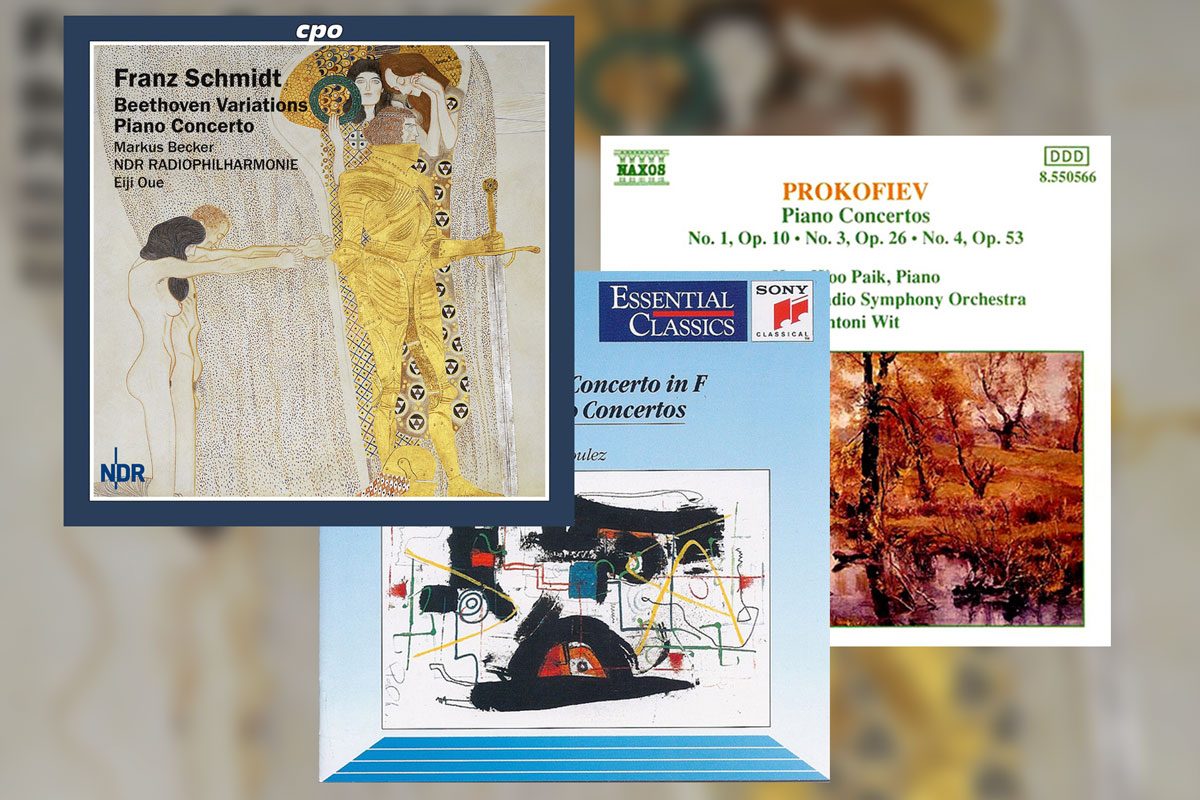
Wittgenstein’s favorite composer was Franz Schmidt (1874–1939), whom he considered the greatest Austrian composer of his era. A professor of cello and piano in Vienna, Schmidt remained, in his own musical outlook, very much a nineteenth-century composer. Even so, he wrote no fewer than six works for Wittgenstein’s left hand, including the concertante Beethoven Variations (based on the scherzo theme from the Spring Sonata) and the Piano Concerto in E-flat major. Unusually, the concerto opens with an “idea knot” from which its main themes gradually take shape. The three-movement work lasts nearly 45 minutes and concludes with a monumental solo cadenza. When Wittgenstein later commissioned Benjamin Britten, he recommended Schmidt’s concerto as a model. Markus Becker is the dedicated soloist in an excellent recording with the NDR Radiophilharmonie: Beethoven Variations/Piano Concerto (cpo, recorded 2006).
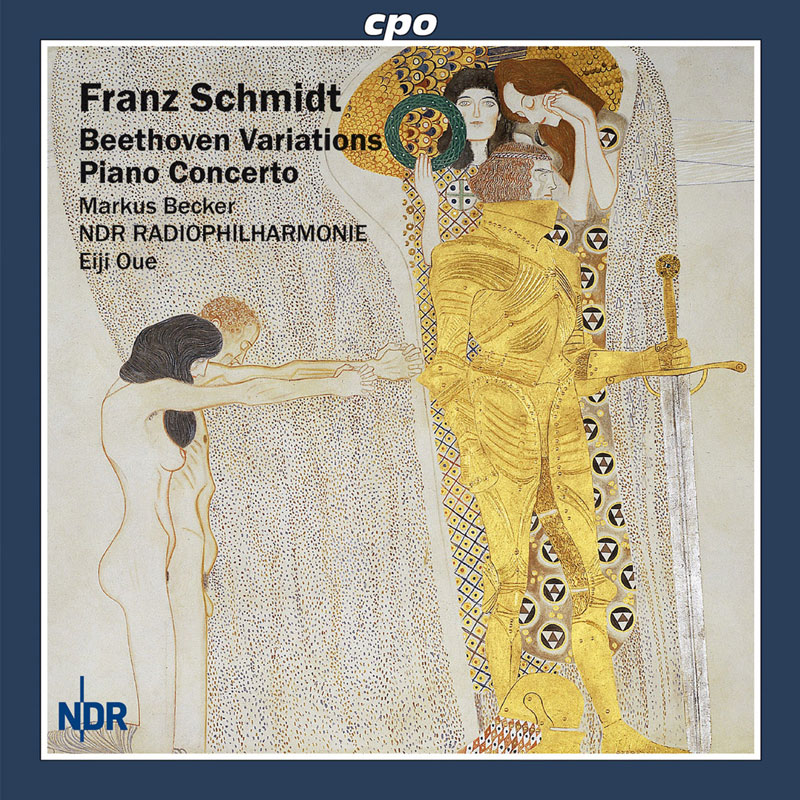
Wittgenstein was far less impressed by Sergei Prokofiev’s (1891–1953) B-flat minor concerto, Piano Concerto No. 4, Op. 53. “I don’t understand a single note of it, and I won’t play it,” he declared, reflecting his decidedly conservative tastes. Nevertheless, he insisted on retaining exclusive performance rights for years. The concerto did not receive its world premiere until 1956, three years after Prokofiev’s death, when Siegfried Rapp—who had also lost his right arm in the war—performed it in East Germany. The opening movement (Vivace) crackles with driving energy, briefly recalled in the finale. The Andante has a Romantic character, while the Allegro is dramatic and terse. Pianist Kun Woo Paik specializes in Russian repertoire. His recording with the Polish Radio Symphony Orchestra includes three of Prokofiev’s piano concertos: Piano Concertos (Naxos, recorded 1991).
Maurice Ravel’s (1875–1937) Concerto for the Left Hand in D minor sparked an outright dispute. Wittgenstein thought the demands on his left hand—especially in the second cadenza—were excessive and the orchestral writing too sparse: “That doesn’t work.” But when he took it upon himself to revise the score, Ravel was just as furious. The concerto premiered in 1932 with the Vienna Symphony Orchestra. Ravel was not fully satisfied until Jacques Février performed it in 1937, after Wittgenstein’s exclusive performance rights had expired.
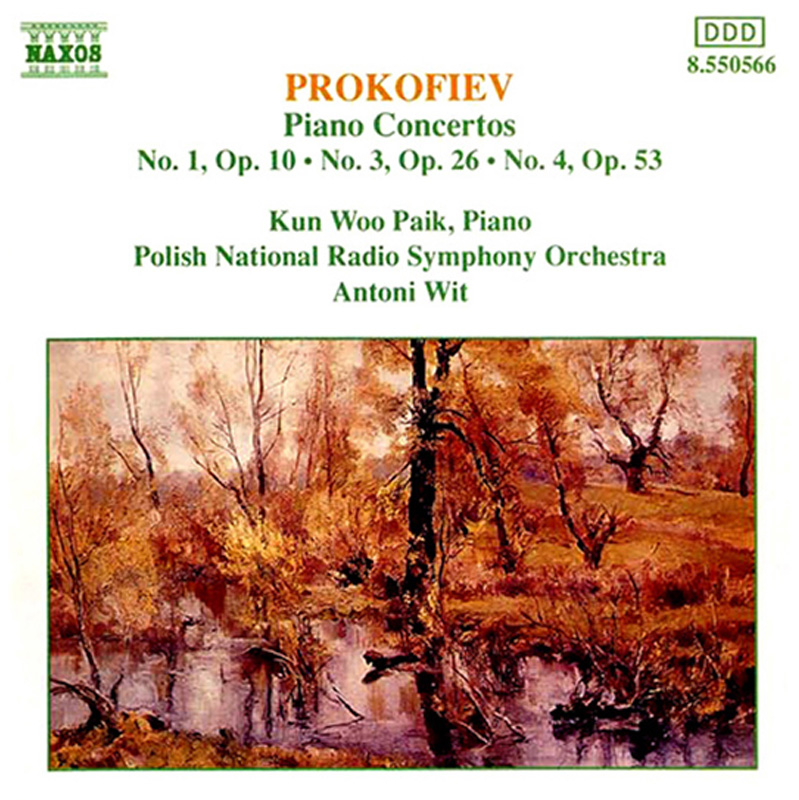
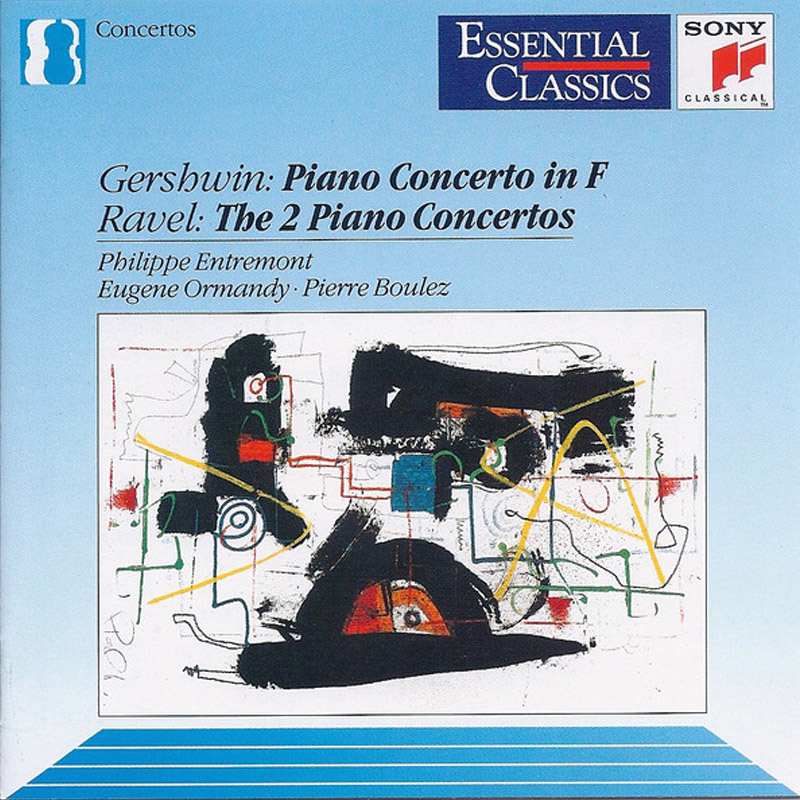
The concerto is largely oppressive and somber, almost as if it gives voice to the tragedy of living with one arm. Its fast central section, by contrast, bursts into wild, jazz-inflected rhythms. Wittgenstein’s commission also prompted Ravel to write another piano concerto around the same time: the Concerto in G major, for both hands. For both works, Ravel took inspiration from his colleague Gershwin’s Concerto in F, whom he had visited in the United States shortly before. Philippe Entremont’s recording of all three concertos became a celebrated release: Gershwin/Ravel (Columbia, recorded 1971/1975).
The post All in the Left Hand appeared first on Fidelity Magazine.
HI-FI News
via Fidelity Magazine https://ift.tt/QAHCKsU
November 11, 2026 at 11:00AM
-
Product on sale
 Audiophile Vinyl Records Cleaning BundleOriginal price was: €69.90.€59.90Current price is: €59.90. incl. VAT
-
Product on saleEasy Start Vinyl Records Cleaning KitOriginal price was: €69.90.€59.90Current price is: €59.90. incl. VAT
-
Vinyl Records Cleaner Easy Groove Concentrate€34.95 incl. VAT
-
Easy Groove Super Set€199.00 incl. VAT
-
Easy Groove Enzycaster – vinyl records prewash cleaner€34.95 incl. VAT
-
Easy Groove Extreme MK. II- vinyl records prewash cleaner€45.00 incl. VAT
-
Vinyl Records Cleaner – Easy Groove Virgin Concentrate€35.00 incl. VAT
-
Easy Groove Spray&Wipe vinyl records cleaner€34.95 incl. VAT







