Author Archives: Robert Baird

March 2023 Jazz Record Reviews

The Necks: Travel

Chris Abrahams, piano, organ; Tony Buck, drums; Lloyd Swanton, bass

Northern Spy NS158 (CD; additionally accessible on LP, obtain). 2023. Tim Whitten, prod., eng.

Performance ****

Sonics ****


The Necks are an acoustic product of the digital age. The longstanding Australian piano trio has labored, with uncommon exception, in hour-long spans of gradual growth that may make Miles Davis and Gil Evans envious. On stage or in studio, they execute their heat but machine-like repetitions with nice precision. In 2017, they broke with components to fulfill the calls for of the vinyl revival, limiting their group improvisations to roughly 20-minute chunks for the double LP Unfold. That train turned an everyday observe throughout the pandemic, leading to Travel, one other 80 minutes of comparatively bite-size items.


The final two records clarify how effectively they traverse the area between coronary heart and thoughts advised by their identify, making distinctive, diversified music with out breaking their mould. At instances they’ve added synthesizer, organ, even electrical guitar, however they continue to be recognizable. Travel is a superb introduction to their terrain: steeped in theme and variation, even when the themes are much less hummable than emotionally evocative. The first two sides on Travel are among the many jazziest they’ve launched of their 30+ years. “Signal” and “Forming” are vibrant and upbeat, fitted to both background or foreground listening. The third, “Imprinting,” is extra cerebral, with subdued taking part in, a sluggish construct, and a trickier rely.


The set culminates with “Bloodstream,” a dramatic 18 minutes constructed round Chris Abrahams’s prolonged electrical organ tones and delicate piano strains. Drummer Tony Buck performs in taut waves, not a lot maintaining time as marking distance. Bassist Lloyd Swanton’s arco melts into the organ with a deep basis and surprising harmonics. It’s a darkish and delightful piece. Longtime producer/engineer Tim Whitten captured these morning classes; the recordings are deep, wealthy, and heat.—Kurt Gottschalk


Arild Andersen Group: Affirmation

Andersen, bass; Marius Neset, tenor saxophone; Helge Lien, piano; H&@229;kon Mjåset Johansen, drums

ECM 2763 (CD, accessible as obtain). 2022. Manfred Eicher, exec. prod.; Martin Abrahamsen, eng.

Performance ***½

Sonics ****½


Jazz musicians generally assume that, since improvisation is sweet, albums which are completely improvised have to be better of all. But it’s not that easy. Improvisations are departures whose deepest revelations are normally achieved in relation to what they depart from. Painting outdoors the strains requires strains.


Affirmation arrives with nice promise. Arild Andersen’s earlier ensemble, a trio with Tommy Smith on tenor saxophone, was one of many nice bands of Europe. His new quartet has an much more acclaimed tenor participant, rising star Marius Neset, and a poetic pianist, Helge Lien. Andersen stays that uncommon phenomenon, a bassist in whose arms the instrument turns into not solely absolutely articulate however uniquely able to touching in any other case sublimated feelings.


Andersen’s unique plan had been to report a few of his personal items, however he modified his thoughts within the studio. This album is one 38-minute collective improvisation in seven elements, plus an Andersen composition, “Short Story.”


The result’s a combined bag. Much of this music sounds just like the fourth motion: For too lengthy, Neset trills and fidgets and oscillates unproductively and inconclusively whereas the opposite gamers reply randomly. The vitality stirred up within the fifth motion sounds nervous somewhat than purposeful.


There are some beautiful moments, just like the concentrated lyricism of Andersen’s and Lien’s calls and responses within the second motion, and Neset’s dramatic entrance, in fervent cries, that opens the third motion.


But solely the final observe, “Short Story,” reveals the sweetness these 4 particular improvisers can create after they have been offered a powerful melody to focus and encourage them.—Thomas Conrad


Ahmad Jamal: Emerald City Nights: Live at The Penthouse 1963–1964

Jazz Detective (2 LPs). 2022. Zev Feldman, Andrew Stayman, prods.; Jim Wilke, Sheldon Zaharko, engs.

Performance *****

Sonics ****


The often-underrated jazz pianist Ahmad Jamal is a gifted artist whose approach depends on each pace and area. Like Art Tatum, one among his heroes, he can command a keyboard, making a number of journeys up and down the 88 keys within the time it takes mere mortals to take a breath. Few jazz musicians knew how you can use area and make it such a vital a part of his taking part in within the methods Jamal did. Jamal additionally had a fabulous sense of rhythm.


Here, in a 1964 efficiency of “Squatty Roo,” by Ellington alto legend Johnny Hodges, he shows all these presents and provides a lyrical solo and a number of other lightning runs up and down the keyboard earlier than laying again, intermittently including emphatic chords and permitting the rhythm part—bassist Jamil Nasser and drummer Chuck Lampkin—to shine.


Jazz trios rely on chemistry, and in a sprightly, swinging model of “Lollipops and Roses,” Nasser turns in an idea-filled solo earlier than all three be a part of to drive the tune to conclusion.


The first quantity of three two-LP units on 180gm vinyl, overlaying six Jamal appearances on the Seattle membership between 1963 and 1966, these fantastic recordings, initially recorded by engineer Jim Wilke, have been found by the ever-intrepid Zev Feldman for the inaugural launch of his personal Jazz Detective label. All three units have been mastered for LP by Bernie Grundman from the unique ¼” mono tapes and pressed at Optimal in Germany. The sound is evident and well-mixed however flat and one-dimensional.


While not chock stuffed with contemporary revelations, this quantity of Live at The Penthouse is a superb snapshot of the place he was as an artist, displaying his blazing approach, respect for area, and most of all his skill to improvise and compose within the second.—Robert Baird
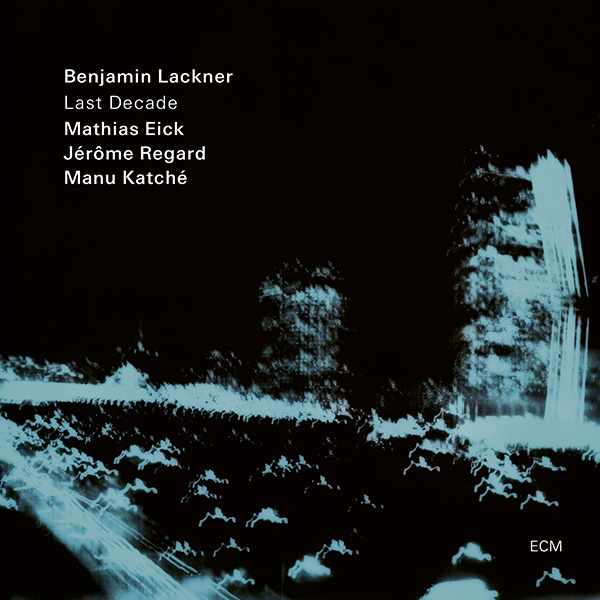


Benjamin Lackner: Last Decade

Lackner, piano; Mathias Eick, trumpet; Jérôme Regard, bass; Manu Katché, drums

ECM 2736 (CD, accessible as obtain, LP). 2022. Manfred Eicher, prod.; Gérard de Haro, eng.

Performance ****½

Sonics ****½


One of Manfred Eicher’s abilities as a producer is to seek out the precise new voices for his ECM label. Pianist Benjamin Lackner shouldn’t be new to the worldwide scene (he has 14 albums in his discography), however Last Decade is his ECM debut.


Many ECM adherents deny that there’s an “ECM sound.” They are fallacious. While the label’s huge output over half a century is numerous, its overarching id encompasses distilled lyricism and an environment of inwardness. What is noteworthy about Lackner is how his iteration of the ECM aesthetic sounds so pure and instinctive. His eight compositions right here all really feel like naked frameworks, but their gestures of melody resonate with and encourage the 4 members of his quartet.


Mathias Eick is current in a uncommon sideman function. He is likely one of the most gifted trumpet gamers to enter jazz within the new millennium. He has many records of his personal on ECM, however even Eicher’s energy to create reputations has not fairly made him well-known. Last Decade accommodates tune after luminous tune wherein Lackner postulates a crystalline concept and a rapt temper and Eick deepens each. The title observe and “Open Minds Lost” are particularly sturdy examples of this band’s pure, looking lyricism. Lackner sounds so affected person, ready to position every observe till its second arrives. Eick’s trumpet sound is a revelation of golden gentle. He respects Lackner’s melodies at the same time as he finds new implications inside them.


Of the opposite gamers, one is effectively established and one will probably be a brand new identify to many. Drummer Manu Katché, a pacesetter in his personal proper, enlivens this music from inside. Jérôme Regard’s solo bass observe “Émile” is a haunting two-minute interlude within the circulate of the album.


ECM launched some high quality albums in 2022, however few are extra stunning.—Thomas Conrad


Simona Premazzi: Wave in Gravity

PRE 1174 (CD, accessible as obtain). 2023. Premazzi, prod.; Chris Allen, eng.

Performance ****½

Sonics ****


It is shocking that Simona Premazzi shouldn’t be higher recognized. She is the actual deal on piano and has now made six albums. Wave in Gravity, her first solo recording, is a extremely particular person and inventive response to the challenges of taking part in jazz piano with out accompaniment, or somewhat, whereas serving as one’s personal accompanist. The first observe is, unmistakably, “In the Still of the Night,” however it’s damaged in unusual locations. With the necessity to provide her personal bass line and rhythm, Premazzi’s arms turn out to be notably impartial. Her dynamism and impulsiveness are exhilarating. She releases the tune in intermittent eruptions. It is startling when the fragments coalesce and Cole Porter’s melody rings out resoundingly.


The different American Songbook items listed below are blocky and highly effective. “My Heart Stood Still,” by Rodgers and Hart, could by no means have obtained a extra percussive remedy, Premazzi’s left hand jabbing concord and her proper hand flailing melody. “On a Slow Boat to China” is an extravagance of ornament; Frank Loesser’s tune is just one of many patterns in an enormous design.


There are additionally jazz requirements. “Monk’s Mood” is one among Thelonious Monk’s most hesitant, hovering, ambiguous ballads. Premazzi shouldn’t be into hesitance. Her interpretation is aggressive and luxurious. Her model of Andrew Hill’s “Smoke Stack” has as a lot thrust because the composer’s (on his 1966 Blue Note album of that identify). But Hill had two bassists and a drummer with him. Premazzi has solely herself.


Premazzi’s personal songs, like “Back Seat,” are inclined to convey out her pensive aspect—or would, if she had one.


This album is a case research in how you can report piano. Chris Allen, working in one of many final remaining nice Manhattan studios, Sear Sound, captures all of the assault of Premazzi putting the keys of an ideal Steinway B.—Thomas Conrad
Posted in Uncategorized

March 2023 Rock/Pop Record Reviews

Margot Price: Strays

Loma Vista Records (16/44.1 WAV obtain; additionally out there on CD, LP, cassette tape). 2023. Jonathan Wilson, Margo Price, prods.; Jonathan Wilson, Dexter Green, others, engs.

Performance ****½

Sonics ****


Artists with ambition should develop or their imaginative and prescient will get stale and repetitive. They additionally want one thing new to promote streams, live performance tickets, and records. One certain method to change issues up is a visitor record that features Mike Campbell, Sharon Van Etten, and Lucius. Another is to place your artwork within the fingers of a brand new producer, on this case Jonathan Wilson, who has launched acclaimed solo albums and labored on current tasks by Angel Olsen, Benmont Tench, and Dawes. Recorded in a number of studios with a number of engineers, Strays has the nice, could-be-better sonics frequent to rock records at present. The opener, “Been to the Mountain,” its guitar-riff crunch tastefully blended behind her voice, is the heaviest, most rock-adjacent tune she has recorded. Where her final album, the Sturgill Simpson–produced “That’s How Rumors Get Started,” was lush and poppy, Strays strikes in a Seventies Laurel Canyon–rock route.


Despite its title, “Hell within the Heartland,” with its fascinating tempo changeup close to the tip, might be a Stevie Nicks–sung Rumours outtake. Although Price’s nation roots are largely de-emphasized, her vocal efficiency of the onerous luck story “Lydia,” accompanied by her acoustic guitar tastefully surrounded by strings, is a poignant story of a misplaced soul and one other instance of Price, who co-wrote practically each tune right here, at her lyrical greatest: “Tied like a canine on a sequence with a midlife disaster and an ex-husband,” the protagonist spirals downward. “She offered herself for artificial heroin and sleepin’ with a person about twice her age/Really although it was something however sleepin’.”


Admirably dedicated to attempting new sounds and transcending straightforward labels, Price stands out among the many seemingly countless flock of feminine Americana singer/songwriters recording at present.—Robert Baird

Posted in Uncategorized

March 2023, Jazz Record Reviews

The Necks: Travel

Chris Abrahams, piano, organ; Tony Buck, drums; Lloyd Swanton, bass

Northern Spy NS158 (CD; additionally accessible on LP, obtain). 2023. Tim Whitten, prod., eng.

Performance ****

Sonics ****


The Necks are an acoustic product of the digital age. The longstanding Australian piano trio has labored, with uncommon exception, in hour-long spans of gradual improvement that might make Miles Davis and Gil Evans resentful. On stage or in studio, they execute their heat but machine-like repetitions with nice precision. In 2017, they broke with system to fulfill the calls for of the vinyl revival, limiting their group improvisations to roughly 20-minute chunks for the double LP Unfold. That train turned a daily apply in the course of the pandemic, leading to Travel, one other 80 minutes of comparatively bite-size items.


The final two records clarify how nicely they traverse the house between coronary heart and thoughts urged by their identify, making distinctive, different music with out breaking their mildew. At occasions they’ve added synthesizer, organ, even electrical guitar, however they continue to be recognizable. Travel is a good introduction to their terrain: steeped in theme and variation, even when the themes are much less hummable than emotionally evocative. The first two sides on Travel are among the many jazziest they’ve launched of their 30+ years. “Signal” and “Forming” are vibrant and upbeat, suited to both background or foreground listening. The third, “Imprinting,” is extra cerebral, with subdued enjoying, a gradual construct, and a trickier rely.


The set culminates with “Bloodstream,” a dramatic 18 minutes constructed round Chris Abrahams’s prolonged electrical organ tones and delicate piano traces. Drummer Tony Buck performs in taut waves, not a lot maintaining time as marking distance. Bassist Lloyd Swanton’s arco melts into the organ with a deep basis and surprising harmonics. It’s a darkish and delightful piece. Longtime producer/engineer Tim Whitten captured these morning classes; the recordings are deep, wealthy, and heat.—Kurt Gottschalk


Arild Andersen Group: Affirmation

Andersen, bass; Marius Neset, tenor saxophone; Helge Lien, piano; H&@229;kon Mjåset Johansen, drums

ECM 2763 (CD, accessible as obtain). 2022. Manfred Eicher, exec. prod.; Martin Abrahamsen, eng.

Performance ***½

Sonics ****½


Jazz musicians generally assume that, since improvisation is nice, albums which are completely improvised have to be better of all. But it’s not that straightforward. Improvisations are departures whose deepest revelations are normally achieved in relation to what they depart from. Painting outdoors the traces requires traces.


Affirmation arrives with nice promise. Arild Andersen’s earlier ensemble, a trio with Tommy Smith on tenor saxophone, was one of many nice bands of Europe. His new quartet has an much more acclaimed tenor participant, rising star Marius Neset, and a poetic pianist, Helge Lien. Andersen stays that uncommon phenomenon, a bassist in whose arms the instrument turns into not solely absolutely articulate however uniquely able to touching in any other case sublimated feelings.


Andersen’s authentic plan had been to document a few of his personal items, however he modified his thoughts within the studio. This album is one 38-minute collective improvisation in seven elements, plus an Andersen composition, “Short Story.”


The result’s a combined bag. Much of this music sounds just like the fourth motion: For too lengthy, Neset trills and fidgets and oscillates unproductively and inconclusively whereas the opposite gamers reply randomly. The power stirred up within the fifth motion sounds nervous moderately than purposeful.


There are some pretty moments, just like the concentrated lyricism of Andersen’s and Lien’s calls and responses within the second motion, and Neset’s dramatic entrance, in fervent cries, that opens the third motion.


But solely the final monitor, “Short Story,” reveals the sweetness these 4 particular improvisers can create once they have been offered a robust melody to focus and encourage them.—Thomas Conrad


Ahmad Jamal: Emerald City Nights: Live at The Penthouse 1963–1964

Jazz Detective (2 LPs). 2022. Zev Feldman, Andrew Stayman, prods.; Jim Wilke, Sheldon Zaharko, engs.

Performance *****

Sonics ****


The often-underrated jazz pianist Ahmad Jamal is a gifted artist whose method depends on each velocity and house. Like Art Tatum, one in every of his heroes, he can command a keyboard, making a number of journeys up and down the 88 keys within the time it takes mere mortals to take a breath. Few jazz musicians knew use house and make it such a vital a part of his enjoying within the methods Jamal did. Jamal additionally had a wonderful sense of rhythm.


Here, in a 1964 efficiency of “Squatty Roo,” by Ellington alto legend Johnny Hodges, he shows all these presents and provides a lyrical solo and a number of other lightning runs up and down the keyboard earlier than laying again, intermittently including emphatic chords and permitting the rhythm part—bassist Jamil Nasser and drummer Chuck Lampkin—to shine.


Jazz trios rely on chemistry, and in a sprightly, swinging model of “Lollipops and Roses,” Nasser turns in an idea-filled solo earlier than all three be part of to drive the tune to conclusion.


The first quantity of three two-LP units on 180gm vinyl, protecting six Jamal appearances on the Seattle membership between 1963 and 1966, these fantastic recordings, initially recorded by engineer Jim Wilke, have been found by the ever-intrepid Zev Feldman for the inaugural launch of his personal Jazz Detective label. All three units have been mastered for LP by Bernie Grundman from the unique ¼” mono tapes and pressed at Optimal in Germany. The sound is obvious and well-mixed however flat and one-dimensional.


While not chock filled with recent revelations, this quantity of Live at The Penthouse is a wonderful snapshot of the place he was as an artist, displaying his blazing method, respect for house, and most of all his skill to improvise and compose within the second.—Robert Baird


Benjamin Lackner: Last Decade

Lackner, piano; Mathias Eick, trumpet; Jérôme Regard, bass; Manu Katché, drums

ECM 2736 (CD, accessible as obtain, LP). 2022. Manfred Eicher, prod.; Gérard de Haro, eng.

Performance ****½

Sonics ****½


One of Manfred Eicher’s abilities as a producer is to seek out the suitable new voices for his ECM label. Pianist Benjamin Lackner will not be new to the worldwide scene (he has 14 albums in his discography), however Last Decade is his ECM debut.


Many ECM adherents deny that there’s an “ECM sound.” They are flawed. While the label’s huge output over half a century is numerous, its overarching id encompasses distilled lyricism and an environment of inwardness. What is noteworthy about Lackner is how his iteration of the ECM aesthetic sounds so pure and instinctive. His eight compositions right here all really feel like naked frameworks, but their gestures of melody resonate with and encourage the 4 members of his quartet.


Mathias Eick is current in a uncommon sideman function. He is without doubt one of the most gifted trumpet gamers to enter jazz within the new millennium. He has many records of his personal on ECM, however even Eicher’s energy to create reputations has not fairly made him well-known. Last Decade incorporates music after luminous music by which Lackner postulates a crystalline thought and a rapt temper and Eick deepens each. The title monitor and “Open Minds Lost” are particularly sturdy examples of this band’s pure, looking lyricism. Lackner sounds so affected person, ready to put every observe till its second arrives. Eick’s trumpet sound is a revelation of golden gentle. He respects Lackner’s melodies at the same time as he finds new implications inside them.


Of the opposite gamers, one is nicely established and one can be a brand new identify to many. Drummer Manu Katché, a pacesetter in his personal proper, enlivens this music from inside. Jérôme Regard’s solo bass monitor “Émile” is a haunting two-minute interlude within the move of the album.


ECM launched some wonderful albums in 2022, however few are extra lovely.—Thomas Conrad


Simona Premazzi: Wave in Gravity

PRE 1174 (CD, accessible as obtain). 2023. Premazzi, prod.; Chris Allen, eng.

Performance ****½

Sonics ****


It is shocking that Simona Premazzi will not be higher recognized. She is the actual deal on piano and has now made six albums. Wave in Gravity, her first solo recording, is a extremely particular person and artistic response to the challenges of enjoying jazz piano with out accompaniment, or moderately, whereas serving as one’s personal accompanist. The first monitor is, unmistakably, “In the Still of the Night,” however it’s damaged in unusual locations. With the necessity to provide her personal bass line and rhythm, Premazzi’s arms turn into notably unbiased. Her dynamism and impulsiveness are exhilarating. She releases the music in intermittent eruptions. It is startling when the fragments coalesce and Cole Porter’s melody rings out resoundingly.


The different American Songbook items listed below are blocky and highly effective. “My Heart Stood Still,” by Rodgers and Hart, could by no means have acquired a extra percussive remedy, Premazzi’s left hand jabbing concord and her proper hand flailing melody. “On a Slow Boat to China” is an extravagance of ornament; Frank Loesser’s music is simply one of many patterns in an unlimited design.


There are additionally jazz requirements. “Monk’s Mood” is one in every of Thelonious Monk’s most hesitant, hovering, ambiguous ballads. Premazzi will not be into hesitance. Her interpretation is aggressive and plush. Her model of Andrew Hill’s “Smoke Stack” has as a lot thrust because the composer’s (on his 1966 Blue Note album of that identify). But Hill had two bassists and a drummer with him. Premazzi has solely herself.


Premazzi’s personal songs, like “Back Seat,” are likely to convey out her pensive aspect—or would, if she had one.


This album is a case research in document piano. Chris Allen, working in one of many final remaining nice Manhattan studios, Sear Sound, captures all of the assault of Premazzi placing the keys of an incredible Steinway B.—Thomas Conrad

March 2023 Rock/Pop Record Reviews

Margot Price: Strays

Loma Vista Records (16/44.1 WAV obtain; additionally accessible on CD, LP, cassette tape). 2023. Jonathan Wilson, Margo Price, prods.; Jonathan Wilson, Dexter Green, others, engs.

Performance ****½

Sonics ****


Artists with ambition should develop or their imaginative and prescient will get stale and repetitive. They additionally want one thing new to promote streams, live performance tickets, and records. One certain option to change issues up is a visitor listing that features Mike Campbell, Sharon Van Etten, and Lucius. Another is to place your artwork within the palms of a brand new producer, on this case Jonathan Wilson, who has launched acclaimed solo albums and labored on latest initiatives by Angel Olsen, Benmont Tench, and Dawes. Recorded in a number of studios with a number of engineers, Strays has the nice, could-be-better sonics widespread to rock records right now. The opener, “Been to the Mountain,” its guitar-riff crunch tastefully combined behind her voice, is the heaviest, most rock-adjacent tune she has recorded. Where her final album, the Sturgill Simpson–produced “That’s How Rumors Get Started,” was lush and poppy, Strays strikes in a Seventies Laurel Canyon–rock route.


Despite its title, “Hell within the Heartland,” with its fascinating tempo changeup close to the top, may very well be a Stevie Nicks–sung Rumours outtake. Although Price’s nation roots are largely de-emphasized, her vocal efficiency of the arduous luck story “Lydia,” accompanied by her acoustic guitar tastefully surrounded by strings, is a poignant story of a misplaced soul and one other instance of Price, who co-wrote practically each tune right here, at her lyrical greatest: “Tied like a canine on a series with a midlife disaster and an ex-husband,” the protagonist spirals downward. “She offered herself for artificial heroin and sleepin’ with a person about twice her age/Really although it was something however sleepin’.”


Admirably dedicated to making an attempt new sounds and transcending straightforward labels, Price stands out among the many seemingly infinite flock of feminine Americana singer/songwriters recording right now.—Robert Baird

A Funky Donald Byrd, Live from Montreux

At this level within the vinyl revival, it is arduous to consider there are lots of undiscovered masterpieces left which can be price discovering. Record Store Day (RSD), a much-ballyhooed supply of distinctive and unreleased music on vinyl, has been a serious spur within the drive to plumb the vaults, however regardless that it has a wonderful popularity, most RSD unearthings have turned out to be lower than important.


The more and more uncommon exceptions are to be celebrated. Here’s one. Just earlier than the 12 months turned to 2023, on what would have been Donald Byrd’s ninetieth birthday, a smoldering, untapped artifact surfaced after 50 years within the can. Released on fairly clear, although disappointingly skinny, 160gm vinyl pressed at Pallas in Germany, Donald Byrd Live: Cookin’ with Blue Note at Montreux is an ideal instance of why hope burns everlasting among the many musically obsessed and why that hope is justified. It’s why followers who have already got every thing that is been formally launched, plus a number of bootlegs, nonetheless slaver for the hidden, the unknown—something that can get them nearer to a favourite musician’s coronary heart and soul.


In the early Nineteen Seventies, after years of top-shelf bop adopted by post-bop jazz, trumpeter and Blue Note stalwart Byrd, who by then was educating at Howard University, determined to reinvent himself.


By 1973, funk was on the rise, ignited by the inimitable James Brown and stoked by Earth Wind & Fire, Kool & the Gang, and George Clinton’s iridescent Parliament Funkadelic universe. The sibling manufacturing staff of Larry and Alphonso (“Fonce”) Mizell, who have been instrumental in writing hits for Motown Records together with the Jackson 5’s “ABC,” teamed with Byrd in 1972 to provide Black Byrd, the trumpeter’s first album pointed in a funkier new route. The change ruffled the feathers of some purist Byrd followers. Accused by that offended minority of promoting out, he plunged forward anyway with, between 1972 and 1976, a string of fast-selling, immensely fashionable albums: Street Lady; Stepping into Tomorrow; Places and Spaces.


The chief purpose Live at Montreux is necessary is that Byrd is heard proving how potent and forward of its time his distinctive mixture of funk rhythms with jazz instrumentation—identified at present as soul jazz—was in gentle of what would come. It’s the arrogance and apparent perception on this new route—not simply by Byrd however by all of the musicians current—that makes this live performance so spirited and electrical. Much like Miles Davis when he went electrical and, later, collaborated with hip hop artists, Byrd’s method was easy: Set up a ferocious groove and let the horns solo excessive. From the opening synth throbs of “Black Byrd,” all of the musicians are on the identical web page. The solos are impressed, there are impromptu bits of chanting, and the rhythm part is unstoppable.


Byrd’s funky interval is credited as the premise for the acid jazz style that rose within the Nineteen Nineties, as a lot of what was recorded then is lighthearted, deeply rhythmic, and enjoyable, a time period not typically used to explain a lot jazz from the previous few many years. There’s loads of enjoyable on provide right here.


What’s most magical is the interaction of the 10-piece band. At its coronary heart are 4 of Donald Byrd’s college students from Howard—Allan Barnes (saxophone), Kevin Toney (keyboards), Barney Perry (guitar), Keith Killgo (drums)—who went on to type The Blackbyrds, a bunch that was an enormous affect on hip hop and electronica artists together with Tupac Shakur, De La Soul, and Massive Attack. Another standout participant is bassist Henry “Skipper” Franklin, who recorded his earliest post-bop albums (The Skipper; The Skipper at Home) on the now-revered (and lately reissued) Black Jazz label (footnote 1).


Franklin performed on Hugh Masekela’s hit single “Grazing within the Grass” and had a various a profession that included taking part in with such towering jazz legends as Archie Shepp and Pharoah Sanders in addition to mainstream soul artists like Stevie Wonder. Finally, each Mizell brothers seem on these six tracks: Larry on trumpet and Fonce on synthesizers. Happily, unique engineer Chris Penycate knew the right way to manipulate recording gear and place microphones: The sound is phenomenal for a dwell album. Both Kevin Gray, the mastering engineer, and Qmillion (aka Keith Lewis), the combination engineer finest identified for the 2012 R&B Album Grammy Award he gained for Robert Glasper’s groundbreaking Black Radio, did distinctive work.


As present Blue Note President Don Was writes in a liner word, he was prompted to go digging for the tapes of this gig after receiving an electronic mail from UK DJ/label proprietor Gilles Peterson questioning a few “legendary efficiency” by Byrd at Montreux. It was the one present not launched in what Blue Note referred to as the Montreux Series, which incorporates dwell recordings captured that 12 months by Bobbi Humphrey, Marlena Shaw, Bobby Hutcherson, and Ronnie Foster. Was was “knocked out” by what he heard. “The 16-track 2″ analog grasp tapes revealed a extra uncooked and gritty aspect of Donald Byrd’s ’70s music.”


All of which ends up in the query of why this sat unreleased for thus a few years. I posed that query to the label. No one had a definitive reply. In 1973, as Larry Mizell mentions in his liner word, Byrd’s Black Byrd was a giant hit for Blue Note, to the purpose that the common American Airlines flight to Europe performed the album as a part of the preflight cabin soundtrack. That reality might maintain the important thing to its lengthy dormancy. Blue Note sources speculate that George Butler, who was then Blue Note’s president, did not launch Live at Montreux as a result of he did not need to get in the best way of Black Byrd, which was already doing so nicely.


Whatever the explanation, jazz miracles often do occur.


Footnote 1: The Skipper is out there solely from Vinyl Me, Please. The Skipper at Home was launched in a really restricted run (750 records) by Real Gone Music and offered solely at unbiased report shops, however you’ll be able to nonetheless discover sealed and near-mint copies on-line at cheap costs.—Jim Austin

Posted in Uncategorized

A Funky Donald Byrd, Live from Montreux

At this level within the vinyl revival, it is exhausting to imagine there are numerous undiscovered masterpieces left which are price discovering. Record Store Day (RSD), a much-ballyhooed supply of distinctive and unreleased music on vinyl, has been a serious spur within the drive to plumb the vaults, however regardless that it has a wonderful repute, most RSD unearthings have turned out to be lower than important.


The more and more uncommon exceptions are to be celebrated. Here’s one. Just earlier than the yr turned to 2023, on what would have been Donald Byrd’s ninetieth birthday, a smoldering, untapped artifact surfaced after 50 years within the can. Released on fairly clear, although disappointingly skinny, 160gm vinyl pressed at Pallas in Germany, Donald Byrd Live: Cookin’ with Blue Note at Montreux is an ideal instance of why hope burns everlasting among the many musically obsessed and why that hope is justified. It’s why followers who have already got all the pieces that is been formally launched, plus just a few bootlegs, nonetheless slaver for the hidden, the unknown—something that can get them nearer to a favourite musician’s coronary heart and soul.


In the early Nineteen Seventies, after years of top-shelf bop adopted by post-bop jazz, trumpeter and Blue Note stalwart Byrd, who by then was instructing at Howard University, determined to reinvent himself.


By 1973, funk was on the rise, ignited by the inimitable James Brown and stoked by Earth Wind & Fire, Kool & the Gang, and George Clinton’s iridescent Parliament Funkadelic universe. The sibling manufacturing group of Larry and Alphonso (“Fonce”) Mizell, who had been instrumental in writing hits for Motown Records together with the Jackson 5’s “ABC,” teamed with Byrd in 1972 to supply Black Byrd, the trumpeter’s first album pointed in a funkier new route. The change ruffled the feathers of some purist Byrd followers. Accused by that offended minority of promoting out, he plunged forward anyway with, between 1972 and 1976, a string of fast-selling, immensely common albums: Street Lady; Stepping into Tomorrow; Places and Spaces.


The chief cause Live at Montreux is necessary is that Byrd is heard proving how potent and forward of its time his distinctive mixture of funk rhythms with jazz instrumentation—identified right now as soul jazz—was in gentle of what would come. It’s the boldness and apparent perception on this new route—not simply by Byrd however by all of the musicians current—that makes this live performance so spirited and electrical. Much like Miles Davis when he went electrical and, later, collaborated with hip hop artists, Byrd’s method was easy: Set up a ferocious groove and let the horns solo excessive. From the opening synth throbs of “Black Byrd,” all of the musicians are on the identical web page. The solos are impressed, there are impromptu bits of chanting, and the rhythm part is unstoppable.


Byrd’s funky interval is credited as the premise for the acid jazz style that rose within the Nineteen Nineties, as a lot of what was recorded then is lighthearted, deeply rhythmic, and enjoyable, a time period not typically used to explain a lot jazz from the previous couple of many years. There’s loads of enjoyable on provide right here.


What’s most magical is the interaction of the 10-piece band. At its coronary heart are 4 of Donald Byrd’s college students from Howard—Allan Barnes (saxophone), Kevin Toney (keyboards), Barney Perry (guitar), Keith Killgo (drums)—who went on to type The Blackbyrds, a bunch that was an enormous affect on hip hop and electronica artists together with Tupac Shakur, De La Soul, and Massive Attack. Another standout participant is bassist Henry “Skipper” Franklin, who recorded his earliest post-bop albums (The Skipper; The Skipper at Home) on the now-revered (and not too long ago reissued) Black Jazz label (footnote 1).


Franklin performed on Hugh Masekela’s hit single “Grazing within the Grass” and had a various a profession that included enjoying with such towering jazz legends as Archie Shepp and Pharoah Sanders in addition to mainstream soul artists like Stevie Wonder. Finally, each Mizell brothers seem on these six tracks: Larry on trumpet and Fonce on synthesizers. Happily, unique engineer Chris Penycate knew easy methods to manipulate recording gear and place microphones: The sound is outstanding for a stay album. Both Kevin Gray, the mastering engineer, and Qmillion (aka Keith Lewis), the combo engineer greatest identified for the 2012 R&B Album Grammy Award he received for Robert Glasper’s groundbreaking Black Radio, did distinctive work.


As present Blue Note President Don Was writes in a liner observe, he was prompted to go digging for the tapes of this gig after receiving an e-mail from UK DJ/label proprietor Gilles Peterson questioning a few “legendary efficiency” by Byrd at Montreux. It was the one present not launched in what Blue Note referred to as the Montreux Series, which incorporates stay recordings captured that yr by Bobbi Humphrey, Marlena Shaw, Bobby Hutcherson, and Ronnie Foster. Was was “knocked out” by what he heard. “The 16-track 2″ analog grasp tapes revealed a extra uncooked and gritty aspect of Donald Byrd’s ’70s music.”


All of which results in the query of why this sat unreleased for thus a few years. I posed that query to the label. No one had a definitive reply. In 1973, as Larry Mizell mentions in his liner observe, Byrd’s Black Byrd was an enormous hit for Blue Note, to the purpose that the common American Airlines flight to Europe performed the album as a part of the preflight cabin soundtrack. That truth could maintain the important thing to its lengthy dormancy. Blue Note sources speculate that George Butler, who was then Blue Note’s president, did not launch Live at Montreux as a result of he did not wish to get in the way in which of Black Byrd, which was already doing so nicely.


Whatever the rationale, jazz miracles sometimes do occur.


Footnote 1: The Skipper is offered solely from Vinyl Me, Please. The Skipper at Home was launched in a really restricted run (750 records) by Real Gone Music and bought solely at unbiased file shops, however you possibly can nonetheless discover sealed and near-mint copies on-line at cheap costs.—Jim Austin

A Funky Donald Byrd, Live from Montreux

At this level within the vinyl revival, it is exhausting to consider there are various undiscovered masterpieces left which can be price discovering. Record Store Day (RSD), a much-ballyhooed supply of distinctive and unreleased music on vinyl, has been a serious spur within the drive to plumb the vaults, however though it has a superb repute, most RSD unearthings have turned out to be lower than important.


The more and more uncommon exceptions are to be celebrated. Here’s one. Just earlier than the yr turned to 2023, on what would have been Donald Byrd’s ninetieth birthday, a smoldering, untapped artifact surfaced after 50 years within the can. Released on moderately clear, although disappointingly skinny, 160gm vinyl pressed at Pallas in Germany, Donald Byrd Live: Cookin’ with Blue Note at Montreux is an ideal instance of why hope burns everlasting among the many musically obsessed and why that hope is justified. It’s why followers who have already got every thing that is been formally launched, plus a number of bootlegs, nonetheless slaver for the hidden, the unknown—something that can get them nearer to a favourite musician’s coronary heart and soul.


In the early Seventies, after years of top-shelf bop adopted by post-bop jazz, trumpeter and Blue Note stalwart Byrd, who by then was educating at Howard University, determined to reinvent himself.


By 1973, funk was on the rise, ignited by the inimitable James Brown and stoked by Earth Wind & Fire, Kool & the Gang, and George Clinton’s iridescent Parliament Funkadelic universe. The sibling manufacturing group of Larry and Alphonso (“Fonce”) Mizell, who had been instrumental in writing hits for Motown Records together with the Jackson 5’s “ABC,” teamed with Byrd in 1972 to provide Black Byrd, the trumpeter’s first album pointed in a funkier new route. The change ruffled the feathers of some purist Byrd followers. Accused by that indignant minority of promoting out, he plunged forward anyway with, between 1972 and 1976, a string of fast-selling, immensely widespread albums: Street Lady; Stepping into Tomorrow; Places and Spaces.


The chief purpose Live at Montreux is vital is that Byrd is heard proving how potent and forward of its time his distinctive mixture of funk rhythms with jazz instrumentation—identified immediately as soul jazz—was in mild of what would come. It’s the arrogance and apparent perception on this new route—not simply by Byrd however by all of the musicians current—that makes this live performance so spirited and electrical. Much like Miles Davis when he went electrical and, later, collaborated with hip hop artists, Byrd’s method was easy: Set up a ferocious groove and let the horns solo excessive. From the opening synth throbs of “Black Byrd,” all of the musicians are on the identical web page. The solos are impressed, there are impromptu bits of chanting, and the rhythm part is unstoppable.


Byrd’s funky interval is credited as the premise for the acid jazz style that rose within the Nineties, as a lot of what was recorded then is lighthearted, deeply rhythmic, and enjoyable, a time period not usually used to explain a lot jazz from the previous few a long time. There’s loads of enjoyable on supply right here.


What’s most magical is the interaction of the 10-piece band. At its coronary heart are 4 of Donald Byrd’s college students from Howard—Allan Barnes (saxophone), Kevin Toney (keyboards), Barney Perry (guitar), Keith Killgo (drums)—who went on to kind The Blackbyrds, a bunch that was an enormous affect on hip hop and electronica artists together with Tupac Shakur, De La Soul, and Massive Attack. Another standout participant is bassist Henry “Skipper” Franklin, who recorded his earliest post-bop albums (The Skipper; The Skipper at Home) on the now-revered (and just lately reissued) Black Jazz label (footnote 1).


Franklin performed on Hugh Masekela’s hit single “Grazing within the Grass” and had a diversified a profession that included enjoying with such towering jazz legends as Archie Shepp and Pharoah Sanders in addition to mainstream soul artists like Stevie Wonder. Finally, each Mizell brothers seem on these six tracks: Larry on trumpet and Fonce on synthesizers. Happily, unique engineer Chris Penycate knew manipulate recording gear and place microphones: The sound is outstanding for a reside album. Both Kevin Gray, the mastering engineer, and Qmillion (aka Keith Lewis), the combination engineer greatest identified for the 2012 R&B Album Grammy Award he gained for Robert Glasper’s groundbreaking Black Radio, did distinctive work.


As present Blue Note President Don Was writes in a liner word, he was prompted to go digging for the tapes of this gig after receiving an e mail from UK DJ/label proprietor Gilles Peterson questioning a couple of “legendary efficiency” by Byrd at Montreux. It was the one present not launched in what Blue Note known as the Montreux Series, which comprises reside recordings captured that yr by Bobbi Humphrey, Marlena Shaw, Bobby Hutcherson, and Ronnie Foster. Was was “knocked out” by what he heard. “The 16-track 2″ analog grasp tapes revealed a extra uncooked and gritty facet of Donald Byrd’s ’70s music.”


All of which ends up in the query of why this sat unreleased for thus a few years. I posed that query to the label. No one had a definitive reply. In 1973, as Larry Mizell mentions in his liner word, Byrd’s Black Byrd was an enormous hit for Blue Note, to the purpose that the common American Airlines flight to Europe performed the album as a part of the preflight cabin soundtrack. That truth could maintain the important thing to its lengthy dormancy. Blue Note sources speculate that George Butler, who was then Blue Note’s president, did not launch Live at Montreux as a result of he did not wish to get in the best way of Black Byrd, which was already doing so properly.


Whatever the rationale, jazz miracles sometimes do occur.


Footnote 1: The Skipper is out there completely from Vinyl Me, Please. The Skipper at Home was launched in a really restricted run (750 records) by Real Gone Music and bought solely at unbiased report shops, however you may nonetheless discover sealed and near-mint copies on-line at cheap costs.—Jim Austin

Recording of March 2023: <I>Countdown to Ecstasy</I>

Steely Dan: Countdown to Ecstasy

ABC/Geffen Records/UMG, Analogue Productions UHQR 0010-45 (2 LPs). 2022.

Gary Katz, Chad Kassem, prods.; Roger Nichols, Miss Natalie, Bernie Grundman, engs.

Performance *****

Sonics *****


They were elitist brainiacs. The lyrics were too obscure. Their rhythmic, irresistible pop confections resisted easy description. Yet their debut album, Can’t Buy a Thrill, was a surprise hit. The band’s response? Knowing that their sales success had bought them goodwill at ABC, their record label, Donald Fagen and Walter Becker went the integrity route. They forgot about hit singles, embraced risk, and fearlessly pushed the genre envelope in the direction of saxophone breaks, funk rhythms, and bluesy explorations.


The result was Countdown to Ecstasy.


Can’t Buy a Thrill had yielded hit singles (“Do It Again,” “Reeling in the Years”), as would Aja (“Deacon Blues,” “Peg”), the band’s best-selling album, four years later. Countdown to Ecstasy, though, was not a commercial success, at least not on its release. Of the two Countdowntracks released as singles, neither climbed higher than #61 on the Billboard Hot 100 chart. But Countdown was immediately adored by critics, and it has become a key part of the legacy of a band that, over seven albums, fashioned a sonic universe like no other before or since. In artistic terms, I rate Countdown just below Katy Lied, the band’s most fully realized album. And this reissue is the best Countdown ever.


The foundation of all Dan records is, of course, rock music, a point made clear by the guitar chords that open this album’s first track, “Bodhisattva” (which translates as “one whose goal is to awaken”). But the jazz piano accents later on the same track hint at the experiments to come. “Razor Boy” jump-starts the Becker/Fagen tradition of lyrics that seem sour and cynical even though mostly they’re just obscure: “I guess only women in cages/Can play down/The things they lose.”


Countdown is the first album where Fagen has officially become the lead vocalist—surrounded by seven backing vocalists—after initially demurring because of stage fright. On the choruses of “Boston Rag,” which is otherwise dominated by electric guitar solos, he and his seven supporters join in a glorious vocal sweep.


The personnel list is impressive. Supplementing bandmembers Denny Dias and Jeff “Skunk” Baxter (both on guitar) and drummer Jim Hodder are many guests including noted jazz bassist Ray Brown, Victor Feldman of The Crusaders on vibes, and Ernie Watts on saxophone; Watts’s discography ranges from Adderley to Zappa. “Show Biz Kids”—one of the album’s singles—features slide guitar by Rick Derringer, including a jagged solo. The other single, “My Old School,” the album’s hookiest cut, is ostensibly about a drug bust during college; it features sassy saxophone flourishes and spot-on guitar solos, complemented by lyrics chock full of proper nouns, another Dan trademark: “Oleanders,” “William and Mary,” and the immortal “Tried to warn ya about Chino and Daddy G.” “My Old School” has become one of the band’s most beloved tracks.


Originally produced by Gary Katz and recorded by Roger “The Legend” Nichols and his assistant Miss Natalie, Countdown always sounded good. This new 45rpm reissue—part of Analogue Productions’s UHQR reissue series of Steely Dan’s whole catalog, mastered by Bernie Grundman from original tapes, plated by Stan Bishop, and pressed at AP’s own Quality Record Pressings—sounds better. The vinyl—200gm “Clarity Vinyl,” a proprietary formulation by Classic Records that AP purchased along with that company’s other assets—is wonderfully quiet.


What counts most when you’re paying $150 for an album? Sound quality of course. Compared to original black-label ABC Records pressings and the high-resolution streams currently available, I heard a startling amount of new, low-in-the-mix detail. Well-known as studio rats who cared deeply about sound, Becker and Fagen never released a bad-sounding record, but the ravishing clarity and fullness of this premium pressing, in the highs, midrange, and lows, are unrivaled.


Packaged in a sturdy, slide-in box, the set also contains a heavyweight, high-gloss gatefold jacket—it’s the first Countdown to come in a gatefold—and a booklet with a short, informative liner note by the reclusive, legendarily cranky Fagen. The four-page “Technical Specifications Manual” doesn’t mention that the reissue is the result of an all-analog process, but it is. The quality and care taken with every aspect of this package is impressive.


Questions swirl about the value of the new generation of uber-expensive LP reissues, especially of reasonably popular and abundant fare. Are they worth the high asking price when OG pressings in adequate condition are relatively easy to find at prices that aren’t completely crazy? The answer in the case of this AP reissue of a Steely Dan classic is an enthusiastic “absolutely!”—Robert Baird

Posted in Uncategorized

Recording of March 2023: <I>Countdown to Ecstasy</I>

Steely Dan: Countdown to Ecstasy

ABC/Geffen Records/UMG, Analogue Productions UHQR 0010-45 (2 LPs). 2022.

Gary Katz, Chad Kassem, prods.; Roger Nichols, Miss Natalie, Bernie Grundman, engs.

Performance *****

Sonics *****


They were elitist brainiacs. The lyrics were too obscure. Their rhythmic, irresistible pop confections resisted easy description. Yet their debut album, Can’t Buy a Thrill, was a surprise hit. The band’s response? Knowing that their sales success had bought them goodwill at ABC, their record label, Donald Fagen and Walter Becker went the integrity route. They forgot about hit singles, embraced risk, and fearlessly pushed the genre envelope in the direction of saxophone breaks, funk rhythms, and bluesy explorations.


The result was Countdown to Ecstasy.


Can’t Buy a Thrill had yielded hit singles (“Do It Again,” “Reeling in the Years”), as would Aja (“Deacon Blues,” “Peg”), the band’s best-selling album, four years later. Countdown to Ecstasy, though, was not a commercial success, at least not on its release. Of the two Countdowntracks released as singles, neither climbed higher than #61 on the Billboard Hot 100 chart. But Countdown was immediately adored by critics, and it has become a key part of the legacy of a band that, over seven albums, fashioned a sonic universe like no other before or since. In artistic terms, I rate Countdown just below Katy Lied, the band’s most fully realized album. And this reissue is the best Countdown ever.


The foundation of all Dan records is, of course, rock music, a point made clear by the guitar chords that open this album’s first track, “Bodhisattva” (which translates as “one whose goal is to awaken”). But the jazz piano accents later on the same track hint at the experiments to come. “Razor Boy” jump-starts the Becker/Fagen tradition of lyrics that seem sour and cynical even though mostly they’re just obscure: “I guess only women in cages/Can play down/The things they lose.”


Countdown is the first album where Fagen has officially become the lead vocalist—surrounded by seven backing vocalists—after initially demurring because of stage fright. On the choruses of “Boston Rag,” which is otherwise dominated by electric guitar solos, he and his seven supporters join in a glorious vocal sweep.


The personnel list is impressive. Supplementing bandmembers Denny Dias and Jeff “Skunk” Baxter (both on guitar) and drummer Jim Hodder are many guests including noted jazz bassist Ray Brown, Victor Feldman of The Crusaders on vibes, and Ernie Watts on saxophone; Watts’s discography ranges from Adderley to Zappa. “Show Biz Kids”—one of the album’s singles—features slide guitar by Rick Derringer, including a jagged solo. The other single, “My Old School,” the album’s hookiest cut, is ostensibly about a drug bust during college; it features sassy saxophone flourishes and spot-on guitar solos, complemented by lyrics chock full of proper nouns, another Dan trademark: “Oleanders,” “William and Mary,” and the immortal “Tried to warn ya about Chino and Daddy G.” “My Old School” has become one of the band’s most beloved tracks.


Originally produced by Gary Katz and recorded by Roger “The Legend” Nichols and his assistant Miss Natalie, Countdown always sounded good. This new 45rpm reissue—part of Analogue Productions’s UHQR reissue series of Steely Dan’s whole catalog, mastered by Bernie Grundman from original tapes, plated by Stan Bishop, and pressed at AP’s own Quality Record Pressings—sounds better. The vinyl—200gm “Clarity Vinyl,” a proprietary formulation by Classic Records that AP purchased along with that company’s other assets—is wonderfully quiet.


What counts most when you’re paying $150 for an album? Sound quality of course. Compared to original black-label ABC Records pressings and the high-resolution streams currently available, I heard a startling amount of new, low-in-the-mix detail. Well-known as studio rats who cared deeply about sound, Becker and Fagen never released a bad-sounding record, but the ravishing clarity and fullness of this premium pressing, in the highs, midrange, and lows, are unrivaled.


Packaged in a sturdy, slide-in box, the set also contains a heavyweight, high-gloss gatefold jacket—it’s the first Countdown to come in a gatefold—and a booklet with a short, informative liner note by the reclusive, legendarily cranky Fagen. The four-page “Technical Specifications Manual” doesn’t mention that the reissue is the result of an all-analog process, but it is. The quality and care taken with every aspect of this package is impressive.


Questions swirl about the value of the new generation of uber-expensive LP reissues, especially of reasonably popular and abundant fare. Are they worth the high asking price when OG pressings in adequate condition are relatively easy to find at prices that aren’t completely crazy? The answer in the case of this AP reissue of a Steely Dan classic is an enthusiastic “absolutely!”—Robert Baird

Revinylization #38: <I>At My Window</I> by Townes Van Zandt

To be a poet is to be tormented. And singer/songwriter Townes Van Zandt’s demons were relentless: mental illness, addiction, willful recklessness. He constantly complicated his life and the lives of those around him. Even fans who felt lucky just to have him play their town were unwittingly drawn in, often exhilarated but occasionally aghast. Yet judged by his recordings, he was indisputably a songwriting genius—often sad and confused but gifted nonetheless. The scion of a storied and wealthy Texas clan, he was that rare artist who was compelled to create art.


As John Prine put it, “Townes, Bob Dylan and Leonard Cohen absolutely had to write. They had no choice in it. They had to get it out of ’em.” Haunted and otherworldly, his songs bore the deep scars of self-inflicted wounding. They were full of what music writer Robert Palmer called “prickly uncomfortable truths and unsentimental reflection,” qualities on display, eg, in the opening lines of “Still Lookin’ for You” from At My Window: “Ain’t much I ain’t tried / Fast livin’ slow suicide / Then a-runnin’ in a place to hide.” Artists inevitably find a strong suit; a mood, feeling, or emotion they relate to best. For Bob Dylan, it is profundity. John Philip Sousa was triumphant. The Gershwins were about joy. Primarily a ballad singer, Townes feared heartbreak.


In the mid-1980s, Van Zandt’s life tornado slowed, and he entered a period of atypical calm. His finances were never better, with royalty checks arriving regularly as other artists like Emmylou Harris and Willie Nelson covered his magical songs. He and his third wife, Jeanene, had a new son, Will. His hope and energies rising, his focus turned toward entering a recording studio for the first time in nine years. In March 1987, sessions commenced with his longtime producer, “Cowboy” Jack Clement, at Clement’s Nashville studio, Cowboy Arms Hotel and Recording Spa. The resulting album, At My Window, has been reissued by Craft Recordings to celebrate its 35th anniversary.


Remastered by Kevin Gray at Cohearent Audio, this reissue was pressed at Memphis Record Pressing in Memphis, Tennessee, on speckled sky-blue 160gm vinyl in a limited edition of 6000 copies ($29.99). While Gray’s remastering is up to his usual high standards, with a slightly clearer stereo image than either the original 1987 pressing or the very limited (1000 copies) 2012 RSD (Record Store Day) reissue, my copy of this edition is noisy and slightly warped.


As was often the case with Van Zandt albums, the collection of tunes assembled for these sessions was a mixed bag. The title track from his 1968 debut album, “For the Sake of the Song,” would eventually appear on four Van Zandt albums. Both “At My Window” and “Buckskin Stallion Blues” were first recorded in 1973 but remained unreleased in their original versions until the 1993 album The Nashville Sessions. The closer, “Catfish Blues,” a Van Zandt original, was finished in the mid-1980s but not recorded until At My Window.


223town.2


Talent attracts talent. The group of musicians chosen for the At My Window sessions included the cream of Nashville players at that time. Bassist Roy Husky Jr., fiddler Mark O’Connor, and harmonica player Mickey Raphael all add their consummate voices to the proceedings. Most essential of all was Mickey White, Van Zandt’s longtime guitarist. In John Kruth’s excellent Van Zandt biography, To Live’s to Fly, White, who’d seen it all by 1987, was critical of the At My Window sessions, saying, “Townes’ skills were not consistent. … [H]e didn’t fingerpick as well as he used to. And he started getting a little lazy as a singer.”


Ostensibly produced by Jack Clement, engineer Jim Rooney did all the actual work. In Kruth’s book, he described fond memories of the sessions, saying in part, “Townes was in a good place. … The musicians responded to his songs and his singing. It was all seamless. To make it sound as good as we could, I brought in Rich Adler, a real engineer, to mix the album.”


Van Zandt’s melodies were often simple and easy to follow. His titles often referred to the American West, no matter where the lyrics went. He often used the suffix of “Blues,” though his definition of that foundational American musical form strayed far from its well-established essence.


At My Window opens with a stone Van Zandt classic, “Snowin’ on Raton,” which, despite a title that refers to the mountain pass between Colorado and New Mexico, eloquently dives into the downside or at least the inconstancy of love: “Shall I cast my dreams upon your love, babe?/And lie beneath the laughter of your eyes.” His other ruling obsession—of course—was death. (This is a man who released The Late Great Townes Van Zandt when he was 28. It was his best album.) Here, both love and death bubble up in the title track, where he reckons, “Ah living is dancing/Dying does nothing at all.”


Best known for his troubled, often desolate songs, Van Zandt also wrote under-appreciated upbeat beauties like “Ain’t Leavin’ Your Love,” undoubtedly written for Jeanene. The album’s other Van Zandt classic is “Buckskin Stallion Blues.” This brilliant, oft-covered original contains some of his most intricate and persuasive lyrics: “If three and four were seven only?/ Where would that leave one and two? / If love can be and still be lonely / Where does that leave me and you?”


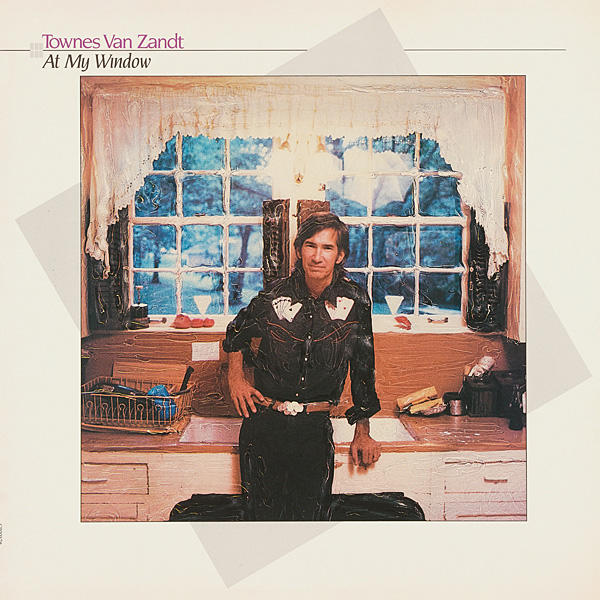
The cover of At My Window features a manipulated Polaroid cover shot, which many have interpreted as a deliberate representation of Van Zandt’s often-fragile mental state. Yet, after several listens, At My Window exhibits the camouflaged strength that underlies Van Zandt’s work. Insecure and attracted to self-destruction and its resulting griefs, he was also a tenacious survivor who understood and appreciated the visionary songwriting genius that was uniquely his.

Posted in Uncategorized