Author Archives: Steve Withers

Sony VPL-XW5000ES 4K laser projector evaluate

hcchighreccomendSony’s PJ line kicks off with this native 4K laser mannequin. Steve Withers stacks it up in opposition to the competitors

Sony has dumped inefficient lamps and gone all-in on lasers for its projector lineup, with no fewer than 5 native 4K fashions utilizing amplified mild photons to generate their photographs. The high mannequin – the VPL-GTZ380 – is a beast of a beamer that may generate a blinding 10,000 Lumens, however comes with an equally painful price ticket of eighty grand. Naturally, the vast majority of house cinema house owners will take a look at the opposite 4.

The VPL-VW5000ES nonetheless claims a powerful 5,000 Lumens and sells for £49,999, whereas the VPL-VW890ES manages 2,200 Lumens, and is ‘solely’ £24,999. Both these fashions are from earlier generations, although – new this 12 months are the VPL-XW7000ES, with a rated 3,200 Lumens brightness and £14,999 price ticket, and the entry-level VPL-XW5000ES, which is usually recommended can ship 2,000 Lumens, and prices a extra cheap £5,999. It’s this mannequin that’s on take a look at, and one which replaces the outgoing lamp-based VPL-VW290ES as its ‘entry-level’ beamer.

High-end house cinema
No one, other than possibly Elon Musk, is saying six grand is spare change. But when you think about the XW5000ES is a local 4K laser PJ, and its nearest competitor – JVC’s DLA-NZ7 – is sort of twice the worth, it begins to look ‘reasonably priced’. At the identical time, Sony projectors, and people of JVC, are the area of the well-heeled house cinema fanatic lately – each manufacturers have lengthy ceded the lower-end of the market to the likes of BenQ and Optoma.

To attain this new worth level for considered one of its laser fashions Sony has sacrificed just a few options. Zoom, shift and focus lens controls are all guide, so in the event you’ve obtained your coronary heart set on a 2.35:1 display this isn’t the beamer for you. The XW5000ES additionally drops 3D assist, and as this stays widespread with projector house owners, the omission might be a deal-breaker. More stunning, although, is the absence of HDMI 2.1 inputs, and thus no assist for HDR10+ or 4K/120p playback for high-frame-rate gaming. This limitation not solely places the XW5000ES at an obstacle to the pricier JVC projector, but additionally the cheaper Epson EH-LS12000B), which incorporates motorised lens controls and recollections for ‘Scope screens as properly.
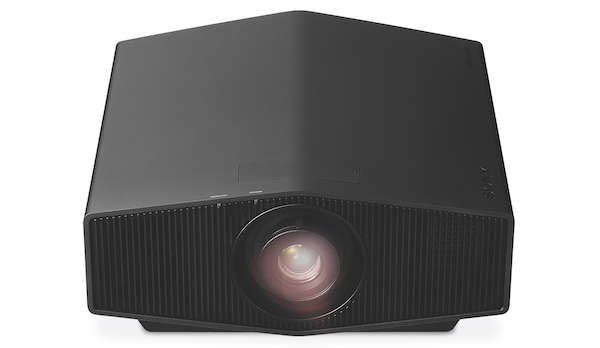
sony_pro_xw5000es_top

Sony’s XW5000ES
is round 30 per cent smaller and 35 per cent lighter than the sooner VW790ES

Native attraction
Of course, Epson’s mannequin does not ship a local 4K picture, whereas Sony right here makes use of a brand new 0.61in SXRD panel which might obtain a local decision of three.840 x 2,160 pixels with out resorting to flashing or pixel-shifting trickery. Previous Sony projectors used the bigger 4,096 x 2,160 panel discovered within the model’s skilled items – the decreased measurement leads to a extra compact chassis.

The design is much like earlier generations, with an angular form, central lens, air consumption grilles on the entrance, and exhaust vents on the rear harking back to the discontinued VPL-VW790ES. Thankfully, Sony has crammed within the hole across the lens that made the VW790ES appear to be it was lacking a bit of the entrance panel. There’s additionally a alternative of finishes between matte black and a extra residing room-friendly matte white.

Connections are positioned alongside the left-hand-side as you face the lens, and right here you’ll discover two HDMI 2.0 inputs, a USB port for energy, a 12V set off, an IR enter, and an RS-232 connector for serial management. The XW5000ES additionally helps management programs from Control4, Crestron, Savant, and AMX, which explains the recognition of Sony projectors with customized installers.

The distant – Sony’s normal PJ zapper – is pretty giant, features a backlight, and has all of the buttons you’ll must function the XW5000ES. Yet the guide lens controls are quite clumsy, making setup trickier than it must be.
The XW5000ES’ s 1.38:1 to 2.21:1 throw ratio with 1.6x zoom is much less beneficiant than some comparable projectors.

In phrases of specs, the unit helps resolutions as much as 4K/60p, and excessive dynamic vary in HDR10 and HLG guise. Sony additionally claims the mix of latest Wide Dynamic Range optics and its Triluminos Pro color algorithm can ship 95 per cent of DCI-P3, however in my testing it solely achieved a most protection of 83 per cent. The claimed 2,000 Lumens output is on the cash, though to maximise mild output you’ll want to maneuver the laser management to its highest setting. Thankfully, doing so doesn’t considerably improve fan noise, which stays at round 30dB.

A rated distinction ratio of ‘infinity to at least one’ is considerably deceptive given this will solely be achieved on a black display with the laser turned off, however Sony is not the one model to drag this advertising and marketing sleight of hand. Native distinction is nearer to twenty,000:1 based mostly on my measurements, which is best than Epson’s EH-LS12000B
however half that of JVC’s DLA-NZ7. In different phrases, what I’d count on given
the worth level.
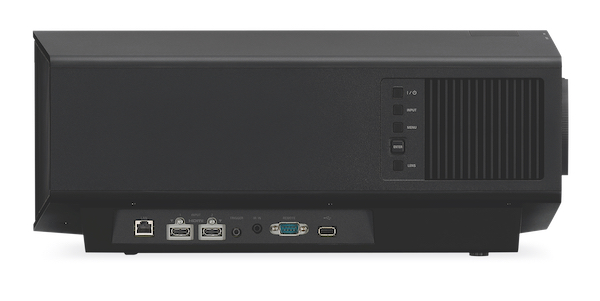
sony_pro_xw5000es_side

The PJ has twin HDMI inputs, however neither deal with HDR10+ or 4K/120

Also as anticipated, Sony lays on a bunch of cutting-edge imaging applied sciences based mostly across the X1 Ultimate for Projector processor first launched on the GTZ380. There’s Motionflow for ironing out any judder and Reality Creation to sharpen upscaled HD and native 4K content material. There’s additionally Sony’s Dynamic HDR Enhancer, however extra on that later.

Vision of the long run
The XW5000ES wows instantly with its vibrant and detailed efficiency, though it isn’t fairly as sharp
as earlier Sony 4K projectors. Since the lens seems to be the identical, that is possible because of the smaller SXRD panels used. However, upscaling is high notch, whereas Reality Creation brings out improved textures and better ranges of element, no matter supply.

Watching David Cronenberg’s new Crimes of the Future on Blu-ray (US import) reveals a properly rendered upscaled picture that shows all of the finery of the movie’s dilapidated imaginative and prescient of a crumbling society. Sony’s processing is so efficient that it nearly appears to be like like native 4K, however sadly additionally reveals the constraints of the movie’s meagre funds CGI!

If there’s one space the place Sony projectors are notably sturdy, it’s movement. True Cinema doubles the body charge to clean out annoying judder with out introducing critical artefacts. The scene in Lucy (4K BD) the place the title character lastly begins to entry the total potential of her unlocked mind includes the digicam whirling round
her, and all this movement is dealt with by the XW5000ES with outstanding talent.

The projector proves a succesful performer with HDR content material however, as is commonly the case, a level of optimisation
is important. Whether it’s SDR or HDR, the Reference image setting will get you closest to business requirements, and the fundamental tone mapping tracks the PQ goal carefully. However, it does lack a level of ‘pop’, which brings us neatly to Sony’s Dynamic HDR Enhancer.

The inherent brightness limitations of any projector make delivering HDR difficult, and a level of picture manipulation essential. Sony’s HDR processing modifications the distinction and laser brightness relying on the general content material, however will not be dynamically adjusting tone mapping on a frame-by-frame foundation. As a consequence, Sony’s strategy
to tone mapping is blunter and fewer refined than that of JVC’s latest DLA units.

Having stated that, it will get outcomes. Viewing The Revenant (4K BD) with the Dynamic HDR Enhancer engaged reveals a strikingly detailed and impactful picture, with a lovely depth to the white, snow-covered landscapes. You can nearly really feel your self squinting as daylight displays off icy lakes. The greater setting you select for Dynamic HDR Enhancer, the better the impact – however watch out of clipping the brightest whites.

Despite not reaching the total DCI-P3 gamut, the XW5000ES manages to ship photos with loads of color saturation and nuanced shades. The Greatest Showman (4K Blu-ray) sports activities an opulent palette that the projector dives proper into. Once once more, the HDR processing additionally offers the picture a dynamic push.

Where this Sony projector does barely falter is with darker scenes, revealing blacks that lack actual depth. More considerably, the Dynamic HDR Enhancer usually sacrifices shadow particulars in pursuit of brighter specular highlights
– in an try to spice up the brighter components of a picture,
the darker components seem compressed compared.

This is especially apparent in the course of the nighttime sequence in 1917 (4K BD) the place the display begins utterly black earlier than steadily revealing extra particulars within the picture. The XW5000ES struggles to accurately reproduce this scene, burying vital particulars in murky shadows. Turning off the HDR Enhancer helps to a level, however I’ve seen this troublesome sequence dealt with higher.

It’s an actual disgrace that Sony has determined to not embody 4K/120p assist, as a result of in all different respects this new laser-based mannequin is a superb alternative for players. Bright photographs, saturated colors, and superior movement create a wonderful gaming expertise. It’s responsive too, with an enter lag that’s extremely low for a projector, hitting 20ms with 4K/60p and 12ms with 2K/120p.

Motion slickness
Overall, the XW5000ES is a powerful addition to Sony’s lineup, providing vibrant and dynamic native 4K photos that profit from some succesful (however not best-in-breed) HDR tone mapping. The model’s state-of-the-art picture processing upscales decrease resolutions with panache, and Reality Creation sharpens objects with out introducing apparent artefacts. The movement dealing with can also be class-leading, and whereas black degree efficiency is outgunned
by rival JVC fashions specifically, it is nonetheless good.

The lack of 3D playback and HDMI 2.1 connectivity will disappoint some, however Sony’s considerably stripped-back characteristic set has enabled it to hit a worth level that will have as soon as solely obtained you considered one of its lamp-based beamers.
If you wish to benefit from the full advantages of native 4K and a laser mild supply, the XW5000ES is the primary place to look.


HCC Verdict: 4.5/5


Sony VPL-XW5000ES

Price: £5,999

www.sony.co.uk


We say: This native 4K projector cuts just a few corners to hit its price-point, however spectacular HDR supply and Sony’s all-round imaging wizardry pay dividends.


Specifications

3D: No 4K: No. 3,840 x 2,160 HDR: Yes. HDR10; HLG CONNECTIONS: 2 x HDMI inputs; Ethernet port; USB port; 12V set off; IR enter; RS-232C BRIGHTNESS (CLAIMED): 2,000 Lumens CONTRAST (claimed): ‘Infinity to 1’ (dynamic distinction) ZOOM: 1.6x DIMENSIONS: 460(w) x 200(h) x 472(d)mm WEIGHT: 13kg


FEATURES: SXRD projector expertise; laser phosphor mild supply; claimed common lifetime of 20,000 hours; 24dB claimed fan noise; Wide Dynamic Range Optics; X1 Ultimate for Projector processor; Motionflow; Reality Creation; Object-based HDR Remaster; Dynamic HDR Enhancer; Input Lag Reduction; 1.38-2.21:1 throw ratio; guide lens controls for zoom, shift and focus; IMAX Enhanced; Control4, Crestron, Savant and AMX assist

Sony VPL-XW5000ES 4K laser projector evaluate

hcchighreccomendSony’s PJ line kicks off with this native 4K laser mannequin. Steve Withers stacks it up in opposition to the competitors

Sony has dumped inefficient lamps and gone all-in on lasers for its projector lineup, with no fewer than 5 native 4K fashions utilizing amplified mild photons to generate their photos. The high mannequin – the VPL-GTZ380 – is a beast of a beamer that may generate a blinding 10,000 Lumens, however comes with an equally painful price ticket of eighty grand. Naturally, the vast majority of house cinema homeowners will have a look at the opposite 4.

The VPL-VW5000ES nonetheless claims a powerful 5,000 Lumens and sells for £49,999, whereas the VPL-VW890ES manages 2,200 Lumens, and is ‘solely’ £24,999. Both these fashions are from earlier generations, although – new this yr are the VPL-XW7000ES, with a rated 3,200 Lumens brightness and £14,999 price ticket, and the entry-level VPL-XW5000ES, which is usually recommended can ship 2,000 Lumens, and prices a extra affordable £5,999. It’s this mannequin that’s on take a look at, and one which replaces the outgoing lamp-based VPL-VW290ES as its ‘entry-level’ beamer.

High-end house cinema
No one, aside from perhaps Elon Musk, is saying six grand is spare change. But when you think about the XW5000ES is a local 4K laser PJ, and its nearest competitor – JVC’s DLA-NZ7 – is nearly twice the worth, it begins to look ‘reasonably priced’. At the identical time, Sony projectors, and people of JVC, are the area of the well-heeled house cinema fanatic nowadays – each manufacturers have lengthy ceded the lower-end of the market to the likes of BenQ and Optoma.

To attain this new worth level for one in every of its laser fashions Sony has sacrificed just a few options. Zoom, shift and focus lens controls are all guide, so for those who’ve acquired your coronary heart set on a 2.35:1 display screen this isn’t the beamer for you. The XW5000ES additionally drops 3D help, and as this stays well-liked with projector homeowners, the omission could possibly be a deal-breaker. More stunning, although, is the absence of HDMI 2.1 inputs, and thus no help for HDR10+ or 4K/120p playback for high-frame-rate gaming. This limitation not solely places the XW5000ES at an obstacle to the pricier JVC projector, but in addition the cheaper Epson EH-LS12000B), which incorporates motorised lens controls and reminiscences for ‘Scope screens as properly.

sony_pro_xw5000es_top

Sony’s XW5000ES
is round 30 per cent smaller and 35 per cent lighter than the sooner VW790ES

Native attraction
Of course, Epson’s mannequin would not ship a local 4K picture, whereas Sony right here makes use of a brand new 0.61in SXRD panel which might obtain a local decision of three.840 x 2,160 pixels with out resorting to flashing or pixel-shifting trickery. Previous Sony projectors used the bigger 4,096 x 2,160 panel discovered within the model’s skilled models – the lowered dimension ends in a extra compact chassis.

The design is much like earlier generations, with an angular form, central lens, air consumption grilles on the entrance, and exhaust vents on the rear harking back to the discontinued VPL-VW790ES. Thankfully, Sony has stuffed within the hole across the lens that made the VW790ES appear like it was lacking a bit of the entrance panel. There’s additionally a alternative of finishes between matte black and a extra residing room-friendly matte white.

Connections are situated alongside the left-hand-side as you face the lens, and right here you’ll discover two HDMI 2.0 inputs, a USB port for energy, a 12V set off, an IR enter, and an RS-232 connector for serial management. The XW5000ES additionally helps management methods from Control4, Crestron, Savant, and AMX, which explains the recognition of Sony projectors with customized installers.

The distant – Sony’s customary PJ zapper – is pretty giant, features a backlight, and has all of the buttons you’ll must function the XW5000ES. Yet the guide lens controls are moderately clumsy, making setup trickier than it must be.
The XW5000ES’ s 1.38:1 to 2.21:1 throw ratio with 1.6x zoom is much less beneficiant than some comparable projectors.

In phrases of specs, the unit helps resolutions as much as 4K/60p, and excessive dynamic vary in HDR10 and HLG guise. Sony additionally claims the mixture of latest Wide Dynamic Range optics and its Triluminos Pro color algorithm can ship 95 per cent of DCI-P3, however in my testing it solely achieved a most protection of 83 per cent. The claimed 2,000 Lumens output is on the cash, though to maximise mild output you’ll want to maneuver the laser management to its highest setting. Thankfully, doing so doesn’t considerably enhance fan noise, which stays at round 30dB.

A rated distinction ratio of ‘infinity to 1’ is considerably deceptive given this may solely be achieved on a black display screen with the laser turned off, however Sony is not the one model to drag this advertising and marketing sleight of hand. Native distinction is nearer to twenty,000:1 primarily based on my measurements, which is best than Epson’s EH-LS12000B
however half that of JVC’s DLA-NZ7. In different phrases, what I’d anticipate given
the worth level.

sony_pro_xw5000es_side

The PJ has twin HDMI inputs, however neither deal with HDR10+ or 4K/120

Also as anticipated, Sony lays on a number of cutting-edge imaging applied sciences primarily based across the X1 Ultimate for Projector processor first launched on the GTZ380. There’s Motionflow for ironing out any judder and Reality Creation to sharpen upscaled HD and native 4K content material. There’s additionally Sony’s Dynamic HDR Enhancer, however extra on that later.

Vision of the long run
The XW5000ES wows instantly with its shiny and detailed efficiency, though it isn’t fairly as sharp
as earlier Sony 4K projectors. Since the lens seems to be the identical, that is probably as a result of smaller SXRD panels used. However, upscaling is high notch, whereas Reality Creation brings out improved textures and higher ranges of element, no matter supply.

Watching David Cronenberg’s new Crimes of the Future on Blu-ray (US import) reveals a properly rendered upscaled picture that shows all of the finery of the movie’s dilapidated imaginative and prescient of a crumbling society. Sony’s processing is so efficient that it nearly seems to be like native 4K, however sadly additionally reveals the constraints of the movie’s meagre finances CGI!

If there’s one space the place Sony projectors are notably robust, it’s movement. True Cinema doubles the body fee to easy out annoying judder with out introducing severe artefacts. The scene in Lucy (4K BD) the place the title character lastly begins to entry the total potential of her unlocked mind includes the digital camera whirling round
her, and all this movement is dealt with by the XW5000ES with outstanding ability.

The projector proves a succesful performer with HDR content material however, as is usually the case, a level of optimisation
is important. Whether it’s SDR or HDR, the Reference image setting will get you closest to trade requirements, and the essential tone mapping tracks the PQ goal intently. However, it does lack a level of ‘pop’, which brings us neatly to Sony’s Dynamic HDR Enhancer.

The inherent brightness limitations of any projector make delivering HDR difficult, and a level of picture manipulation crucial. Sony’s HDR processing modifications the distinction and laser brightness relying on the general content material, however shouldn’t be dynamically adjusting tone mapping on a frame-by-frame foundation. As a end result, Sony’s strategy
to tone mapping is blunter and fewer subtle than that of JVC’s latest DLA units.

Having stated that, it will get outcomes. Viewing The Revenant (4K BD) with the Dynamic HDR Enhancer engaged reveals a strikingly detailed and impactful picture, with a lovely depth to the white, snow-covered landscapes. You can nearly really feel your self squinting as daylight displays off icy lakes. The larger setting you select for Dynamic HDR Enhancer, the higher the impact – however watch out of clipping the brightest whites.

Despite not reaching the total DCI-P3 gamut, the XW5000ES manages to ship footage with loads of color saturation and nuanced shades. The Greatest Showman (4K Blu-ray) sports activities an opulent palette that the projector dives proper into. Once once more, the HDR processing additionally offers the picture a dynamic push.

Where this Sony projector does barely falter is with darker scenes, revealing blacks that lack actual depth. More considerably, the Dynamic HDR Enhancer typically sacrifices shadow particulars in pursuit of brighter specular highlights
– in an try to spice up the brighter components of a picture,
the darker components seem compressed compared.

This is especially apparent in the course of the nighttime sequence in 1917 (4K BD) the place the display screen begins utterly black earlier than progressively revealing extra particulars within the picture. The XW5000ES struggles to appropriately reproduce this scene, burying vital particulars in murky shadows. Turning off the HDR Enhancer helps to a level, however I’ve seen this tough sequence dealt with higher.

It’s an actual disgrace that Sony has determined to not embrace 4K/120p help, as a result of in all different respects this new laser-based mannequin is a wonderful alternative for avid gamers. Bright photos, saturated colors, and superior movement create a superb gaming expertise. It’s responsive too, with an enter lag that’s extremely low for a projector, hitting 20ms with 4K/60p and 12ms with 2K/120p.

Motion slickness
Overall, the XW5000ES is a powerful addition to Sony’s lineup, providing shiny and dynamic native 4K footage that profit from some succesful (however not best-in-breed) HDR tone mapping. The model’s state-of-the-art picture processing upscales decrease resolutions with panache, and Reality Creation sharpens objects with out introducing apparent artefacts. The movement dealing with can be class-leading, and whereas black degree efficiency is outgunned
by rival JVC fashions particularly, it is nonetheless good.

The lack of 3D playback and HDMI 2.1 connectivity will disappoint some, however Sony’s considerably stripped-back function set has enabled it to hit a worth level that will have as soon as solely acquired you one in every of its lamp-based beamers.
If you need to benefit from the full advantages of native 4K and a laser mild supply, the XW5000ES is the primary place to look.


HCC Verdict: 4.5/5


Sony VPL-XW5000ES

Price: £5,999

www.sony.co.uk


We say: This native 4K projector cuts just a few corners to hit its price-point, however spectacular HDR supply and Sony’s all-round imaging wizardry pay dividends.


Specifications

3D: No 4K: No. 3,840 x 2,160 HDR: Yes. HDR10; HLG CONNECTIONS: 2 x HDMI inputs; Ethernet port; USB port; 12V set off; IR enter; RS-232C BRIGHTNESS (CLAIMED): 2,000 Lumens CONTRAST (claimed): ‘Infinity to 1’ (dynamic distinction) ZOOM: 1.6x DIMENSIONS: 460(w) x 200(h) x 472(d)mm WEIGHT: 13kg


FEATURES: SXRD projector expertise; laser phosphor mild supply; claimed common lifetime of 20,000 hours; 24dB claimed fan noise; Wide Dynamic Range Optics; X1 Ultimate for Projector processor; Motionflow; Reality Creation; Object-based HDR Remaster; Dynamic HDR Enhancer; Input Lag Reduction; 1.38-2.21:1 throw ratio; guide lens controls for zoom, shift and focus; IMAX Enhanced; Control4, Crestron, Savant and AMX help

Posted in Uncategorized

Anthem MCA 525 Gen 2 energy amplifier evaluate

hcchighreccomendThis high-grade five-channel amplifier tops the Canadian maker’s lineup, and reveals
Steve Withers the true that means of dynamic vary

Anthem’s new lineup of energy amplifiers has been designed to enrich its vary of AVM processors,
with matching livery and sufficient onboard grunt to fill an enormo-dome.

The MCA Gen 2 catalogue gives the two-channel 225 (£2,295), three-channel 325 (£2,795), and five-channel 525 (£3,895) reviewed right here. This Class A/B trio share the identical design and construct, with the one distinction being the variety of channels. All three are additionally expensive contemplating the channel depend, however that shall be much less of a difficulty in the event that they ship when it comes to total efficiency.

Total overhaul
The Canadian model definitely is aware of its bacon with regards to constructing amps, and the MCA Gen 2 represents
a ground-up redesign over the earlier era, with diminished cabling for a smoother circuit path, and new
‘low noise high-power’ toroidal transformers for larger transparency. Anthem has additionally refreshed the output transistors, capacitors, and heatsinks as a part of the improve.

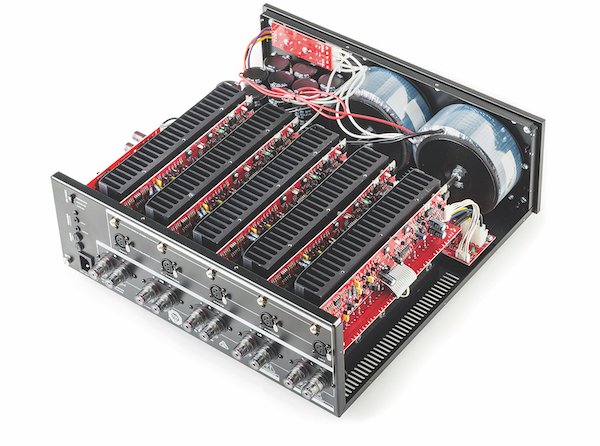
Of specific notice is the facility provide, as a result of whereas some five-channel amplifiers use one for entrance left and proper channels and one other for centre and encompass channels, the MCA 525 Gen 2 shares its two energy provides between all of the channels. Anthem claims this enables the gadget to instantaneously ship bursts of energy with out affecting channel separation.

Look via the grilles on the highest and you will see the 2 toroidal transformers on the entrance, together with the 5 heatsinks, all of which explains why the 525 clocks in at a chunky 27.5kg. This amplifier would possibly weigh sufficient to have been cast within the coronary heart of a neutron star, however there’s one thing pleasing about this degree of construct high quality,
even when there’s additionally a hazard of placing your again out.

If Anthem’s numbers are to be believed, the 525’s Class A/B amps can ship a hefty 225W into 8ohm (400W
into 4ohm) for every channel, even when operating all 5. That’s an eye-opening quantity of energy, and if it could
push that a lot whereas retaining the finesse related to Class A/B we could possibly be on to a winner.

Made to match
Aside from an illuminated energy button and the brand, there’s nothing on the black glass/steel entrance panel,
however this boldly minimalist strategy is meant to dovetail with that of Anthem’s AVM 70 and AVM 90 15-channel AV processors. These, together with Anthem’s vary of MRX AV receivers, have just lately been upgraded with HDMI 2.1 connections.

You’ll in all probability have realised that powering a full 15.1-channel system requires three 525s, which isn’t solely costly but additionally hogs a major quantity of actual property in any tools rack. Rival corporations cram extra juice right into a single chassis, some utilizing much less space-intensive Class know-how, however Anthem prefers a Class A/B strategy. A seven-channel choice would certainly be welcome, although.

At the rear you may discover balanced XLR and unbalanced RCA inputs for every channel, together with customized binding posts which might be bigger to accommodate thicker speaker cable. Inputs and binding posts are sensibly spaced out, and there are 12V triggers (out and in), plus a change to decide on between set off, handbook and auto energy settings.

There’s Advance Load Monitoring (ALM) tech inside (you may see the LEDs via the grille), which analyses the amp’s inside temperature, present and voltage to make sure protected and uninterrupted long-term operation. Anthem additionally claims the power consumption is diminished in standby to round 2W, though any ‘inexperienced’ advantages go proper out the window as quickly as you crank this child up.
Anthem_MCA_525_amp_review_2

Five amplifiers all with side-mounted heatsink, plus twin toroidal transformers

I partnered the MCA 525 with my Trinnov Altitude16 AV processor utilizing XLR connectors, and my traditional M&Okay Sound audio system. The latter aren’t the toughest to drive, however I’d think about the 525 has enough welly to deal with even probably the most demanding of audio system.

A growling success
This Class A/B magnificence has instantly apparent strengths, from an extremely low noise ground to a splendidly beguiling supply that shows all of the delicate particulars in any recording.

Shakespears Sister’s ’90s traditional Hormonally Yours just lately loved its thirtieth anniversary, and whereas that made me really feel depressingly previous, the album itself has misplaced none of its exuberant glam rock appeal. From the bouncy drums and grinding guitars initially of ‘Catwoman’, to the high-pitched supply of Marcy Detroit’s vocals on ‘Stay’, the MCA 525 revels in sublimely detailed stereo imaging. The midrange is nuanced and the treble clear, with each effectively represented by the juxtaposition of Detroit’s falsetto and Siobhan Fahey’s deeper vocal growls.

My traditional amplifier is a Storm Audio PA16 Mk2), a 16-channel Class D design that delivers multichannel and immersive audio with snap and verve. However, the sonic signature may really feel a little bit sterile, and whereas this Anthem mannequin has loads of transient assault, it additionally manages to provide a soundstage with real intimacy. Both amplifiers additionally exhibit
an exciting dynamism, together with oodles of headroom.

The current launch of Heat on 4K Blu-ray retains one
of the nice 5.1 soundmixes, the place dynamic vary is used
to terrific impact, and the 525 units about demonstrating its cinematic prowess. An armoured automotive theft early within the movie features a shaped-charge blast that blows out automotive windshields, and this energy pusher makes you’re feeling the total influence of the increasing sound wave.

Unsurprisingly, it is the road shootout after the financial institution theft that actually reveals what the 525 is able to, with gunfire sounding frighteningly actual. The ballistic crack of every shot is accompanied by echoes from the encompassing buildings, whereas dialogue, footsteps, the cries of bystanders, and the tinkle of shell casings hitting the street all add to a way of veracity.

But its the dynamic vary, the sheer deafening sound
of the gunfire, that makes this sequence so visceral, and the 525’s ample headroom permits it to render the combo’s transients with ability. No matter what calls for have been positioned on this amp, it dealt with them with out ever sounding strained.

More of the identical shock and awe got here with
A Quiet Place: Part
II
(4K BD), with its combine that is all about sudden modifications
in quantity. The opening sequence features a incredible single-take sequence in a automotive that spins chaos from each channel, and
it sounds enveloping right here, high-pitched screams, crunching steel and thumping explosions served with tonality and scale.

But in quieter scenes this amplifier additionally shines, rendering delicate audio cues with a outstanding delicacy, after which having you leap out of your pores and skin when moments of near-silence are shattered by a monster’s screech.

Generational expertise
Overall Anthem’s MCA 525 Gen 2 is a cultured piece of
equipment and a extremely achieved performer. Some would possibly bemoan the restricted variety of channels at this worth,
however no-one can doubt the capabilities. It’s constructed like a tank however drives like a Ferrari, leading to a successful mixture of uncooked energy and sonic finesse.


HCC Verdict: 4.5/5


Anthem MCA 525 Gen 2

Price: £3,895

www.anthemav.com


We say: This Class A/B amplifier is on the expensive aspect contemplating it solely has 5 channels, however you may be mesmerised by the facility, element, dynamic transients, and ample headroom.


Specifications


POWER OUTPUT (CLAIMED): 5 x 225W (8ohm); 5 x 400W (4ohm) CONNECTIONS: 5 x balanced XLR inputs; 5 x RCA phono inputs; 5 x speaker binding posts; 12V enter; 12V output DIMENSIONS: 439(w) x 169(h) x 460(d)mm WEIGHT: 27.5kg


FEATURES: Class A/B amplifier; Advance Load Monitoring (ALM) know-how; 2W claimed standby energy consumption (80W idle); three on modes (set off, handbook and auto); elective rack mounting equipment

Anthem MCA 525 Gen 2 energy amplifier overview

hcchighreccomendThis high-grade five-channel amplifier tops the Canadian maker’s lineup, and exhibits
Steve Withers the true that means of dynamic vary

Anthem’s new lineup of energy amplifiers has been designed to enhance its vary of AVM processors,
with matching livery and sufficient onboard grunt to fill an enormo-dome.

The MCA Gen 2 catalogue presents the two-channel 225 (£2,295), three-channel 325 (£2,795), and five-channel 525 (£3,895) reviewed right here. This Class A/B trio share the identical design and construct, with the one distinction being the variety of channels. All three are additionally dear contemplating the channel depend, however that will likely be much less of a problem in the event that they ship by way of total efficiency.

Total overhaul
The Canadian model definitely is aware of its bacon in the case of constructing amps, and the MCA Gen 2 represents
a ground-up redesign over the earlier era, with diminished cabling for a smoother circuit path, and new
‘low noise high-power’ toroidal transformers for larger transparency. Anthem has additionally refreshed the output transistors, capacitors, and heatsinks as a part of the improve.

Of specific notice is the ability provide, as a result of whereas some five-channel amplifiers use one for entrance left and proper channels and one other for centre and encompass channels, the MCA 525 Gen 2 shares its two energy provides between all of the channels. Anthem claims this permits the system to instantaneously ship bursts of energy with out affecting channel separation.

Look by way of the grilles on the highest and you may see the 2 toroidal transformers on the entrance, together with the 5 heatsinks, all of which explains why the 525 clocks in at a chunky 27.5kg. This amplifier may weigh sufficient to have been solid within the coronary heart of a neutron star, however there’s one thing pleasing about this stage of construct high quality,
even when there’s additionally a hazard of placing your again out.

If Anthem’s numbers are to be believed, the 525’s Class A/B amps can ship a hefty 225W into 8ohm (400W
into 4ohm) for every channel, even when operating all 5. That’s an eye-opening quantity of energy, and if it will possibly
push that a lot whereas retaining the finesse related to Class A/B we may very well be on to a winner.

Made to match
Aside from an illuminated energy button and the brand, there’s nothing on the black glass/steel entrance panel,
however this boldly minimalist strategy is meant to dovetail with that of Anthem’s AVM 70 and AVM 90 15-channel AV processors. These, together with Anthem’s vary of MRX AV receivers, have not too long ago been upgraded with HDMI 2.1 connections.

You’ll in all probability have realised that powering a full 15.1-channel system requires three 525s, which isn’t solely costly but in addition hogs a major quantity of actual property in any tools rack. Rival corporations cram extra juice right into a single chassis, some utilizing much less space-intensive Class know-how, however Anthem prefers a Class A/B strategy. A seven-channel choice would certainly be welcome, although.

At the rear you may discover balanced XLR and unbalanced RCA inputs for every channel, together with customized binding posts which might be bigger to accommodate thicker speaker cable. Inputs and binding posts are sensibly spaced out, and there are 12V triggers (out and in), plus a change to decide on between set off, handbook and auto energy settings.

There’s Advance Load Monitoring (ALM) tech inside (you’ll be able to see the LEDs by way of the grille), which analyses the amp’s inside temperature, present and voltage to make sure protected and uninterrupted long-term operation. Anthem additionally claims the vitality consumption is diminished in standby to round 2W, though any ‘inexperienced’ advantages go proper out the window as quickly as you crank this child up.
Anthem_MCA_525_amp_review_2

Five amplifiers all with side-mounted heatsink, plus twin toroidal transformers

I partnered the MCA 525 with my Trinnov Altitude16 AV processor utilizing XLR connectors, and my traditional M&Okay Sound audio system. The latter aren’t the toughest to drive, however I’d think about the 525 has adequate welly to deal with even probably the most demanding of audio system.

A growling success
This Class A/B magnificence has instantly apparent strengths, from an extremely low noise flooring to a splendidly beguiling supply that shows all of the refined particulars in any recording.

Shakespears Sister’s ’90s basic Hormonally Yours not too long ago loved its thirtieth anniversary, and whereas that made me really feel depressingly outdated, the album itself has misplaced none of its exuberant glam rock appeal. From the bouncy drums and grinding guitars at the beginning of ‘Catwoman’, to the high-pitched supply of Marcy Detroit’s vocals on ‘Stay’, the MCA 525 revels in sublimely detailed stereo imaging. The midrange is nuanced and the treble clear, with each nicely represented by the juxtaposition of Detroit’s falsetto and Siobhan Fahey’s deeper vocal growls.

My traditional amplifier is a Storm Audio PA16 Mk2), a 16-channel Class D design that delivers multichannel and immersive audio with snap and verve. However, the sonic signature can even really feel just a little sterile, and whereas this Anthem mannequin has loads of transient assault, it additionally manages to supply a soundstage with real intimacy. Both amplifiers additionally show
an exhilarating dynamism, together with oodles of headroom.

The current launch of Heat on 4K Blu-ray retains one
of the nice 5.1 soundmixes, the place dynamic vary is used
to terrific impact, and the 525 units about demonstrating its cinematic prowess. An armoured automotive theft early within the movie features a shaped-charge blast that blows out automotive windshields, and this energy pusher makes you’re feeling the total influence of the increasing sound wave.

Unsurprisingly, it is the road shootout after the financial institution theft that basically exhibits what the 525 is able to, with gunfire sounding frighteningly actual. The ballistic crack of every shot is accompanied by echoes from the encompassing buildings, whereas dialogue, footsteps, the cries of bystanders, and the tinkle of shell casings hitting the highway all add to a way of veracity.

But its the dynamic vary, the sheer deafening sound
of the gunfire, that makes this sequence so visceral, and the 525’s ample headroom permits it to render the combo’s transients with ability. No matter what calls for have been positioned on this amp, it dealt with them with out ever sounding strained.

More of the identical shock and awe got here with
A Quiet Place: Part
II
(4K BD), with its combine that is all about sudden adjustments
in quantity. The opening sequence features a unbelievable single-take sequence in a automotive that spins chaos from each channel, and
it sounds enveloping right here, high-pitched screams, crunching steel and thumping explosions served with tonality and scale.

But in quieter scenes this amplifier additionally shines, rendering refined audio cues with a exceptional delicacy, after which having you soar out of your pores and skin when moments of near-silence are shattered by a monster’s screech.

Generational expertise
Overall Anthem’s MCA 525 Gen 2 is a cultured piece of
equipment and a extremely completed performer. Some may bemoan the restricted variety of channels at this value,
however no-one can doubt the capabilities. It’s constructed like a tank however drives like a Ferrari, leading to a successful mixture of uncooked energy and sonic finesse.


HCC Verdict: 4.5/5


Anthem MCA 525 Gen 2

Price: £3,895

www.anthemav.com


We say: This Class A/B amplifier is on the dear facet contemplating it solely has 5 channels, however you may be mesmerised by the ability, element, dynamic transients, and ample headroom.


Specifications


POWER OUTPUT (CLAIMED): 5 x 225W (8ohm); 5 x 400W (4ohm) CONNECTIONS: 5 x balanced XLR inputs; 5 x RCA phono inputs; 5 x speaker binding posts; 12V enter; 12V output DIMENSIONS: 439(w) x 169(h) x 460(d)mm WEIGHT: 27.5kg


FEATURES: Class A/B amplifier; Advance Load Monitoring (ALM) know-how; 2W claimed standby energy consumption (80W idle); three on modes (set off, handbook and auto); non-compulsory rack mounting equipment

Posted in Uncategorized

JBL Stage Series 5.1 system evaluation

JBL brings some bigscreen know-how to a variety of inexpensive dwelling cinema audio system, says Steve Withers

If you’ve got been in a business cinema, the probabilities are sooner or later the sound you heard was reproduced by JBL audio system. The firm has been synonymous with movie audio since Al Jolson warbled in The Jazz Singer, and founder James B. Lansing was among the many pioneers who helped usher within the period of the ‘talkies’.

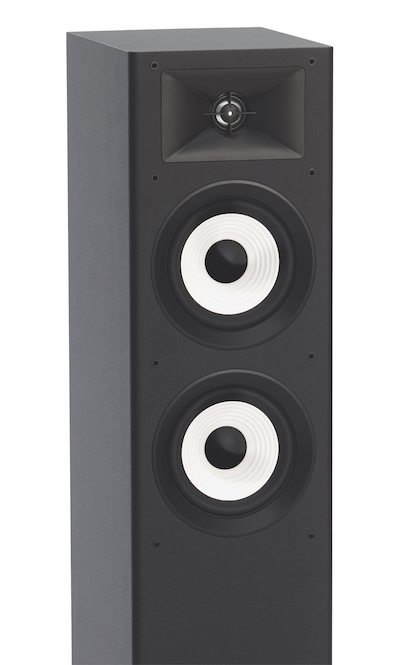
After almost a century within the speaker enterprise, there’s one thing else JBL is usually related to – horn-loaded compression drivers. All the model’s premium loudspeakers use a variation on this method, from the gargantuan flagship Summit collection with horn-loaded mid and tweeters, right down to its extra domestically pleasant HDI and Studio 6 Series the place JBL’s High-Definition Imaging (HDI) waveguide know-how graces the high-frequency drivers.

The Stage Series sees JBL bringing its HDI know-how right down to an inexpensive entry-level vary. All seven passive fashions use a 1in aluminium dome tweeter paired with 
an acoustic lens and HDI waveguide for, it is claimed, 
a smoother high-frequency response and improved directivity. Mid-range and decrease frequencies are dealt with 
by polycellulose ribbed drivers, with a white cone end meant to echo earlier JBL designs.

Right heading in the right direction
The lineup is headed by the A190, adopted by two different floorstanders: the midrange A180 and the extra compact A170. There are two bookshelf audio system, the A130 and A120, together with a pair of devoted centre audio system (A135C and A125C). Finally there is a pair of Stage Series energetic subwoofers: the 12in A120P and the 10in A100P.

There are a few apparent omissions for a variety aimed primarily on the dwelling cinema market: there is not any devoted encompass speaker, and extra surprisingly there is not any upfiring driver for object-based sound codecs. The lack of the previous is much less of a problem in as of late of discrete audio, however the latter omission places the Stage Series at 
an obstacle in comparison with the competitors.


JBL_Stage_Series__3_review

The tweeter of the passive fashions is
a 1in aluminium dome mounted in JBL’s High-Definition Imaging (HDI) waveguide

The 5.1 set auditioned right here options the £559-per-pair A170 floorstander for entrance left and proper, plus the £279 A125C centre, A130 bookshelf audio system for encompass channels (£229p/p), and the A100P subwoofer (£319). Based on these costs, the Stage Series definitely hits the ‘inexpensive’ goal, but the development and end of those audio system undoubtedly belies that standing. JBL’s merely crafted however inert cupboards are available in a selection of matte black or wooden finishes. Drivers are coated by black material grilles that connect through studs, and – given the white cones – you may wish to maintain the grilles on in a darkened room.

The A170 floorstander is a 2.5-way design with twin 5.25in woofers, one reaching as much as a 2.8kHz crossover, the opposite filtered at 1.8kHz. It has two bass ports on the rear, plus twin binding posts for bi-wiring, and its outriggers 
will be fitted with a selection of spikes or rubber ft. The A130 is a two-way, with a 5.25in bass/mid woofer, twin binding posts and a single bass port. The sealed A125C centre can be a two-way design, however doubles up on the 5.25in bass/mid models.

The A100P subwoofer incorporates a 10in polycellulose driver, powered by a Class D amp rated 150W (300W peak). The bass-reflex design makes use of twin ports, for a claimed frequency response of 35Hz-150Hz. The end mirrors the remainder of the system, and setup is equally easy with a single RCA enter for LFE, and fundamental stage, crossover and section controls, plus an auto energy function.

With the audio system and subwoofer in a normal 5.1-channel configuration, and the encompass mixes of the latest David Bowie boxset A Divine Symmetry (CD/BD) readily available, these Stage fashions lived as much as the title. During ‘Life on Mars’ they created a balanced soundstage that evenly unfold devices across the room. Bowie’s vocals and Mike Garson’s stunning piano have been delivered with explicit projection, whereas Mick Ronson’s guitar and 
string preparations added some scale to proceedings.

The use of similar tweeters and bass/mid drivers 
in all of the enclosures provides to this sense of tonal cohesion, During the scene in Spider-Man: Far from Home (4K Blu-ray) the place Mysterio taunts Peter, his voice was 
steered successfully across the room, though the totally different orientation of the A125C centre in comparison with the A170s was noticeable.

Precision time
The 4K Blu-ray launch of Edge of Tomorrow has a brand new Dolby Atmos combine, and right here the dearth of any upfiring choice 
is felt. However, the observe nonetheless contains some energetic encompass steering and a thunderous LFE channel, which 
the Stage system dealt with with admirable ability. The floorstanders and bookshelves produced a strong bass basis, earlier than handing off to A100P sub. This – naturally, given its value and spec – lacks the subterranean depth to do full justice to the movie’s insane quantities 
of infra-sonics, but it surely built-in sweetly with the broader system for a easy, managed bass response. And the dual-woofer centre additionally performed its half, anchoring the sound between the entrance left and proper channels with 
a wonderful midrange that dug into dialogue.


JBL_Stage_Series__2_review

The A130 is the bigger of two Stage Series bookshelf audio system, and makes use of a 5.25in bass/mid driver

Where the Stage Series actually impresses, although, is by way of its precision and directivity. This 5.1 set precisely positioned sound results across the room throughout the oft-repeated seashore assault of Edge of Tomorrow. This sequence has a posh sound design (with fizzing rockets and explosions peppering the bottom), but it surely 
did not really feel muddied. Also, whereas there was loads of readability to discern, there’s was an all-important fun-factor to 
the Stage’s supply.

JBL’s audio system provide a sophistication you do not often count on from an ‘inexpensive’ mannequin, and ship loads of dynamics and tonal constancy. The entrance floorstanders add width, and there is a nuance to the general sound that comes from a clear treble and uncongested midrange. Transients generally lack the crispness of costlier audio system, however the system delivers an articulate and sometimes blockbusting efficiency. Brad Pitt actioner Bullet Train (4K BD) introduced all these strengths collectively, permitting the Stage Series to faucet into its bigscreen DNA and strut its stuff. It punched effectively above its weight with an aggressive high-end, strong midrange, and well-defined lows. Like the movie, it was thrilling stuff.

Budget brilliance

Overall, JBL’s Stage Series is an outstanding entry-level proposition. There’s an power to the efficiency that sounds cinematic, even whereas the supply is effectively centered and deep bass properly built-in. Build high quality is spectacular for the value level, too, making this 5.1 pack ideally suited for anybody seeking to construct a high-class soundstage on a finances.


HCC Verdict: 5/5


JBL Stage Series 5.1

Price: £1,386

uk.jbl.com


We say: JBL’s pedigree shines by way of in these inexpensive, however well-made audio system. No Dolby Atmos upfiring choice looks like a missed alternative, however the Stage sounds exact, detailed and thrilling.


Specifications


Stage A170
DRIVERS: 1 x 1in aluminium tweeter; 1 x 5.25in polycellulose woofer; 1 x 5.25in polycellulose bass/mid ENCLOSURE: Rear-ported bass reflex FREQUENCY RESPONSE (CLAIMED): 44Hz-40kHz SENSITIVITY (claimed): 89dB IMPEDANCE (claimed): 6ohm (nominal) POWER HANDLING (claimed): 200W DIMENSIONS: 190(w) x 930(h) x 255(d)mm WEIGHT: 14.34kg


Stage A125C
DRIVERS: 1 x 1in aluminium tweeter; 2 x 5.25in polycellulose bass/mid ENCLOSURE: Sealed FREQUENCY RESPONSE (CLAIMED): 75Hz-40kHz SENSITIVITY (claimed): 88dB IMPEDANCE (claimed): 6ohm (nominal) POWER HANDLING (claimed): 150W DIMENSIONS: 469(w) x 190(h) x 220(d)mm WEIGHT: 7.95kg


Stage A130
DRIVERS: 1 x 1in aluminium tweeter; 1 x 5.25in polycellulose bass/mid ENCLOSURE: Rear-ported bass reflex FREQUENCY RESPONSE (CLAIMED): 755Hz-40kHz SENSITIVITY (claimed): 86dB IMPEDANCE (claimed): 6ohm (nominal) POWER HANDLING (claimed): 100W DIMENSIONS: 190(w) x 321(h) x 230(d)mm WEIGHT: 5.45kg

Stage A100P (subwoofer)
DRIVERS: 1 x 10in polycellulose woofer ONBOARD POWER (CLAIMED): 150W ENCLOSURE: Rear-ported FREQUENCY RESPONSE (CLAIMED): 35-150Hz REMOTE CONTROL: No DIMENSIONS: 335(w) x 340(h) x 380(d)mm WEIGHT: 13.63kg FEATURES: RCA line-level LFE enter; stage management; 50-150Hz crossover; 180-degree section swap; auto energy

JBL Stage Series 5.1 system overview

JBL brings some bigscreen know-how to a variety of inexpensive dwelling cinema audio system, says Steve Withers


If you have been in a industrial cinema, the possibilities are sooner or later the sound you heard was reproduced by JBL audio system. The firm has been synonymous with movie audio since Al Jolson warbled in The Jazz Singer, and founder James B. Lansing was among the many pioneers who helped usher within the period of the ‘talkies’.

After practically a century within the speaker enterprise, there’s one thing else JBL is commonly related to – horn-loaded compression drivers. All the model’s premium loudspeakers use a variation on this strategy, from the gargantuan flagship Summit collection with horn-loaded mid and tweeters, right down to its extra domestically pleasant HDI and Studio 6 Series the place JBL’s High-Definition Imaging (HDI) waveguide expertise graces the high-frequency drivers.

The Stage Series sees JBL bringing its HDI expertise right down to an inexpensive entry-level vary. All seven passive fashions use a 1in aluminium dome tweeter paired with 
an acoustic lens and HDI waveguide for, it is claimed, 
a smoother high-frequency response and improved directivity. Mid-range and decrease frequencies are dealt with 
by polycellulose ribbed drivers, with a white cone end supposed to echo earlier JBL designs.

Right heading in the right direction
The lineup is headed by the A190, adopted by two different floorstanders: the midrange A180 and the extra compact A170. There are two bookshelf audio system, the A130 and A120, together with a pair of devoted centre audio system (A135C and A125C). Finally there is a pair of Stage Series lively subwoofers: the 12in A120P and the 10in A100P.

There are a few apparent omissions for a variety aimed primarily on the dwelling cinema market: there isn’t any devoted encompass speaker, and extra surprisingly there isn’t any upfiring driver for object-based sound codecs. The lack of the previous is much less of a difficulty in lately of discrete audio, however the latter omission places the Stage Series at 
a drawback in comparison with the competitors.


JBL_Stage_Series__3_review

The tweeter of the passive fashions is
a 1in aluminium dome mounted in JBL’s High-Definition Imaging (HDI) waveguide

The 5.1 set auditioned right here options the £559-per-pair A170 floorstander for entrance left and proper, plus the £279 A125C centre, A130 bookshelf audio system for encompass channels (£229p/p), and the A100P subwoofer (£319). Based on these costs, the Stage Series actually hits the ‘inexpensive’ goal, but the development and end of those audio system undoubtedly belies that standing. JBL’s merely crafted however inert cupboards are available a alternative of matte black or wooden finishes. Drivers are coated by black material grilles that connect through studs, and – given the white cones – you may need to hold the grilles on in a darkened room.

The A170 floorstander is a 2.5-way design with twin 5.25in woofers, one reaching as much as a 2.8kHz crossover, the opposite filtered at 1.8kHz. It has two bass ports on the rear, plus twin binding posts for bi-wiring, and its outriggers 
will be fitted with a alternative of spikes or rubber ft. The A130 is a two-way, with a 5.25in bass/mid woofer, twin binding posts and a single bass port. The sealed A125C centre can be a two-way design, however doubles up on the 5.25in bass/mid items.

The A100P subwoofer encompasses a 10in polycellulose driver, powered by a Class D amp rated 150W (300W peak). The bass-reflex design makes use of twin ports, for a claimed frequency response of 35Hz-150Hz. The end mirrors the remainder of the system, and setup is equally easy with a single RCA enter for LFE, and primary degree, crossover and section controls, plus an auto energy characteristic.

With the audio system and subwoofer in an ordinary 5.1-channel configuration, and the encompass mixes of the latest David Bowie boxset A Divine Symmetry (CD/BD) readily available, these Stage fashions lived as much as the title. During ‘Life on Mars’ they created a balanced soundstage that evenly unfold devices across the room. Bowie’s vocals and Mike Garson’s stunning piano have been delivered with specific projection, whereas Mick Ronson’s guitar and 
string preparations added some scale to proceedings.

The use of similar tweeters and bass/mid drivers 
in all of the enclosures provides to this sense of tonal cohesion, During the scene in Spider-Man: Far from Home (4K Blu-ray) the place Mysterio taunts Peter, his voice was 
steered successfully across the room, though the totally different orientation of the A125C centre in comparison with the A170s was noticeable.

Precision time
The 4K Blu-ray launch of Edge of Tomorrow has a brand new Dolby Atmos combine, and right here the dearth of any upfiring choice 
is felt. However, the observe nonetheless consists of some energetic encompass steering and a thunderous LFE channel, which 
the Stage system dealt with with admirable ability. The floorstanders and bookshelves produced a strong bass basis, earlier than handing off to A100P sub. This – naturally, given its value and spec – lacks the subterranean depth to do full justice to the movie’s insane quantities 
of infra-sonics, but it surely built-in sweetly with the broader system for a clean, managed bass response. And the dual-woofer centre additionally performed its half, anchoring the sound between the entrance left and proper channels with 
a superb midrange that dug into dialogue.


JBL_Stage_Series__2_review

The A130 is the bigger of two Stage Series bookshelf audio system, and makes use of a 5.25in bass/mid driver

Where the Stage Series actually impresses, although, is by way of its precision and directivity. This 5.1 set precisely positioned sound results across the room through the oft-repeated seaside assault of Edge of Tomorrow. This sequence has a posh sound design (with fizzing rockets and explosions peppering the bottom), but it surely 
did not really feel muddied. Also, whereas there was loads of readability to discern, there’s was an all-important fun-factor to 
the Stage’s supply.

JBL’s audio system supply a sophistication you do not often count on from an ‘inexpensive’ mannequin, and ship loads of dynamics and tonal constancy. The entrance floorstanders add width, and there is a nuance to the general sound that comes from a clear treble and uncongested midrange. Transients generally lack the crispness of dearer audio system, however the system delivers an articulate and sometimes blockbusting efficiency. Brad Pitt actioner Bullet Train (4K BD) introduced all these strengths collectively, permitting the Stage Series to faucet into its bigscreen DNA and strut its stuff. It punched nicely above its weight with an aggressive high-end, strong midrange, and well-defined lows. Like the movie, it was thrilling stuff.

Budget brilliance

Overall, JBL’s Stage Series is an outstanding entry-level proposition. There’s an vitality to the efficiency that sounds cinematic, even whereas the supply is nicely centered and deep bass properly built-in. Build high quality is spectacular for the value level, too, making this 5.1 pack superb for anybody trying to construct a high-class soundstage on a funds.


HCC Verdict: 5/5


JBL Stage Series 5.1

Price: £1,386

uk.jbl.com


We say: JBL’s pedigree shines by way of in these inexpensive, however well-made audio system. No Dolby Atmos upfiring choice looks as if a missed alternative, however the Stage sounds exact, detailed and thrilling.


Specifications


Stage A170
DRIVERS: 1 x 1in aluminium tweeter; 1 x 5.25in polycellulose woofer; 1 x 5.25in polycellulose bass/mid ENCLOSURE: Rear-ported bass reflex FREQUENCY RESPONSE (CLAIMED): 44Hz-40kHz SENSITIVITY (claimed): 89dB IMPEDANCE (claimed): 6ohm (nominal) POWER HANDLING (claimed): 200W DIMENSIONS: 190(w) x 930(h) x 255(d)mm WEIGHT: 14.34kg


Stage A125C
DRIVERS: 1 x 1in aluminium tweeter; 2 x 5.25in polycellulose bass/mid ENCLOSURE: Sealed FREQUENCY RESPONSE (CLAIMED): 75Hz-40kHz SENSITIVITY (claimed): 88dB IMPEDANCE (claimed): 6ohm (nominal) POWER HANDLING (claimed): 150W DIMENSIONS: 469(w) x 190(h) x 220(d)mm WEIGHT: 7.95kg


Stage A130
DRIVERS: 1 x 1in aluminium tweeter; 1 x 5.25in polycellulose bass/mid ENCLOSURE: Rear-ported bass reflex FREQUENCY RESPONSE (CLAIMED): 755Hz-40kHz SENSITIVITY (claimed): 86dB IMPEDANCE (claimed): 6ohm (nominal) POWER HANDLING (claimed): 100W DIMENSIONS: 190(w) x 321(h) x 230(d)mm WEIGHT: 5.45kg

Stage A100P (subwoofer)
DRIVERS: 1 x 10in polycellulose woofer ONBOARD POWER (CLAIMED): 150W ENCLOSURE: Rear-ported FREQUENCY RESPONSE (CLAIMED): 35-150Hz REMOTE CONTROL: No DIMENSIONS: 335(w) x 340(h) x 380(d)mm WEIGHT: 13.63kg FEATURES: RCA line-level LFE enter; degree management; 50-150Hz crossover; 180-degree section swap; auto energy

JBL Stage Series 5.1 system evaluation

JBL brings some bigscreen know-how to a variety of reasonably priced house cinema audio system, says Steve Withers


If you have been in a industrial cinema, the possibilities are sooner or later the sound you heard was reproduced by JBL audio system. The firm has been synonymous with movie audio since Al Jolson warbled in The Jazz Singer, and founder James B. Lansing was among the many pioneers who helped usher within the period of the ‘talkies’.

After practically a century within the speaker enterprise, there’s one thing else JBL is usually related to – horn-loaded compression drivers. All the model’s premium loudspeakers use a variation on this strategy, from the gargantuan flagship Summit sequence with horn-loaded mid and tweeters, right down to its extra domestically pleasant HDI and Studio 6 Series the place JBL’s High-Definition Imaging (HDI) waveguide know-how graces the high-frequency drivers.

The Stage Series sees JBL bringing its HDI know-how right down to an reasonably priced entry-level vary. All seven passive fashions use a 1in aluminium dome tweeter paired with 
an acoustic lens and HDI waveguide for, it is claimed, 
a smoother high-frequency response and improved directivity. Mid-range and decrease frequencies are dealt with 
by polycellulose ribbed drivers, with a white cone end supposed to echo earlier JBL designs.

Right on track
The lineup is headed by the A190, adopted by two different floorstanders: the midrange A180 and the extra compact A170. There are two bookshelf audio system, the A130 and A120, together with a pair of devoted centre audio system (A135C and A125C). Finally there is a pair of Stage Series energetic subwoofers: the 12in A120P and the 10in A100P.

There are a few apparent omissions for a variety aimed primarily on the house cinema market: there is not any devoted encompass speaker, and extra surprisingly there is not any upfiring driver for object-based sound codecs. The lack of the previous is much less of a problem in as of late of discrete audio, however the latter omission places the Stage Series at 
an obstacle in comparison with the competitors.


JBL_Stage_Series__3_review

The tweeter of the passive fashions is
a 1in aluminium dome mounted in JBL’s High-Definition Imaging (HDI) waveguide

The 5.1 set auditioned right here options the £559-per-pair A170 floorstander for entrance left and proper, plus the £279 A125C centre, A130 bookshelf audio system for encompass channels (£229p/p), and the A100P subwoofer (£319). Based on these costs, the Stage Series definitely hits the ‘reasonably priced’ goal, but the development and end of those audio system positively belies that standing. JBL’s merely crafted however inert cupboards are available in a selection of matte black or wooden finishes. Drivers are coated by black material grilles that connect by way of studs, and – given the white cones – you would possibly need to hold the grilles on in a darkened room.

The A170 floorstander is a 2.5-way design with twin 5.25in woofers, one reaching as much as a 2.8kHz crossover, the opposite filtered at 1.8kHz. It has two bass ports on the rear, plus twin binding posts for bi-wiring, and its outriggers 
could be fitted with a selection of spikes or rubber toes. The A130 is a two-way, with a 5.25in bass/mid woofer, twin binding posts and a single bass port. The sealed A125C centre can be a two-way design, however doubles up on the 5.25in bass/mid models.

The A100P subwoofer contains a 10in polycellulose driver, powered by a Class D amp rated 150W (300W peak). The bass-reflex design makes use of twin ports, for a claimed frequency response of 35Hz-150Hz. The end mirrors the remainder of the system, and setup is equally easy with a single RCA enter for LFE, and fundamental degree, crossover and part controls, plus an auto energy characteristic.

With the audio system and subwoofer in a normal 5.1-channel configuration, and the encompass mixes of the current David Bowie boxset A Divine Symmetry (CD/BD) readily available, these Stage fashions lived as much as the identify. During ‘Life on Mars’ they created a balanced soundstage that evenly unfold devices across the room. Bowie’s vocals and Mike Garson’s stunning piano had been delivered with explicit projection, whereas Mick Ronson’s guitar and 
string preparations added some scale to proceedings.

The use of an identical tweeters and bass/mid drivers 
in all of the enclosures provides to this sense of tonal cohesion, During the scene in Spider-Man: Far from Home (4K Blu-ray) the place Mysterio taunts Peter, his voice was 
steered successfully across the room, though the completely different orientation of the A125C centre in comparison with the A170s was noticeable.

Precision time
The 4K Blu-ray launch of Edge of Tomorrow has a brand new Dolby Atmos combine, and right here the shortage of any upfiring choice 
is felt. However, the monitor nonetheless consists of some energetic encompass steering and a thunderous LFE channel, which 
the Stage system dealt with with admirable talent. The floorstanders and bookshelves produced a strong bass basis, earlier than handing off to A100P sub. This – naturally, given its worth and spec – lacks the subterranean depth to do full justice to the movie’s insane quantities 
of infra-sonics, however it built-in sweetly with the broader system for a clean, managed bass response. And the dual-woofer centre additionally performed its half, anchoring the sound between the entrance left and proper channels with 
a wonderful midrange that dug into dialogue.


JBL_Stage_Series__2_review

The A130 is the bigger of two Stage Series bookshelf audio system, and makes use of a 5.25in bass/mid driver

Where the Stage Series actually impresses, although, is when it comes to its precision and directivity. This 5.1 set precisely positioned sound results across the room throughout the oft-repeated seaside assault of Edge of Tomorrow. This sequence has a fancy sound design (with fizzing rockets and explosions peppering the bottom), however it 
did not really feel muddied. Also, whereas there was loads of readability to discern, there’s was an all-important fun-factor to 
the Stage’s supply.

JBL’s audio system supply a sophistication you do not normally count on from an ‘reasonably priced’ mannequin, and ship loads of dynamics and tonal constancy. The entrance floorstanders add width, and there is a nuance to the general sound that comes from a clear treble and uncongested midrange. Transients generally lack the crispness of dearer audio system, however the system delivers an articulate and infrequently blockbusting efficiency. Brad Pitt actioner Bullet Train (4K BD) introduced all these strengths collectively, permitting the Stage Series to faucet into its bigscreen DNA and strut its stuff. It punched effectively above its weight with an aggressive high-end, strong midrange, and well-defined lows. Like the movie, it was thrilling stuff.

Budget brilliance

Overall, JBL’s Stage Series is an excellent entry-level proposition. There’s an vitality to the efficiency that sounds cinematic, even whereas the supply is effectively targeted and deep bass properly built-in. Build high quality is spectacular for the value level, too, making this 5.1 pack best for anybody trying to construct a high-class soundstage on a finances.


HCC Verdict: 5/5


JBL Stage Series 5.1

Price: £1,386

uk.jbl.com


We say: JBL’s pedigree shines by way of in these reasonably priced, however well-made audio system. No Dolby Atmos upfiring choice looks like a missed alternative, however the Stage sounds exact, detailed and thrilling.


Specifications


Stage A170
DRIVERS: 1 x 1in aluminium tweeter; 1 x 5.25in polycellulose woofer; 1 x 5.25in polycellulose bass/mid ENCLOSURE: Rear-ported bass reflex FREQUENCY RESPONSE (CLAIMED): 44Hz-40kHz SENSITIVITY (claimed): 89dB IMPEDANCE (claimed): 6ohm (nominal) POWER HANDLING (claimed): 200W DIMENSIONS: 190(w) x 930(h) x 255(d)mm WEIGHT: 14.34kg


Stage A125C
DRIVERS: 1 x 1in aluminium tweeter; 2 x 5.25in polycellulose bass/mid ENCLOSURE: Sealed FREQUENCY RESPONSE (CLAIMED): 75Hz-40kHz SENSITIVITY (claimed): 88dB IMPEDANCE (claimed): 6ohm (nominal) POWER HANDLING (claimed): 150W DIMENSIONS: 469(w) x 190(h) x 220(d)mm WEIGHT: 7.95kg


Stage A130
DRIVERS: 1 x 1in aluminium tweeter; 1 x 5.25in polycellulose bass/mid ENCLOSURE: Rear-ported bass reflex FREQUENCY RESPONSE (CLAIMED): 755Hz-40kHz SENSITIVITY (claimed): 86dB IMPEDANCE (claimed): 6ohm (nominal) POWER HANDLING (claimed): 100W DIMENSIONS: 190(w) x 321(h) x 230(d)mm WEIGHT: 5.45kg

Stage A100P (subwoofer)
DRIVERS: 1 x 10in polycellulose woofer ONBOARD POWER (CLAIMED): 150W ENCLOSURE: Rear-ported FREQUENCY RESPONSE (CLAIMED): 35-150Hz REMOTE CONTROL: No DIMENSIONS: 335(w) x 340(h) x 380(d)mm WEIGHT: 13.63kg FEATURES: RCA line-level LFE enter; degree management; 50-150Hz crossover; 180-degree part change; auto energy

JBL Stage Series 5.1 system evaluate

JBL brings some bigscreen know-how to a variety of reasonably priced house cinema audio system, says Steve Withers


If you’ve got been in a business cinema, the probabilities are in some unspecified time in the future the sound you heard was reproduced by JBL audio system. The firm has been synonymous with movie audio since Al Jolson warbled in The Jazz Singer, and founder James B. Lansing was among the many pioneers who helped usher within the period of the ‘talkies’.

After almost a century within the speaker enterprise, there’s one thing else JBL is usually related to – horn-loaded compression drivers. All the model’s premium loudspeakers use a variation on this method, from the gargantuan flagship Summit collection with horn-loaded mid and tweeters, all the way down to its extra domestically pleasant HDI and Studio 6 Series the place JBL’s High-Definition Imaging (HDI) waveguide expertise graces the high-frequency drivers.

The Stage Series sees JBL bringing its HDI expertise all the way down to an reasonably priced entry-level vary. All seven passive fashions use a 1in aluminium dome tweeter paired with 
an acoustic lens and HDI waveguide for, it is claimed, 
a smoother high-frequency response and improved directivity. Mid-range and decrease frequencies are dealt with 
by polycellulose ribbed drivers, with a white cone end meant to echo earlier JBL designs.

Right on track
The lineup is headed by the A190, adopted by two different floorstanders: the midrange A180 and the extra compact A170. There are two bookshelf audio system, the A130 and A120, together with a pair of devoted centre audio system (A135C and A125C). Finally there is a pair of Stage Series lively subwoofers: the 12in A120P and the 10in A100P.

There are a few apparent omissions for a variety aimed primarily on the house cinema market: there isn’t any devoted encompass speaker, and extra surprisingly there isn’t any upfiring driver for object-based sound codecs. The lack of the previous is much less of a problem in lately of discrete audio, however the latter omission places the Stage Series at 
an obstacle in comparison with the competitors.


JBL_Stage_Series__3_review

The tweeter of the passive fashions is
a 1in aluminium dome mounted in JBL’s High-Definition Imaging (HDI) waveguide

The 5.1 set auditioned right here options the £559-per-pair A170 floorstander for entrance left and proper, plus the £279 A125C centre, A130 bookshelf audio system for encompass channels (£229p/p), and the A100P subwoofer (£319). Based on these costs, the Stage Series definitely hits the ‘reasonably priced’ goal, but the development and end of those audio system positively belies that standing. JBL’s merely crafted however inert cupboards are available in a selection of matte black or wooden finishes. Drivers are lined by black material grilles that connect through studs, and – given the white cones – you may need to preserve the grilles on in a darkened room.

The A170 floorstander is a 2.5-way design with twin 5.25in woofers, one reaching as much as a 2.8kHz crossover, the opposite filtered at 1.8kHz. It has two bass ports on the rear, plus twin binding posts for bi-wiring, and its outriggers 
could be fitted with a selection of spikes or rubber ft. The A130 is a two-way, with a 5.25in bass/mid woofer, twin binding posts and a single bass port. The sealed A125C centre can be a two-way design, however doubles up on the 5.25in bass/mid items.

The A100P subwoofer encompasses a 10in polycellulose driver, powered by a Class D amp rated 150W (300W peak). The bass-reflex design makes use of twin ports, for a claimed frequency response of 35Hz-150Hz. The end mirrors the remainder of the system, and setup is equally easy with a single RCA enter for LFE, and fundamental stage, crossover and section controls, plus an auto energy characteristic.

With the audio system and subwoofer in an ordinary 5.1-channel configuration, and the encompass mixes of the current David Bowie boxset A Divine Symmetry (CD/BD) available, these Stage fashions lived as much as the identify. During ‘Life on Mars’ they created a balanced soundstage that evenly unfold devices across the room. Bowie’s vocals and Mike Garson’s lovely piano had been delivered with explicit projection, whereas Mick Ronson’s guitar and 
string preparations added some scale to proceedings.

The use of similar tweeters and bass/mid drivers 
in all of the enclosures provides to this sense of tonal cohesion, During the scene in Spider-Man: Far from Home (4K Blu-ray) the place Mysterio taunts Peter, his voice was 
steered successfully across the room, though the completely different orientation of the A125C centre in comparison with the A170s was noticeable.

Precision time
The 4K Blu-ray launch of Edge of Tomorrow has a brand new Dolby Atmos combine, and right here the shortage of any upfiring choice 
is felt. However, the observe nonetheless consists of some energetic encompass steering and a thunderous LFE channel, which 
the Stage system dealt with with admirable talent. The floorstanders and bookshelves produced a stable bass basis, earlier than handing off to A100P sub. This – naturally, given its worth and spec – lacks the subterranean depth to do full justice to the movie’s insane quantities 
of infra-sonics, however it built-in sweetly with the broader system for a clean, managed bass response. And the dual-woofer centre additionally performed its half, anchoring the sound between the entrance left and proper channels with 
a wonderful midrange that dug into dialogue.


JBL_Stage_Series__2_review

The A130 is the bigger of two Stage Series bookshelf audio system, and makes use of a 5.25in bass/mid driver

Where the Stage Series actually impresses, although, is when it comes to its precision and directivity. This 5.1 set precisely positioned sound results across the room in the course of the oft-repeated seaside assault of Edge of Tomorrow. This sequence has a posh sound design (with fizzing rockets and explosions peppering the bottom), however it 
did not really feel muddied. Also, whereas there was loads of readability to discern, there’s was an all-important fun-factor to 
the Stage’s supply.

JBL’s audio system provide a sophistication you do not often count on from an ‘reasonably priced’ mannequin, and ship loads of dynamics and tonal constancy. The entrance floorstanders add width, and there is a nuance to the general sound that comes from a clear treble and uncongested midrange. Transients typically lack the crispness of costlier audio system, however the system delivers an articulate and infrequently blockbusting efficiency. Brad Pitt actioner Bullet Train (4K BD) introduced all these strengths collectively, permitting the Stage Series to faucet into its bigscreen DNA and strut its stuff. It punched nicely above its weight with an aggressive high-end, stable midrange, and well-defined lows. Like the movie, it was thrilling stuff.

Budget brilliance

Overall, JBL’s Stage Series is an outstanding entry-level proposition. There’s an power to the efficiency that sounds cinematic, even whereas the supply is nicely targeted and deep bass properly built-in. Build high quality is spectacular for the worth level, too, making this 5.1 pack ideally suited for anybody trying to construct a high-class soundstage on a finances.


HCC Verdict: 5/5


JBL Stage Series 5.1

Price: £1,386

uk.jbl.com


We say: JBL’s pedigree shines by in these reasonably priced, however well-made audio system. No Dolby Atmos upfiring choice looks like a missed alternative, however the Stage sounds exact, detailed and thrilling.


Specifications


Stage A170
DRIVERS: 1 x 1in aluminium tweeter; 1 x 5.25in polycellulose woofer; 1 x 5.25in polycellulose bass/mid ENCLOSURE: Rear-ported bass reflex FREQUENCY RESPONSE (CLAIMED): 44Hz-40kHz SENSITIVITY (claimed): 89dB IMPEDANCE (claimed): 6ohm (nominal) POWER HANDLING (claimed): 200W DIMENSIONS: 190(w) x 930(h) x 255(d)mm WEIGHT: 14.34kg


Stage A125C
DRIVERS: 1 x 1in aluminium tweeter; 2 x 5.25in polycellulose bass/mid ENCLOSURE: Sealed FREQUENCY RESPONSE (CLAIMED): 75Hz-40kHz SENSITIVITY (claimed): 88dB IMPEDANCE (claimed): 6ohm (nominal) POWER HANDLING (claimed): 150W DIMENSIONS: 469(w) x 190(h) x 220(d)mm WEIGHT: 7.95kg


Stage A130
DRIVERS: 1 x 1in aluminium tweeter; 1 x 5.25in polycellulose bass/mid ENCLOSURE: Rear-ported bass reflex FREQUENCY RESPONSE (CLAIMED): 755Hz-40kHz SENSITIVITY (claimed): 86dB IMPEDANCE (claimed): 6ohm (nominal) POWER HANDLING (claimed): 100W DIMENSIONS: 190(w) x 321(h) x 230(d)mm WEIGHT: 5.45kg

Stage A100P (subwoofer)
DRIVERS: 1 x 10in polycellulose woofer ONBOARD POWER (CLAIMED): 150W ENCLOSURE: Rear-ported FREQUENCY RESPONSE (CLAIMED): 35-150Hz REMOTE CONTROL: No DIMENSIONS: 335(w) x 340(h) x 380(d)mm WEIGHT: 13.63kg FEATURES: RCA line-level LFE enter; stage management; 50-150Hz crossover; 180-degree section change; auto energy

Posted in Uncategorized

REL HT/1003 MKII Subwoofer Review

hcc_recommendedREL has upgraded its HT range of home cinema-focused subwoofers, but do they live up to their catchy nicknames? Steve Withers finds out


REL has long touted its ability to make subwoofers that work equally well with music and movies – but if you’re only interested in home cinema, the HT Series is for you. This range is specifically designed to slot into a multichannel speaker system, dropping the high-level Neutrik Speakon connectors to concentrate on LFE signals from an AV processor or receiver.


The three subs in the HT Series have been given various upgrades, with the top-of-the-line HT/1510 Predator II now using 1,000W of Class A/B grunt to drive its 15in CarbonGlas driver (see HCC #333). The other two subs in the lineup also get the sequel treatment, with the mid-range HT/1205 MKII (aka The Cannon), and the entry-level HT/1003 MKII (aka The Hammer), featuring new cabinetry, updated NextGen5 Class D amplification, and a host of tweaked filters for better bass response.


The £699 HT/1003 is for home cinema fans with restricted space and limited budgets. Its redesigned compact cabinet (36cm wide approx) has curved corners and is clad – mostly – in a line-grained matt black composite; the top panel is immaculately finished in piano black lacquer. The build quality is top-drawer, even if I question the logic of a reflective top on a product designed for blacked-out environments.


Setup is nice and straightforward, with a level control, a dial for selecting a roll-off between 30Hz and 200Hz, and a switch for choosing a phase of 0 or 180 degrees. Connections are simple low-level stereo and LFE phono inputs, along with outputs for daisy-chaining. There’s also the option of adding REL’s HT-Air wireless system for a cable-free installation, but no fancy EQ, calibration or app-based control features.


123rel.2


The HT/1003 MKII’s sealed enclosure lends it an overall bass presence that feels tight and controlled, and the driver and amp deliver a one-two punch that’s crisp, powerful and responsive. Running through my usual LFE testers, the sub handles deep notes with poise, and more rhythmic bass elements with a surprising tunefulness considering it’s primarily designed for movie night.


Speaking of which, the HT/1003 MKII laps up modern film soundtracks. With Blade Runner 2049 (4K Blu-ray) it adds scale to the soundfield, and showcases a low-end slam that’s great for the price. Whether it’s the blast of K’s gun, or a spinner flying into a ruined building, the bass effects come across fast and precise.


And some moments feel supremely visceral. This is especially true during a scene in Andor (Disney+), where a TIE fighter flies through a valley, and over the heads of our heroes. The sensation of raw power is genuinely unnerving, this diminutive sub not breaking a sweat. It doesn’t plumb the depths, but there’s a bassy richness and responsiveness that’s appealing.


Sure To Please

The HT/1003 MKII isn’t a heavyweight sub, all blunt-force trauma and no finesse; instead it’s a middleweight with nimble feet and powerful jabs. That’s not to saw it can’t throw the occasional haymaker, but expectations need to be managed. If you want a REL sub that’s seismic you should really be looking at the larger HT/1205 MKII or even the suitably-named Predator II.


Yet anyone considering the HT/1003 MKII probably wants an air-mover for a compact, affordable system. If so, this latest REL model is sure to please.

HCC Verdict


REL HT/1003 MKII


Price: £699

www.rel.net


We say: If you’ve got limited space, this capable, responsive and affordable little sub will help hammer your home cinema’s low-end into shape.


Overall: 4/5

Specifications


DRIVE UNITS: 1 x 10in CarbonGlas front-firing long-throw driver ENCLOSURE: Sealed FREQUENCY RESPONSE (CLAIMED): Down to 24Hz (-6dB) ONBOARD POWER (CLAIMED): 300W (RMS) REMOTE CONTROL: No DIMENSIONS: 362(w) x 343(h) x 387(d)mm WEIGHT: 15.5kg


FEATURES: NextGen5 Class D amplifier; low-level stereo RCA and LFE RCA inputs; daisy chain low-level stereo RCA and LFE RCA outputs; level control; 30-200Hz crossover; 180-degree phase switch; automatic standby option; compatible with HT-Air wireless system