Author Archives: Tom Fine

Revinylization #41: Craft Recordings’ Eddie “Lockjaw” Davis Reissues

Eddie “Lockjaw” Davis, also called Jaws, was a self-taught originator of soul jazz. He recorded the primary records that mix Hammond organ and tenor sax, with Bill Doggett on the B3, for Roost Records in May 1952. He continued to develop his blues-based, jukebox-friendly fashion of jazz and, in 1955, joined forces with a younger organ participant from Philadelphia named Shirley Scott. They recorded collectively for King and Prestige Records and fashioned a gigging band with drums and bass.


In three 1958 periods at Rudy Van Gelder’s Hackensack, New Jersey, “lounge” studio, Davis and Scott recorded 4 seminal soul-jazz albums, the “Cookbooks.” Themed round bluesy originals and spirited takes on snug requirements, the albums featured liner notes and music titles that relate to an imagined soul kitchen, with a beneficiant serving to of kitschy references to the “simmerin'” music on the platters. The greatest hit was “In the Kitchen,” from the primary album, which grew to become a staple of jazz radio reveals within the late ’50s and early ’60s and was issued as a two-part jukebox single. The album model clocks in at almost 13 minutes.


Craft Recordings, the reissue label for the Concord Music Group, has collected the 4 “Cookbook” albums right into a field set of vinyl lower from the two-track grasp tapes by Bernie Grundman and plated and pressed at RTI in California. Cookin’ With Jaws and the Queen options authentic stereo-release cowl artwork and a properly illustrated 12×12 booklet with an essay by Willard Jenkins. The bodily product seems and feels deluxe, and the platters are fantastically lower and pressed quiet and flat. This form of presentation is why individuals pay additional for vinyl. The music was additionally launched as a four-CD field with some additional tracks, and it streams in a spread of codecs, from lossy to 24/192.
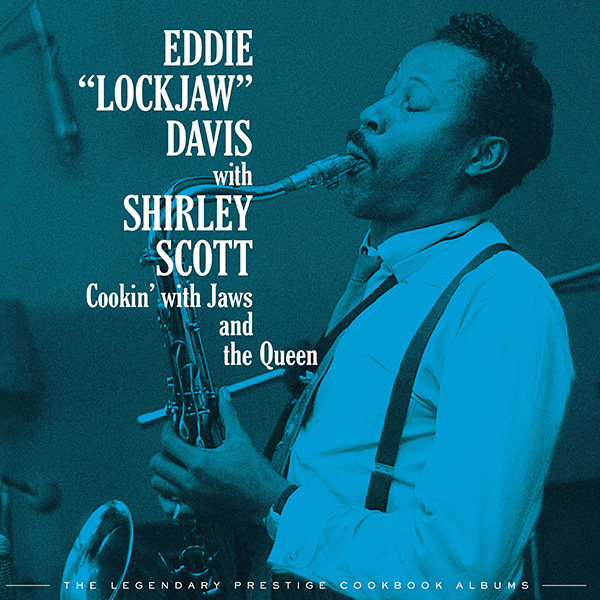


The Eddie “Lockjaw” Davis Cookbook, initially issued with a special cowl and in mono, was recorded June 20, 1958, and launched later that 12 months (footnote 1). Its sudden success on radio and jukeboxes prompted Prestige proprietor Bob Weinstock to carry a December 5, 1958, session for Cookbook Volume 2, which was issued in 1959, once more in mono and with a special cowl (footnote 1). Both albums featured Davis and Scott with bassist George Duvivier and drummer Arthur Edgehill. But the key sauce at these periods was multi-instrumentalist visitor Jerome Richardson, who performed flute, baritone, and tenor sax. Richardson’s flute was a singular taste within the musical stew, particularly on deep blues numbers like “In the Kitchen” and “The Skillet.” This new ingredient to soul jazz made the albums stand out.


The identical group (sans Richardson) gathered on September 12, 1958—between the June and December periods—to report Davis’s Prestige album Jaws. This quartet session turned out to be productive, and further songs had been included on Cookbook Volume 3, issued in 1961, and Smokin’, in 1963, together with extras from the December session. The first 2 “Cookbooks” had been first issued in stereo within the mid-Nineteen Sixties.


This is music for enjoyment amongst associates or late night time with a comfortably stiff drink. It’s not navel-gazing, obtuse, or an acquired style (except you do not like rhythm and soul). The tempos differ from blistering bebop-fast to funeral march gradual strolling blues. Duvivier and Edgehill lay a stable basis and preserve ahead momentum. Scott revels within the rhythm pocket, eschewing the bass pedals—there is a bass participant in spite of everything—and concentrating on percussive accent chords and soulful runs that will be at dwelling in an city chapel. Jaws spreads fireplace in every single place, alternating liquid lyricism with full-on energy blowing. When he and Richardson are each taking part in sax, the distinction is ideal, the flavors distinct.


The “Cookbooks” burst out of the gate with “Have Horn, Will Blow,” however they hit their stride on Side 2 of Volume 1. “In the Kitchen” could be at dwelling on a pure blues album, apart from Richardson’s deep-digging flute solo. The observe fades out right into a sea of Van Gelder plate reverb, a way reprised on a minimum of one gradual quantity on every of the next “Cookbooks.” The album ends with the quick, jovial “Three Deuces,” named for a late, nice NYC jazz membership.


Volume 2’s greatest facet is the primary. Opening with one other slow-boiler, “The Rev”—a sax-organ call-and-response proper outta church—it closes with a heartfelt rendering of the basic “Stardust,” that includes tasty, close-miked brushwork by Edgehill. Side 2 isn’t any slouch, particularly the 2 Davis-Scott originals, “Skillet” and “The Broilers.” The two later albums are extra of a gumbo, not as tightly sequenced or themed however providing loads of musical nourishment.


In 1958, Rudy Van Gelder was nonetheless determining mono-stereo compatibility. A one-man operation, he did not have the time to edit separate full-track mono and 2-track stereo grasp tapes. So he got here up with a system known as “50-50,” which concerned recording to 2-track “stereo” (actually, in right this moment’s lingo, two separate mono mixes, one per channel) and monitoring the periods in mono to guarantee his two tracks may very well be summed to chop mono LPs, by far the bread-and-butter medium for music at the moment (footnote 3).


The results of all this—and its relevance right here—is that the stereophony sounds completely different in every of the three recording periods, a small annoyance and the one criticism I’ve about this set.


Davis, Scott, and firm laid down a feast for the ages, and the Craft crew have completed their greatest to serve it up for a brand new century.


Footnote 1: See bit.ly/3KUH6c9.


Footnote 2: See bit.ly/3IKXIjx.


Footnote 3: See bit.ly/3ZvIWUI. For extra data on these points, see Rich Capeless’s wonderful “RVG Legacy” web site, rvglegacy.org.

Revinylization #41: Craft Recordings’ Eddie “Lockjaw” Davis Reissues

Eddie “Lockjaw” Davis, often known as Jaws, was a self-taught originator of soul jazz. He recorded the primary records that mix Hammond organ and tenor sax, with Bill Doggett on the B3, for Roost Records in May 1952. He continued to develop his blues-based, jukebox-friendly type of jazz and, in 1955, joined forces with a younger organ participant from Philadelphia named Shirley Scott. They recorded collectively for King and Prestige Records and fashioned a gigging band with drums and bass.


In three 1958 periods at Rudy Van Gelder’s Hackensack, New Jersey, “lounge” studio, Davis and Scott recorded 4 seminal soul-jazz albums, the “Cookbooks.” Themed round bluesy originals and spirited takes on comfy requirements, the albums featured liner notes and music titles that relate to an imagined soul kitchen, with a beneficiant serving to of kitschy references to the “simmerin'” music on the platters. The greatest hit was “In the Kitchen,” from the primary album, which grew to become a staple of jazz radio exhibits within the late ’50s and early ’60s and was issued as a two-part jukebox single. The album model clocks in at almost 13 minutes.


Craft Recordings, the reissue label for the Concord Music Group, has collected the 4 “Cookbook” albums right into a field set of vinyl lower from the two-track grasp tapes by Bernie Grundman and plated and pressed at RTI in California. Cookin’ With Jaws and the Queen options unique stereo-release cowl artwork and a properly illustrated 12×12 booklet with an essay by Willard Jenkins. The bodily product seems to be and feels deluxe, and the platters are fantastically lower and pressed quiet and flat. This sort of presentation is why individuals pay further for vinyl. The music was additionally launched as a four-CD field with some further tracks, and it streams in a variety of codecs, from lossy to 24/192.


The Eddie “Lockjaw” Davis Cookbook, initially issued with a distinct cowl and in mono, was recorded June 20, 1958, and launched later that yr (footnote 1). Its surprising success on radio and jukeboxes prompted Prestige proprietor Bob Weinstock to carry a December 5, 1958, session for Cookbook Volume 2, which was issued in 1959, once more in mono and with a distinct cowl (footnote 1). Both albums featured Davis and Scott with bassist George Duvivier and drummer Arthur Edgehill. But the key sauce at these periods was multi-instrumentalist visitor Jerome Richardson, who performed flute, baritone, and tenor sax. Richardson’s flute was a novel taste within the musical stew, particularly on deep blues numbers like “In the Kitchen” and “The Skillet.” This new ingredient to soul jazz made the albums stand out.


The similar group (sans Richardson) gathered on September 12, 1958—between the June and December periods—to document Davis’s Prestige album Jaws. This quartet session turned out to be productive, and further songs have been included on Cookbook Volume 3, issued in 1961, and Smokin’, in 1963, together with extras from the December session. The first 2 “Cookbooks” have been first issued in stereo within the mid-Sixties.


This is music for enjoyment amongst pals or late night time with a comfortably stiff drink. It’s not navel-gazing, obtuse, or an acquired style (until you do not like rhythm and soul). The tempos fluctuate from blistering bebop-fast to funeral march sluggish strolling blues. Duvivier and Edgehill lay a stable basis and keep ahead momentum. Scott revels within the rhythm pocket, eschewing the bass pedals—there is a bass participant in any case—and concentrating on percussive accent chords and soulful runs that might be at dwelling in an city chapel. Jaws spreads fireplace in all places, alternating liquid lyricism with full-on energy blowing. When he and Richardson are each enjoying sax, the distinction is ideal, the flavors distinct.


The “Cookbooks” burst out of the gate with “Have Horn, Will Blow,” however they hit their stride on Side 2 of Volume 1. “In the Kitchen” could be at dwelling on a pure blues album, apart from Richardson’s deep-digging flute solo. The monitor fades out right into a sea of Van Gelder plate reverb, a way reprised on no less than one sluggish quantity on every of the next “Cookbooks.” The album ends with the quick, jovial “Three Deuces,” named for a late, nice NYC jazz membership.


Volume 2’s greatest aspect is the primary. Opening with one other slow-boiler, “The Rev”—a sax-organ call-and-response proper outta church—it closes with a heartfelt rendering of the basic “Stardust,” that includes tasty, close-miked brushwork by Edgehill. Side 2 isn’t any slouch, particularly the 2 Davis-Scott originals, “Skillet” and “The Broilers.” The two later albums are extra of a gumbo, not as tightly sequenced or themed however providing loads of musical nourishment.


In 1958, Rudy Van Gelder was nonetheless determining mono-stereo compatibility. A one-man operation, he did not have the time to edit separate full-track mono and 2-track stereo grasp tapes. So he got here up with a system known as “50-50,” which concerned recording to 2-track “stereo” (actually, in right now’s lingo, two separate mono mixes, one per channel) and monitoring the periods in mono to guarantee his two tracks could possibly be summed to chop mono LPs, by far the bread-and-butter medium for music at the moment (footnote 3).


The results of all this—and its relevance right here—is that the stereophony sounds totally different in every of the three recording periods, a small annoyance and the one criticism I’ve about this set.


Davis, Scott, and firm laid down a feast for the ages, and the Craft crew have achieved their greatest to serve it up for a brand new century.


Footnote 1: See bit.ly/3KUH6c9.


Footnote 2: See bit.ly/3IKXIjx.


Footnote 3: See bit.ly/3ZvIWUI. For extra info on these points, see Rich Capeless’s wonderful “RVG Legacy” web site, rvglegacy.org.

Posted in Uncategorized

Boy Meets Blues: Muddy Waters, Howling Wolf, Little Walter, Chess Records

Most of us weren’t born with musical tastes intact. Tastes develop over time as we study and expertise new music and different issues. An open thoughts, an ear attuned to songs and sound, and a procession of mentors and musical guides make for a musical life that is wealthy and full. To my mind-set, one of the best life has a soundtrack that is assorted and consistently increasing.


Which is to not say there aren’t transformative occasions. Prior to my lightning-strike second—about which, extra in a minute—the blues have been throughout me, as they at all times are round all of us. As a child attuned to rock’n’roll, rising up within the suburbs with a full FM dial, I used to be uncovered to blues-based music present and previous, from Elvis on the oldies stations to Led Zeppelin and the Rolling Stones.


One day late in highschool, I went to go to an previous pal. I’ll name him Rick. We had grow to be buds in third grade, and we have been tight till he went away to boarding college in ninth grade. Before the top of highschool, he had been ejected from non-public schooling and deposited, resentful and unapologetic, in our public college midst. Our friendship resumed, centered on music, audio gear, and mind-bending issues now principally authorized however not then. It was all typical suburban highschool boy stuff besides my pal had superior musical tastes.


Lightning struck when Rick pulled out an album he had simply purchased: Wizards from the Southside, an anthology of electrified Chicago blues from Chess Records. Chess had gone bankrupt years earlier than, its belongings finally acquired, appropriately, by hip-hop pioneer label Sugar Hill Records. New anthologies have been created to spotlight the singles-heavy catalog and introduce Chicago electrical blues to a brand new technology of followers. Rick and I had lucked into certainly one of these musical gateways. Our copy was a 1984 urgent, with the perimeters reversed, so that’s how I discovered the music (footnote 1).


From the primary seconds of Little Walter’s “Hate to See You Go,” the music of Wizards consumed me. This was a complete different stage of depth—of menace—totally different from the British blues covers I knew. Yes, Mick Jagger had sympathy for the satan, however Little Walter would possibly properly be the satan, singing and blowing his virtuoso harp out at me from inside these grooves. The expertise was intense: thrilling, invigorating, unsettling. Those males—they have been all males after all—have been conjuring one thing darkish, far faraway from my protected, sheltered life. Howlin’ Wolf plainly associated tales of “Evil.” Muddy Waters in “Mannish Boy” and Bo Diddley in “I’m a Man” declared their virility within the starkest phrases, staring down anybody who would deny it. Sonny Boy Williamson II (Rice Miller) carried out the unique model of “Bring It On Home”; the Led Zeppelin cowl is cool, however Sonny Boy II will at all times personal that tune.


I made a cassette copy, on the spot. Then Rick pulled out one other Chess/Sugar Hill anthology, Muddy & The Wolf (footnote 2), which mixed components of the traditional, later-era Muddy Waters album Fathers and Sons with The London Howlin’ Wolf Sessions. For a rock’n’roll child, this was an vital bridge to older blues. Muddy performed with Paul Butterfield, whom I knew from the film The Last Waltz, which my older brother had taken me to see for my eleventh birthday. Muddy was in that film.


The Howlin’ Wolf aspect was new to me and a revelation. Here was probably the most intense and threatening singer I had ever heard, backed up by British rock royalty: Eric Clapton, Steve Winwood, Bill Wyman, Charlie Watts—even Ringo Starr. In the studio chatter, the Brits appear deferential, intimidated. Muddy & The Wolf turned aspect 2 of that cassette, which I nonetheless personal.


MCA acquired Chess’s grasp recordings within the mid-Nineteen Eighties. Most of the Chess grasp tapes burned up within the Universal vault hearth of 2008, if the New York Times and different sources are to be believed.


The summer time earlier than school, on my brother’s bookshelf, I discovered Deep Blues by the late music critic Robert Palmer. He evoked in phrases the music that so excited me. His description of Wolf climbing up the stage curtains in a frenzied efficiency is certainly one of many photographs that stick in my thoughts. Palmer’s e book mapped my musical explorations, particularly older blues from Robert Johnson, Son House, and Charley Patton, the forefathers of the Chicago electrical blues I like a lot.


When I went to varsity, I met folks from the Windy City, a few of them blues followers. They hipped me to the native labels, significantly Alligator, and to the nascent blues revival that was choosing up steam. One of them had seen Hound Dog Taylor and the HouseRockers play at a frat social gathering. My personal brush with blues incarnate was hanging out whereas Stevie Ray Vaughan and Double Trouble arrange and sound-checked previous to my senior-year spring social gathering weekend.


In my early working years, I spent a while in Ithaca, New York. There, I found a membership known as The Haunt. In this tight area, I acquired to listen to a few of my blues heroes reside and uncover some new titans. Buddy Guy, Albert Collins, Cary Bell, The Holmes Brothers, and plenty of others performed that little bar. I heard a really younger Joe Bonamassa, backed by his father’s Utica bar band.


To at the present time, my ears perk up after I hear a blues-ish chord or riff. There’s much less menace in it for me now than there was, however I await one other lightning strike.


Eternal gratitude to my blues mentors and guides. As for the blues, I simply cannot stop you, child.


Footnote 1: See bit.ly/3Q JZVj0. The authentic 1982 launch is sequenced as described on the again cowl; see bit.ly/3IO8oQg. I recreated the album as a Qobuz playlist, at open.qobuz.com/playlist/12881117.


Footnote 2: See bit.ly/3QGZeH8. The album is streaming on Qobuz right here: open.qobuz.com/album/ec8bb5vzkdmqc.

Boy Meets Blues: Muddy Waters, Howling Wolf, Little Walter, Chess Records

Most of us weren’t born with musical tastes intact. Tastes develop over time as we be taught and expertise new music and different issues. An open thoughts, an ear attuned to songs and sound, and a procession of mentors and musical guides make for a musical life that is wealthy and full. To my mind-set, the perfect life has a soundtrack that is various and continually increasing.


Which is to not say there aren’t transformative occasions. Prior to my lightning-strike second—about which, extra in a minute—the blues have been throughout me, as they all the time are round all of us. As a child attuned to rock’n’roll, rising up within the suburbs with a full FM dial, I used to be uncovered to blues-based music present and previous, from Elvis on the oldies stations to Led Zeppelin and the Rolling Stones.


One day late in highschool, I went to go to an previous good friend. I’ll name him Rick. We had change into buds in third grade, and we have been tight till he went away to boarding faculty in ninth grade. Before the tip of highschool, he had been ejected from personal schooling and deposited, resentful and unapologetic, in our public faculty midst. Our friendship resumed, centered on music, audio gear, and mind-bending issues now principally authorized however not then. It was all typical suburban highschool boy stuff besides my good friend had superior musical tastes.


Lightning struck when Rick pulled out an album he had simply purchased: Wizards from the Southside, an anthology of electrified Chicago blues from Chess Records. Chess had gone bankrupt years earlier than, its belongings ultimately acquired, appropriately, by hip-hop pioneer label Sugar Hill Records. New anthologies have been created to spotlight the singles-heavy catalog and introduce Chicago electrical blues to a brand new technology of followers. Rick and I had lucked into one among these musical gateways. Our copy was a 1984 urgent, with the edges reversed, so that’s how I realized the music (footnote 1).


From the primary seconds of Little Walter’s “Hate to See You Go,” the music of Wizards consumed me. This was an entire different degree of depth—of menace—totally different from the British blues covers I knew. Yes, Mick Jagger had sympathy for the satan, however Little Walter would possibly properly be the satan, singing and blowing his virtuoso harp out at me from inside these grooves. The expertise was intense: thrilling, invigorating, unsettling. Those males—they have been all males after all—have been conjuring one thing darkish, far faraway from my protected, sheltered life. Howlin’ Wolf plainly associated tales of “Evil.” Muddy Waters in “Mannish Boy” and Bo Diddley in “I’m a Man” declared their virility within the starkest phrases, staring down anybody who would deny it. Sonny Boy Williamson II (Rice Miller) carried out the unique model of “Bring It On Home”; the Led Zeppelin cowl is cool, however Sonny Boy II will all the time personal that tune.


I made a cassette copy, on the spot. Then Rick pulled out one other Chess/Sugar Hill anthology, Muddy & The Wolf (footnote 2), which mixed components of the traditional, later-era Muddy Waters album Fathers and Sons with The London Howlin’ Wolf Sessions. For a rock’n’roll child, this was an necessary bridge to older blues. Muddy performed with Paul Butterfield, whom I knew from the film The Last Waltz, which my older brother had taken me to see for my eleventh birthday. Muddy was in that film.


The Howlin’ Wolf aspect was new to me and a revelation. Here was essentially the most intense and threatening singer I had ever heard, backed up by British rock royalty: Eric Clapton, Steve Winwood, Bill Wyman, Charlie Watts—even Ringo Starr. In the studio chatter, the Brits appear deferential, intimidated. Muddy & The Wolf grew to become aspect 2 of that cassette, which I nonetheless personal.


MCA acquired Chess’s grasp recordings within the mid-Eighties. Most of the Chess grasp tapes burned up within the Universal vault hearth of 2008, if the New York Times and different sources are to be believed.


The summer time earlier than school, on my brother’s bookshelf, I discovered Deep Blues by the late music critic Robert Palmer. He evoked in phrases the music that so excited me. His description of Wolf climbing up the stage curtains in a frenzied efficiency is one among many pictures that stick in my thoughts. Palmer’s guide mapped my musical explorations, particularly older blues from Robert Johnson, Son House, and Charley Patton, the forefathers of the Chicago electrical blues I really like a lot.


When I went to school, I met individuals from the Windy City, a few of them blues followers. They hipped me to the native labels, notably Alligator, and to the nascent blues revival that was selecting up steam. One of them had seen Hound Dog Taylor and the HouseRockers play at a frat social gathering. My personal brush with blues incarnate was hanging out whereas Stevie Ray Vaughan and Double Trouble arrange and sound-checked previous to my senior-year spring social gathering weekend.


In my early working years, I spent a while in Ithaca, New York. There, I found a membership known as The Haunt. In this tight house, I bought to listen to a few of my blues heroes reside and uncover some new titans. Buddy Guy, Albert Collins, Cary Bell, The Holmes Brothers, and lots of others performed that little bar. I heard a really younger Joe Bonamassa, backed by his father’s Utica bar band.


To today, my ears perk up once I hear a blues-ish chord or riff. There’s much less menace in it for me now than there was, however I await one other lightning strike.


Eternal gratitude to my blues mentors and guides. As for the blues, I simply cannot stop you, child.


Footnote 1: See bit.ly/3Q JZVj0. The unique 1982 launch is sequenced as described on the again cowl; see bit.ly/3IO8oQg. I recreated the album as a Qobuz playlist, at open.qobuz.com/playlist/12881117.


Footnote 2: See bit.ly/3QGZeH8. The album is streaming on Qobuz right here: open.qobuz.com/album/ec8bb5vzkdmqc.

Posted in Uncategorized