
World News
Restless fingers
Restless fingers
Of the musicians I’ve interviewed, solely a only a few have proven a real curiosity in visible artwork. Don’t know if that statement may be generalized, nevertheless it’s nevertheless safer to guess that it will be a lot more durable to discover a visible artist who’d be completely detached about music, personally or artistically. Interest in music is extra common on this sense.
Not all visible artists like music to the identical diploma, or in the identical method, after all. Some use music on the background whereas portray (Pollock, for example), some hearken to music solely once they’re not portray. Some artists (eg. Kandinsky) theorize about music and make music be on the core of their inventive ambitions, another (this being maybe the biggest sub-group) merely search inspiration from music in a technique or one other, with a purpose to get within the temper, and get again to work, and so and so forth. In quick, there are numerous methods of how visible artists relate their work and life as artists to music, starting from explanations which can be pretty easy and naive, ending up in nobler and extra highly effective arguments.
Lars-Gunnar Nordström (1924 – 2014) is an internationally acknowledged Finnish painter, a grasp of non-figurative (no illustration) summary artwork, greatest identified for his exact geometric work displaying angular and curved flat color surfaces that type clear, robust, dynamic compositions. Nordström is taken into account to be one of many main representatives of Concrete Art in Europa through the second half of the 20th century.
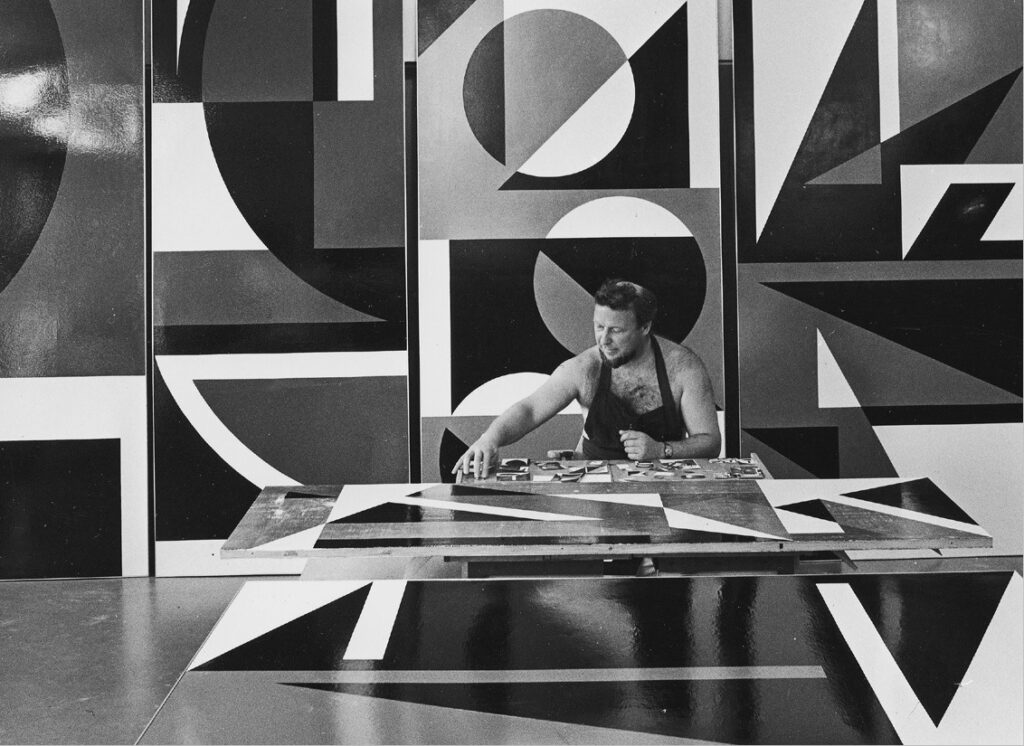
ART & MUSIC
Nordström was additionally an unrelenting jazz freak. An enormous one. He was an proprietor of a considerable report assortment, ranging from the Nineteen Thirties and increasing as much as early 2000. The assortment, aside from being one of many largest in Scandinavia, was outstanding additionally culturally as a result of it advised a lot about how jazz landed in Nordic nations. Was Nordström’s artwork associated to music? And jazz, particularly?

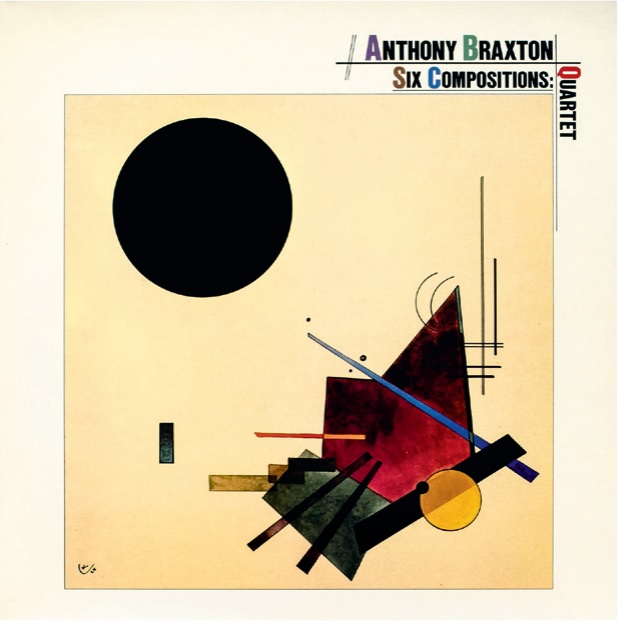
Apart from some apparent, partly figurative portray from the Nineteen Fifties (see above), extra related is how music associated to his purely summary work. Visual artists generally want to set up a deeper aesthetic and philosophical connection between their work and music, and Nordström was no exception. He would usually parallel the 2 by phrasing that he paints “music for eyes”: “I assemble artwork mathematically, as occurs in music, I make music for the attention, it has concord and rhythm, that are based mostly on the colors’ personal innate mechanisms.” On one other event he described his work as having rhythm and chords, the form giving them a theme. In actual life, nevertheless, he saved the 2 fully separate: he would by no means hearken to music whereas portray or doing different artwork. Instead, he tried to safe 2-3 hours per day for a extra centered unique listening to his records. No matter how one seems to be at it, Nordström makes an attempt to tie collectively his artwork and his zeal for jazz, are pretty basic and apparent, not based mostly on some systematic art-theoretical considering. If I’m requested, his artwork may be completely properly evaluated in isolation of any reference to music he was listening to.

LOVE OF MUSIC?
Was Nordström a music lover? Or was his huge report assortment only a cowl story for one thing deeper? What a query! After all, we’re dealing right here a person who devoted a lot of his grownup life with a purpose to be surrounded by jazz, live shows or records. Given his limitless enthusiasm, it’s honest to say that he was genuinely delicate to music (music’s sound), and verifiably capable of get fascinated by it. But on the similar time he wasn’t a melomane (a real newbie of music), nor took the sort of angle towards music that eg. musicologists do. His love for music was that of a report collector! Being a report collector is a technique of loving music, identical to being an audiophile is, each being particular methods of being on this world (being a Hi-Fi journalist is one more). Nordström’s ardour for music turned concrete, and was manifested in his exercise of gathering records. To reside on the nerve of music meant, not simply listening to it, however making a daily and fervent effort to develop his already substantial report assortment. Listening to music was little doubt nice however didn’t present remaining success. His curiosity in music was perfected and accomplished by way of gathering the records.
The proof? The proof properly shines by way of from the 2019 e book by Janne Mäkelä, a researher on the Finnish National Library. In the e book, Mäkelä not solely to is sensible of Nordström’s huge report assortment per se, but additionally makes an effort to grasp what was Nodström’s true driving pressure. To enter in his head, so to talk. What follows is taken from this wonderful e book.
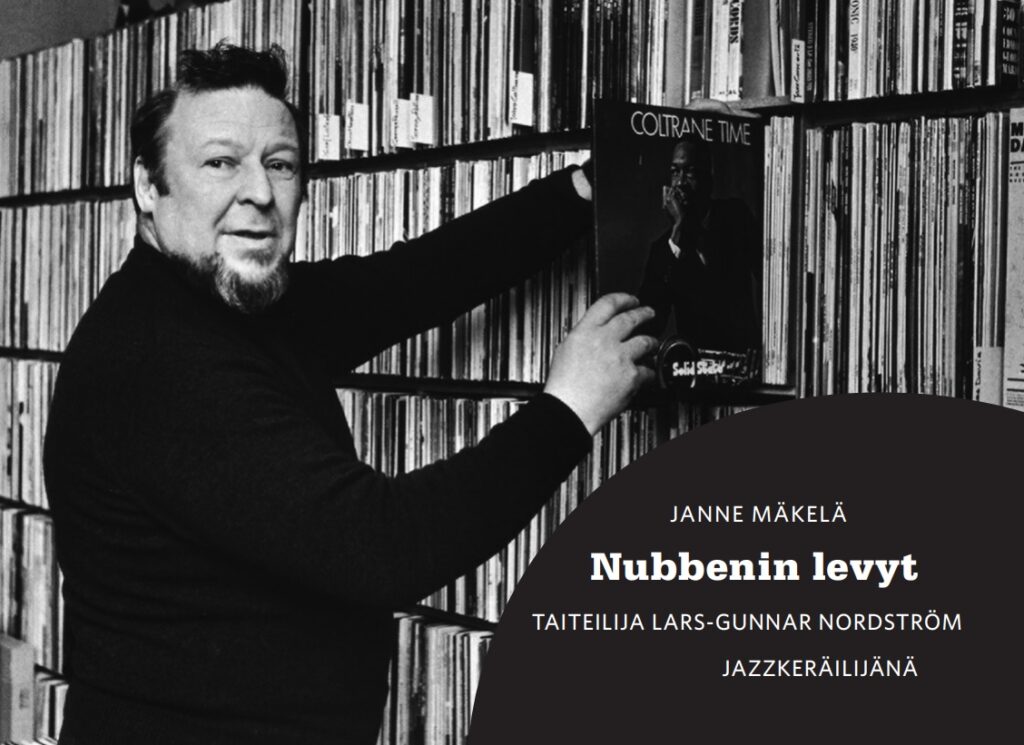
Firstly, sooner or later, it so occurred that Nordström purchased extra records than he had time to hearken to although he had confused that he buys records solely to have the ability to hearken to good music. Well, that occurs to everybody, however. There was a time interval when Nordström purchased a great deal of LPs with out proudly owning a correct playback system for his acquisitions. He nonetheless had his gramophone for about 1000 of 78 RPM’s, together with many easiest and tremendous uncommon recordings by Ellington, Billey Holiday and many others. Seems that whereas shopping for an increasing number of LPs he contented himself with listening to his shellacs, the sound high quality of which he usually complained about, or he may need taken his new LPs to his mates’ place, those that already owned a turntable. Anyway, for 13 years Nordström saved shopping for LPs with out having the ability to hearken to them with a report participant! A music lover?
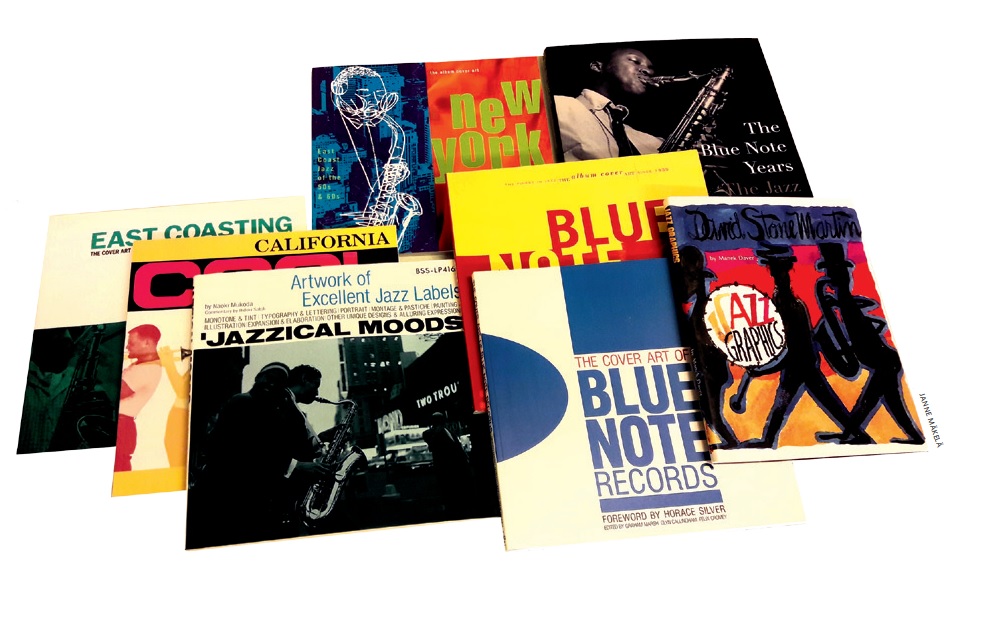
If he didn’t hearken to his rising pile of records, what did he do? Like all true collectors, who primarily method music by way of their records, he usually most well-liked to speak about music, jazz particularly. And when he did, it was much less concerning the music, and extra about records and associated stuff based mostly on cowl texts and linear notes. By studying LP covers he additionally realized English, an asset which later turned out to have nice worth for rising his assortment (Nordström’s mom tongue was Swedish). In addition to studying, he preferred to look at album covers, their artwork. In these days, many LP covers, jazz particularly, flirted with trendy visible artwork, and that after all didn’t go unnoticed by Nordström. His favorite cowl artist was David Stone Martin whom he thought of to be one of many biggest of all occasions. Nordström additionally owned numerous books on album covers. No doubt, he would have beloved to have the ability to design album covers for his jazz idols.
Nordström is remembered to have been in a continuing temper of gathering records. He had these well-known ”stressed fingers” of true collectors. He was a frequent sight at report retailers at all times carrying a giant bag of records again dwelling. At least as soon as, he was nominated because the Record Collector of the Year in Finland. Searching and shopping for would calm him down, made him chill out and really feel at dwelling. As the e book concludes: “He (Nordström) was positively mentally depending on it (gathering), harmlessly maybe however dependent nonetheless. It’s after all exhausting to say from outdoors what a part of his emotional life Nordström projected to gathering however that it was some tormented unfilled feeling, needn’t be doubted.” All in all, it’s secure to conclude that Nordström’s love for jazz was motivated equally a lot by the act of gathering records than the music itself. It is simply logical then that he didn’t search success and abundance, however expectation and imperfection, the felling of getting one thing that he not but had gotten.
WAS NORDSTRÖM AN AUDIO NUT?
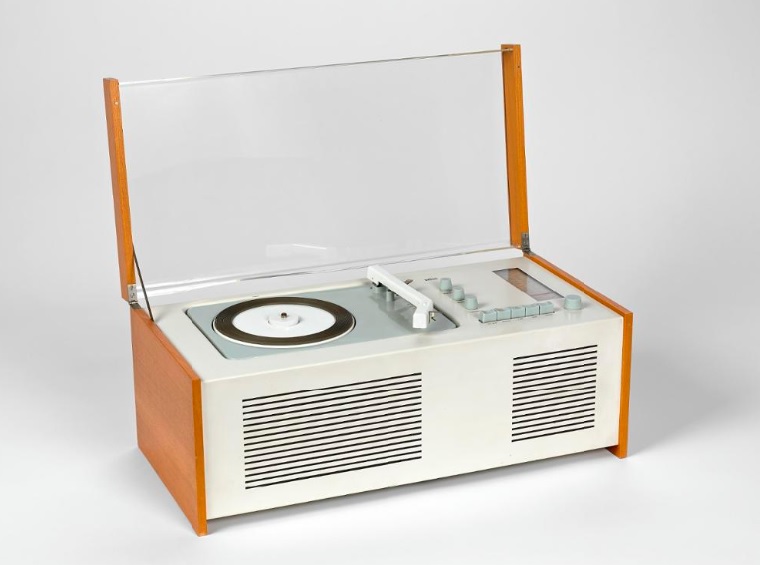
Eventually Nordström bought his first actual turntable/speaker system, the Braun SK 6, the well-known design by Dieter Rams. Technically it meant a sophisticated pick-up (no extra metal or bamboo needles), stepless quantity adjustment, tone controls, channel stability management, 4 speeds (incl. 78 rpm) and many others. It was a dream come true. The music sounded a lot better now, and shortly the Braun’s SK 6 turned the centerpiece of the home, nearly a legendary machine that just a few have been allowed to the touch.
But he wasn’t a Hi-Fi nut as we these days perceive it. The SK 6 sports activities two built-in loudspeakers, nevertheless it had additionally the outs for attainable separate stereo audio system. It’s nor clear whether or not Nordström ever acquired separate stereo loudspeakers or not, but when he was listening to the Braun’s inner audio system, he principally saved listening to a mono-sound even from his stereo-LPs, assuming that he wasn’t sitting nearer than 1 meter from the SK 6 (ie. near-field). Be as it might, it’s controversial that Nordström wasn’t an audiophile within the trendy sense, and solely cared concerning the sound high quality as most collectors do. Records got here first, the sound high quality second.
However, Nordström was removed from being detached concerning the sound. He a lot appreciated that the sound of the turntable was higher than from his gramophone. He was additionally among the many first to accumulate a transportable C-cassette participant (for copying his shellacs), and likewise one of many first to get a CD participant already within the Nineteen Eighties. More importantly, he may simply retreat from a reside live performance and return dwelling to hearken to his records, with out nobody’s pushing, disturbing, making noise and many others. He wished to listen to what’s moving into music. As the e book explains: “Already within the Nineteen Thirties, listening to music solo had develop into a great, particularly within the discipline of traditional music. A severe music lover was anticipated to gather his personal report library, and, by sitting in an armchair, benefit from the candy sounds in peace. Later, the identical model was adopted in jazz, particularly when, from the Nineteen Forties onwards, the dance factor in jazz started to present approach to virtuoso-like taking part in and inventive ambitions. At the identical time, technically a lot greater high quality of sound copy unfold to properties and created Hi-Fi as a pastime, underlining the bliss of centered dwelling listening.”
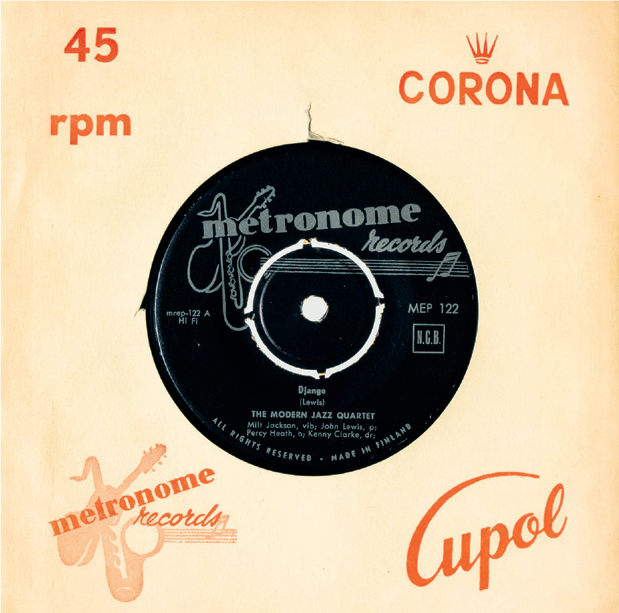
THE RECORD COLLECTION
What prompted Nordström’s love for jazz was a mind-blowing expertise he had in listening to, for the very first time, Duke Ellington’s Moon Indigo on the radio in 1941. When he years later obtained maintain of the Ellington’s report, it wasn’t on par with the preliminary expertise. (I do know folks whose first encounter with Billy Holiday has been 78 RPM mono records from the Nineteen Thirties, and who’ve by no means recovered from the expertise it doesn’t matter what LPs they’ve later heard.) Anyway, it was Ellington’s Moon Indigo that lit a spark to pay money for such records and to start out gathering different records from the well-known American jazz musicians and bands.
Young Nubben purchased his first audio report on the flip of the Nineteen Forties. It was Ellington, Blue Harlem printed by the American Brunswick firm. Other Brunswick records adopted, together with Count Basie’s 1938-1939 manufacturing. Later, it was Louis Armstrong that turned one of many primary objects for Nordström’s jazz assortment (Nordström later claimed that it was Armstrong’s 1949 Helsinki live performance that triggered his report gathering pastime). Soon he discovered Lunceford, Henderson, Webb and many others. and many others. In the start, it was largely massive bands. Then got here Coleman Hawkins and Roy Eldridge.
At the time if in Finland one wished to pay money for sure American jazz records for an affordable worth, there was just one choice: journey and purchase them. In these days not many individuals may afford that. However, Nordström was fortunate and he was supplied visiting USA on two events. Those visits elevated his assortment by a number of e book shelf meters.
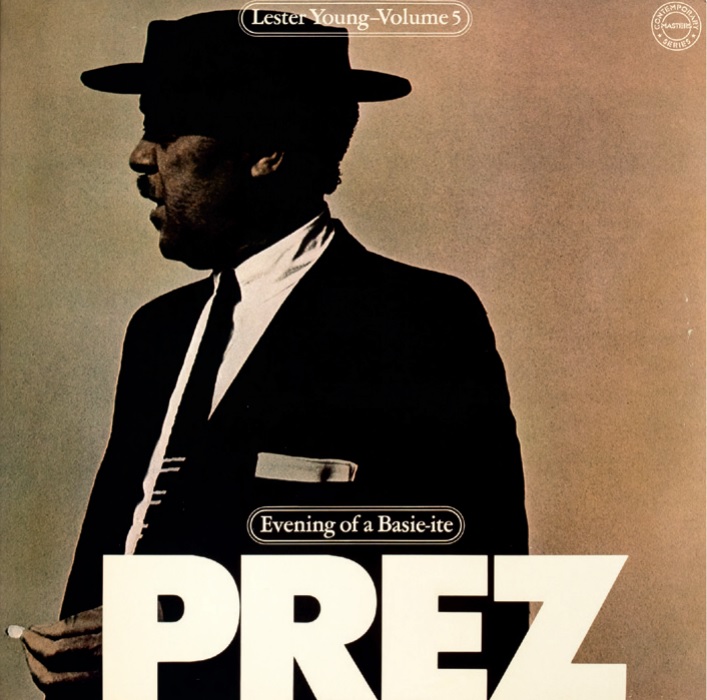
Did Nordströn acquire records solely from male artists? Nope. On the opposite, the gathering comprises many performances by ladies, together with recordings by Lil Hardin Armstrong and loads of releases by Bessie Smith and different early blues stars from the Nineteen Twenties. He beloved Billie Holiday, whose recordings he acquired already within the gramophone period. The assortment of Holiday’s LPs alone makes 45 items, Ella Fitzgerald got here with 39 LPs.
The jazz carried out by the blacks was significantly fascinating to Nordström. There are hardly any Frank Sinatra or Bing Crosby records within the assortment, no romantic “lonely boy” swing records or the cool albums of the late Nineteen Fifties. Compared to the cool jazz of the saxophonist Lester Young and trumpeter Miles Davis, the stylized cool jazz by Frank Sinatra and many others. was too hedonistic for Nordström. However, Nat King Cole, Mel Tormé and Cab Calloway are pretty properly represented.
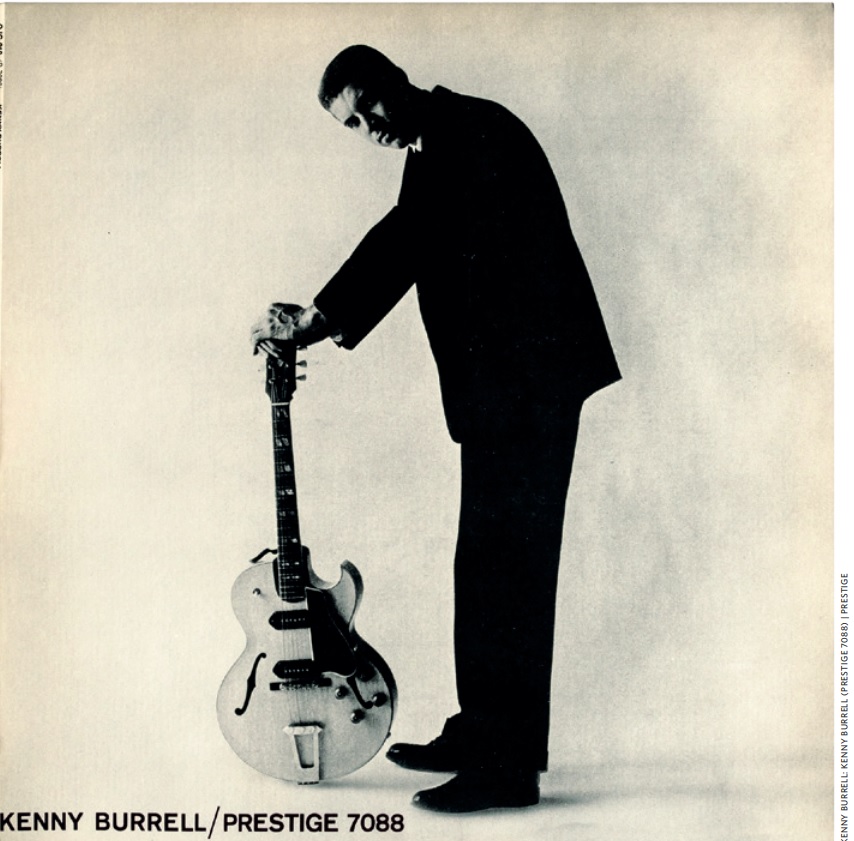
American jazz is properly lined so long as it wasn’t “electrified”, which Nordström was suspicious of. In specific, it was the electrical bass that sounded international to him. The electrical organ was wonderful, and so was electrical guitar given it a semi-acoustic one and sounded dry. Wes Montgomery, Kenny Burrell and Grant Green have been accepted, as have been some later guitarists so long as they have been sensible sufficient to keep away from digital results and funk rhythms. But no such guitarists as Al DiMeola or John McLaughlin, not even Pat Metheny, and positively no fusion jazz (eg. Weather Report). The e book: Aged between fifty and sixty, Nordström was not passionate about new types. In the Nineteen Eighties, Wynton and Branford Marsalis may make him pleased for some time, as a result of the brass brothers understood class and historical past, even when there was an excessive amount of electrical bass at occasions.
That American jazz is properly represented isn’t any shock: for Nordström American jazz was the most effective jazz on the earth. Of different, the Danish bassist Niels-Henning Ørsted Pedersen stands out within the assortment because of his reference to many legendary American musicians. Swedish jazz can also be remarkably properly represented. Baritone saxophonist, pianist and composer Lars Gullin is roofed by nearly twenty LPs, as are older Thore Ehrling’s and Thore Jederby’s recordings from the Nineteen Thirties. In addition to Nordic jazz, the gathering often contains Japanese and Eastern European jazz. The key exception in Nordström’s assortment is the Belgian guitarist Django Reinhardt whose albums Nordström had nearly forty.
THE COLLECTION IN NUMBERS
When he stopped gathering records within the early years of 2000, the biggest a part of the gathering consisted of altogether 11,000 LPs, first LPs from the late Nineteen Fifties onwards, that’s, 51 bookshelf meters (c. 220 LPs per meter). On high of that the gathering comprises simply over 1000 items 78 RPM shellacs, about 3600 CDs, C-cassettes, video tapes, books, discography, magazines, catalogs, copy tools, and many others. Altogether materials exist equal to over 100 bookshelf meters.
Some sources declare that Nordström’s assortment was the biggest personal assortment of jazz records in Finland, and presumably additionally within the Nordic nations. True or not, it’s an enormous assortment by any measure. However, greater than the precise variety of gadgets, what actually makes Nordström’s assortment distinctive was the truth that he collected his records over 60 years! And he didn’t do it by shopping for massive portions directly however nearly one after the other. It is for that reason that the gathering gives an indebt view of and perception into how jazz, within the type of records, landed in Finland and in Scandinavia from the late Nineteen Thirties to early 2000. Nordström’s report assortment possesses nice cultural and historic worth.
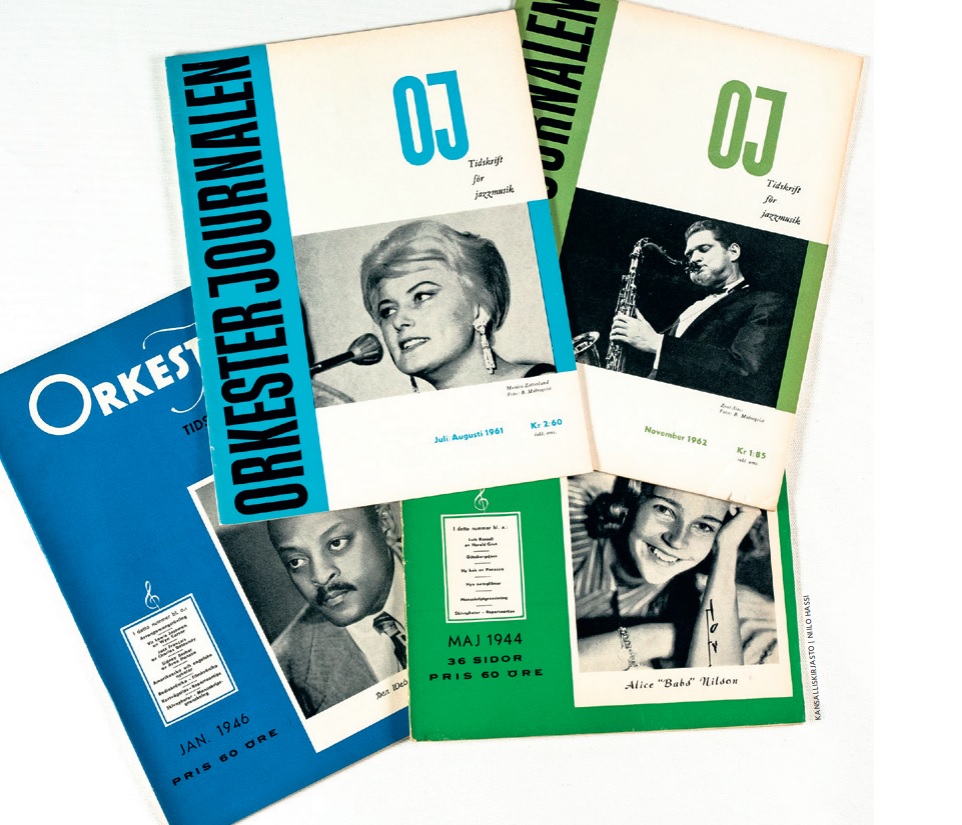
So how did Nordström collate his huge records? At first the gathering was simple to handle, however when it expanded within the Sixties and particularly within the Nineteen Seventies, all systematicity pale. Nordström sorted his albums into totally different blocks, primarily by artists. Blocks may be based mostly on different attributes equivalent to genres (eg. boogie-woogie) or areas (eg. Sweden). Like all real report collectors, he had no bother find the album he wished to search out, if not in any other case then because of the written sticky notes he positioned in between the records.
The e book
Towards the top of his life Nordström, partly because of his sickness, misplaced his curiosity in records and listening to music usually. The assortment was almost misplaced earlier than the Finnish National Library intervened and along with the Nordström Foundation agreed to put it aside for public curiosity, and place it within the cellar of the National Library as a uniform unchanged assortment, for researchers and many others. to check and revel in. The writer of the e book, Janne Mäkelä, was employed to type out the gathering and undergo all of the acquired materials beginning off from LPs. He did, and on account of two years of exhausting work, the e book was printed within the Series of National Library’s publications (no 85). A e book that makes thought-provoking studying additionally for audiophiles!
HI-FI News
through Inner Magazines https://ift.tt/9HCnOrb
July 21, 2024 at 06:16PM
-
Product on sale
 Audiophile Vinyl Records Cleaning BundleOriginal price was: €83.88.€73.88Current price is: €73.88. incl. VAT
-
Product on saleEasy Start Vinyl Records Cleaning KitOriginal price was: €83.88.€73.88Current price is: €73.88. incl. VAT
-
Vinyl Records Cleaner Easy Groove Concentrate€41.94 incl. VAT
-
Easy Groove Super Set€238.80 incl. VAT
-
Easy Groove Enzycaster – vinyl records prewash cleaner€41.94 incl. VAT
-
Easy Groove Extreme MK. II- vinyl records prewash cleaner€54.00 incl. VAT
-
Vinyl Records Cleaner – Easy Groove Virgin Concentrate€42.00 incl. VAT
-
Easy Groove Spray&Wipe vinyl records cleaner€41.94 incl. VAT







