Tag Archives: Blu-Ray

George Harrison’s All Things Must Pass 50th Anniversary, Part 1: The High Resolution Stereo Remix

There is no question that George Harrison’s 1970 release All Things Must Pass is a classic collection of outstanding song-craft. It was an exuberant and emotional release for the then newly ex-Beatle after years of toiling in the shadows of primary songwriters John Lennon and Paul McCartney. The album is also widely considered by many to be the best of the post break-up solo albums issued by any of the solo Beatles in the wake of the band’s break-up. 

In 2017 a fine new remaster of the original All Things Must Pass album as co-produced by infamous – but legendary and undeniably influential — producer, Phil Spector was released. This was a significant reissue, a marked improvement over the original domestic U.S. pressings in many ways. Please click here to read my review of that still important release.

Despite that fine release’s stature, one of the most anticipated new reissues from the Beatle universe is the newer still expanded 50th anniversary edition of All Things Must Pass  coming out this week on a multitude of formats. Included amongst the many options is a tasty five CD plus Blu-ray Disc compact boxed set as well as a luscious eight-LP vinyl version.

Over the next several articles I’ll be exploring those sets in semi-microscopic, quasi-forensic detail. Today we explore the new Stereo remix which was crafted by Paul Hicks of Abbey Road Studios who worked with George’s son Dhani to create a compelling new vision for what All Things Must Pass could be.

Most audibly in general — and this is in keeping with the work Hicks did on John Lennon’s sets of the past several years — the new 50th Anniversary version of All Things Must Pass feels like several layers of gauze and remnant ‘60s haze have been removed. The resultant mix delivers much clearer vocals, more distinctive bass and drum parts as well as increased detailing on sometimes significant melodic parts which somehow were buried in the wake of Phil Spector’s legendary “Wall of Sound” mix design. 

Inevitably some of Spector’s imprint will remain on the album since he drove the recording process. I suspect that there are very likely certain techniques employed which can’t be “undone” even with a new mix. And that is ok. 

Certainly the vocals are much clearer with a significant amount of reverb removed. Yet the new 50th Anniversary version of All Things Must Pass retains the basic aesthetic of what the album sounds like. 

Now you can hear George’s lyrics quite vividly. Ringo’s (and the other drummers on the album) contributions sound especially remarkable with Kick-drum and Tom Tom fills taking center stage with increased presence and vibrance. Klaus Voorman’s bass lines also shine in this new mix allowing you to hear more of his note-perfect melodic inventions.

It is hard to pick favorite tracks at this stage while listening to the high resolution version of the new 50th Anniversary version of All Things Must Pass on Blu-ray Disc — in 192 kHz, 24-bit fidelity. But some initial stand outs which caught my ear include “Wah Wah,” with clearer less muddied vocals, super clear and particularly distinct saxophone parts (especially on the signature hook breaks and the sax solo!). These are details that were somewhat obscured in the original Spector mix. 

There is less reverb overall in this new mix. Be sure to listen for that great bomb-like sound, now much more clearly audible (I suspect it is the spring reverb of vintage guitar amplifier which either was kicked or knocked over — I know that sound intimately as we intentionally put one of those moments on my old band’s album!).  The sound of the car driving away is also much more distinct (another one of those little details I never paid much attention to on the original,  though it clearly was always there). When the band kicks in after the opening riffs, the impact is that much more powerful. 

I can now hear nice cellos chugging along on “Isn’t It A Pity.” ”If Not For You” sounds particularly brilliant with the big acoustic guitars front and center.

The harmonies on “Behind That Locked Door” sound amazing and Pete Drake’s pedal steel on that song is beautiful and clearer than previous versions.

The drums on “Let It Down” are simply huuuge! If you have ever wanted to hear (what I think are probably) Ringo’s Tom Tom fills with Cinemascopic clarity, you’re going to love this version.

Of course the question remains as to whether you need the new 50th Anniversary version of All Things Must Pass for your collection just for this new Stereo mix? That is a question only you can really answer, depending on how much of a fan of the record you are. I for one am proud to include this in my collection side-by-side with the originals so I can compare and contrast them. 

Ultimately, it depends on your listening needs. This new version will probably be much preferred for listening on streaming platforms, in playlist mixes and on mobile devices given the newfound clarity it presents. If you are new to George Harrison’s music, you may want to at least listen to the original mix somewhere first. Even though this new vision is much more direct and punchy sounding with less of the dated production aesthetic of the times on it, it might be just different enough to warrant experiencing the 1970 mix as a bench mark.  Don’t get me wrong, this sounds like All Things Must Pass but all those little revealed details formerly buried in the original mix add up to something a bit different (again, this is not a bad thing!). 

For example, one of the more wonderfully creepy and haunting moments in the new mix can be found on “The Ballad of Sir Frankie Crisp (Let It Roll).” There, we now can hear a very audible low voice chanting his name — the original owner of Harrison’s legendary English countryside estate. It is super cool (and it is down there in the original mix, but just barely audible). But, it is also just different enough that purists might balk.  I like it! But it is important to acknowledge that the new 50th Anniversary version of All Things Must Pass is a distinctly different view of the music. Again, I think this is a good thing.

And for those who get nervous about new remixes, I refer back to my earlier statement about the original mix restoration from 2017 being an important release and that isn’t going away any time soon. Rest easy knowing we can always listen to our original pressings (and I will do that as well!).

In a later installation in the series I will look at the vinyl version the new 50th Anniversary remix of All Things Must Pass. But before that, tomorrow we will explore the Surround Sound remix.  So be sure to tune in again here on Audiophile Review!

Yoko Ono’s Plastic Ono Band, 50th Anniversary Live Session Blu-ray

In 1970 John Lennon released an album called Plastic Ono Band which was quite shocking to most fans of The Beatles’ music; noted for its brutal honesty and raw stripped back presentation, it went on to become a classic which many regard as Lennon’s finest work.

This album has recently been celebrated in brand new 50th Anniversary stereo and surround sound remixes which I reported on last week. In case you missed those reviews, please click on these numbers ( 1, 2, 3 ) to jump to the whole three part series. If you are not familiar with the album or the boxed set (which comes out later this week), reading those reviews will provide useful perspective to understand and appreciate another album recorded during those same sessions.

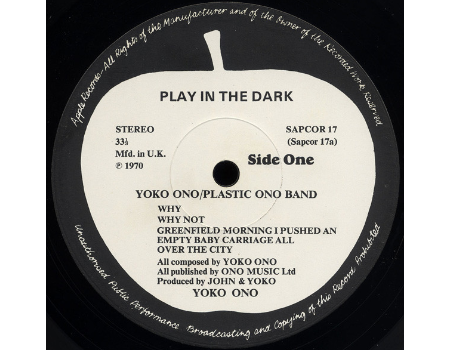
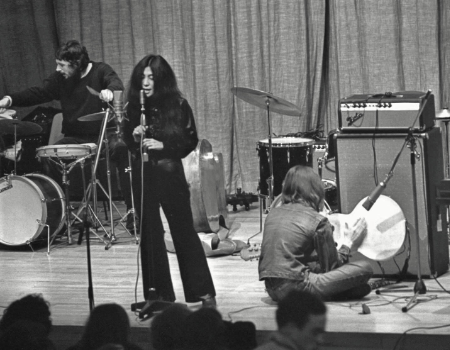
Simultaneous with the release of Lennon’s album, his wife and life partner Yoko Ono also issued her first solo record under the same title. Both albums, however, couldn’t be more different and that is the focus for the review today, looking into Yoko’s brilliant, futuristic and ultimately timeless recording. Included on the second Blu-ray Disc in the deluxe edition boxed set of Plastic Ono Band are the complete live tracking sessions featuring Ono backed by a power trio comprised of Lennon’s electric guitar and feedback with rock solid rhythmic support from drummer Ringo Starr and their close friend Klaus Voorman on bass. These recordings are quite incredible and incredible sounding — presented in 192 kHz, 24-bit fidelity — all offering fascinating insight into how her first album was created. 

These recordings — and her subsequent albums — were extremely influential on artists as diverse as The B-52s, Lene Lovich, Sonic Youth, The Flaming Lips and many others. 

There are some very insightful comments about these live recording sessions included in the Plastic Ono Band 50th Anniversary boxed set from people involved with making the album including Yoko, John Lennon, Klaus Voorman as well as engineers John Leckie and Phil McDonald. These personal notes shine important light on the album, its intent and creation better than I could so rather than edit them I’ll just share these with you complete and unedited:

Yoko: “When John was recording, I was mostly in the control room and John was making his music and sometimes he had to fool around a bit just to get inspired. He just kept on jamming and then suddenly I realized it was just really beautiful jamming, he’d started something very unusual with the guitar. I was listening to what they were doing and I just couldn’t help it. I thought, ‘well, I just have to join them. This is great!’”

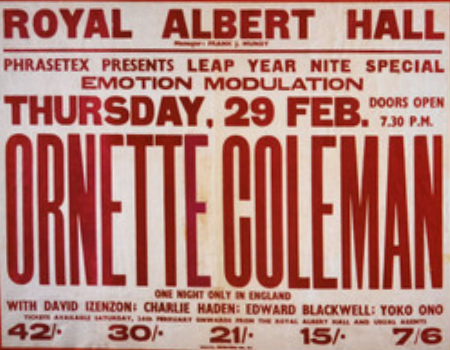
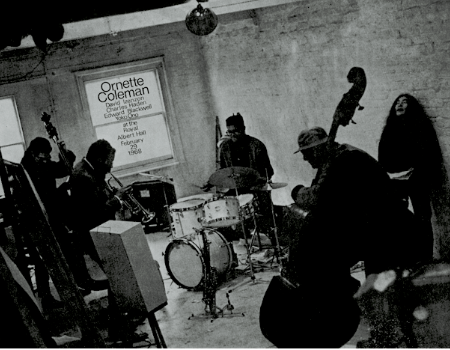
Klaus: “We knew Yoko was gonna do her album. We didn’t know how it was actually going to work or what she was going to do. We heard a few tracks she did and I found that very interesting. There was some great horn player, I think it was Ornette Coleman. She had some great musicians and three jazz players, really really good. So we tried to do the same thing and John was open to it.” 

Yoko: “The kind of improvisation that I was doing by myself only had to do with my body rhythm, when you just totally rely on your body and let your body take you to wherever the body wants to go, it seems like all the strange things come out. I’m letting my body do it and that startles me too. It’s almost like the Primal Therapy thing and like the Japanese kind of vocal, or the operatic vocal, all the moaning and groaning and screaming, all kinds of things that I experienced in my life came out.” 

Phil McDonald: “I think what people didn’t realize was the fact that she sang as in Japanese, which some classical Japanese singers sing, and this screaming that she did was actually part of her culture. To us, it sounded like screaming but to her it was a musical note. To get this ultimate scream, it could take a while to produce. They weren’t ordinary screams, they were yells, demonstrative. They were calculated, and I don’t know how the heck she did it.” 

Lennon: “I’m a cinema verité guitarist and you have to break down your barriers to be able to hear what I’m playing. There’s a point on the first song where the guitar comes in and even Yoko thought it was her voice. It became like a dialogue rather than a monologue and I like that, stimulating each other. And that happened in the drumming and bass too, they get like that too. And it’s very interesting that you don’t know who is really inspiring who, it just goes on like that.” 

Over the course of the live jam session recordings we indeed hear the framework for what became Yoko Ono’s Plastic Ono Band album emerging and it’s a wonderful journey. 

Ringo and Voorman drive the rocking-yet-sympathetic rhythm section, giving Lennon the freedom to generate various noises and feedback created with his guitar, often in a kind of duet with Yoko’s vocal improvisations.  

Where all this gets especially interesting is when you go back and listen to the final album and you can understand better how it was crafted.  Listening to the live sessions sandwiched between reference spins of the final album, you realize Yoko had a quite clear vision for the kind of recording she wanted to deliver.  Lennon, Ringo and Klaus Voorman laid down an array of throbbing proto-punk-ish blues rock jams which Yoko took to another level with her inspired vocal treatments. 

According to the Plastic Ono Band boxed set liner notes: ”Yoko edited, manipulated, sped-up, slowed down and augmented her chosen improvisations, adding sound effects and delays to create her album Yoko Ono/Plastic Ono Band.” I recently bought a nice reissue of Yoko’s Plastic Ono Band album and while the vinyl sounds great — and the final mix terrific — these live sessions are almost rawer and richer if that is possible. Ultimately, however, I do like the final album better as the impact of Ono’s production is important. For example, cutting suddenly from heavy jams into the sound of subway trains churning at approximately the same tempo creates quite an image of the power of the band.  

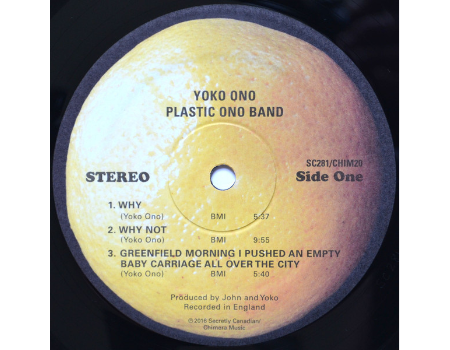
The innovative tape loop of George Harrison’s sitar playing at the start of “Greenfield Morning I Pushed An Empty Carriage All Over The City” is a haunting introduction to the portions of the jam which were used. Consider that today we hear digitally generated loops every day on most pop recordings and near every Tik Tok video I’ve seen. Yoko and John were working with them in a purely analog manner 50-plus years ago!  I love the bird sounds at the end of that song which feel like the same ones used at the introduction of the original version of Lennon’s “Across The Universe” (the 1968 version prepared for a 1969 LP benefitting the World Wildlife Fund, No One’s Gonna Change Our World)

Another favorite is the very Captain Beefheart-esque “Don’t Worry, Kyoko” (which adds Eric Clapton to the line up).  I can’t emphasize this enough just what a great rock improvisors Ringo and Klaus were together. There are also three previously unreleased improvisations on the Blu-ray Disc which were not included in the final album: “Life,” “Omae No Okaa Wa” and “I Lost Myself Somewhere In The Sky.”

There is a lot to experience here and I am still working my way through it.  So, when you get the Plastic Ono Band boxed set, do take some time to immerse yourself in Yoko’s world. And then, if you don’t already have her album, do get it to fully appreciate her vision. It is a rewarding journey.

John Lennon’s Plastic Ono Band 50th Anniversary Boxed Set, Part 3: The Outtakes, The Alternates & Other Things

My deep dive into the 50th Anniversary super deluxe boxed set celebrating John Lennon’s landmark solo album Plastic Ono Band concludes today exploring some of the outtakes, alternates, and other fascinating bonuses on this rich collection. In case you missed Part II on the new Surround Sound mix, please click here. And for Part I on the Stereo remix, click here. 

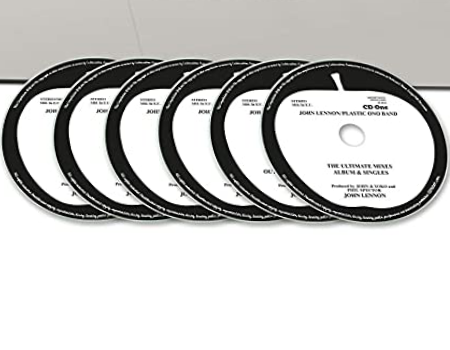
Plastic Ono Band presents multiple visions for the album. Each CD — also included on the Blu-ray Disc — gives you 14 tracks, corresponding album tracks plus period singles in various states of being. New “ultimate” mixes of studio out-takes are offered as well as new mixes/remasters of demos and new mixes of the “elements.”  

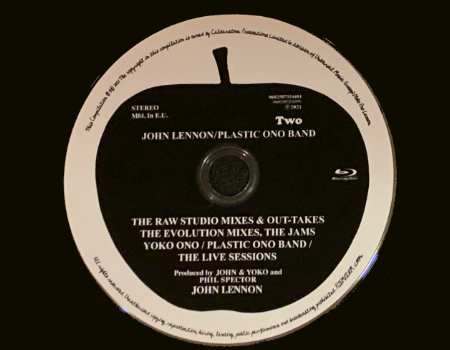
You get “raw” studio mixes including the outtakes (different outtakes!). And then the “evolution” mixes are mini audio documentaries of each track’s birthing process. There are the jam sessions! And, on the Blu-ray you get all the live sessions the band did with Yoko Ono (which became the core for what became her first solo album, also titled Plastic Ono Band). 

The CDs generally sound excellent but if you want to hear the fullest versions, listen on the Blu-ray Discs which are presented at 192 kHz and 24 bit resolution in Stereo. The vinyl LP version of Plastic Ono Band also sounds excellent but only offers you one series of the outtakes (more on that in a bit).

There is so much here I really can’t get to it all in this already-too-long review series, so I’ll try to be as complete as I can (without going to a fourth review!)

OUTTAKES ’n ALTERNATES

All of these tracks sound amazing and offer incredible fly-on-the-wall insights into the process John Lennon went through creating Plastic Ono Band. The remarkable thing is that for all these years many of us thought that Plastic Ono Band was this stripped down raw affair which couldn’t possibly have been as intense a production as, say, The Beatles’ Abbey Road or Sgt. Pepper.  

But when you look at the number of takes Lennon did of some of these songs you realize he went through quite a process to get to that final sound.  He went through nearly 100 takes of “Mother” to get to the final version that opens the album! 

It takes a lot of work and skill to create something seemingly this simple.

My favorite outtakes thus far include the heavily overdubbed 23rd take of “Isolation” with multiple vocal takes all at once. Take 6 of  “Love” is a simple acoustic guitar demo, like he is playing it on a back porch. Take 2 of “Look At Me” is innocent and folksy. Take 27 of “God” is amazing with its somewhat different introduction and vocal style. Take 1 of “Cold Turkey” mesmerizes.

On the Two LP vinyl version of Plastic Ono Band you get a second disc featuring the “Raw” studio mix outtakes as found on the Blu-ray disc (different than the CD). The LP sounds great if you like that format and is a nice complement to the super high resolution Blu-ray version.  

THE DEMOS

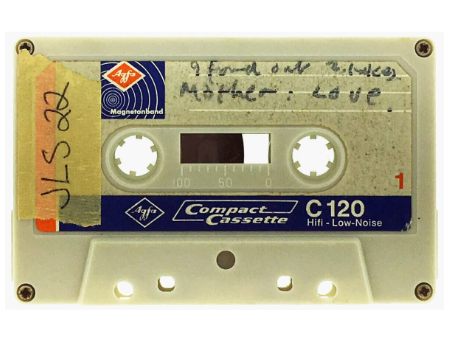
On Disc 6 of the CDs (again, also on the Blu-ray) you get a full set of John’s earliest cassette demos. These “are what they are” sound quality wise, but are an essential part of the journey. Some highlights include the early take of “Mother” played by John on guitar on a heavily vibrato-laden electric guitar. The piano and vocal demo of “Isolation” is a tear jerker as is the similarly produced “Remember.” 

“Look At Me” sounds like it was recorded over a telephone line and is wonderful as the essence of the song is all there even at this early stage. “God” is probably the most radical departure, strummed early on as a somewhat fast folk song on a guitar. 

Essential listening, no doubt. 

ELEMENTS MIXES

Stripping each song down to its most basic essence, these are a fascinating study in the power of isolating performance details

“Mother” is especially haunting, stunning and beautiful presenting Lennon’s vocal take in its entirety without any backing. It is especially harrowing to feel the emotion in his voice toward the end, alone on the high wire without a net.

“Hold On” is beautiful just as a solo electric guitar and vocal mix. “I Found Out” is an alternate vision of the song with funky congas changing up the vibe. Lennon breaks into some rock ’n roll oldies during the ensuing jam session — this would have been an amazing song for Lennon to play live!  

The “Jews Harp” boinging in the background behind “Remember” is a fascinating timekeeper, establishing a bouncing beat reminiscent of McCartney’s bridge section on The Beatles’ “A Day In The Life.” The extra resolution on the Blu-ray Disc version is important here as the harp is more audible their than on the CD — at roughly four times the resolution of a CD, this is an easy to comprehend example of what the 192 kHz, 24 bit version delivers. 

The elements take of “God” places Lennon’s voice in an enormous echo chamber!  His vocal approach is completely different, almost like a quiet church prayer vs. the soul-torching take that ended up on the final take. 

“Cold Turkey” without vocals is tremendous. Listen for the ring of Ringo’s snare drum and bits of sweet feedback chiming from the guitars. Ringo’s kick drum and Klaus’ bass are way up in the mix, making it very powerful on the low end. This sounds especially great on the Blu-ray Disc. 

THE RAW MIXES

These versions may actually rock a bit more than the regular album given they are unencumbered by any real production beyond how the microphones were set up. Each song is mixed raw without effects, tape delays or reverbs.  In someways, these raw mixes are more pure John Lennon without the relative vagueness of Phil Spector’s aesthetics.   

Lennon could have put out Plastic Ono Band like this back in the day and it would have perhaps shocked even more. When you hear his throat-tearing vocals on “Mother” you realize that most of the sound of Plastic Ono Band was nailed down before Spector added his final touches.  “Remember” is remarkable as it rocks madly stripped naked to its core.

THE JAMS

Disc 6 features fun outtake jams from the session with John and the band letting loose working through some rock ’n roll oldies. Included are “Johnny B. Goode” and “Ain’t That A Shame.” They break out  a track the early pre-fame Beatles used to do live called “Glad All Over” (there are BBC recordings of them doing this, with George singing). And there are neat oddities like “Lost John” and The Weavers’ traditional folk classic “Goodnight Irene.” We even get treated to an early acoustic guitar version of a song that ended up on the Imagine album, “I Don’t Want To Be A Soldier,” which sounds more like the Grateful Dead than an ex-Beatle!

THE EVOLUTION MIXES

As in the prior Imagine boxed set, here in this new Plastic Ono Band collection we get a series of fascinating audio-only quasi documentaries. Here the producers take you through the formation of each track leading up to the final take. Its fun hearing John working out “Hold On,” even getting a little playful along the way. “Isolation” with the organ at the start of the song is a fascinating church-like variant.

It is also wonderful to hear John interacting with Yoko from the mixing booth on these recordings. Along the way she offers great input to what Lennon was trying to accomplish and clearly has solid working knowledge of the studio process even that early on in their relationship.  

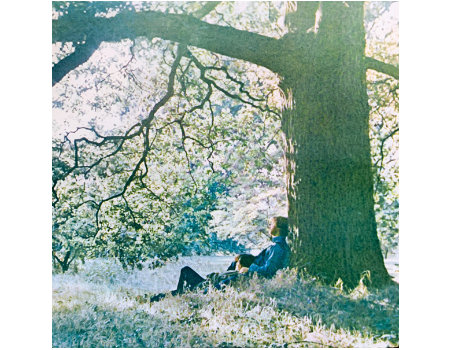
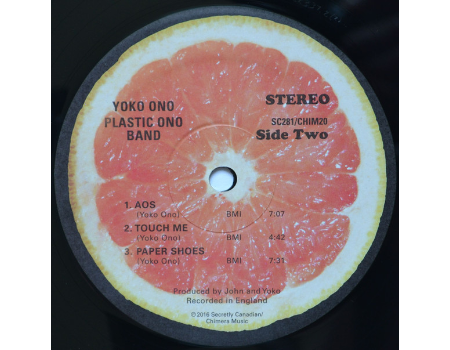
Speaking of Yoko, there is a fascinating bonus Blu-ray Disc in the set which I am still exploring featuring her complete live sessions with the band. These tracks became the basis for her first solo album, also titled Plastic Ono Band and featuring a similar cover design to Lennon’s release here. Once I get deeper into this I plan to write a follow on review as I also recently picked up one of the nice vinyl reissues of her album on vinyl issued on the Secretly Canadian label. More on that soon…

THE BOOK

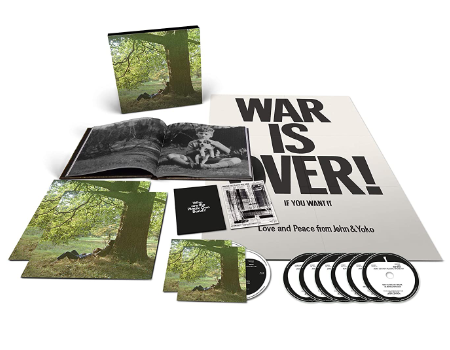
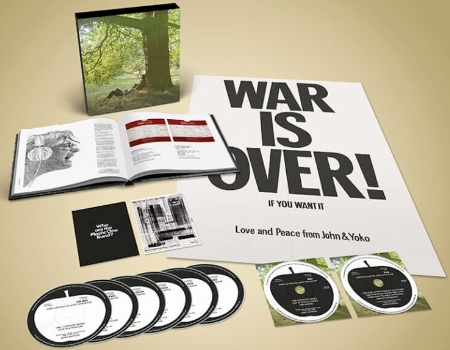
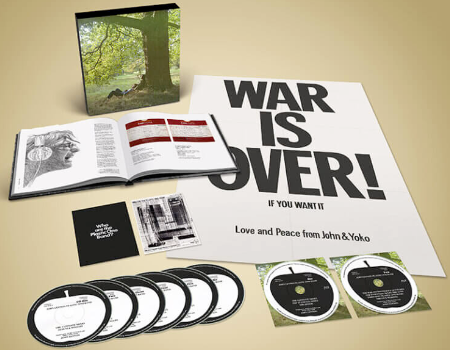
I’d be remiss if I didn’t mention the 100-plus page hardcover book included in the set. This is essential reading as it goes into remarkable micro-detail on all the facets of the set as well as insights into what was going on in John & Yoko’s universe at the time.

Included is fascinating information on the genesis of the Plastic Ono Band name as a group, what it meant and how it was brought out to the world at the time — finally, we get some understanding of the cover image on the “Give Peace A Chance” single! 

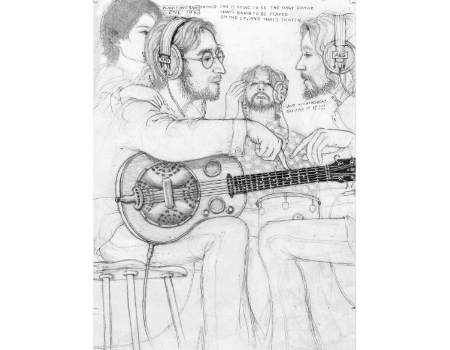
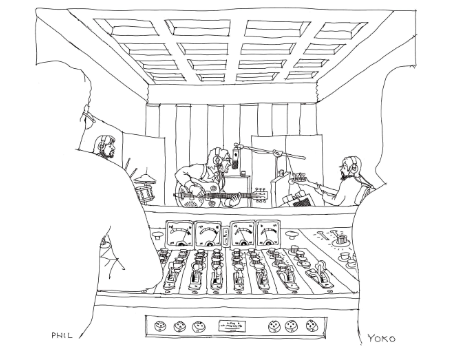
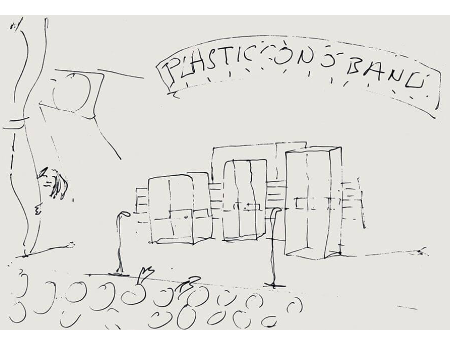
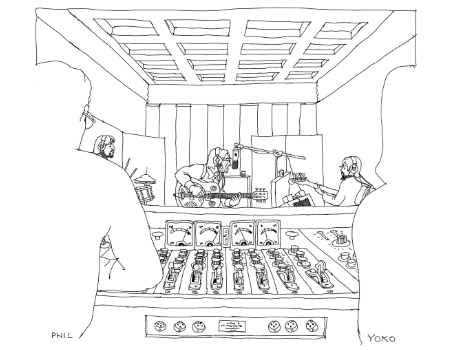
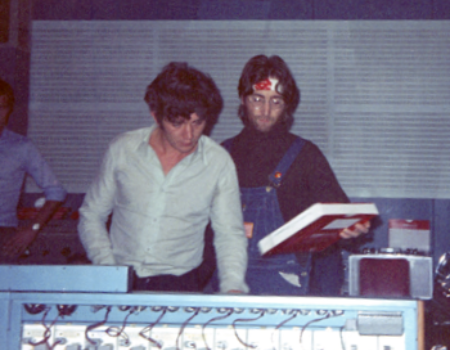
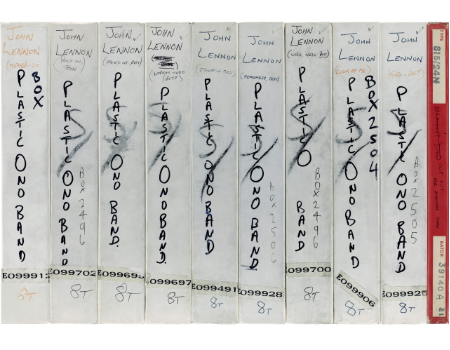
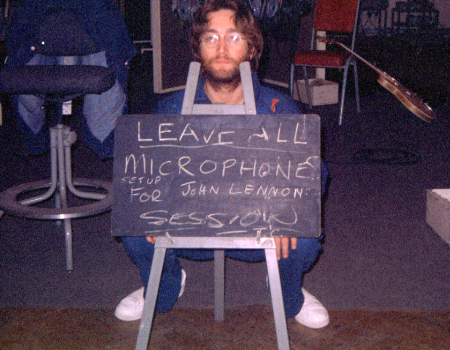
The pictures alone are a fantastic treat, everything from original tape box shots to period pix of John and the band members. Klaus Voormann even contributed drawings he’d made from the sessions (Beatle fans know he drew the iconic cover for The Beatles’ Revolver album). 

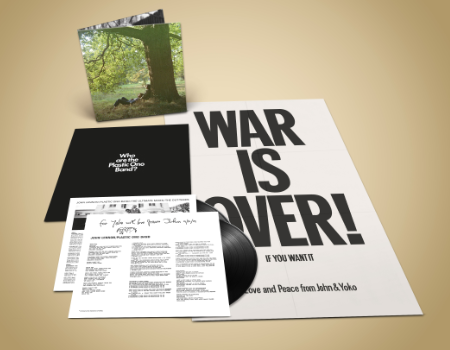
You also get a wonderful “War Is Over (If You Want It) poster and postcards featuring art from Lennon’s early singles from this period. 

So… wow!  Plastic Ono Band is 50 years old and sounds more vital than ever. And now we have this fantastic periscope into Lennon’s artistic creative process which will no doubt be important to music scholars and Beatle-philes for ages to come.  

John Lennon’s Plastic Ono Band 50th Anniversary Boxed Set, Part 2: The Surround Sound Mix

Welcome to the second part of my exploration of the fine new 50th Anniversary super deluxe boxed set celebrating John Lennon’s landmark album, Plastic Ono Band. If you missed Part I of this review series, please click here to jump to it as it explores the brand new Stereo remix. 

The new Surround Sound mix of Plastic Ono Band offers revelations one might not expect from such a simple series of recordings. Its all in the details, yet I realize that the logic may not make sense to some of you who are intimate with the recording. 

If you stop to consider, this is an opportunity to get a bit more inside the heart and soul of the raw sound Lennon created for the album.

The challenge of course is how to create a more immersive feel without deconstructing its essence — the core of the album is effectively a power trio of drums, bass and either guitar or piano, with occasional organ or piano doubling at points. The 5.1 mixes create a subtle sense of the recording studios where the album was made, without getting extreme.

Some insights from engineer Paul Hicks on how all the new remixes were considered and prepared (in a very high resolution audio format) will be helpful here:

“With the Imagine album, there was a lot of matching effects and arrangements. With John Lennon / Plastic Ono Band it was all so much simpler and sparser. In fact there was more time spent cleaning up the audio rather than replicating effects. One of the big reasons for going to 192- 24 rather than 96-24 was how sparse it all is, the clarity, how much of the room and how much detail you can hear – in some cases you can literally hear a pin drop, and that’s part of what makes you feel so ‘present’ in the moment. Like restoring an old master painting, all that painstaking clean-up work will be invisible to most ears, but on a good system, the level of sonic upgrade is really incredible and immensely rewarding.”

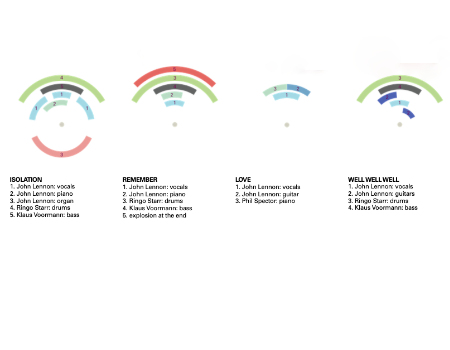
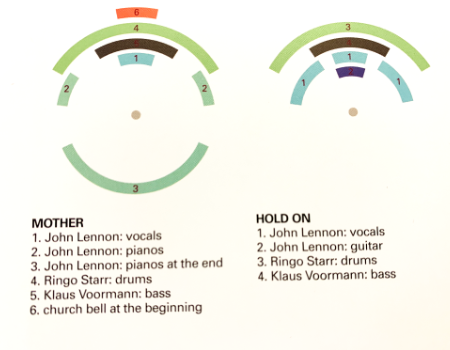
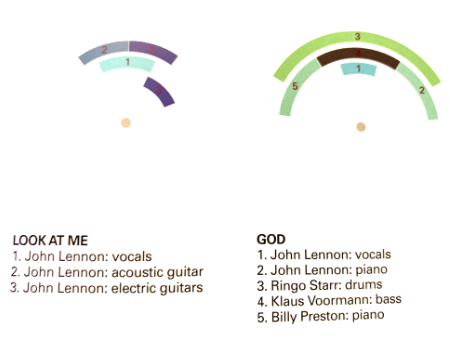
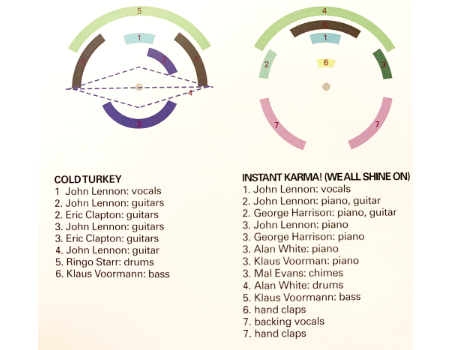
In the lovely hardcover book that comes with the set, engineer Sam Gannon created wonderful sound “maps” showing the approximate placement of particular track elements within the three dimensional surround music field. These are perhaps a bit too honest for their own good as it might make someone think there is nothing going on in the rear surround channels at times — but there is in the form of that aforementioned studio ambiance! However, these maps do emphasize the focus for the recording and where more discrete sounds are roughly located in the three dimensional sound field. 

Wisely, the producers of this new remix opted to keep the focus fairly tight in order to keep true to the original intent and feel of the album, allowing subtle levels of immersion when the opportunity arose naturally

When you play “Working Class Hero,” don’t expect a lot of immersion because the guitar and vocal are wed close together since Lennon was probably playing and singing it in real time. Any ambient flavor of the room it was recorded in would fill out the surround channels. 

Again, an important goal here was to be as true to the original album as possible, so it would not make sense to put John’s piano in one corner and Klaus Voorman’s bass in another (like an early Quadrophonic mix). That might have been interesting for a moment but it would not have the same feel as the original album. So instead, the focus here is the core Stereo mix but with moments where everything fills out more depending on the track.  

My favorites — not surprisingly — are indeed the tracks which tend to wrap around the listener more, such as “Isolation,” especially when the organ comes in from the back. 

Some of the most immersive moments on the Blu-ray Disc in the Plastic Ono Band were not even on the original album at all, but on the singles issued around that period.  So “Give Peace A Chance” envelops the listener with backing vocals and hand claps.

“Instant Karma” sounds bigger still with not only the full band but multiple pianos (played by George Harrison, Alan White and Klaus Voorman) beefing up the sound in co-producer Phil Spector’s classic layered “wall of sound” style recording technique.  

“Cold Turkey is no doubt the most aggressive mix here as the guitar solo sort of floats about you gently in time with the music. It is an appropriately trippy moment that feels right without being gimmicky. See the sound map (to the right) and look for the diamond shape to better understand the motion trajectory of the sound, with you — the listener — the dot in the so-called “sweet spot” in the center.

All in all I really like the surround mixes of Plastic Ono Band and it will definitely be my choice for when I want to listen to the album in high resolution digital form. It doesn’t replace the vinyl or the Stereo mix (for those of you who tend to think in “either/or” terms). but it does provide a wonderfully expanded view of what the album can be, and that is a good thing indeed.

Tune in again here tomorrow on Audiophile Review where I’ll explore the bonus goodies in the set including Demos, Jams and much more.  

John Lennon’s Plastic Ono Band 50th Anniversary Boxed Set, Part I: The Stereo Remix On Vinyl & Blu-ray Disc

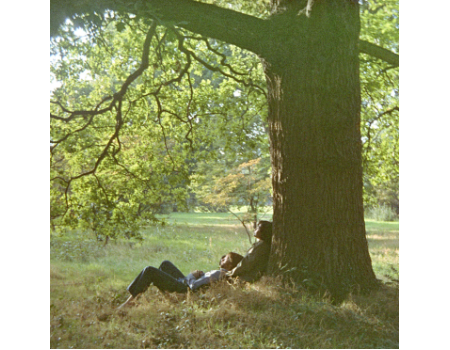
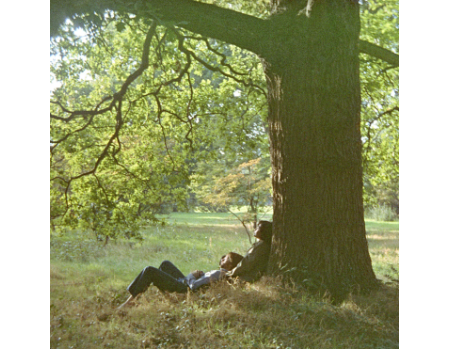
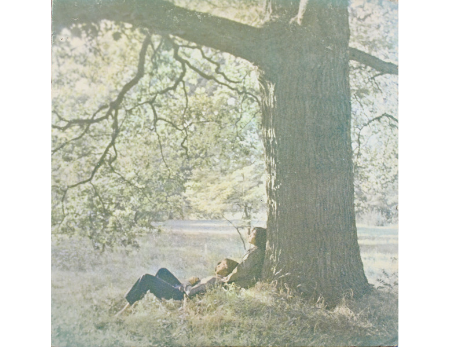
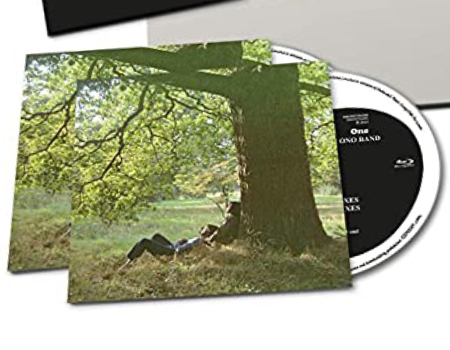
Before I even opened the package, the first thing I noticed about the new 50th Anniversary edition of John Lennon’s Plastic Ono Band is that the cover image looked clearer, like a layer of haze has been removed.

This theme continues inside as much sonic blur has been removed from the recordings, leaving the music and Lennon’s vocals to shine on center stage. 

For those of you who don’t know, Plastic Ono Band was the first true solo album Lennon issued after leaving The Beatles. It was a watershed moment of brutal honesty, powerful lyricism and dynamic musicality.

A bookend of a sort to Paul McCartney’s very different first solo release, both albums were the polar opposite of what The Beatles were about. The sound is mostly stripped back to raw vocals, guitars , piano, bass and drums. Here, Lennon puts his heart on the table and the song titles reveal much about what to expect:  “Working Class Hero,” “God,” “Isolation,” “My Mummy’s Dead” and “Love.”

For the 50th Anniversary deluxe edition of Plastic Ono Band, executive producer Yoko Ono Lennon followed the path employed on the recent Gimme Some Truth and Imagine – The Ultimate Collection sets. The set features new mixes which are faithful and respectful to the originals, yet are sonically clearer with attention to improve the clarity of John’s vocals.  

In case you missed it, you can read my multi-part review of Gimme Some Truth by clicking here for the Stereo, here for the Surround Sound mix and here for the other bonus goodies. For Imagine – The Ultimate Collection, I also reviewed the Stereo and Surround mixes as well as Bonus tracks.

Plastic Ono Band has been fully remixed by Paul Hicks at Abbey Road Studios under Yoko’s supervision. Working from high-definition 192 kHz, 24-bit transfers of the original first-generation multitrack recordings, the result is quite remarkable and at times stunning. Given the seeming simplicity of the original recordings, much new detail is revealed.

I like this new Stereo mix of Plastic Ono Band a whole lot as it is more direct and yet still feels right.  Listening to the new LP edition, the first thing I noticed was that the church bells at the start of “Mother” are clearer.

“Hold On” is one of my favorites of the set sounding richer with Klaus Voorman’s bass prominent in the mix. Listen for the beautiful decay on Ringo’s final cymbal crash there. John’s amplifier skronk on “I Found Out” is more ripping than ever. “Isolation” sound so fantastic now, with Voorman’s bass resonating in lock step with Ringo’s strong kick drum, providing an even more solid foundation for John’s piano. When John sings “I… I… I … soo… layyyyy tion” before leading into the dramatic double tracked bridge, the impact is more haunting than ever.  

“Remember” sounds amazing, with Klaus, Ringo and John connected instrumentally as one on the verses. It may be my favorite among the new remixes (more on that in a bit)

There are some badass guitar parts on “Well Well Well” that are much more audible now. Notably, listen for the sort of Pete Townshend-esque / Jimi Hendrix-like rips which Lennon plays intermittently throughout the song (which were buried further down in the mix previously). Lennon’s primal screams here have never sounded more… well… primal!  

Billy Preston’s gospel-tinged piano on “God,” sounds woodier and more open than I’ve ever heard. Even “My Mummy’s Dead” sounds less boxy.

My only issue with the vinyl pressing was that there was some paper dust on the discs (in the inner-sleeve) causing some surface noise along the way. After I gave the album a washing however it sounded fine, the noise floor of the vinyl basically disappearing. I had a similar problem with early pressings of Paul McCartney’s New album when it was first released some years back but this new occurrence was nowhere near as bad; hopefully my copy is just a one-off issue. Otherwise, the thick black 180-gram vinyl is dark, quiet and well centered.

The Stereo mix on the Blu-ray Disc version of Plastic Ono Band in 192 kHz, 24-bit fidelity is a wonder in its own right. It offers much of the same vibe as the vinyl but is a bit more open sounding.

I suspect this may be because there was no need for additional compression as there is no vinyl disc mastering stage (which helps to keep your stylus from flying off the grooves). It is a bit brighter sounding of course but not in an off putting way. It feels very natural, actually.

Tracks like “Hold On” have an incredible presence even more than the vinyl. The crack of Ringo’s rimshots on the verses is more distinct. I noticed a nice rhythm he gets going there that isn’t quite as apparent on the LP version (listen for the rimshot followed by two ticks on the high hat which create that buoyant pulse making the song fly). 

On “Isolation” you can hear Ringo’s snare resonate more while the tom toms sound huge, enhanced by that classic way in which only Ringo can play them. The cymbal crashes on the bridge are more present with a lovely decay. 

As good as it sounds on the Blu-ray version, I do think I prefer the way “Remember” sounds on the vinyl edition. Either way, the drums and bass are rich and round supporting Lennon’s incredibly natural sounding piano.

Listen for the slap echo on Ringo’s kick drum and how it interacts with Klaus Voorman’s bass thump on “Well Well Well”— it makes the heartbeat-like rhythm pulse.  Again, Lennon’s ripping power chords stand out beautifully in this new mix. 

Interestingly, “God” sounds a bit different on the Blu-ray version than the vinyl version. Purely speculating, I wonder if it is the effect of the compression applied in vinyl disc mastering, especially given that the track is nearly the last on the album. John’s falsetto vocal toward the end, where he sings “I was the Walrus, but now I’m John” sends a shudder down the spine. 

All in all this new Stereo mix of Plastic Ono Band is very enjoyable and a lovely complement to the original. I think it is an important release which allows fans of the recording to hear it in a new light. And for first-time listeners, it presents the music even more directly, in a timeless flavor beyond the slightly echo laden, dated mix by original co-producer Phil Spector. 

In Part Two of my listening report on the new 50th Anniversary edition of John Lennon’s Plastic Ono Band I’ll explore the 5.1 surround sound remixes. Much more Lennon joy to come. Stay tuned.