Tag Archives: Klaus Voormann

George Harrison’s All Things Must Pass 50th Anniversary, Part 3: The Demos

In part one and part two of my listening report on the news super Deluxe Edition of George Harrison’s 1970 epic first solo album, All Things Must Pass, we explored the brand new stereo and surround sound mixes respectively. If you missed those portions of the review please click here for the stereo and here for the surround sound to catch up.

Today we’re going to explore the wealth of demos and outtakes in the boxed set.

One of the big-smile-inducing — and even enlightening — moments for me while listening to this set occurred when I got to a particular outtake on Disc Five of the new George Harrison All Things Must Pass boxed set. There, a two minute take of George and his band doing The Beatles’ smash hit ”Get Back” is a wonder. It is not a total throw-away lark. He’s got all the lyrics down on it and they are working through the tune, replete with an acoustic guitar solo and horn section punching up the chorus hooks. It is so great to hear George embracing a Beatle tune in a new way.  

There are other revelatory moments on this wonderful boxed set which you’ll get to explore across two full CDs of demos cut on the first two days of recording sessions for All Things Must Pass.  These are a combination of solo George Harrison acoustic performances as well as some backed by a core power trio  (likely Ringo Starr on drums and Klaus Voormann on bass guitar).

Much like the demos on the recent John Lennon Imagine and Plastic Ono Band sessions sets, these are a wonder because you’ll hear — in many cases — just how fully formed Harrison’s ideas for the songs were.

So on some tracks you’ll hear George singing arrangement parts that ended up as orchestral or pedal steel guitar counter melodies on the final recording. It is really quite fascinating and wonderful to experience. In effect, you’re hearing the audio equivalent of a master painter’s pencil sketch before he even gets to canvas

One of the biggest surprises for me as a lifetime Beatle-and-George-Harrison fan was hearing a blues-y back porch, dobro slide guitar version of a song which didn’t appear on an album until Harrison’s 1976 release titled 33 & 1/3 — “Woman Don’t You Cry For Me.” It’s a great version of the song and a nifty twist showing how he’d originally envisioned the arrangement which ultimately ended up a sort of slightly funky rocker. 

Amidst the demos are quite a number of songs which did not make it onto the final album. In some instances it’s quite obvious as to why they were left off given the sheer strength of the other songs they were up against. In some instances I suspect that thematically and perhaps musically some of the songs didn’t quite fit in.

In the original triple-album boxed set there was a disc titled Apple Jam which pretty much delivers exactly what it implies: loose free wheeling jamming between the session musicians. These jams include work which is considered the first recordings of the legendary band that became known as Derek and the Dominoes. 

In the All Things Must Pass box set the jams are extended with fun alternates, out-takes and some vintage covers. Don’t be shocked by the hysterical partial take of “Isn’t It A Pity.”  The 1929 barbershop gem “Wedding Bells (Are Breaking Up That Old Gang Of Mine)” at first seemed surprising but the wiki reminded me that Gene Vincent included a cover of it on his 1956 debut.  The spiritual “Down To The River (Rocking Chair Jam)” is another surprise joy.  And the “Almost 12 Bar Honky Tonk” is a better jam than much of what ended up on the original Apple Jam disc!

And so it goes on this richly rewarding collection.

All Things Must Pass is rounded out by a beautiful booklet curated by Harrison’s wife Olivia. It also features many behind-the-scenes photos of the sessions, reminiscences as well as a track by track overview of what is on the collection.

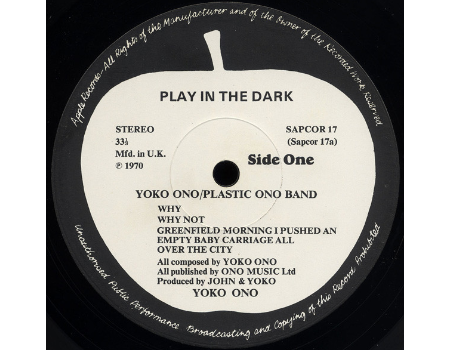
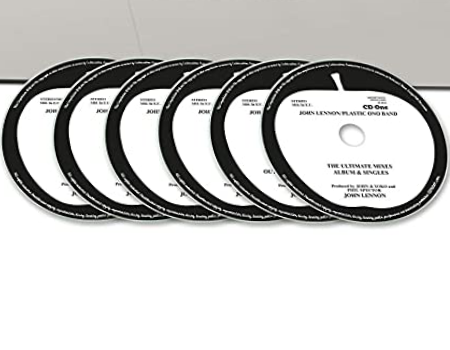
From a design standpoint, I also like the small form of this box that which is a bit more compact than even the John Lennon sets but it feels no less robust. In fact I think it’s quite beautiful the way it’s laid out, especially with its purple-bordered, orange-trimmed interior and red ribbon adding an air of elegance to the package.  I also have to comment that it’s really cool how they used the design of the actual Apple Records demo labels for the demo disc.  It is this sort of attention to detail that Beatle fans appreciate. 

In tomorrow’s closing episode I’ll explore the eight LP vinyl version of All Things Must Pass, a super duper deluxe boxed set with the original three LP set and a five disc version of the demos and bonus material. Be sure to tune in…

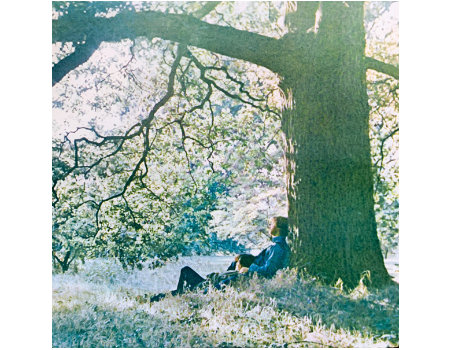
Yoko Ono’s Plastic Ono Band, 50th Anniversary Live Session Blu-ray

In 1970 John Lennon released an album called Plastic Ono Band which was quite shocking to most fans of The Beatles’ music; noted for its brutal honesty and raw stripped back presentation, it went on to become a classic which many regard as Lennon’s finest work.

This album has recently been celebrated in brand new 50th Anniversary stereo and surround sound remixes which I reported on last week. In case you missed those reviews, please click on these numbers ( 1, 2, 3 ) to jump to the whole three part series. If you are not familiar with the album or the boxed set (which comes out later this week), reading those reviews will provide useful perspective to understand and appreciate another album recorded during those same sessions.

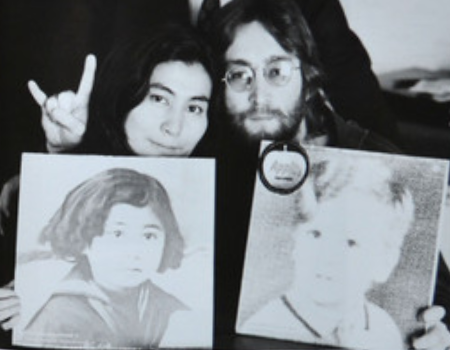
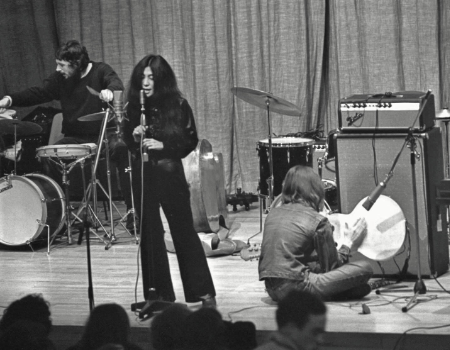
Simultaneous with the release of Lennon’s album, his wife and life partner Yoko Ono also issued her first solo record under the same title. Both albums, however, couldn’t be more different and that is the focus for the review today, looking into Yoko’s brilliant, futuristic and ultimately timeless recording. Included on the second Blu-ray Disc in the deluxe edition boxed set of Plastic Ono Band are the complete live tracking sessions featuring Ono backed by a power trio comprised of Lennon’s electric guitar and feedback with rock solid rhythmic support from drummer Ringo Starr and their close friend Klaus Voorman on bass. These recordings are quite incredible and incredible sounding — presented in 192 kHz, 24-bit fidelity — all offering fascinating insight into how her first album was created. 

These recordings — and her subsequent albums — were extremely influential on artists as diverse as The B-52s, Lene Lovich, Sonic Youth, The Flaming Lips and many others. 

There are some very insightful comments about these live recording sessions included in the Plastic Ono Band 50th Anniversary boxed set from people involved with making the album including Yoko, John Lennon, Klaus Voorman as well as engineers John Leckie and Phil McDonald. These personal notes shine important light on the album, its intent and creation better than I could so rather than edit them I’ll just share these with you complete and unedited:

Yoko: “When John was recording, I was mostly in the control room and John was making his music and sometimes he had to fool around a bit just to get inspired. He just kept on jamming and then suddenly I realized it was just really beautiful jamming, he’d started something very unusual with the guitar. I was listening to what they were doing and I just couldn’t help it. I thought, ‘well, I just have to join them. This is great!’”

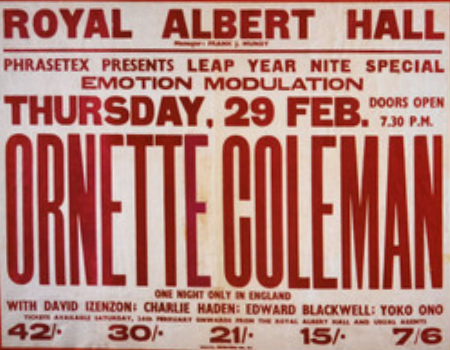
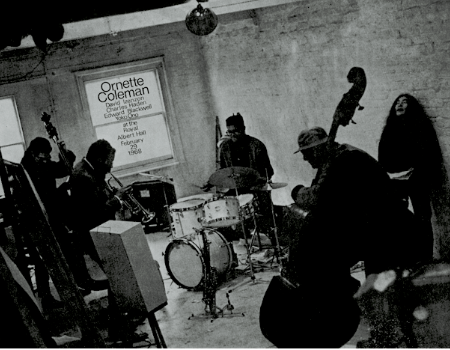
Klaus: “We knew Yoko was gonna do her album. We didn’t know how it was actually going to work or what she was going to do. We heard a few tracks she did and I found that very interesting. There was some great horn player, I think it was Ornette Coleman. She had some great musicians and three jazz players, really really good. So we tried to do the same thing and John was open to it.” 

Yoko: “The kind of improvisation that I was doing by myself only had to do with my body rhythm, when you just totally rely on your body and let your body take you to wherever the body wants to go, it seems like all the strange things come out. I’m letting my body do it and that startles me too. It’s almost like the Primal Therapy thing and like the Japanese kind of vocal, or the operatic vocal, all the moaning and groaning and screaming, all kinds of things that I experienced in my life came out.” 

Phil McDonald: “I think what people didn’t realize was the fact that she sang as in Japanese, which some classical Japanese singers sing, and this screaming that she did was actually part of her culture. To us, it sounded like screaming but to her it was a musical note. To get this ultimate scream, it could take a while to produce. They weren’t ordinary screams, they were yells, demonstrative. They were calculated, and I don’t know how the heck she did it.” 

Lennon: “I’m a cinema verité guitarist and you have to break down your barriers to be able to hear what I’m playing. There’s a point on the first song where the guitar comes in and even Yoko thought it was her voice. It became like a dialogue rather than a monologue and I like that, stimulating each other. And that happened in the drumming and bass too, they get like that too. And it’s very interesting that you don’t know who is really inspiring who, it just goes on like that.” 

Over the course of the live jam session recordings we indeed hear the framework for what became Yoko Ono’s Plastic Ono Band album emerging and it’s a wonderful journey. 

Ringo and Voorman drive the rocking-yet-sympathetic rhythm section, giving Lennon the freedom to generate various noises and feedback created with his guitar, often in a kind of duet with Yoko’s vocal improvisations.  

Where all this gets especially interesting is when you go back and listen to the final album and you can understand better how it was crafted.  Listening to the live sessions sandwiched between reference spins of the final album, you realize Yoko had a quite clear vision for the kind of recording she wanted to deliver.  Lennon, Ringo and Klaus Voorman laid down an array of throbbing proto-punk-ish blues rock jams which Yoko took to another level with her inspired vocal treatments. 

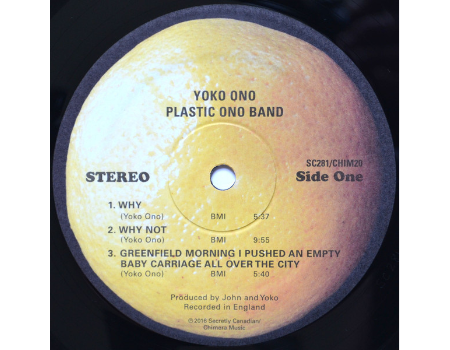
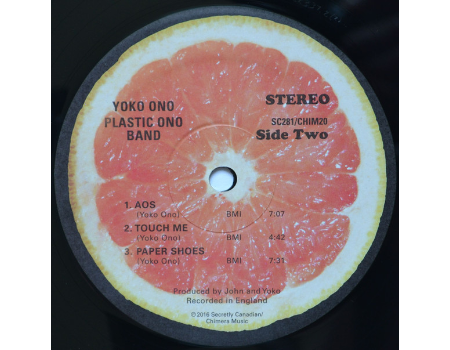
According to the Plastic Ono Band boxed set liner notes: ”Yoko edited, manipulated, sped-up, slowed down and augmented her chosen improvisations, adding sound effects and delays to create her album Yoko Ono/Plastic Ono Band.” I recently bought a nice reissue of Yoko’s Plastic Ono Band album and while the vinyl sounds great — and the final mix terrific — these live sessions are almost rawer and richer if that is possible. Ultimately, however, I do like the final album better as the impact of Ono’s production is important. For example, cutting suddenly from heavy jams into the sound of subway trains churning at approximately the same tempo creates quite an image of the power of the band.  

The innovative tape loop of George Harrison’s sitar playing at the start of “Greenfield Morning I Pushed An Empty Carriage All Over The City” is a haunting introduction to the portions of the jam which were used. Consider that today we hear digitally generated loops every day on most pop recordings and near every Tik Tok video I’ve seen. Yoko and John were working with them in a purely analog manner 50-plus years ago!  I love the bird sounds at the end of that song which feel like the same ones used at the introduction of the original version of Lennon’s “Across The Universe” (the 1968 version prepared for a 1969 LP benefitting the World Wildlife Fund, No One’s Gonna Change Our World)

Another favorite is the very Captain Beefheart-esque “Don’t Worry, Kyoko” (which adds Eric Clapton to the line up).  I can’t emphasize this enough just what a great rock improvisors Ringo and Klaus were together. There are also three previously unreleased improvisations on the Blu-ray Disc which were not included in the final album: “Life,” “Omae No Okaa Wa” and “I Lost Myself Somewhere In The Sky.”

There is a lot to experience here and I am still working my way through it.  So, when you get the Plastic Ono Band boxed set, do take some time to immerse yourself in Yoko’s world. And then, if you don’t already have her album, do get it to fully appreciate her vision. It is a rewarding journey.

John Lennon’s Plastic Ono Band 50th Anniversary Boxed Set, Part 3: The Outtakes, The Alternates & Other Things

My deep dive into the 50th Anniversary super deluxe boxed set celebrating John Lennon’s landmark solo album Plastic Ono Band concludes today exploring some of the outtakes, alternates, and other fascinating bonuses on this rich collection. In case you missed Part II on the new Surround Sound mix, please click here. And for Part I on the Stereo remix, click here. 

Plastic Ono Band presents multiple visions for the album. Each CD — also included on the Blu-ray Disc — gives you 14 tracks, corresponding album tracks plus period singles in various states of being. New “ultimate” mixes of studio out-takes are offered as well as new mixes/remasters of demos and new mixes of the “elements.”  

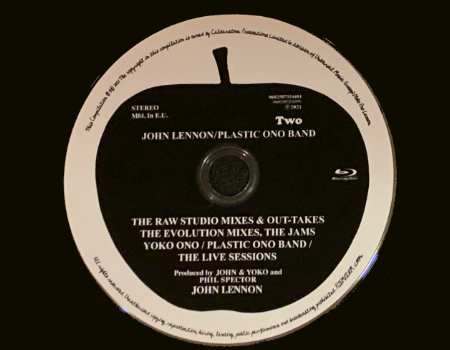
You get “raw” studio mixes including the outtakes (different outtakes!). And then the “evolution” mixes are mini audio documentaries of each track’s birthing process. There are the jam sessions! And, on the Blu-ray you get all the live sessions the band did with Yoko Ono (which became the core for what became her first solo album, also titled Plastic Ono Band). 

The CDs generally sound excellent but if you want to hear the fullest versions, listen on the Blu-ray Discs which are presented at 192 kHz and 24 bit resolution in Stereo. The vinyl LP version of Plastic Ono Band also sounds excellent but only offers you one series of the outtakes (more on that in a bit).

There is so much here I really can’t get to it all in this already-too-long review series, so I’ll try to be as complete as I can (without going to a fourth review!)

OUTTAKES ’n ALTERNATES

All of these tracks sound amazing and offer incredible fly-on-the-wall insights into the process John Lennon went through creating Plastic Ono Band. The remarkable thing is that for all these years many of us thought that Plastic Ono Band was this stripped down raw affair which couldn’t possibly have been as intense a production as, say, The Beatles’ Abbey Road or Sgt. Pepper.  

But when you look at the number of takes Lennon did of some of these songs you realize he went through quite a process to get to that final sound.  He went through nearly 100 takes of “Mother” to get to the final version that opens the album! 

It takes a lot of work and skill to create something seemingly this simple.

My favorite outtakes thus far include the heavily overdubbed 23rd take of “Isolation” with multiple vocal takes all at once. Take 6 of  “Love” is a simple acoustic guitar demo, like he is playing it on a back porch. Take 2 of “Look At Me” is innocent and folksy. Take 27 of “God” is amazing with its somewhat different introduction and vocal style. Take 1 of “Cold Turkey” mesmerizes.

On the Two LP vinyl version of Plastic Ono Band you get a second disc featuring the “Raw” studio mix outtakes as found on the Blu-ray disc (different than the CD). The LP sounds great if you like that format and is a nice complement to the super high resolution Blu-ray version.  

THE DEMOS

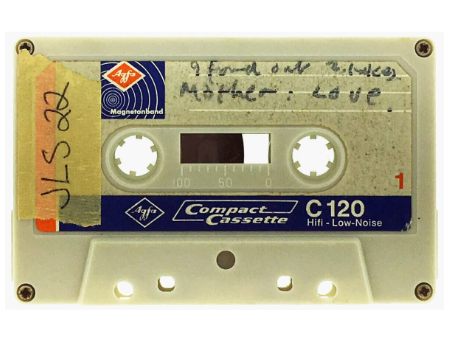
On Disc 6 of the CDs (again, also on the Blu-ray) you get a full set of John’s earliest cassette demos. These “are what they are” sound quality wise, but are an essential part of the journey. Some highlights include the early take of “Mother” played by John on guitar on a heavily vibrato-laden electric guitar. The piano and vocal demo of “Isolation” is a tear jerker as is the similarly produced “Remember.” 

“Look At Me” sounds like it was recorded over a telephone line and is wonderful as the essence of the song is all there even at this early stage. “God” is probably the most radical departure, strummed early on as a somewhat fast folk song on a guitar. 

Essential listening, no doubt. 

ELEMENTS MIXES

Stripping each song down to its most basic essence, these are a fascinating study in the power of isolating performance details

“Mother” is especially haunting, stunning and beautiful presenting Lennon’s vocal take in its entirety without any backing. It is especially harrowing to feel the emotion in his voice toward the end, alone on the high wire without a net.

“Hold On” is beautiful just as a solo electric guitar and vocal mix. “I Found Out” is an alternate vision of the song with funky congas changing up the vibe. Lennon breaks into some rock ’n roll oldies during the ensuing jam session — this would have been an amazing song for Lennon to play live!  

The “Jews Harp” boinging in the background behind “Remember” is a fascinating timekeeper, establishing a bouncing beat reminiscent of McCartney’s bridge section on The Beatles’ “A Day In The Life.” The extra resolution on the Blu-ray Disc version is important here as the harp is more audible their than on the CD — at roughly four times the resolution of a CD, this is an easy to comprehend example of what the 192 kHz, 24 bit version delivers. 

The elements take of “God” places Lennon’s voice in an enormous echo chamber!  His vocal approach is completely different, almost like a quiet church prayer vs. the soul-torching take that ended up on the final take. 

“Cold Turkey” without vocals is tremendous. Listen for the ring of Ringo’s snare drum and bits of sweet feedback chiming from the guitars. Ringo’s kick drum and Klaus’ bass are way up in the mix, making it very powerful on the low end. This sounds especially great on the Blu-ray Disc. 

THE RAW MIXES

These versions may actually rock a bit more than the regular album given they are unencumbered by any real production beyond how the microphones were set up. Each song is mixed raw without effects, tape delays or reverbs.  In someways, these raw mixes are more pure John Lennon without the relative vagueness of Phil Spector’s aesthetics.   

Lennon could have put out Plastic Ono Band like this back in the day and it would have perhaps shocked even more. When you hear his throat-tearing vocals on “Mother” you realize that most of the sound of Plastic Ono Band was nailed down before Spector added his final touches.  “Remember” is remarkable as it rocks madly stripped naked to its core.

THE JAMS

Disc 6 features fun outtake jams from the session with John and the band letting loose working through some rock ’n roll oldies. Included are “Johnny B. Goode” and “Ain’t That A Shame.” They break out  a track the early pre-fame Beatles used to do live called “Glad All Over” (there are BBC recordings of them doing this, with George singing). And there are neat oddities like “Lost John” and The Weavers’ traditional folk classic “Goodnight Irene.” We even get treated to an early acoustic guitar version of a song that ended up on the Imagine album, “I Don’t Want To Be A Soldier,” which sounds more like the Grateful Dead than an ex-Beatle!

THE EVOLUTION MIXES

As in the prior Imagine boxed set, here in this new Plastic Ono Band collection we get a series of fascinating audio-only quasi documentaries. Here the producers take you through the formation of each track leading up to the final take. Its fun hearing John working out “Hold On,” even getting a little playful along the way. “Isolation” with the organ at the start of the song is a fascinating church-like variant.

It is also wonderful to hear John interacting with Yoko from the mixing booth on these recordings. Along the way she offers great input to what Lennon was trying to accomplish and clearly has solid working knowledge of the studio process even that early on in their relationship.  

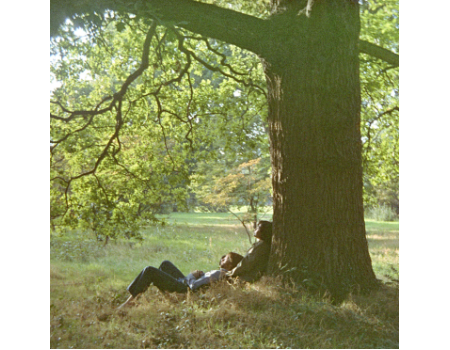
Speaking of Yoko, there is a fascinating bonus Blu-ray Disc in the set which I am still exploring featuring her complete live sessions with the band. These tracks became the basis for her first solo album, also titled Plastic Ono Band and featuring a similar cover design to Lennon’s release here. Once I get deeper into this I plan to write a follow on review as I also recently picked up one of the nice vinyl reissues of her album on vinyl issued on the Secretly Canadian label. More on that soon…

THE BOOK

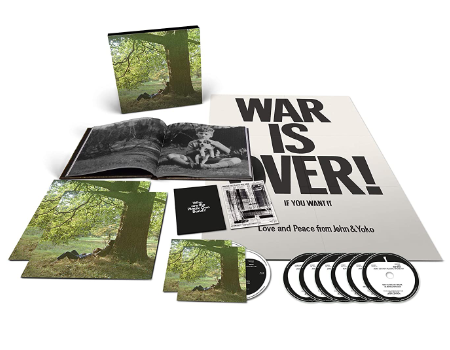
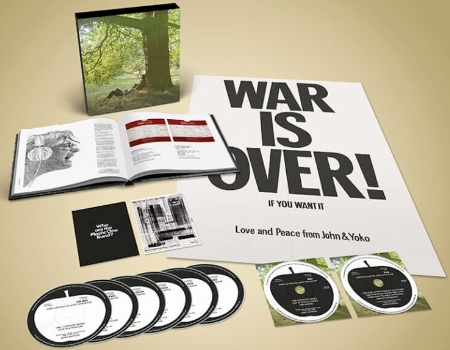
I’d be remiss if I didn’t mention the 100-plus page hardcover book included in the set. This is essential reading as it goes into remarkable micro-detail on all the facets of the set as well as insights into what was going on in John & Yoko’s universe at the time.

Included is fascinating information on the genesis of the Plastic Ono Band name as a group, what it meant and how it was brought out to the world at the time — finally, we get some understanding of the cover image on the “Give Peace A Chance” single! 

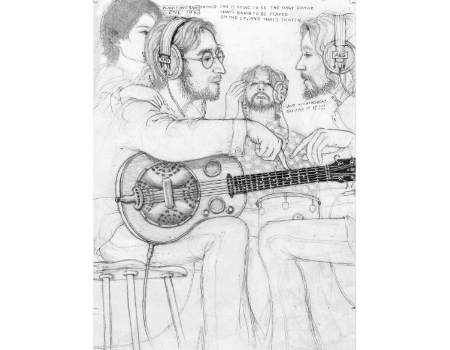
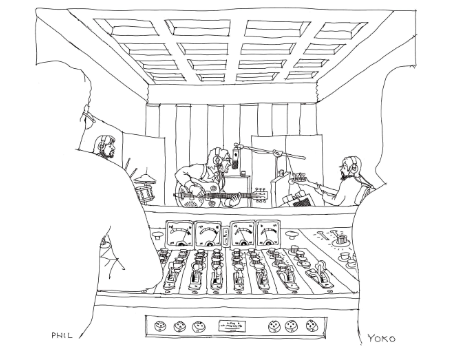
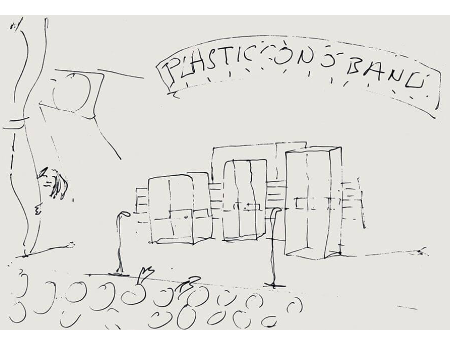
The pictures alone are a fantastic treat, everything from original tape box shots to period pix of John and the band members. Klaus Voormann even contributed drawings he’d made from the sessions (Beatle fans know he drew the iconic cover for The Beatles’ Revolver album). 

You also get a wonderful “War Is Over (If You Want It) poster and postcards featuring art from Lennon’s early singles from this period. 

So… wow!  Plastic Ono Band is 50 years old and sounds more vital than ever. And now we have this fantastic periscope into Lennon’s artistic creative process which will no doubt be important to music scholars and Beatle-philes for ages to come.