
World News
The Original Source Does Mahler on Steroids
The Original Source Does Mahler on Steroids
Herbert von Karajan and the BPO Conquer All on this beautiful Recording, one of many conductor’s best
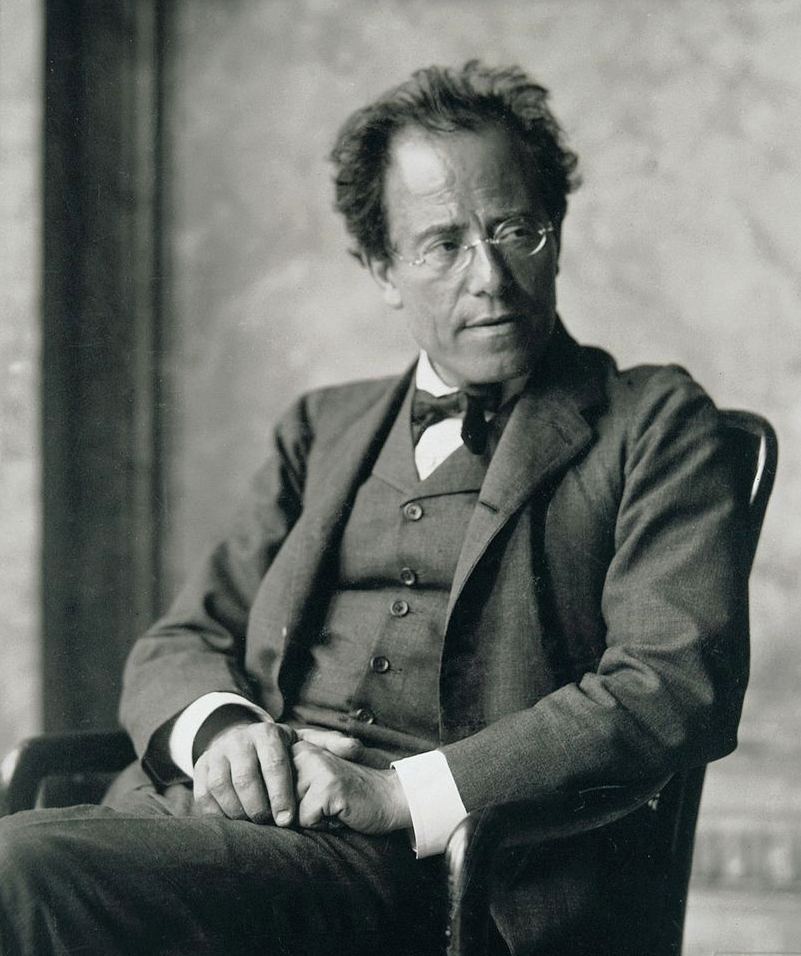 Gustav Mahler (photographed in 1907 by Moritz Nähr on the finish of his tenure as director of the Vienna Opera)
The previous and current wilt—I’ve fill’d them, emptied them.
And proceed to fill my subsequent fold of the longer term.Listener up there! what have you ever to confide to me?
Look in my face whereas I snuff the sidle of night,
(Talk actually, nobody else hears you, and I keep solely a minute longer.)Do I contradict myself?
Very effectively then I contradict myself,
(I’m giant, I include multitudes.)”
Walt Whitman (#51 from Song of Myself)
Like Walt Whitman, and certainly each human soul, every Mahler symphony is a world unto itself, giant and containing multitudes. Each symphony tells a profoundly humanistic story of life’s struggles – with worry and hope, love and loss, loss of life and anxiousness about what might come thereafter – whereas additionally celebrating the worlds of nature and past. It is the everlasting battle to seek out which means in chaos. I believe it’s the explanation these works have develop into so well-liked in our age of modernism, know-how, the loss of life of religion. Mahler’s music is a vivid self-portrait of him grappling to seek out which means in a world he finds ever extra complicated and alienating, at the same time as he clings to the potential for magnificence, grace, love and redemption.
Nowhere is that this battle extra acutely portrayed than within the sixth Symphony, a piece of coruscating ardour, despair and – in the end – nihilism. As the composer himself put it:
"It is the hero, on whom falls three blows of destiny, the final of which fells him as a tree is felled."
In this work, to which the composer finally gave the subtitle “Tragic”, there is no such thing as a hint of the “Resurrection” that transfigured his hero on the finish of the 2nd Symphony. As his buddy and early champion, the conductor Bruno Walter, put it:
“…the Sixth is bleakly pessimistic: it reeks of the bitter cup of human life. In distinction with the Fifth, it says ‘No,” above all in its final motion, the place one thing resembling the inexorable strife of ‘all in opposition to all’ is translated into music. The mounting stress and climaxes of the final motion resemble, of their grim energy, the mountainous waves of a sea that may overwhelm and destroy the ship; the work ends in hopelessness and the darkish evening of the soul. Non-placet is his verdict on this world; the ‘different world’ isn’t glimpsed for a second.”
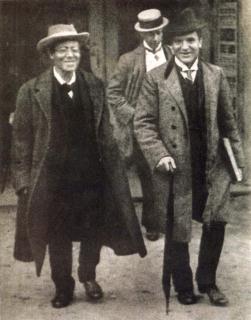 Mahler (l.) and Bruno Walter in Prague, 1908
And but, for all its nihilism, I discover this to be some of the invigorating, most compelling, most life-affirming of all Mahler’s symphonic utterances. The battle is all. A superb efficiency will put you thru the ringer, for certain; however an awesome efficiency will scramble your guts, claw at your soul, and power you on a journey that encompasses your complete life and consciousness. Though it should fell you mightily with these last hammer blows (extra on these later), its implicit problem will likely be to tug your self out of the rank pit of despair and battle as soon as extra.
“Rage, rage in opposition to the dying of the sunshine!”
I believe this file captures one such efficiency, and in its new Original Source incarnation, Karajan and the Berliners’ scorching rendition emerges much more fiercely to problem Dark Fate to do Its worst.
Bring it on!
The irony of all that is that the symphony was written throughout an particularly comfortable interval of Mahler’s life. Recently married to Alma Schindler, with one younger daughter the composer doted on, and one other on the way in which, the composer was additionally on the peak of his success as a conductor on the Vienna Opera.
 The Mahler House at Maiernigg
Yet in 1903, throughout his ordinary summer time break at Maiernigg devoted to composition, within the idyllic environment of the Austrian mountains, he started to put in writing a piece which, whereas representing in some ways a summation of the 5 symphonies that had preceded it, displayed a pessimistic hue. In addition to the work’s battle with existential dread, was this maybe additionally a “placing to relaxation” of his compositional journey to this point in order that he may transfer ahead unencumbered? There is unquestionably a way on the finish of the work of getting laid waste to all that has gone earlier than.
 Mahler’s Composing Cottage at Maiernigg
The work unfurls as an intense psychodrama, depicting a “hero” caught between forces of destruction and Fate that will drag him down, but additionally consumed by passionate love and aspirations of transcendence. The hero desperately fights for one thing past a mere act of survival.
The symphony is forged in 4 actions, although the order wherein they’re performed stays a supply of competition. The opening Allegro is a relentless march, eerily prophetic of navy jackboots. Karajan and the BPO launch into it with ghoulish double-basses, a relentless ahead movement that conveys a way of the orchestra being untethered. The strings each chunk and soar. Listen out for the fantastically textured tam-tam and the snarling xylophone, simply a part of a wealthy, always shifting orchestral panorama. A "March into Hell" with beautiful vistas.
All of that is contrasted by the second topic, a hovering lyrical melody that recurs all through the entire work, representing the composer’s spouse, Alma, who recalled: “After [Gustav] had drafted the primary motion, he got here… to inform me he had tried to precise me in a theme. ‘Whether I’ve succeeded I don’t know; however you’ll need to put up with it.’”
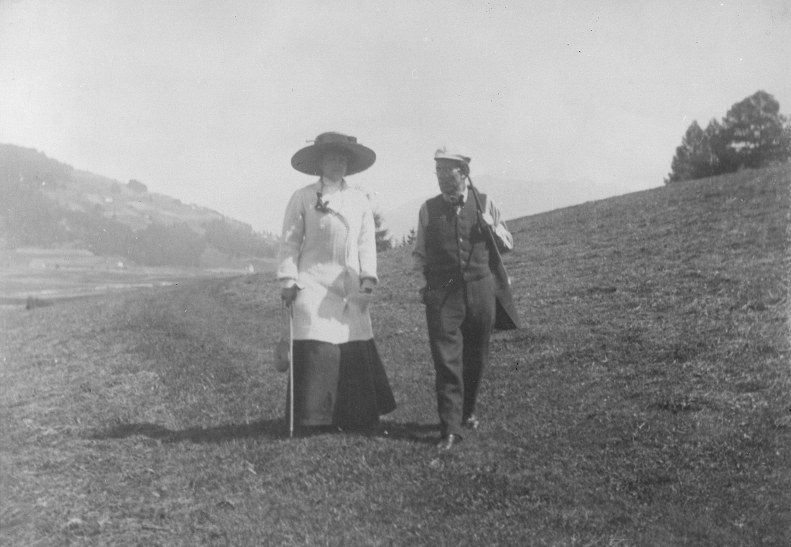 Alma and Gustav in 1909
The nearly demonic Scherzo – all fragmentation and dissolution – was initially positioned second within the first revealed version, however throughout rehearsals for the primary efficiency in 1906 Mahler moved the sluggish Andante to that place, putting the Scherzo third, the place it remained in later editions. The order wherein these actions needs to be carried out stays unsettled, and totally different conductors do it in a different way. Leaving the Scherzo second emphasizes the novel manner wherein the symphony disrupts regular customized (and if nothing else it is a profoundly disruptive work). It additionally accentuates the sense that the Scherzo acts as a hair-raising “darkish universe” reflection of the primary motion.
Listen out for the intricate string work, with sonically vivid col legno (when gamers use the wood aspect of the bow to hit the strings). The demonic progress degenerates right into a demented tango. Timpani hits within the Original Source mastering have depth and texture; tam-tam, bass and brass growl like Fafner awakening to face younger Siegfried – however on this world of the Upside-Down the dragon will slay the Hero. An exhilarating solo trumpet rings out clear and true, unrestrained in any manner by the mediation of recording know-how. As the motion limps in the direction of its conclusion there’s a sense that we’ve got heard the orchestra being dismantled piece by piece, till all that is left is a halting low bass – then silence.
This world does certainly finish with a whimper, not a bang.
Then the third motion Andante acts as a a lot wanted respite earlier than the epic journey of the Finale.
This is the motion order that Karajan follows, and it’s actually the order I choose.
After the nihilism of the primary two actions, replete with ghastly pre-echoes of the conflict that will devour Europe inside just a few years of the composer’s loss of life in 1911, the Andante seems like a sluggish blooming Spring flower in a excessive Alpine pasture, pushing its buds by means of the melting sluggish. Here the Berliners’ excessive violins float each effortlessly and intensely. The glistening silver strains of the celeste, removed from Nutcracker Land, fall like dew. It is considered one of Mahler’s most chic creations, much less clearly effulgent than the sluggish actions of the third and fifth Symphonies, but it surely builds inexorably to a climax (with a radical, heart-stopping key-change) that by no means fails to deliver a lump to my throat, tears to my eyes: a musical depiction of Alpine meadows in full colourful bloom after the wastes of Winter. You’ll comprehend it whenever you hear it.
Even the minutely imperfect tuning of the ultimate chords is irrelevant. Karajan was well-known for letting lower than good takes stand if the music was proper. Let it even be famous that he was well-known for recording in for much longer takes than different conductors, lending a "dwell" high quality to the classes – an element a lot in proof right here.
At this level it’s essential to remind oneself of Alma Mahler’s phrases:
“The Sixth is probably the most utterly private of his works, and a prophetic one additionally. On him too felled three blows of Fate, and the final felled him. But on the time he was serene; he was acutely aware of the greatness of his work. He was a tree in full leaf and flower.”
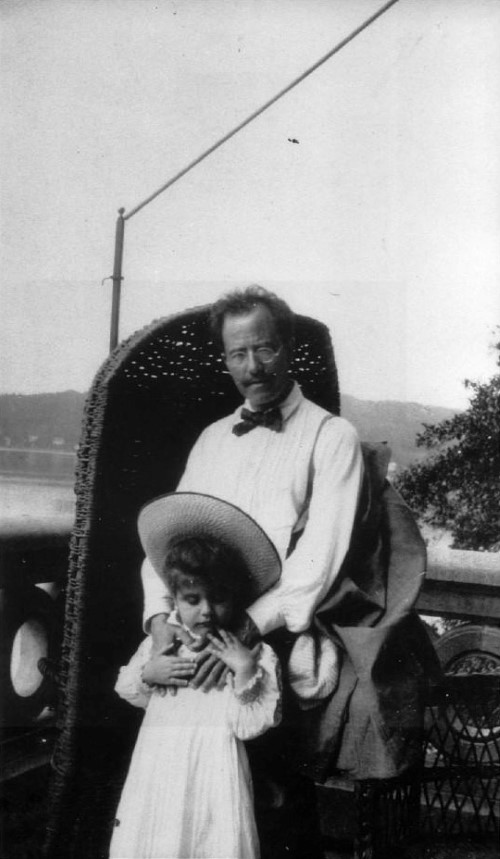 Mahler together with his daughter Maria at Maiernigg in 1905 She would die a brief two years later.
That second of serenity on the finish of the third motion is the purpose from which the large final motion begins its tortured journey. A low pizzicato within the strings, a cascade from harps and celeste, announce a hovering string line greedy on the heavens that’s lower down by a large main chord within the wind and brass that then turns to the minor, – victory turning to defeat – accompanied by the march rhythms from the primary motion within the timpani. The string line collapses downwards, ending up by disintegrating into the halting ‘cellos and basses. Karajan’s manner with that is unmatched, at an ideal tempo, with the wealthy Berlin strings conveying rapt depth.
That motto of main turning to minor recurs many occasions because the motion charts a collection of monumental efforts to construct the required energy and willpower to beat the crushing heel of Fate. The sheer orchestral virtuosity on present right here is breathtaking, because the hero and his music gathers themselevs over and over to attempt to overcome their future.
But then thrice through the course of the motion come a collection of large hammer-blows that strike down the “hero” simply as he’s close by of his objective. For this, orchestras need to personal or construct a particular wood equipment – actually a wood hammer and resonant chamber to deliver it down upon. The BPO constructed such a tool for this recording and its related dwell performances, and I ought to warn you the sound is so percussive and large that at greater volumes your audio system is perhaps at risk. (As is usually the customized – dictated by Mahler himself – the third “hammer blow of Fate” is conveyed by drums and common percussion solely, indicative of the extent of exhaustion within the “hero” at this level; Leonard Bernstein, nevertheless, in his DG recording, reinstates the hammer itself).
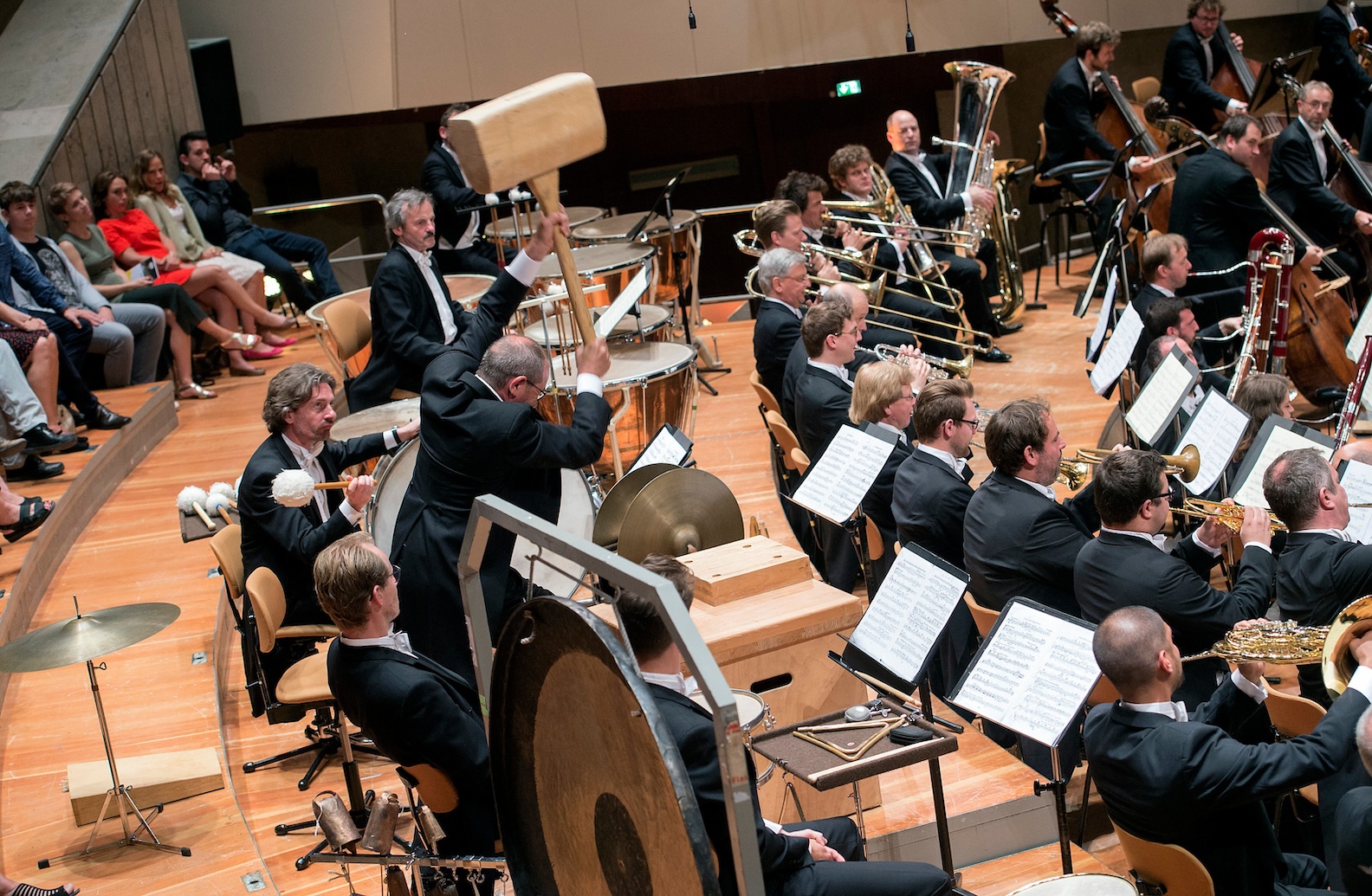 The Berlin Philharmonic’s "Hammer", about for use in a efficiency carried out by Simon Rattle
As Alma Mahler described, her husband would certainly be felled by three hammer blows himself inside a yr of premiering this symphony: the loss of life of his four-year-old daughter Maria, his departure on unfriendly phrases from his publish on the Vienna Opera, and a prognosis of the center situation which might kill him inside 5 years.
 Mahler’s Death Mask, made in 1911 by Rudolf Moll
What is it that makes Mahler’s music so distinctive? Insight is to be gleaned from these remarks by the good twentieth century American composer, Aaron Copland:
“It is music that is filled with human frailties,” Copland observes, “… so ‘Mahler-like’ in each element. His symphonies are suffused with character – he has his personal manner of doing and saying every part. The irascible scherzos, the heaven-storming calls within the brass, the particular high quality of his communings with nature, the light melancholy of a transitional passage, the gargantuan Ländler, the pages of an unbelievable loneliness… Two sides of his musicianship have been years prematurely of their time. One is the curiously contrapuntal material of the musical texture; the opposite extra apparent, his strikingly unique instrumentation…
“It was as a result of Mahler labored primarily with a maze of separate strands unbiased of all chordal underpinning that his instrumentation possesses that sharply etched and clarified sonority which may be heard time and again within the music of later composers. Mahler’s was the primary orchestra to play ‘with out pedal,’ to borrow a phrase from piano approach. The use of the orchestra as many-voiced physique on this explicit manner was typical of the age of Bach and Handel. Thus, so far as orchestral follow is worried, Mahler bridges the hole between the composers of the early 18th century and the Neoclassicists of our personal time.”
KARAJAN AND MAHLER
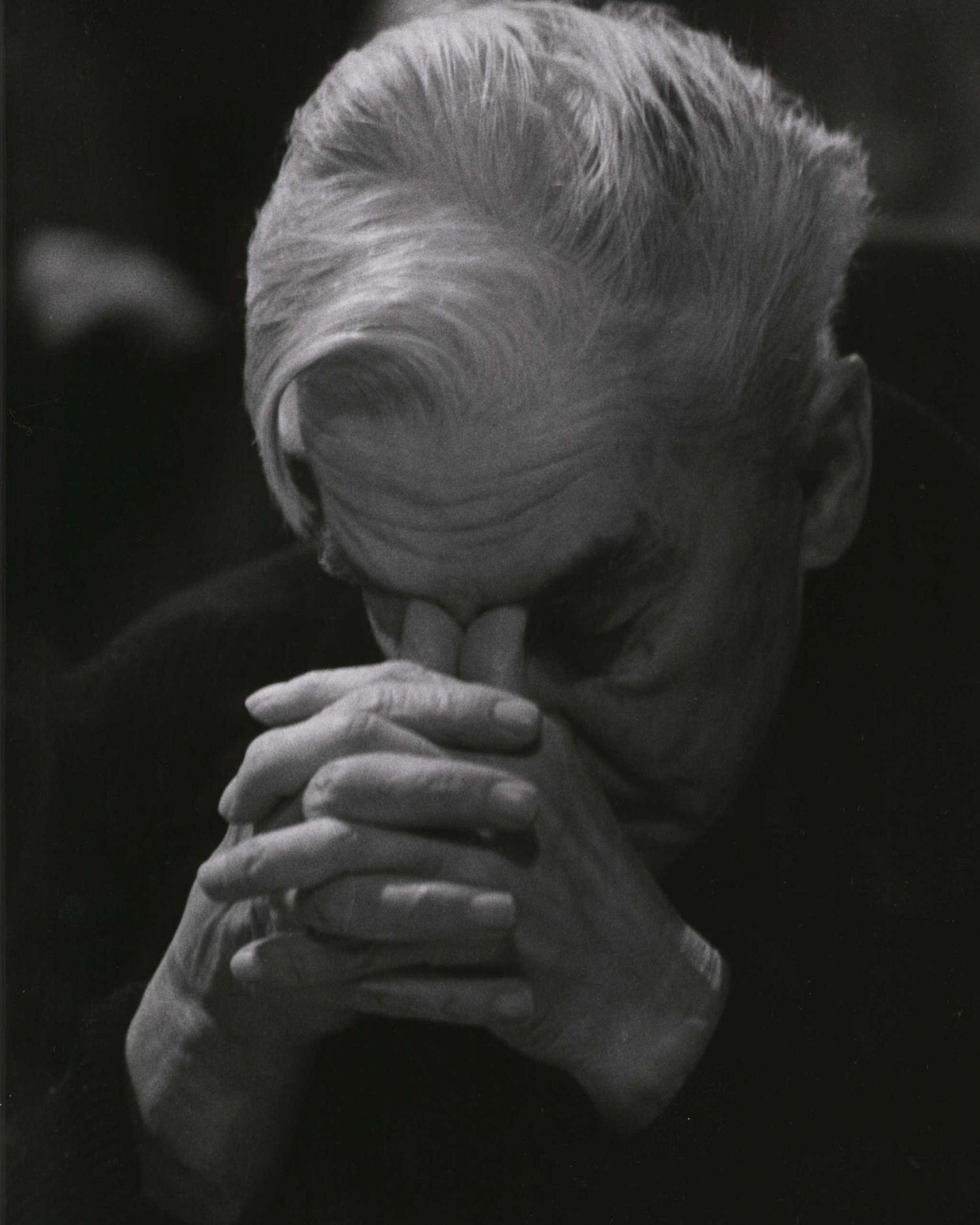 Herbert von Karajan
 turned to the sixth Symphony within the mid-Seventies, at a time when he himself was combating critical again issues that nearly killed him. The conductor – then on the peak of his powers and flourishing as Principal Conductor for Life of the Berlin Philharmonic – had turned to Mahler comparatively late in his profession, perhaps partly to answer the sudden ravenous public urge for food for his music from the record-buying public. (Karajan was by no means one to overlook a industrial alternative).
His early recordings of Mahler – spear-headed by his account of the fifth Symphony, one of many first Original Source releases – have been, each when it comes to efficiency and recordings, a mixed-bag. Not so this sixth, recorded just a few years later. From the second it was launched it was hailed as one thing very particular certainly.
In his important biography of the conductor (as insightful a research of what a conductor truly does as any), Richard Osborne makes the legitimate connection between the symphony’s aura of doom and the well being adversities Karajan was going through on the time, in addition to his personal private recollections of the approaching outbreak of World War I from childhood. Osborne is so eloquent on all this, I’ll make no try and paraphrase, and as an alternative will quote in full:
“…the symphony as an entire touched him profoundly at a number of ranges. With its marching and counter-marching, its main triad souring on the moment into the minor, it’s a work that predicts conflict: that unusual, unsettling phrase the younger Heribert von Karajan heard his uncle point out that fateful day in July 1914 because the funeral convoy of the assassinated Archduke handed by the island of Brioni. Ezra Pound as soon as mentioned that an awesome artist is just like the member of the tribe who smells the forest hearth lengthy earlier than anybody else…
“And there’s extra. It is a symphony wherein the hero is struck down by three hammer-blows of destiny. It depicts married love, and its obverse: isolation and complete solitude. The first motion growth part is distant mountain music. Schoenberg marveled on the scoring right here, its icy purity and the quiet clunk and jostle of cowbells, the final terrestrial sound, mentioned Mahler, to penetrate the solitude of the mountain peaks.
“There will be little marvel that Karajan felt drawn to all this. What is shocking is that he didn’t really feel threatened by it. He was a superstitious man with a weak point for astrology. Having been struck by one hammer-blow (the life-threatening spinal situation), he was about to be struck by a second. But the music drove him on. In the months earlier than the recording in September 1977, he carried out the symphony in Berlin, Salzburg, London [I tried unsuccessfully to get tickets – MW], Paris and Lucerne. The following yr he included it on the Salzburg Whitsun Festival, after which might come extra critical sickness. By rights that ought to have been that; however he went again to the work, in Tokyo in 1979 and in Berlin within the autumn of 1982 when, astonishingly, he carried out the Sixth and the Ninth symphonies inside days of each other.”
Included with this Original Source reissue is Richard Osborne’s unique accompanying sleeve-notes on the symphony itself, an essay which I may have simply quoted in full and left it at that. It’s as eloquent an illumination of the sixth Symphony as any you’re more likely to learn wherever.
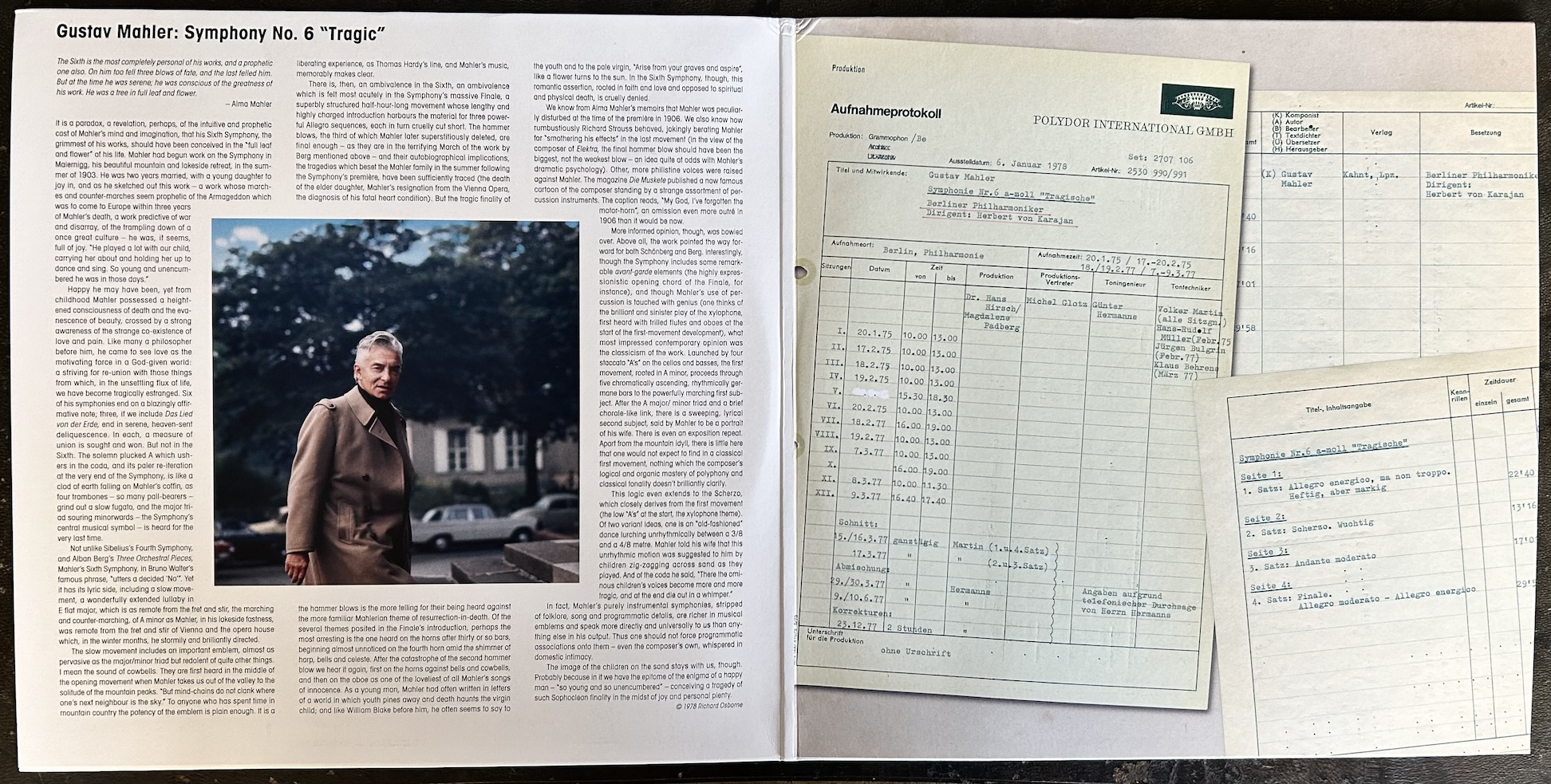 Gatefold of Original Source Reissue
Karajan’s profound perception into, and identification with, this work is obvious in each second of this recording, and the Berliners play their hearts out for him. Recorded within the Berlin Philharmonie, the unique LP launch was at all times one of many better-sounding DG records of the period. This new Original Source model, mastered and lower as at all times instantly from the unique grasp tapes (on this case 8-track) by Rainer Maillard and Sidney C. Meyer at Emil Berliner Studios, takes issues to an entire different stage sonically. It is revelatory. (My urgent was immaculate).
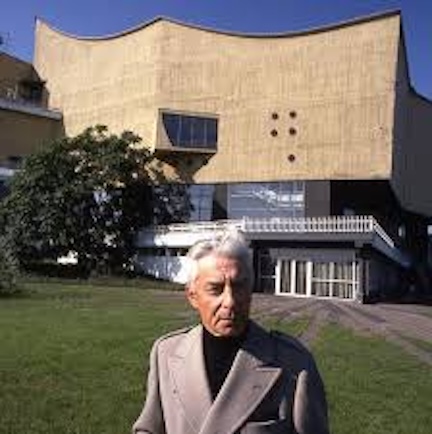 Karajan exterior the Philharmonie
As was evident within the Original Source reissue of Karajan’s full Bruckner Symphony cycle, Maillard and Meyer have discovered the candy spot for revitalizing the considerably problematic acoustics of the Berlin Philharmonie of the 70s, which by the point of those classes in 1977 had supplanted the Jesus-Christus Kirche as Karajan and DG’s recording venue of alternative. By utilizing a mixture of folding within the standard two channels of room atmosphere recorded on the unique grasp tapes (initially meant for a quadraphonic launch that by no means occurred), along with utilizing the stairwell at Emil Berliner Studios as an echo chamber, Maillard has discovered the right mix of direct and mirrored sound to make this enormous orchestral canvas shine.
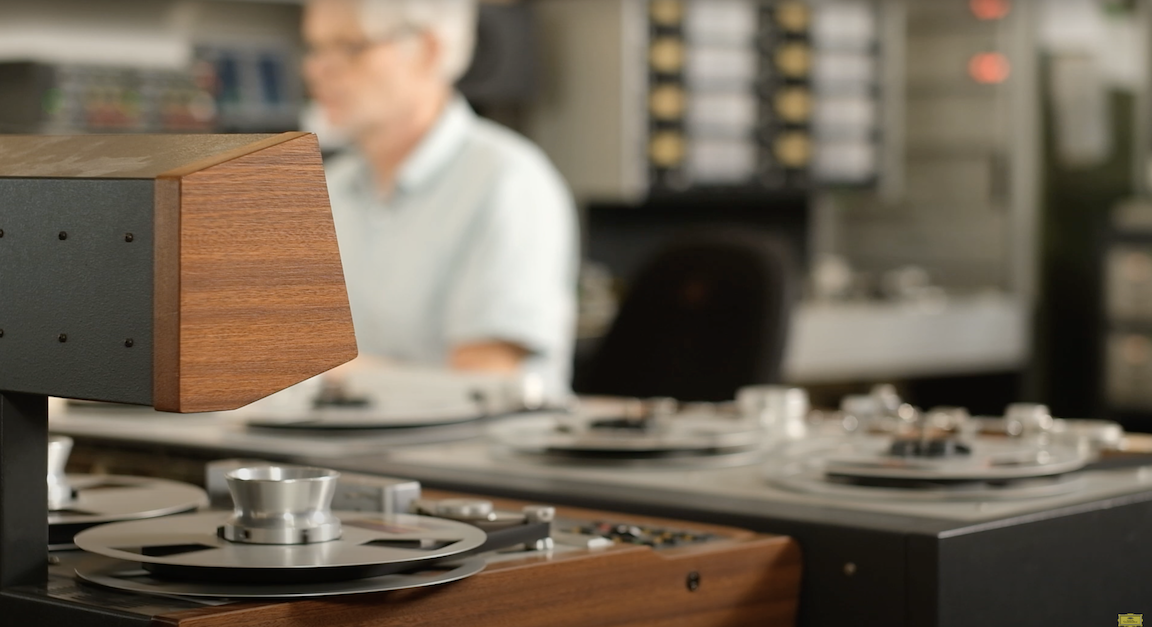 Rainer Maillard at Emil Berliner Studios mixing and mastering Mahler’s sixth Symphony
Mahler’s huge orchestra is laid out earlier than you in a large three-dimensional area, deep and huge. The aural palette is the 3-strip Technicolor of Jack Cardiff’s beautiful cinematography in Black Narcissus and The Red Shoes – vivid, assertive, perhaps even just a little greater than lifelike, within the method of an outdated grasp who provides you each magnificence and reality. You are getting a spectacular tour of all of the wonderful sounds an orchestra could make, with full dynamics. Let me simply point out once more that xylophone, which spits out its chattering skeletal volleys with particular vehemence, prefiguring Berg’s use of the instrument within the equally noir "March" within the Three Orchestral Pieces – one other superlative Karajan recording which, I very a lot hope, will get the Original Source remedy together with the whole Second Viennese School field set, fingers-crossed.
Did I point out the cow bells and church bells that characteristic within the rating? Normally these are accommodated in varied normally unsatisfactory methods, however Karajan’s fondness for know-how impressed a most elegant resolution. Recording engineer Günter Hermanns and his workforce recorded precise cowbells and church bells on a separate tape, which was then piped into the dwell performances by way of loudspeakers within the corridor. For this Original Source remastering, Maillard needed to mix in these tracks working on a separate tape deck, along with all the opposite tape components he was juggling. The finish result’s spectacular, with utterly life like aural views for these sounds, various in response to the totally different sections of the rating they’re featured in. The course of by which this was all accomplished is defined on this fascinating video.
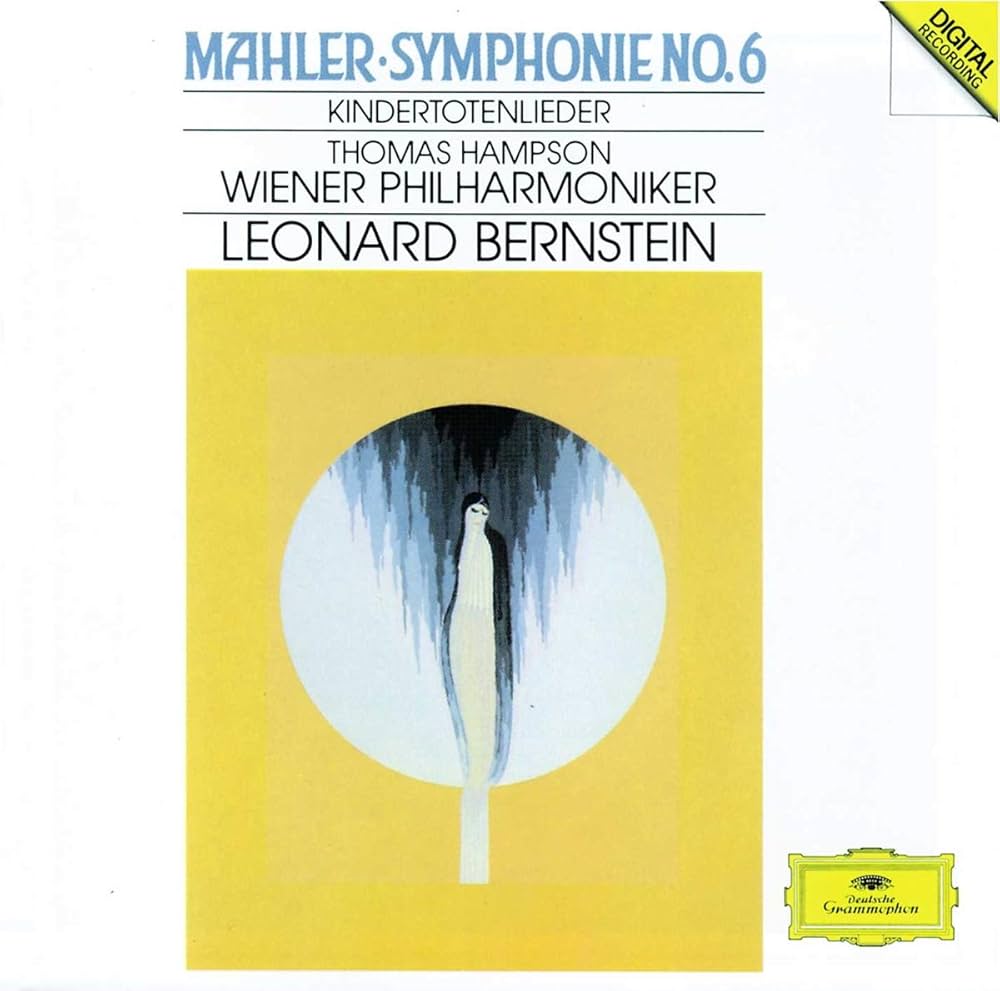
This is the recording of Mahler’s sixth I imprinted on after I was an adolescent. I personal a number of different high quality variations of this work on LP and CD: most notably Leonard Bernstein with the Vienna Philharmonic dwell on DG. It’s a favourite for a lot of, particularly TA colleague Paul Seydor, and do not get me fallacious, it is a fabulous efficiency. Alas it’s early digital, however was fantastically remastered by the Emil Berliner workforce for a field set vinyl launch of all of Bernstein’s DG Mahler Symphonies just a few years in the past, and reviewed right here by my colleague Michael Johnson (you may nonetheless discover it).
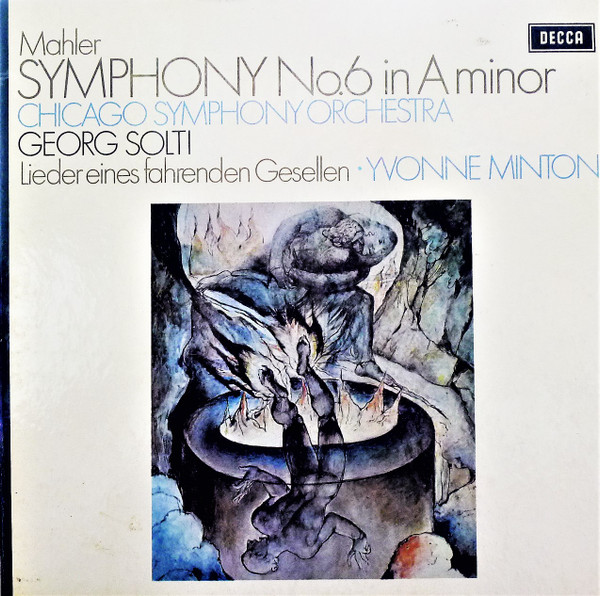
Georg Solti brings us a fiery model with the Chicago Symphony on a vivid sounding Decca urgent from the Seventies.
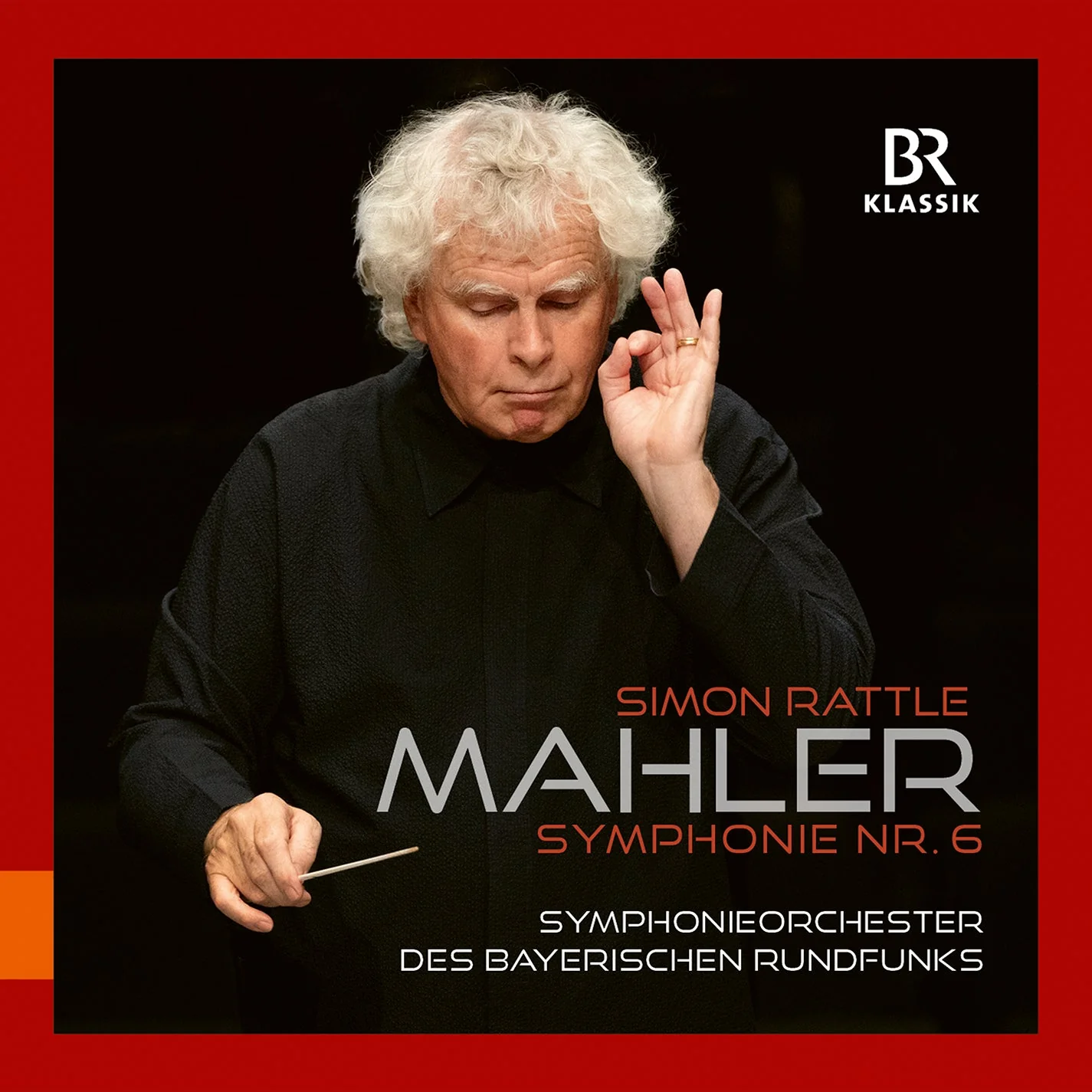
Tennstedt on EMI is very regarded, and the symphony has develop into one thing of a Simon Rattle specialty – there are two performances launched on the BPO’s in-house label. Paul Seydor speaks extremely of Rattle’s most up-to-date model with the Bavarian Radio Symphony Orchestra (I’ve not heard it).
But this Karajan/BPO studying has at all times remained my most well-liked recording. In its new incarnation it’s merely out-of-this-world beautiful. Karajan and the Berliners are those with the additional adrenaline rush, the manic ferocity, the heart-rending sense of affection and loss. This is Life itself.
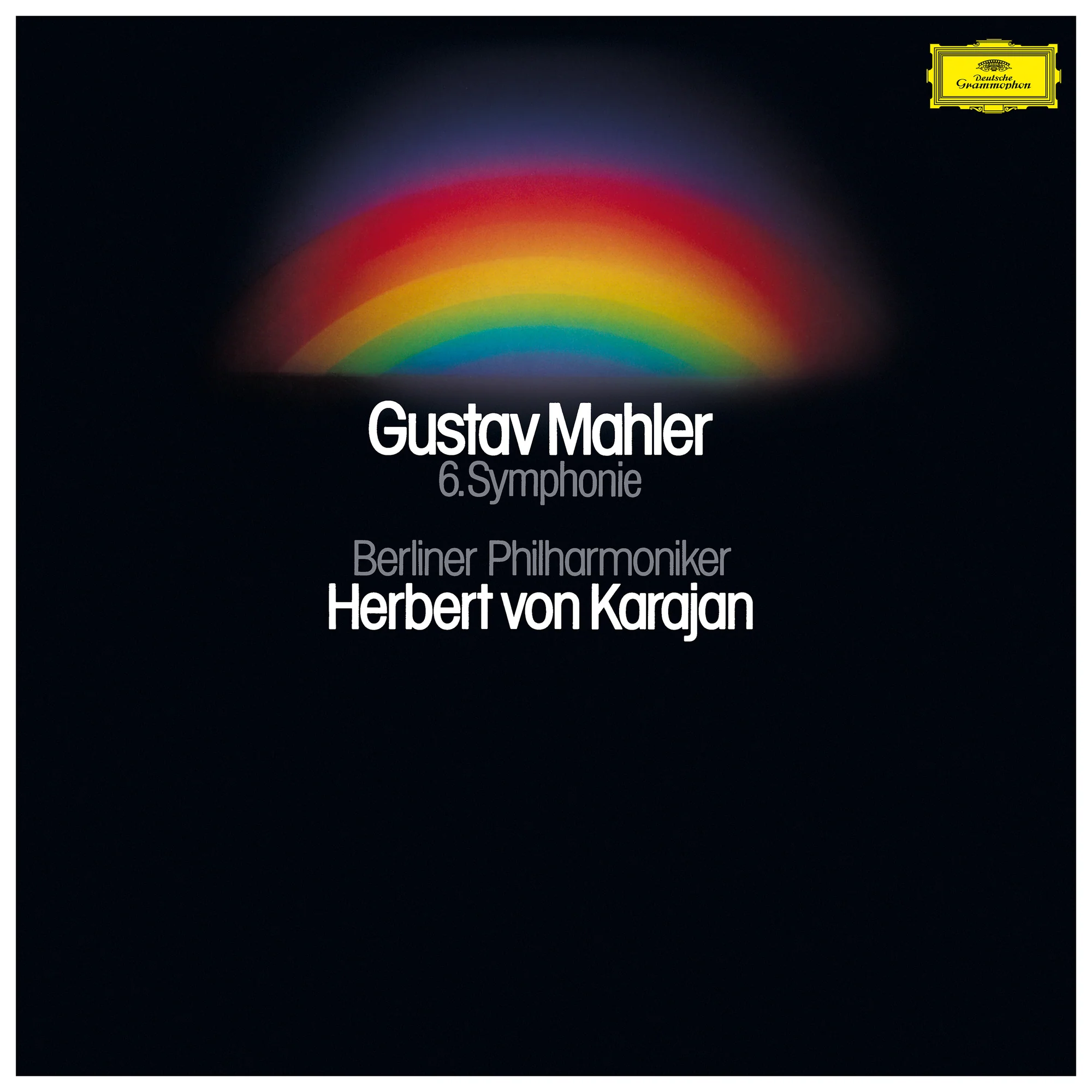
One of the options that has emerged in the midst of the Original Source collection is that by mastering and chopping so faithfully from the unique grasp tapes (with no intermediate stereo mix-down), and by folding within the data from the ambient tracks, we’re in a position to hear each little element within the recording methods used within the unique recordings – for higher or worse. As I wrote in my evaluate of the Original Source reissue of Karajan’s Mahler fifth, whereas the sonics have been massively improved, I may hear much more clearly the methods wherein the acoustics of the Jesus-Christis Kirche had impacted on the recording. Also I may hear how the engineering workforce appeared to have manipulated shifts in perspective (to deliver out sure orchestral element) in a way that often derailed the integrity of the sonic image the recording was presenting.
There’s none of that right here. This is such a vivid, truthful presentation of a large orchestra enjoying at full tilt, but with each tiny instrumental element rising organically, that I predict this set will develop into de rigueur for each High End audiophile seller endeavoring to reveal what his or her gear is able to. Over and over once more I used to be gasping on the energy, precision and realism of what I used to be listening to. Sidney Meyer’s chopping totally accommodates the huge dynamic vary, and the lengthy aspect size of the fourth motion (clocking in at 29’58) holds no terrors for her. There is not any hint of distortion, or sonic compromise to attain that lack of distortion.
 Sidney C. Meyer (Emil Berliner Studios)
And let’s simply additionally tip our hats right here to the unique recording workforce led by Günter Hermanns. This was at all times an excellent sounding recording, however now it’s revealed as perhaps Hermanns’ engineering and sonic masterpiece.
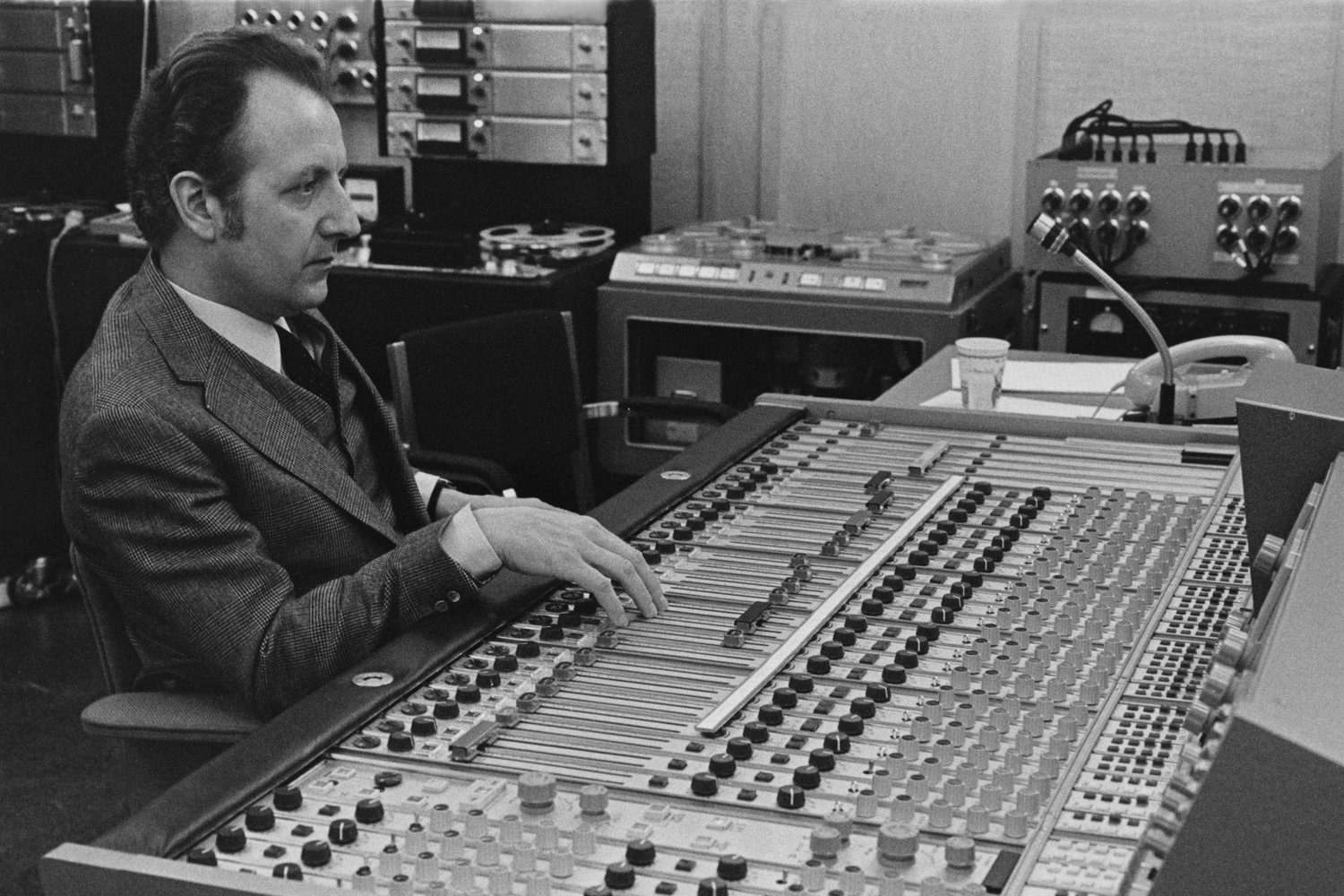 Günter Hermanns
This is a really totally different aural image from what we’re accustomed to from the perfect RCA Living Stereos, Mercurys, Deccas and EMIs that seize giant orchestras enjoying in a well-defined acoustical area. It’s merely on a bigger scale in each dimension. It’s each large and intimate – and that’s fairly a feat. It undoubtedly stands shoulder-to-shoulder with all these audiophile classics.
In a piece which is all about juxtapositions of the epic and the intimate, this is a perfect sonic presentation. The recording accommodates each dynamic and timbral excessive effortlessly. No lover of classical music needs to be with out this file of their library, and DG shouldn’t even hesitate to go proper forward with a repress. This factor deserves to promote out instantly after which by no means be unavailable. In a line of many first-class releases within the Original Source Series, together with private favorites just like the Ozawa Symphonie Fantastique, Pollini’s Chopin Preludes, Steinberg’s Hindemith file, and the Karajan Bruckner cycle (return and skim all my and Michael Johnson’s critiques), this one stands on the pinnacle.
I can consider few records that come so shut to totally capturing the dwell expertise of listening to an orchestra of this scale and high quality pushing the envelope. (Rainer Maillard’s D2D of the dwell BPO with Haitink doing Bruckner’s seventh is unquestionably in the identical pantheon).
This launch captures one thing actually particular: a second in recording historical past, lightning in a bottle. It conveys to thrilling impact the complete power of what made Karajan and the Berliners of this era distinctive and, in some ways, nonetheless unequalled. Hell, it would even convert the Karajan naysayers!
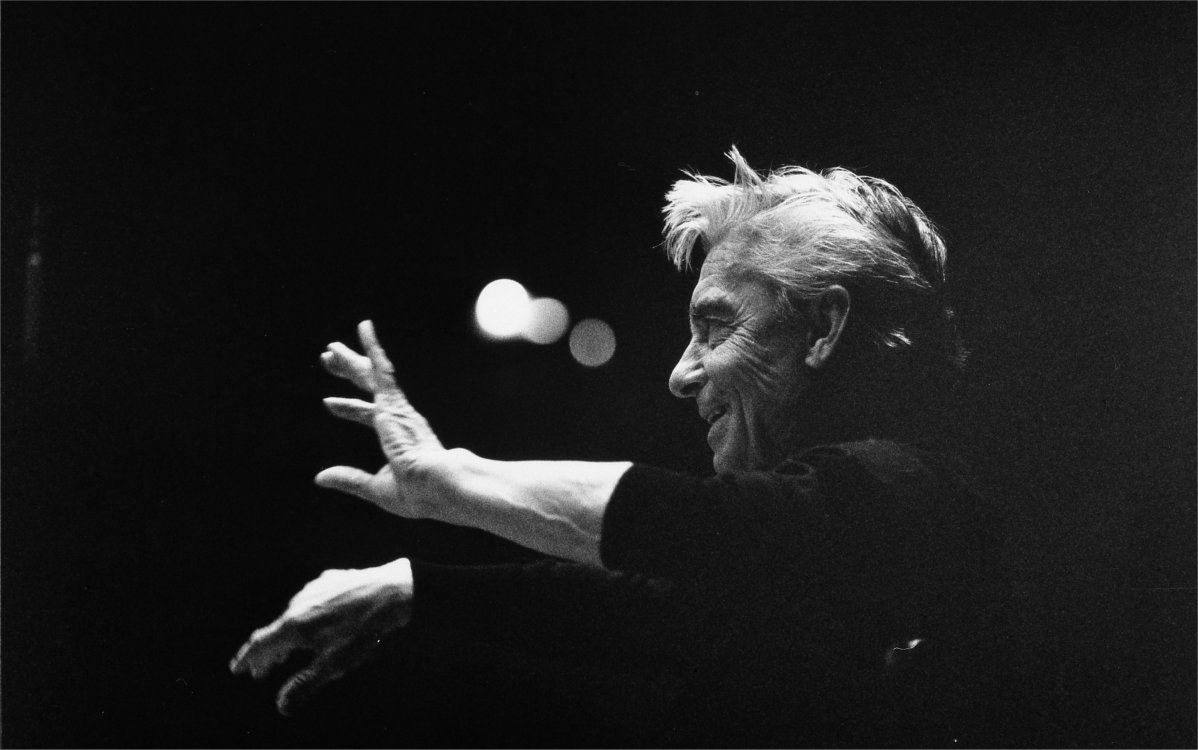
HI-FI News
by way of Tracking Angle https://ift.tt/HNy6jhI
February 15, 2025 at 07:49PM
-
Product on sale
 Audiophile Vinyl Records Cleaning BundleOriginal price was: €69.90.€59.90Current price is: €59.90. incl. VAT
-
Product on saleEasy Start Vinyl Records Cleaning KitOriginal price was: €69.90.€59.90Current price is: €59.90. incl. VAT
-
Vinyl Records Cleaner Easy Groove Concentrate€34.95 incl. VAT
-
Easy Groove Super Set€199.00 incl. VAT
-
Easy Groove Enzycaster – vinyl records prewash cleaner€34.95 incl. VAT
-
Easy Groove Extreme MK. II- vinyl records prewash cleaner€45.00 incl. VAT
-
Vinyl Records Cleaner – Easy Groove Virgin Concentrate€35.00 incl. VAT
-
Easy Groove Spray&Wipe vinyl records cleaner€34.95 incl. VAT


