
World News
The Original Source Goes Blue
The Original Source Goes Blue
Eroticism and Violent Passion get Super Charged on this Reissue from the Boston Symphony and Claudio Abbado
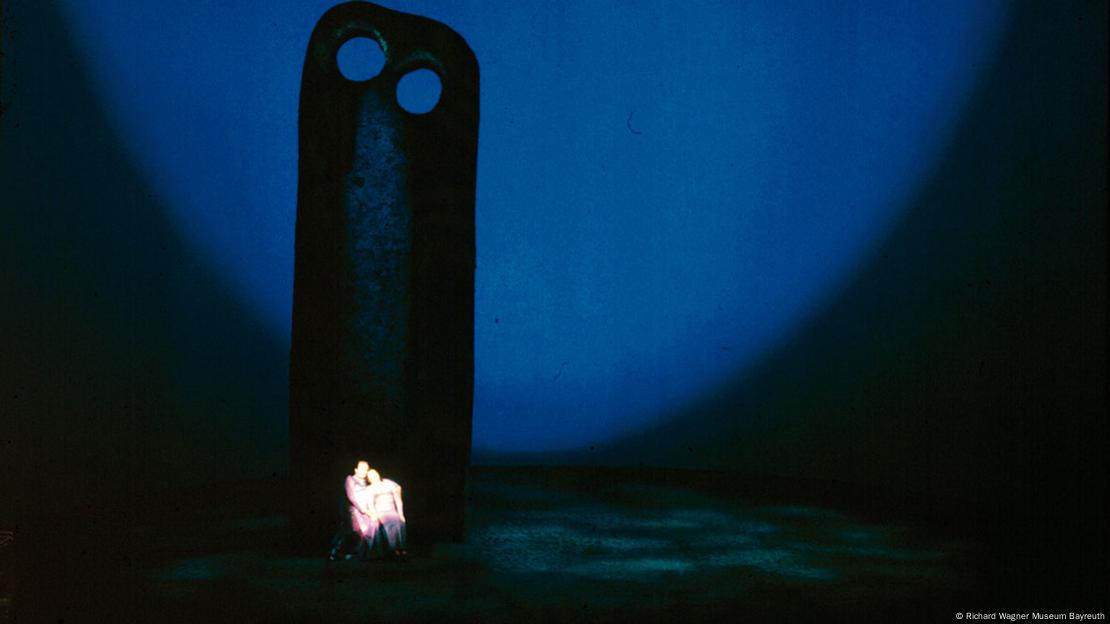 Tristan und Isolde in Wieland Wagner’s landmark 1962 manufacturing at Bayreuth
Ever since Wagner confirmed the world write 4-plus hours of delayed musical orgasm in his opera Tristan und Isolde, the extra hedonistic, “let-it-all-hang-out” chapter of the classical fraternity appeared to enter into an ever intensifying, ever increasing competitors to see who might out-raunch and out-sexy their fellow sensualists.
Richard Strauss has received intercourse all over the place in his music. There’s that complete teenager making like to the severed head of John the Baptist factor occurring in Salome (And sure, she positively will get off earlier than being crushed by Herod’s troopers – hearken to the music). There’s the preamble to Der Rosenkavalier which is a blow-by-blow account of foreplay, sustained humping and “Do you come right here usually?” – plus post-coital bliss. (Again, the music might hardly be extra graphic).
In Stravinsky’s Rite of Spring a lady dances herself right into a sexual frenzy of loss of life to propitiate the Gods of earthly renewal. In Carl Orff’s Carmina Burana, the “Love” part concludes with the soprano soloist singing her Big O into the stratosphere (nobody “comes shut” to Gundula Janowitz on Eugen Jochum’s unequalled DG recording – “I’ll have what she’s having” certainly).
Even that respectable outdated grandfather of recent music, Uncle Arnold Schoenberg, vented his sensual facet in Gurrelieder and Verklärte Nacht. And Ravel gave us a full-blown orgy within the closing pages of Daphnis et Chloé.
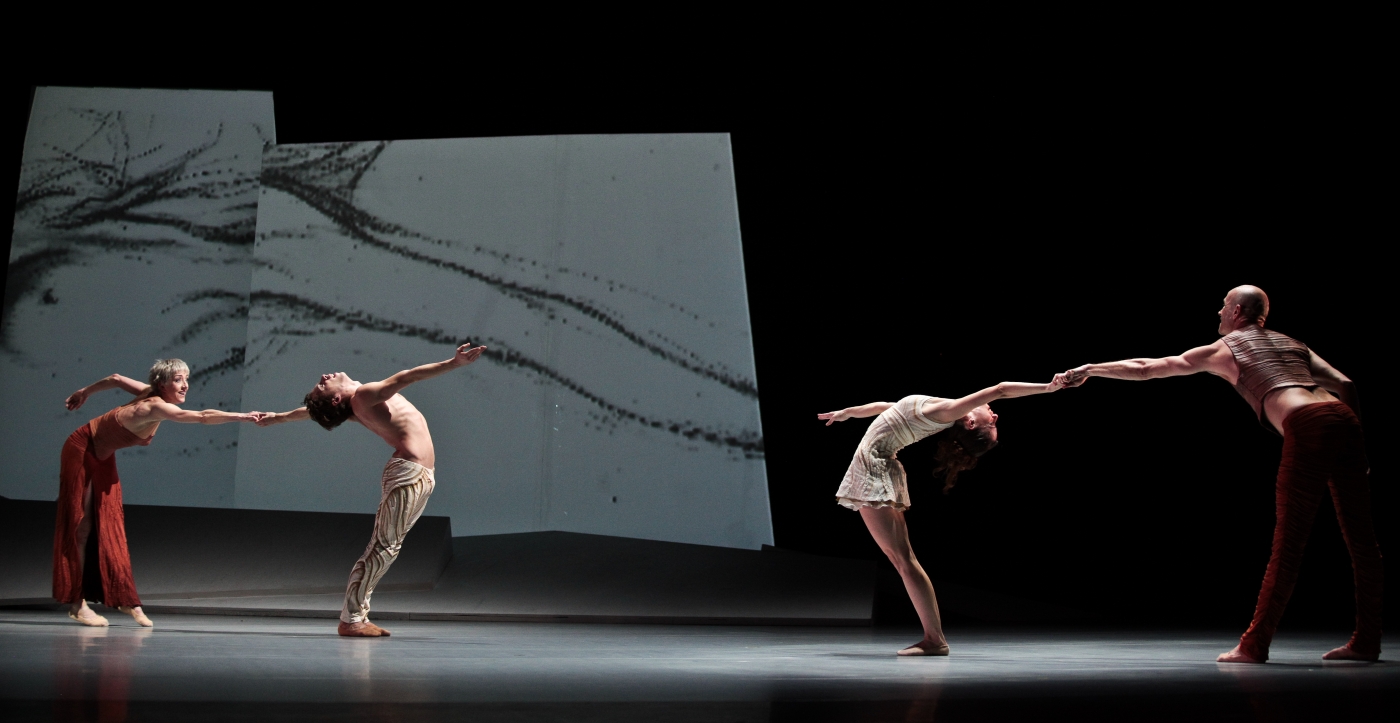 Daphnis et Chloé (Ballets de Monte-Carlo)
What was it with these nineteenth century European gents of a sure age?!
And whereas we’re speaking about such degenerates, allow us to not exclude our two randy composers contained on the file beneath evaluation right here: Mr. Tchaikovsky giving the widescreen, technicolor remedy to that the majority well-known pair of star-cross’d lovers; and fellow Slav Mr. Scriabin giving us probably the most hair-raising, eyeball rolling, toe curling, heart-pounding, sensually overloading a number of musical orgasms of all time (eat your coronary heart out, Dick Wagner) – masquerading as a religious awakening (in fact).
You suppose I’m exaggerating. Just wait ’til you drop the needle on this child…
Of course there was at all times intercourse in classical music (duh!). It’s simply that it tended to be considerably extra disguised, and in addition typically subsumed into the extra socially acceptable expression of “love”. But music is, if nothing else, the last word purveyor of eroticism by advantage of its abstraction – it could recommend every thing with out being express, bypassing societal and private censors because it jacks straight into the physique’s nervous system by way of the ears. The conventional tonal harmonic system itself is constructed on our organic, sexual programming: that of attraction (harmonic sounds ie. music) resulting in constructing pressure (deviation from the house key, chromaticism), adopted by decision (taking us again to the house key): ie. arousal, stimulation and launch.
 Medieval Kamasutra: Book of Hours, France fifteenth century. Bibliothèque de Genève
During the Middle Ages when music was carefully related to – and monitored by – the Church, you’d suppose eroticism would haven’t any probability of discovering its approach into the cloister. Think once more. Expressing one’s love of God and the Divine offers a most handy cross for writing music evocative of extra fleshly pursuits, as a well-regarded musicological tome titled “Music, Body, and Desire in Medieval Culture – Hildegard of Bingen to Chaucer” explored again in 2005 (wonderful what one’s analysis will dig up).
While intercourse and eroticism was clearly part of music for hundreds of years, most explicitly within the songs of the Troubadours, artwork songs, and opera (and, in fact, raunchy folks music), it wasn’t till the arrival of Tristan, and Wagner’s revolutionary deconstruction of tonality itself pointing in direction of an entire new mind-set about music, that music itself might now sound like intercourse, like pleasure, like disappearing into whole sensual delight. Music might now do this.
How might music do this?
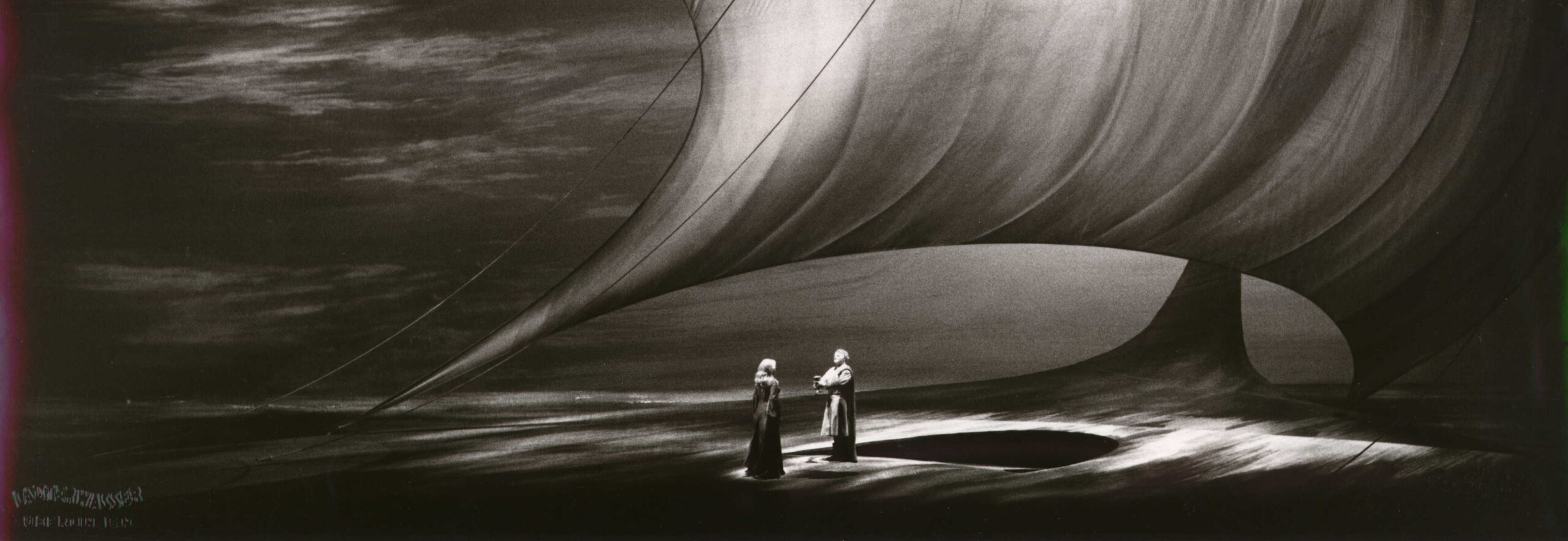 Tristan und Isolde (Salzburg 1972, produced by Karajan, set design Günther Schneider-Siemssen)
The sustained edging and ultimate sexual explosion of Tristan was achieved by exploiting tonality’s built-in pressure between unresolved harmonic discord and the deep organic want of the human mind to ultimately hear tonic/house key decision to really feel “glad”. Wagner delays that decision till the very finish of the opera – over 4 hours in – when Isolde lastly finds love in loss of life (singing the Liebestod). (As I’m positive lots of you might be conscious, the orgasm itself is also known as “the little loss of life”, or “la petite mort” – a phrase we discover in literature going again to the sixteenth century).
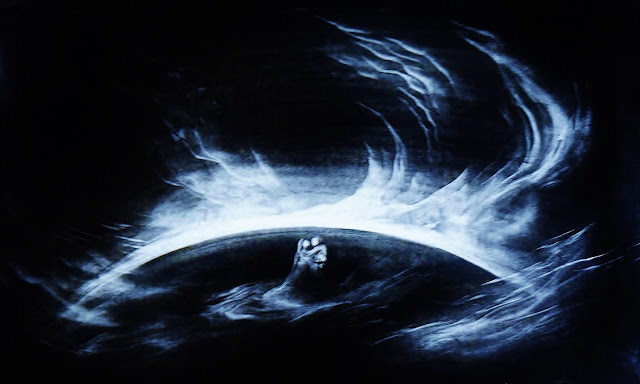 Act 2 Love Duet (Salzburg 1972)
In the Act 2 love duet, there’s actually a musical coitus interruptus because the lovers are interrupted roughly in flagrante delecto, with a sudden key change simply on the level we expect the house key’s going to say itself. Wagner was enjoying that “I can’t get no satisfaction” tune lengthy earlier than the Stones.
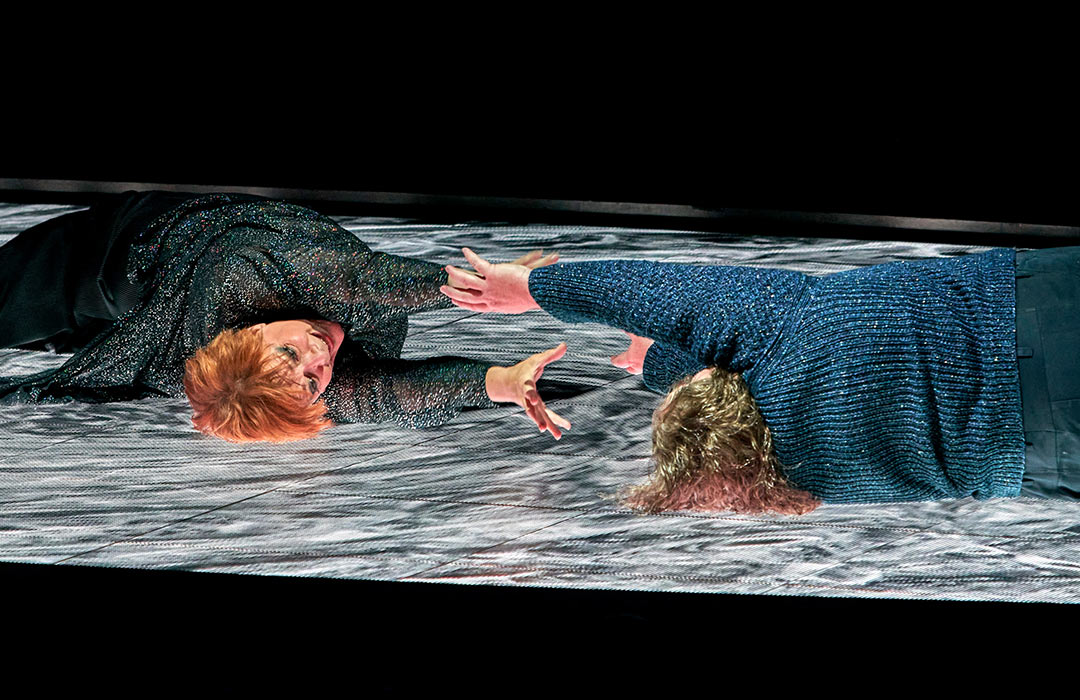 Tristan und Isolde (Bayreuth 2023)
The so-called Tristan chord, heard within the first phrase of the opera’s Prelude, encapsulates this complete “endlessly unresolved discord” from the opera’s outset. Wagner’s technique pointed the way in which ahead for different composers pushing on the boundaries of tonality to specific extra earthly delights in a direct method. It additionally led to the dissolution of tonality itself, which is an entire different story. The final post-coital comedown, so to talk.
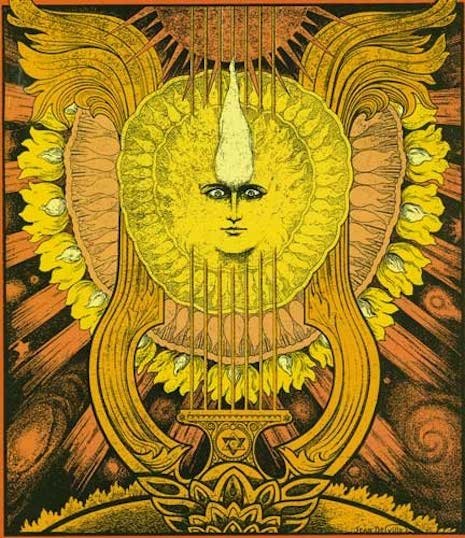 Design by symbolist painter Jean Delville for the rating to Scriabin’s Prometheus in 1912
Which brings us to Scriabin. The Poem of Ecstasy (1908) was, ostensibly, an expression of the composer’s embrace of theosophy, a brand new quasi-religious/philosophical motion began in America within the nineteenth century. The program observe for the work’s first efficiency in Russia in 1909 declared:
“Poem of Ecstasy is the enjoyment of liberated motion. The Cosmos, i.e., Spirit, is everlasting Creation with out External Motivation, a Divine Play with Worlds. The Creative Spirit, i.e., the Universe at Play, shouldn’t be aware of the absoluteness of its creativeness, having subordinated itself to a Finality and made creativity a way towards an finish. The stronger the pulse-beat of life and the extra speedy the precipitation of rhythms, the extra clearly the notice involves the Spirit that’s consubstantial with creativity, immanent inside itself, and that its life is a play. When the Spirit has attained the supreme end result of its exercise and has been torn away from the embraces of teleology and relativity, when it has exhausted fully its substance and its liberated lively power, the Time of Ecstasy shall then arrive.”
etcetera, etcetera…
However – the unique title Scriabin had in thoughts for this work was Poème Orgiaque (Orgiastic Poem). Need I say extra?
He composed it whereas residing in Genoa together with his mistress, hiding from the censorious gaze of Russian society and planning to go away his spouse. No prizes for guessing what was most on his thoughts on the time.
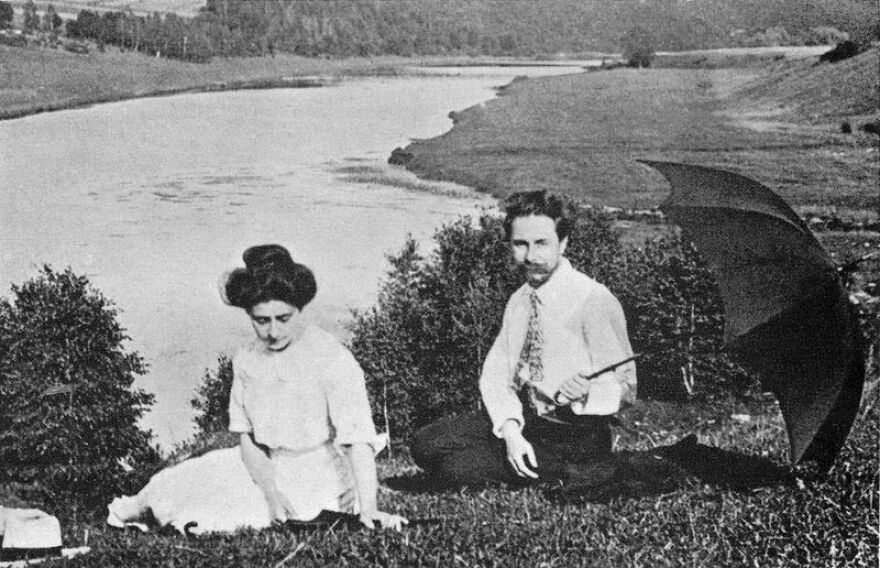 Scriabin together with his mistress Tatiana Schlözer
Well, the music will let you know all about it. The Tristan process of suspending tonal decision had marked Scriabin’s technique for years in his beautiful piano music, and right here it’s dialed as much as the max. The work is one lengthy craving sigh after one other, slowly constructing increasingly pressure and expectation of climax – which doesn’t come – and doesn’t come. Until, in fact, it lastly does come. Multiple occasions.
The orchestration is a moist dream in and of itself, with the music being endlessly bandied across the totally different devices as if they’re all making an attempt to seduce one another.
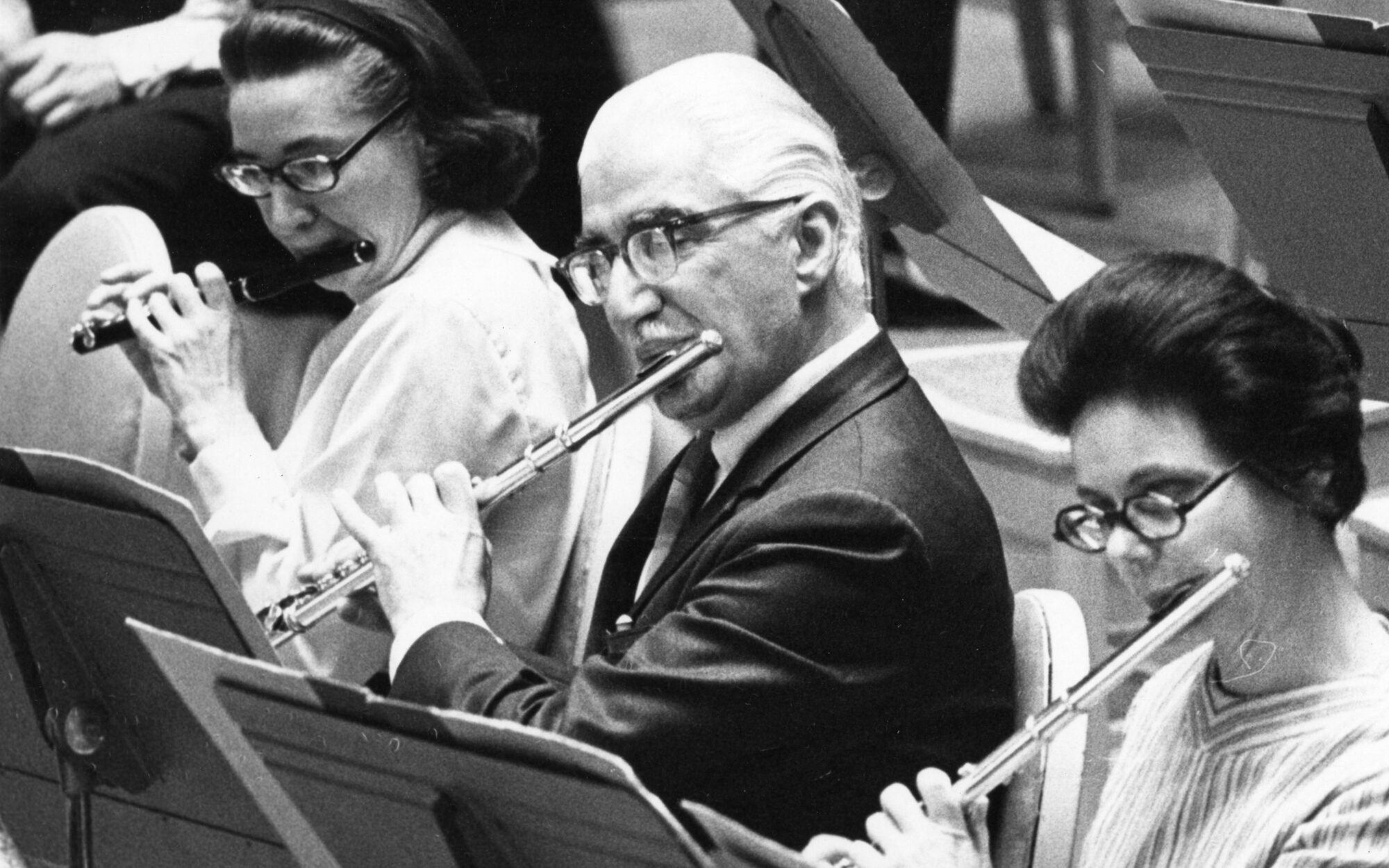 The flute part of the BSO within the Nineteen Seventies: (l. to. r.) Lois Schaefer, James Pappoutsakis, Doriot Anthony Dwyer. Dwyer joined the BSO in 1952 as its first lady principal participant, a place she would maintain for 38 years
One of probably the most hanging options of this recording is the chamber-like high quality of a lot of this interaction, with the beautiful winds of the Boston Symphony caressing and cajoling to the way born, whereas the solo violin of concertmaster Joseph Silverstein dips and weaves seductively.
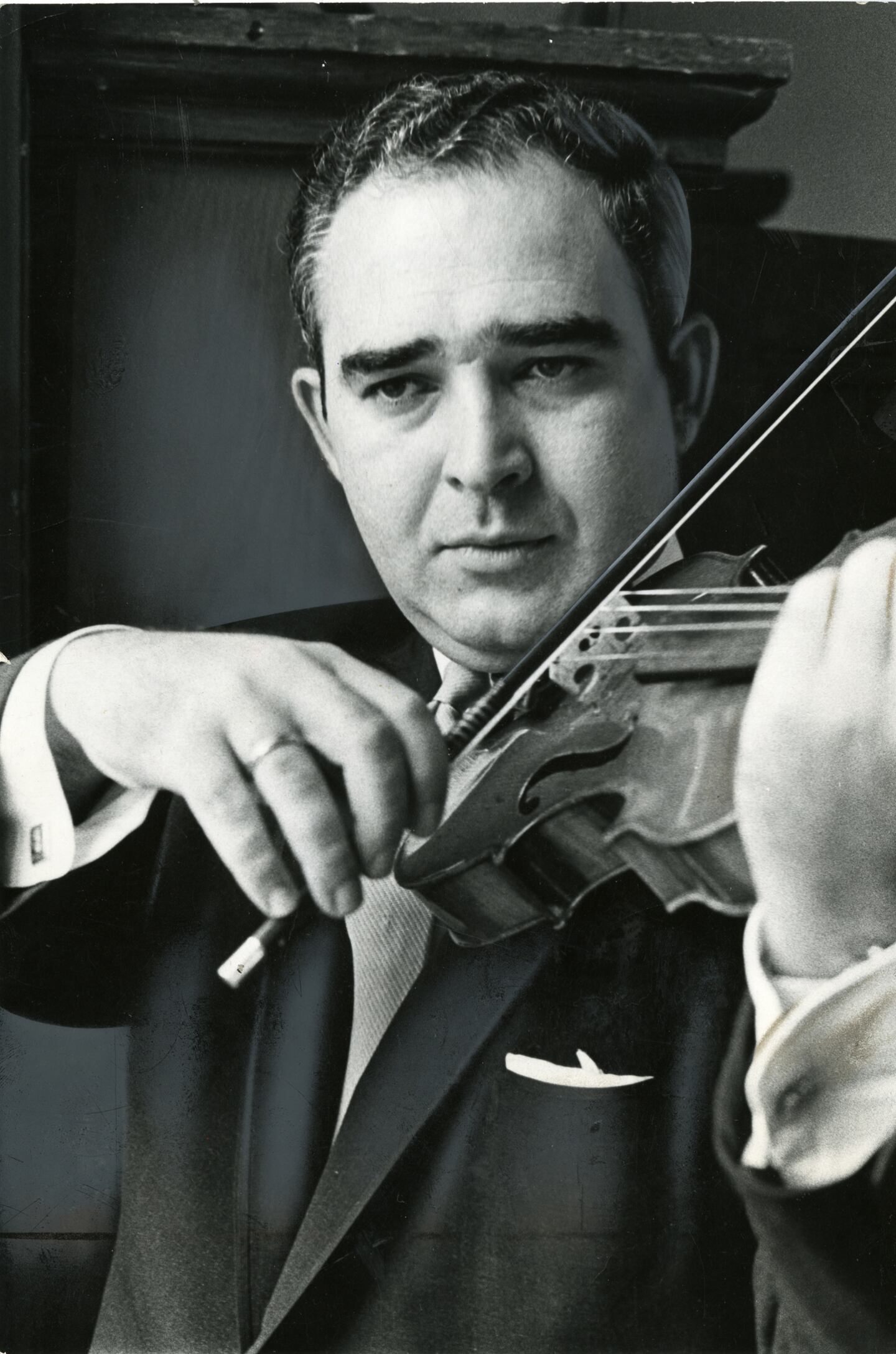 Joseph Silverstein
The surges of the total orchestra are electrifying, topped by the incandescent solo trumpet enjoying of (I’d think about) Armando Ghitalla – the solo trumpet is a outstanding characteristic of this work (and often credited, however not so right here).
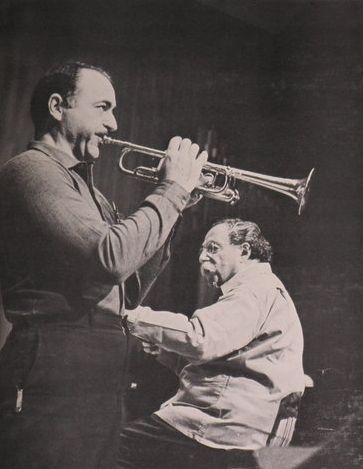 Armando Ghitalla (with Pierre Moneteux)
In this excellent Original Source reissue, mastered and minimize straight from the unique 4-track grasp tapes by the gang at Emil Berliner Studios – Rainer Maillard and Sidney C. Meyer – the sound is so large, so three-dimensional it is going to threaten to overwhelm your listening room and broaden effectively past. Unbridled eroticism will have a tendency to try this… The solely shortcoming is a noticeable lack of deeper bass, a high quality encountered within the earlier Original Source launch of Abbado’s Debussy/Ravel disc, additionally from Boston. (It’s the rationale the Sound rating drops to a 9).
But I have to say that at a sure level the dearth of bass turned irrelevant as I used to be so completely swept up into this efficiency. In specific I discovered myself mesmerized by all of the delicate interaction alluded to earlier, marveling on the sheer great thing about the solo contributions, then was carried away on the huge tidal wave surges of full orchestral bombast. The rating’s markings, which embody “very perfumed,” “with a sense of rising intoxication,” and “with a sensual pleasure turning into increasingly ecstatic” – are absolutely conveyed right here.
The factor about Claudio Abbado as a conductor is he can appear like he’s somewhat reticent, prioritizing the rating over any imposed exterior theatrics, however when that rating requires exactly these theatrics then he’s all in. This is a kind of performances that delivers all of it: the fragile interaction and the huge, thunderous climaxes. And within the Original Source refresh you will see your self muttering beneath you breath, not occasionally, “Oh mama!”
 Alexander Scriabin
I’m one thing of a Scriabin obsessive. One of my prized file purchases as a teen was of a Melodiya recording of elements of his incomplete work Universe, meant as the primary a part of an enormous multi-media epic titled Mysterium.
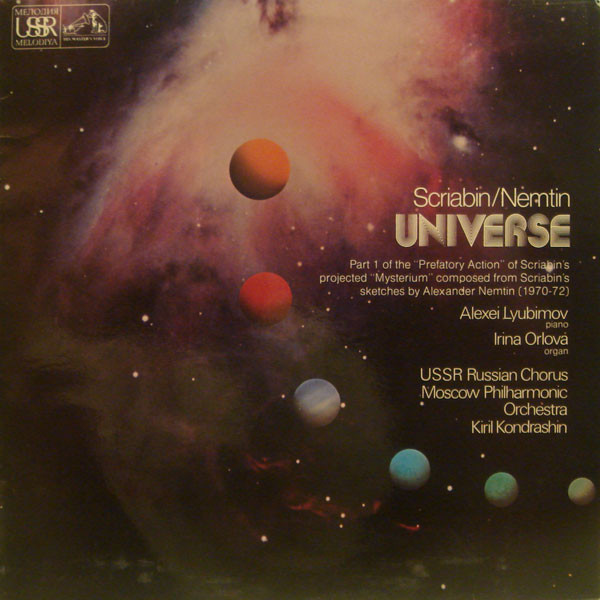
(You should purchase the fuller “accomplished” model on a 3-CD set from Ashkenazy on Decca, additionally obtainable as a part of Decca’s important cut price field, Scriabin – The Complete Works).
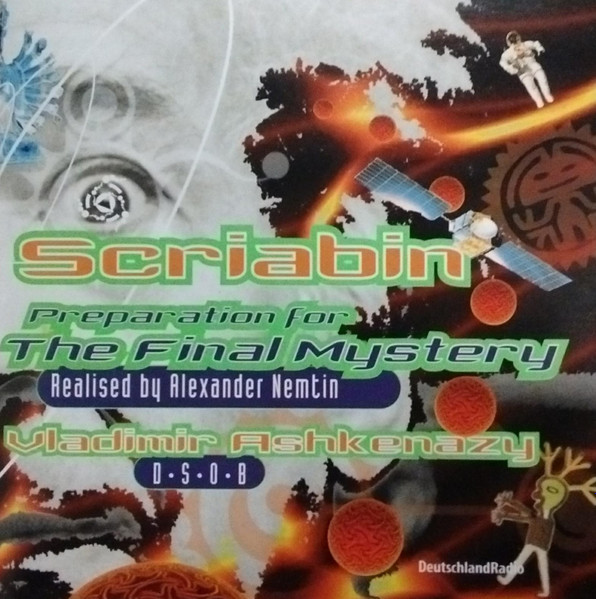
If I see a Scriabin file I don’t already know of within the used bins, into the basket it goes. So I’ve fairly a couple of recordings of The Poem of Ecstasy, one among which specifically can be thought of an audiophile basic, that by Zubin Mehta and the Los Angeles Philharmonic recorded by Decca in Royce Hall in 1967.
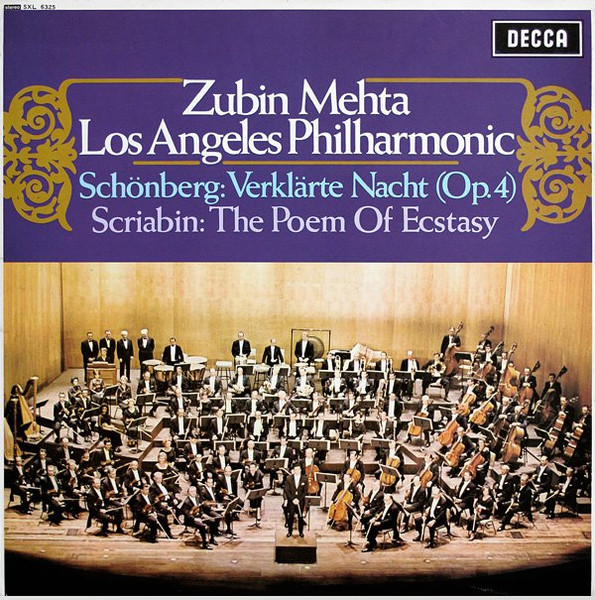
But, as I listened to this Abbado file, and as I used to be left gasping for breath in the course of the ultimate crescendoing climax that appears to go on and on and on, I discovered my outdated allegiances forged apart.
I’d discovered my new flame – and she or he was scorching!
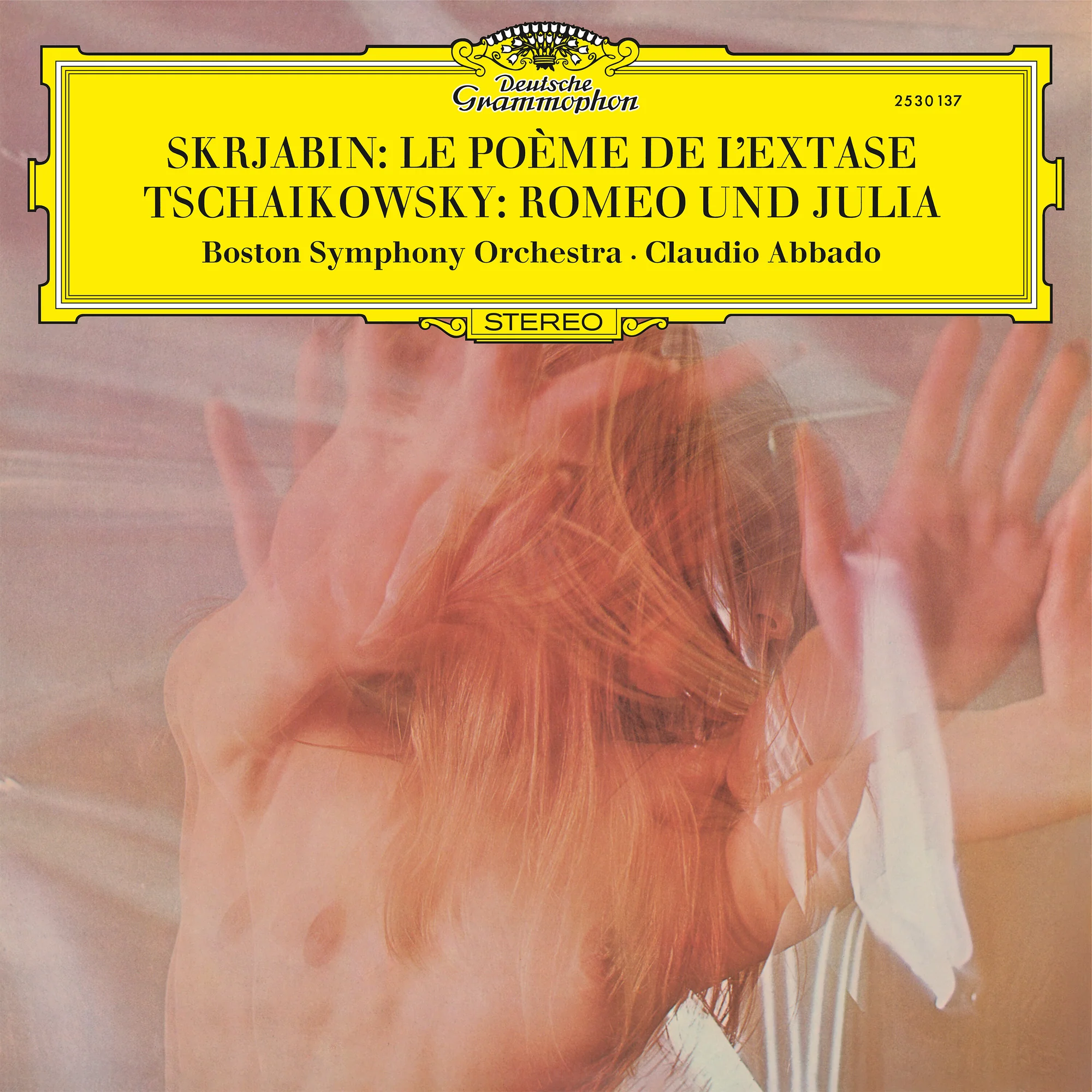
Once I regained my breath and composure (ably assisted by a a lot wanted cup of calming tea) I turned to the flip facet. I have to confess I wasn’t too excited on the prospect of listening to yet one more model of Tchaikovsky’s ludicrously widespread Romeo and Juliet. (I’ve truly by no means heard any of this specific DG file earlier than, though I knew of its excessive repute).
So think about my shock to seek out myself equally gripped and blasted by the Tchaikovsky as I used to be by the Scriabin. And this time the bass is barely extra current, most satisfactorily so.
The sound is massive! In the phrases of Douglas Adams, who was describing Space in The Hitchhiker’s Guide to the Galaxy: “You gained’t imagine how vastly, vastly, mind-bogglingly massive it’s.”
The soundstage is so three-dimensional, so all-enveloping, that when issues actually get going in the course of the bristling battle music of the road brawls of the Montagues and Capulets you’ll be reaching on your personal sword to hitch in. During the swooning love music you’ll blush on the depth and intimacy of the second.
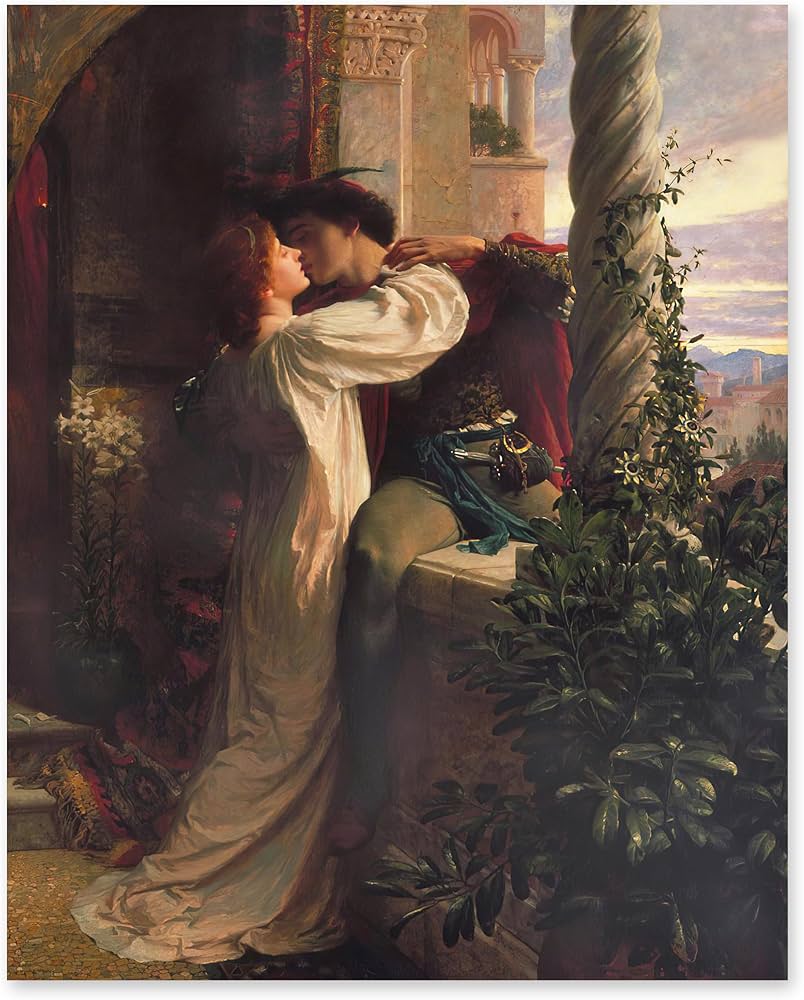 The well-known portray of Romeo and Juliet by Frank Dicksee from 1859
The eroticism in Tchaikovsky’s work is of a unique order to Scriabin’s: extra formalized, extra constrained and “made respectable”. But make no mistake – Tchaikovsky is certainly channeling his inside bed room beast. At the time of the work’s composition he was head over heels in love with Edouard Sack, a younger former scholar – although whether or not this was requited and even consummated is unclear. What is obvious, at the least to this listener, is that the depth of Romeo and Juliet is derived from the composer’s personal deeply conflicted passions: even the battle music will be heard as an extension of the love music, through which Tchaikovsky is battling together with his personal erotic needs. The serenity on the finish – because the lovers depart all of the turmoil behind and are united eternally – will also be heard because the composer’s craving for a state of equanimity past earthly passions.
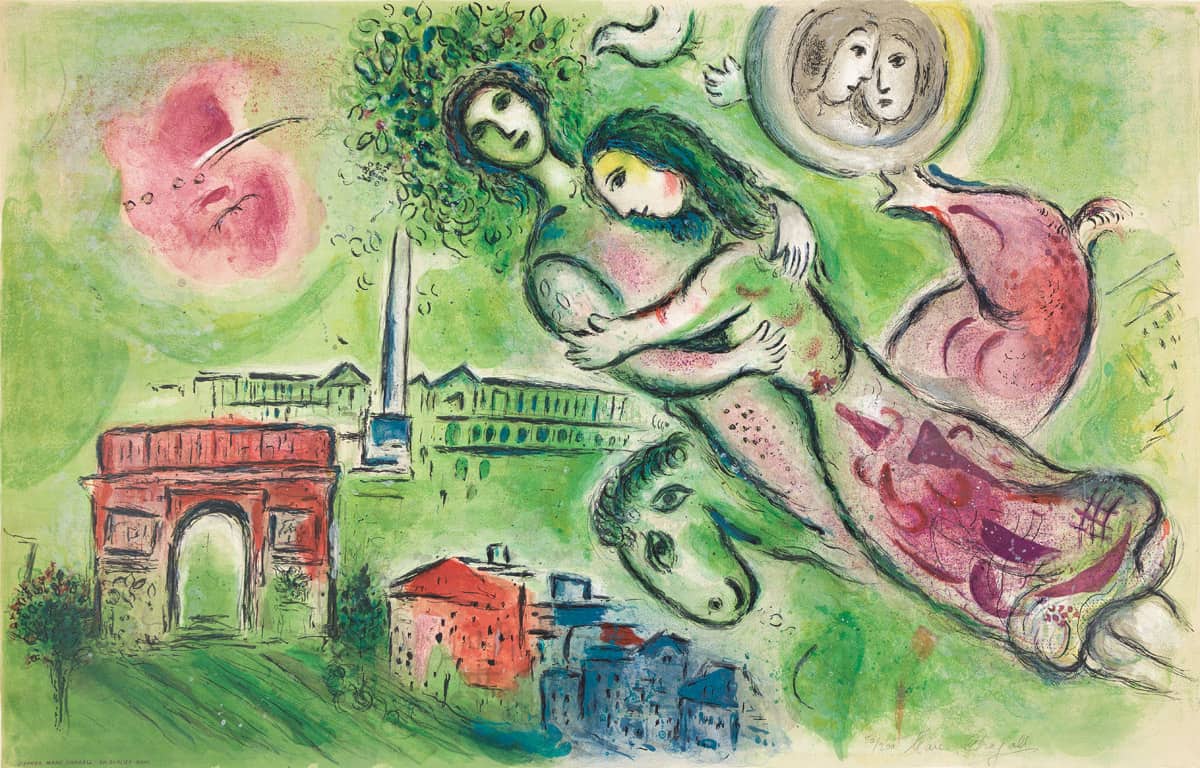 Romeo and Juliet lithograph by Chagall
It is unimaginable to suppose that this hottest work of the composer was so onerous for him to compose, even tougher than the First Symphony of some years earlier. It basically went by means of three variations over the course of 27 years, guided all through by the options of Mily Balakirev (1837 – 1910) – the putative chief of the “Five” group of composers devoted to discovering a extra authentically Nationalistic voice in Russian music. Even after the various years of revisions, the work struggled to seek out recognition.
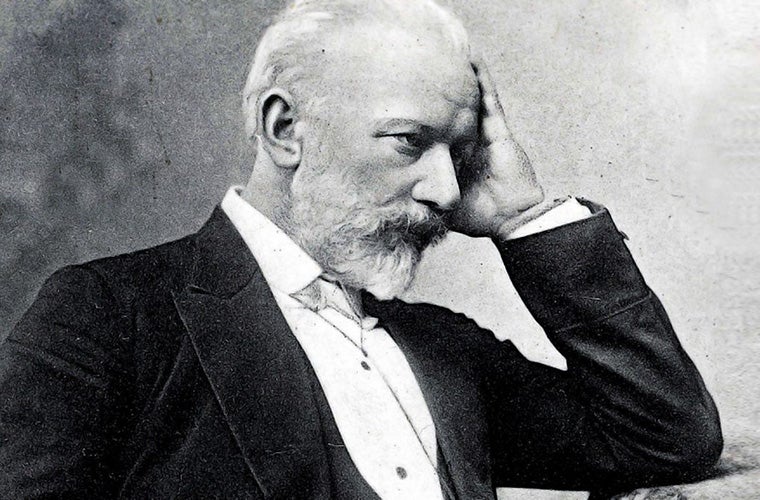 Peter Tchaikovsky
There’s no mistaking the fierce battle and erotic cost – in addition to the hovering love ardour – in Abbado’s and the Bostonians’ dedication to each heart-on-the-sleeve second in Tchaikovsky’s super-charged tone poem. When the brass and percussion kick in in the course of the battle sequences, Holy Mama is that this factor going to ship your coronary heart racing because it did mine!
So, aside from my slight caveat concerning the rolled-off bass within the Scriabin, this can be a self-recommending file even to these of you who can be fairly comfortable by no means to have to listen to Tchaikovsky’s Romeo and Juliet ever once more.
As for The Poem of Ecstasy – shut the door, dim the lights and shut your eyes…
It’s toe-curling time!
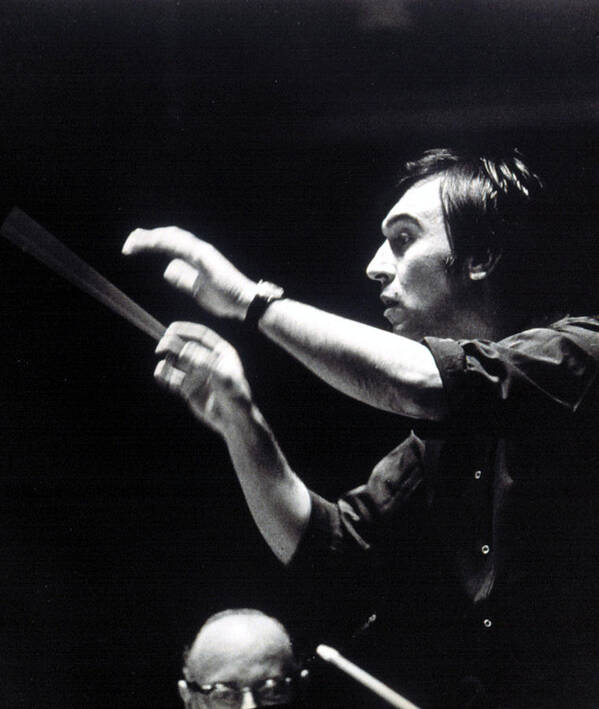 Claudio Abbado
HI-FI News
by way of Tracking Angle https://ift.tt/hvCEHeOkay
February 14, 2025 at 05:43PM
-
Product on sale
 Audiophile Vinyl Records Cleaning BundleOriginal price was: €69.90.€59.90Current price is: €59.90. incl. VAT
-
Product on saleEasy Start Vinyl Records Cleaning KitOriginal price was: €69.90.€59.90Current price is: €59.90. incl. VAT
-
Vinyl Records Cleaner Easy Groove Concentrate€34.95 incl. VAT
-
Easy Groove Super Set€199.00 incl. VAT
-
Easy Groove Enzycaster – vinyl records prewash cleaner€34.95 incl. VAT
-
Easy Groove Extreme MK. II- vinyl records prewash cleaner€45.00 incl. VAT
-
Vinyl Records Cleaner – Easy Groove Virgin Concentrate€35.00 incl. VAT
-
Easy Groove Spray&Wipe vinyl records cleaner€34.95 incl. VAT







