Tag Archives: Contemporary

Music Interview: Max Cooper

Hidden away in leafy Highgate, North London, is among the most spectacular and trendy sound areas within the UK.

The L-Acoustics Creations immersive 18.1.12 facility – named Ocean – was just lately used to host a particular spatial audio occasion for the launch of Unspoken Words, the most recent album by digital music pioneer, Max Cooper.

The Belfast-born artist and producer, who has a PhD in computational biology, has began working with French model, L-Acoustics, which has a background in skilled sound methods, to discover the probabilities of spatial audio. 

Cooper’s new album – his sixth – can also be obtainable as a Dolby Atmos-encoded Blu-ray, that includes 13 quick movies that accompany the music and have been created by visible artists. 

As extra music streaming companies akin to Apple Music, Tidal and Amazon Music spend money on spatial audio content material, L-Acoustic Creations need to evolve the listening expertise from being merely a binaural headphone one into whole-room, immersive sound playback.

Ocean is a high-end, lounge‑like venue that’s kitted out with 18 L-Acoustics Syva loudspeakers mounted on the partitions in a 360-degree configuration.

Low-frequency sound is produced by a circle of Syva Low loudspeakers and Syva Sub, whereas 12 overhead audio system are used to create a totally immersive ‘hemisphere’.

During a personal go to to Ocean, hi-fi+ was significantly impressed by the immersive listening expertise – we had a playback of a reside model of Radiohead’s ‘Paranoid Android’, recorded at a pageant, and it felt like we have been on stage with Thom Yorke and co.

Picture Credit: Alex Kozobolis

Cooper is an enormous fan of the sound area too, as he tells us in an unique interview.

“I exploit Genelecs [speakers] at house, however I like the sound of L-Acoustics – they sound f***ing superb! You get a great deal of element up on the prime – I exploit numerous clicks and excessive frequencies in my music. There’s numerous data and it comes throughout actually properly on their system. I additionally put rumbling harmonies down low within the bass frequencies, which additionally come throughout superbly.” He provides: “The L-Acoustics room might be my favorite sounding room that I’ve skilled. Even although the album wasn’t blended in that room, I like the way in which it sounds in there – it enhances my manufacturing method.”

SH: Unspoken Words is an bold mission, isn’t it? How lengthy did it take to place collectively?

MC: Yeah – it took about two years begin to end. A year-and-a-half of writing music and concepts and 6 months to fee 12 totally different visible artists and collectives. 

How and why did you hook up with L-Acoustics for the album preview occasion?

I’ve been chatting to these guys for some years, and I’ve been experimenting with spatial audio for a very long time. They are into it, and we’ve just lately began working collectively extra repeatedly. We’re creating some spatial audio instruments collectively and shifting in the direction of performing some reveals. 

This was the primary official occasion we’ve completed collectively, but it surely’s the beginning of a long-term mission. 

The new album was initially blended in Dolby Atmos at String and Tins [in London] after which we mapped it over to the L-Acoustics system in 14.1.8 for the playback.

What’s the enchantment of spatial audio for you?

When I write my regular stereo music, I put a number of binaural in there – whether or not that’s recordings I’ve made with little in-ear mics, or whether or not that’s simulated binaural, which methods your mind into pondering the sounds are behind you. I put these indicators into the stereo audio to make issues immersive and spatial in a stereo combine, with headphones. That’s solely one of many methods I exploit to generate immersion. 

I used to be listening to the brand new album on headphones, very early within the morning, a couple of hours earlier than interviewing you and I received freaked-out by the observe, ‘Exotic Contents’. At the beginning, there’s a whispered vocal bit, which actually startled me…

[laughs] That’s a great place – that was my good friend, Giles, whispering in your ear. We had an evening out and I received my binaural mics out and we have been messing about, recording freaky stuff. We had numerous enjoyable. 

And that’s simply in stereo… so with spatial audio you may take that even additional, can’t you?

There are a number of different issues I exploit. The fixed low bass harmonies I exploit attempt to create immersion as nicely – it’s like a full-body therapeutic massage. Plenty of my music is about escapism and making an attempt to wrap the listener up in lovely experiences. Spatial audio is a good device for doing what I’m already doing however higher. It permits me to speak extra powerfully, because it’s basically the aesthetic of my music anyway – spatial audio matches very naturally for me. 

Visuals are an enormous a part of my work – numerous my albums are made as scores to visible concepts and initiatives. I collaborate with lots of people. We’ve simply launched a brand new Dolby Atmos Blu-ray for the brand new album – it’s movie-length with movies in addition to music.

There are numerous hyperlinks to my work with spacial constructions – what one thing seems to be like in a 3D atmosphere by way of visuals and music. So, in relation to spatial audio, I can realise these 3D constructions and actually construct it into an object-based system, which then maps it accordingly to no matter you’re listening in, like 5.1 or Atmos. 

Spatial audio continues to be fairly area of interest, isn’t it? Do you need extra individuals to hearken to your music in Dolby Atmos? 

One of the issues that excited me about making the brand new album within the Dolby Atmos format and what led me to do it was the brand new Atmos-enabled Apple earbuds with head monitoring – we optimised it for these as nicely. 

If you’re streaming on Tidal or Apple Music, you may have an Atmos combine – if there’s a sound in entrance of you and also you flip your head, it should transfer round your head, relying on which route you flip. It’s such as you’re in a reside room, basically.

If somebody’s on stage and taking part in guitar in entrance of you, and also you flip your head to the left, then you definitely’ll hear them in your proper ear – it’s the identical impact with Atmos-enabled headphones with head monitoring.

On the album observe, ‘Spectrum’, there’s a stereo area left and proper

for those who’re going through ahead, however for those who flip your head to at least one facet, you’ll open up a distinct stereo area which you wouldn’t have heard beforehand. 

So, for those who’re listening on Atmos-enabled headphones, relying on which approach you’re going through, the music turns into interactive and can sound totally different – you may observe a path by way of it. 

That’s a completely new creative device that’s been opened up by these headphones, which a number of individuals have. I’m capable of ship messages and concepts that I couldn’t ship in any other case. 

What’s your house studio set-up like and may you inform me about your writing and recording processes?

It’s filled with outdated synthesizers, pedals and machines – it’s a chaotic room of stuff. I’m not superb at taking part in keys – I do numerous free expression and improvisation. I attempt to specific myself as greatest I can and never fear about making errors. 

I simply get masses and a great deal of layers and I do numerous semi-generative work with establishing methods which have a little bit of a lifetime of their very own. They wander round and I’m taking part in them on the identical time – emergent complexity. 

Plenty of my sounds come from distortion pedals which have been designed for noise bands – I simply jam with numerous synths and pedals, after which I do numerous processing for results. It’s a mix of very analogue-sounding sources with digital processing. 

I put down possibly 100 or 200 layers of audio after which I’ll begin sculpting it. There’s so much to do with taking away the unhealthy bits, moderately than simply making the great bits. 

I like extremes. My music’s not designed to sound actual – it’s designed to be surreal.

Max Cooper Unspoken Words
Cover Credit: Zach Lieberman, Colin Droz

Unspoken Words by Max Cooper is out now on Mesh.
maxcooper.internet
l-acoustics-creations.com

Back to Music

The submit Music Interview: Max Cooper appeared first on Hi-Fi+.
Music Interview: Michael Head

Michael Head has been known as Liverpool’s nice misplaced songwriter and a genius.

Speaking to him on the telephone early one spring morning – he’s at dwelling, close to town’s docks – I ask him if he’s pleased with the genius tag.

“Somebody as soon as stated to me, ‘That tune you’ve written is f***ing genius – anybody might’ve accomplished it!’ And I went, ‘Yeah – you’re proper, lad. Good on yer,’” he says.

“I feel genius is when one thing is completed in a selected means that’s completely different to the norm – it’s off-centre. I simply love writing.”

After a 40-year profession that takes in The Pale Fountains, Shack, and The Strands, Head, who’s 60, has simply launched his second album with The Red Elastic Band, and it simply is likely to be the most effective factor he’s ever accomplished.

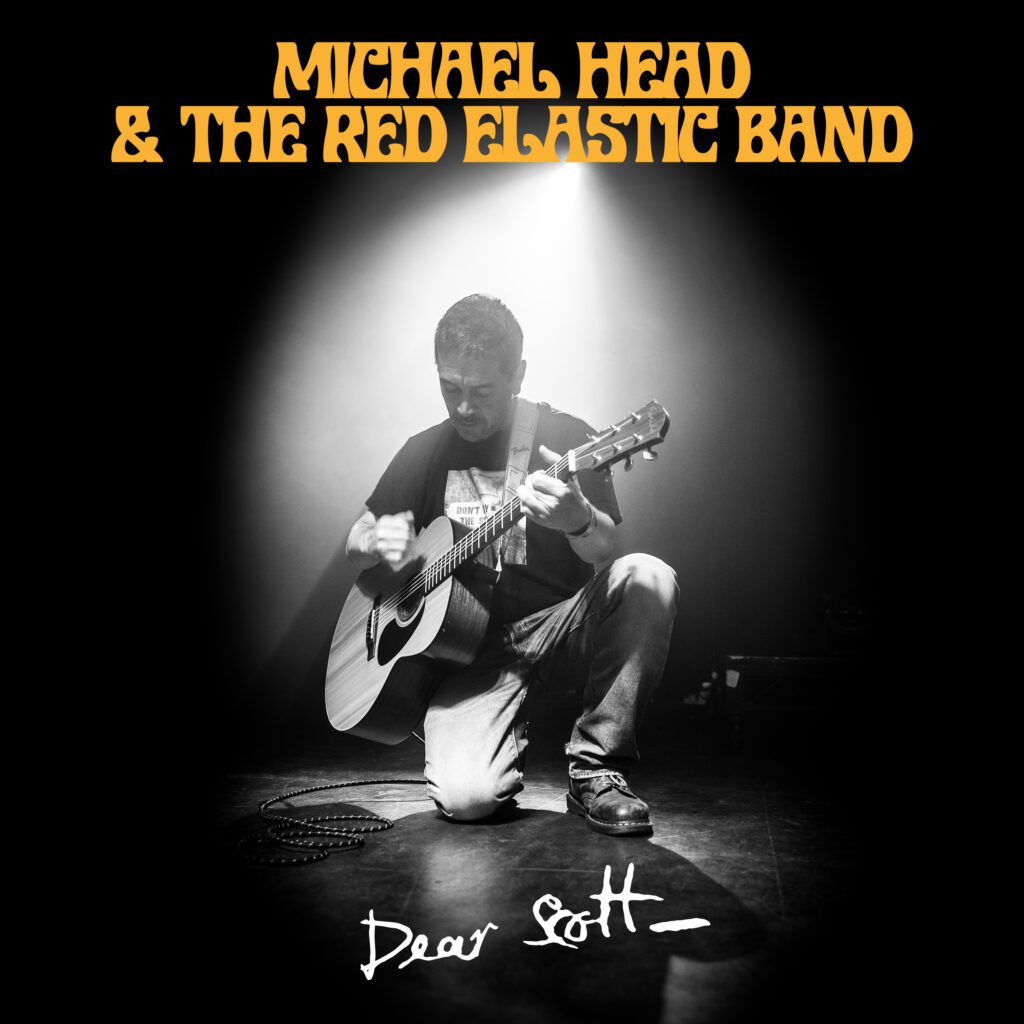
Dear Scott – the title references creator F. Scott Fitzgerald’s time on the notorious Hollywood resort, The Garden of Allah, when he picked up a postcard on strolling in and addressed it to himself – is a shocking and delightful assortment of story songs.

Comeback single, ‘Kismet’ – written in regards to the kindness of strangers and based mostly on a real-life expertise, when Head discovered himself stranded in the midst of nowhere with a useless telephone – is joyous and jangly guitar pop, ‘Broken Beauty’ has a blue-eyed soul really feel, full with lush, Easy Listening strings and Bacharach trumpet, ‘Fluke’ is a hazy and dream-like journey by L.A, soundtracked by cinematic strings, and ‘Gino and Rico’ is a beautiful jazzy shuffle that will swimsuit Richard Hawley’s velvet croon.

Credit: John Johnson

‘Freedom’ is a folky acoustic ballad, and ‘American Kid,’ with horns and a hovering refrain, is written a couple of buddy who was “born in a excessive rise in Kirkby” and is obsessive about Hollywood tradition. It namechecks classic US actors John Garfield and Ida Lupino, in addition to Elvis, Tarantino and De Niro.

The document was produced by Bill Ryder-Jones (The Coral) who offers the songs wealthy, vibrant and imaginative preparations.

“He’s accomplished an incredible job. It’s not a case of him understanding the songs – he simply will get them,” says Head. “We’re on the identical web page and in tune with one another. The songs simply advanced.”

SH: In 2019, you introduced you had been going to place out an album known as New Brighton Rock, however your plans modified as a result of COVID, didn’t they?

MH: Yeah – I’d been writing songs since then. I’m writing on a regular basis. Eighteen months in the past, me and the lads [from The Red Elastic Band] went into the studio with Bill and did about six tracks after which lockdown kicked in. We didn’t see one another for 12 months.

When we bought again collectively, what we’d accomplished previous to lockdown sounded incredible.

Dave Pichilingi [CEO] of [record label] Modern Sky stated, ‘Do you wish to end the album off?’ We had been like, ‘Yeah – positively,’ as a result of we’d financed the primary bit ourselves, with gigs and we’d accomplished some T-shirts.

Initially the album was known as New Brighton Rock as a result of I’d been engaged on a brief story… I’ve been doing brief tales for 20 years, in my spare time. I’m going to do one thing with a writer within the close to future.

I wrote the story New Brighton Rock about 15 years in the past and I liked it a lot… I wrote a tune, but it surely didn’t go on an album.

New Brighton Rock was a working title [for the album]. When I used to be out on my bike, somebody shouted ‘New Brighton Rock’ to me on the street, and I did flip spherical.

But the album ended up being known as Dear Scott…

I’d seen a Jay McInerney documentary about F. Scott Fitzgerald, which fascinated me – his persona, his letters and his sense of humour appealed to me. He was the king, however he’d had a couple of ups and downs.

Credit: John Johnson

When all his associates had been attempting to crack the brand new medium in Hollywood, he went there to try to have a go, however when he arrived at his resort, it was the fallacious place for him, as a result of he was sober and all people round him was in an extreme atmosphere. When he bought to the counter on the resort, he wrote a postcard to himself: ‘Dear Scott…’ He didn’t stamp it – he simply put it on his mantelpiece.

One of the songs on the album, ‘Fluke’, was impressed by certainly one of Scott’s brief tales known as The Homes of the Stars.

The album is great – it’s a stunning document.

Thank you, man.

Several of the songs, like ‘Fluke’ and ‘Kismet’, point out journey – it looks like fairly a transient album…

Yeah – that wasn’t intentional however it I suppose there may be a whole lot of motion. I exploit my unconscious rather a lot after I’m writing. Some of my songs are pure reality and a few are pure fiction – I like to combine it up.  ‘Fluke’ is a couple of PR lady who will get a possibility to go to L.A. She’s informed that she’s bought to come back again, however she loses her telephone so she will be able to go there. I’m fascinated by Hollywood films, and I’ve tried to encapsulate that – she’s dreaming in L.A.

The strings on ‘Fluke’ sound very cinematic…

That was Bill Ryder-Jones, mate.

Why did you resolve to work with him?

I’ve identified him for ages, since he was in The Coral – we’ve performed at a few festivals, and we at all times bought on rather well.

I really like his stuff and he’s a stunning fella.

One of the lads within the band, Nat [Nathaniel Cummins – guitars] works rather a lot with Bill.

One day, earlier than Bill bought concerned, we had been going by the songs – Nat had made a studio in his flat, so we bought the songs into form there. Nat stated, ‘What about Bill producing the album?’ I stated, ‘That’s proper! Let’s ‘ave it – all day!’

That was that – Bill was up for it. It was beautiful making it. He lives in West Kirby, on the Wirral – he has his personal studio there. It’s an excellent atmosphere – when you weren’t within the studio, you would go for a stroll.

For the primary a part of the album, to inform you the reality, I used to be consuming. Then lockdown occurred, and I bought sober and extra targeted – it was good.

The lads within the band are so grounded and so lovely – they’re level-headed and so they’re half my age, however they’re like mates.

I stated to them as soon as, ‘You don’t half get the brand new songs’, and certainly one of them stated, ‘Mick – me ma and me uncle performed us your songs. We grew up with them, so we all know the place you’re going’.

All my life I’ve been actually fortunate with individuals I’ve been in bands with.

Mood-wise, I feel the album is a optimistic one…

It actually is. When me and the lads met again up [after lockdown], we went for a stroll down the seaside and stated, ‘Let’s end the album’. It all opened up once more – it was meant to be.

It’s as if the celebs aligned…

There you go, lad.

On that word, the primary single from the document was ‘Kismet.’ It’s in regards to the kindness of strangers and somebody who helped you once you had been stranded and wanted to cost your telephone up…

In the olden days, earlier than cellphones, when you had been stranded, you both needed to discover a pink phone field or knock on a door. You needed to have cash as effectively, or you would reverse the costs…

A few years in the past, I used to be in the midst of nowhere, with no energy on me telephone – you don’t realise how a lot you want it till it’s gone. I had no cash – I used to be in a little bit of a state of affairs, and it actually was in regards to the kindness of strangers. I noticed someplace – it was like sanctuary and salvation in a means.

I stated to a man, ‘All I would like, mate, is a few minutes cost for one name to avoid wasting meself’.

He was actually good – he was closing the place up, however he charged me telephone up and gave me a bit of plate of meals. And then he turfed me out. He stated, ‘That’s on the home.’ I made the decision and I saved meself.’

‘Broken Beauty’ is certainly one of my favorite tracks on the document. It’s nearly a soul tune. Your vocals remind me of Dr. Robert from The Blow Monkeys. You’re singing in a unique model on it…

He was boss, Dr. Robert. It suited the best way the tune was going to develop, but it surely wasn’t intentional – I simply sing it the best way it must be. I really like the backbeat guitar and the trumpet on it.

Another spotlight for me is ‘American Kid’, which is kind of probably the one tune ever written to say US actor, John Garfield. It’s one other tune that references Hollywood and American tradition…

It’s about two associates rising up – one of many lads is fascinated by Hollywood and he can’t actually discuss anything, though he’s into soccer and all the things else.

As they become old, he turns trans – they’re nonetheless greatest associates, however he finds his different life extra fascinating and fulfilling, in addition to nonetheless going to the match. It’s about real love inside friendship – like road brothers.

When Shack reformed, you had been championed by Noel Gallagher and signed to his label, Sour Mash Records. Did you get pleasure from that interval?

Yeah – it was useless good. It was of the second. In Shack, we at all times had a ball once we had been enjoying festivals with Noel, whether or not it was onstage, backstage, or mooching round. I met a great deal of individuals I wouldn’t have usually met.

You’re a critically acclaimed singer-songwriter, however you’ve by no means actually crossed over into the mainstream. Why do you assume that larger success has eluded you? Are you fairly completely happy being a cult artist and doing your individual factor?

I’m completely happy doing my very own factor – I can operate and get on with my life. Sometimes in rehearsals, we are saying, ‘You know what? It’s all in regards to the songs.’

Lately, I’ve loved getting again into writing – new songs and brief tales. What does the mainstream entail? I’m not about supplies and cash. What is it that I’m lacking out on?

Obviously, all of us want cash, but when I received The Lottery, I wouldn’t know what to do with it. I had a good suggestion after I was youthful, however that’s one other story.

Who are your songwriting heroes?

Arthur Lee, Bowie – his lyrics are up there for me – and Joni Mitchell.

We talked in regards to the stars aligning for the brand new album.

Shack’s dangerous luck has been well-documented, as have your individual private battles with dependancy. Do you assume you would’ve been larger if issues hadn’t labored in opposition to you, or was it par for the course?

Probably par for the course – it was the local weather of the time. The planets weren’t aligned. There was a whole lot of mayhem within the ‘90s and the 2000s, but it surely was lovely mayhem. I wouldn’t have it another means, however I suppose we might have accomplished issues otherwise typically.

Dear Scott by Michael Head & The Red Elastic Band is out now on Modern Sky UK.

michaelheadofficial.com

Back to Music

The submit Music Interview: Michael Head appeared first on Hi-Fi+.

Music Interview: Swing Out Sister

It’s been over 35 years since British sophisti-pop act Swing Out Sister launched their debut album, It’s Better To Travel.

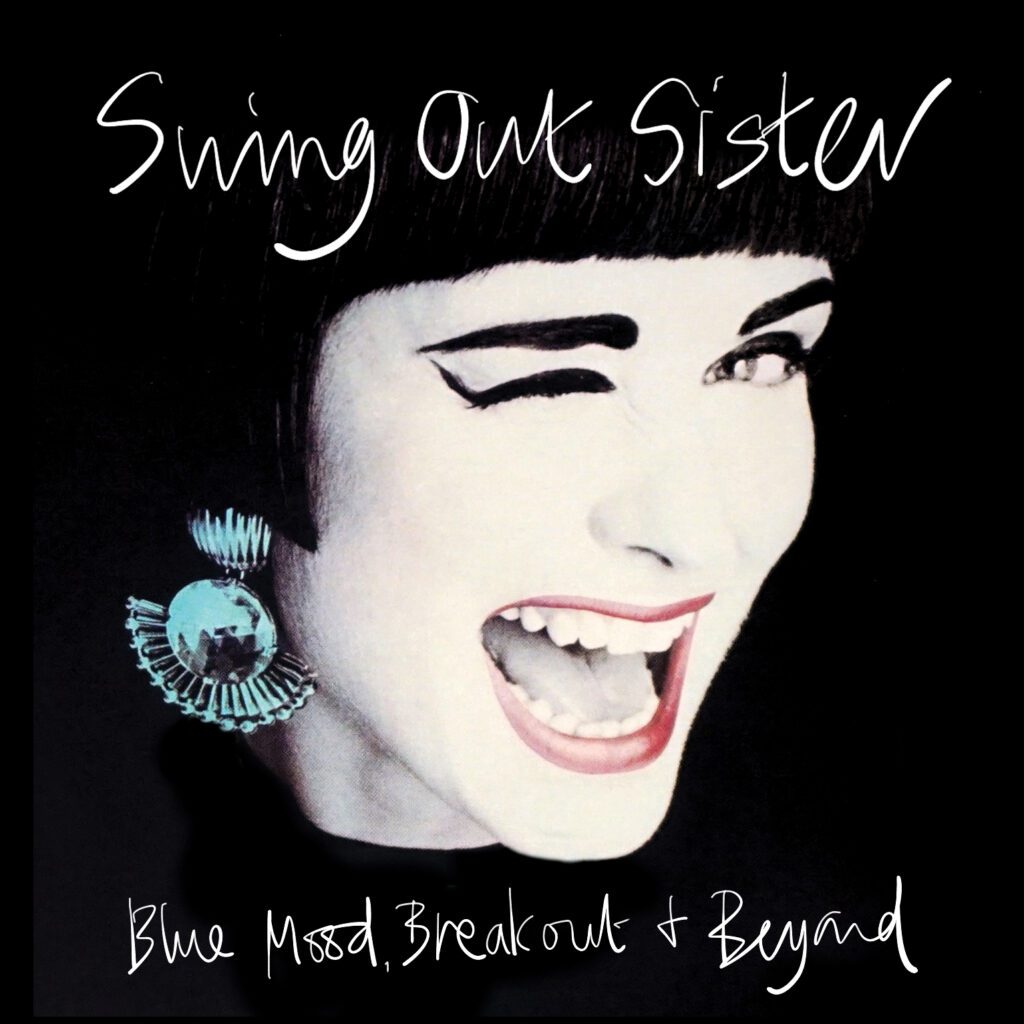
To have a good time its anniversary in 2022, the duo, Corinne Drewery (vocals) and Andy Connell (keyboards), whose second single, ‘Breakout’, was launched in 1986 and bought to quantity 4 within the UK singles chart, have teamed up with file label Cherry Red to curate and compile an eight-CD field set referred to as Blue Mood, Breakout And Beyond – The Early Years Part 1.

Released in late July, this complete assortment spans 1985-1992 and incorporates the band’s first three albums, It’s Better To Travel, Kaleidoscope World and Get In Touch With Yourself, in addition to the Japan-only live performance album, Live At The Jazz Café, and 4 discs of B-sides, 7in mixes, remixes and uncommon variations.

There’s additionally a powerful booklet, sleeve notes based mostly on new interviews with the band, footage of uncommon memorabilia and illustrations by Drewery.

As you’ll anticipate from an act of Swing Out Sister’s ilk, it’s an aesthetic and well-presented package deal.

In an unique interview – or ought to that be, ahem, breakout session – with hi-fi+, Drewery and Connell discuss their influences and making these first three studio albums.

You reissued a few of your albums as deluxe CD variations a couple of years in the past, however the brand new field set places all the pieces in a single place, doesn’t it? It’s a pleasant assortment for the followers…

CD: From an avid collector’s standpoint, I don’t assume there’s something that they couldn’t have discovered someplace on the earth – excuse the pun – (‘Somewhere In The World’ is the identify of a tune from their 1997 album, Shapes and Patterns) however, as you say, it’s multi functional place.

Some of the songs have been obtainable in several nations and are fairly costly to gather – if you happen to’re an actual collector, you continue to need the unique vinyl copies, or the Japanese model with the obi across the sleeve.

Your first album, It’s Better To Travel, is 35 years previous this 12 months. How does that really feel?

AC: It’s pretty, however, in a single sense, it’s horrifying. We have been by no means speculated to have longevity – we had a singles deal. It was solely as a result of ‘Breakout’ did what it did that the label noticed some sort of legacy with the venture.

The concept that we’ve been in some way doing this for that size of time is weird, however there’s a sure satisfaction – not many individuals stick it out that lengthy. It’s a testomony to our stubbornness if nothing else.

It’s Better To Travel had a whole lot of totally different influences, like ‘60s pop, soul, jazz, funk, but it surely’s additionally digital at occasions, isn’t it?

‘Breakout’ is extra synth-led than I remembered – the intro has fairly a Pet Shop Boys really feel, like ‘West End Girls…’

AC: That’s level. What occurred was that our subsequent albums – actually the second – modified individuals’s notion of the primary one.

There are actual strings on the primary album, however not the orchestral factor that turned up later.

On the primary album, Martin [Jackson – original member and drummer] was programming the drums. We’d come from synths – we have been making Street Sounds [electro] records earlier than Swing Out Sister. Our producer, Paul O’Duffy, introduced the orchestral aspect in.

It was a beautiful mixture. In hindsight, it appears very astute and cleverly deliberate, but it surely actually wasn’t within the slightest.

I used synths, however I had aspirations to make use of extra instrumentation if we bought the possibility or the price range, and Corinne was coming from one other place – The Supremes, Dusty Springfield…

CD: I feel we at all times had these aspirations. When you assume again to what we might’ve been listening to on the time we have been making our first file, it was mid-‘60s music – the golden period of the Brill Building, like Goffin and King, and Bacharach and David.

We grew up with that and we absorbed it – that was our musical training, and we have been very fortunate to have that.

It was very refined, however when it got here to creating our personal sounds, we hadn’t paid our sophistication dues, so we have been attempting to emulate that with Emulators and Fairlights.

Although we didn’t have the price range for a full orchestra, we have been utilizing some fairly refined recording methods – we have been emulating the grandeur of the records we’d grown up with, however in an digital means.

Your music can also be very cinematic…

AC: Our frequent floor was movie music – John Barry and Ennio Morricone.

There’s an actual John Barry affect on the instrumental observe, ‘Theme (From It’s Better To Travel.’ It jogs my memory of ‘Space March’ from the You Only Live Twicesoundtrack…

AC: Exactly.

CD: You bought it in a single.

AC: When you say, ‘it reminds you of…’ We’re doing a straight homage!

CD: It was earlier than that entire loungecore, Easy Listening, cinematic sound had actually turn into widespread.

Things had been much more stripped-down and synth-oriented, and it then bought a bit acid home, heavy home and dance, and a bit Bristol.

What we have been doing wasn’t in sync with all that – it was extra conventional. We have been attempting to create traditional records – little three-minute pocket symphonies, as Brian Wilson stated – and we had a good time experimenting.

The second album, Kaleidoscope World, is rather more grandiose than your first – there’s an actual ‘60s orchestral pop really feel to it…

CD: Our producer, Paul O’Duffy, favored the identical stuff as us – on that album, we indulged. We had a bit extra of a price range and we went to city – we even bought along with Jimmy Webb.

How was he to work with?

AC: Our mouths have been completely open. It was such a cheeky factor to request – to get him to come back and prepare some songs for us. Who did we expect we have been? Seriously. But he was on the primary flight, and he was such an easy, no-nonsense man. He sat and performed the piano within the studio breaks, and we thought, ‘This can’t be occurring.’

John Barry popped into the studio whilst you have been recording the second album, didn’t he? Sadly, you didn’t get to work with him…

AC: Yes – he did. I’d forgotten that. How may I neglect that?

Our producer had labored on one thing with him – he very graciously got here to the studio for an hour, listened to our stuff and gave it his blessing. He was busy – I feel he was engaged on A View to a Kill, so his calendar was full. That would’ve been fascinating, but it surely was nice to only be in his presence.

CD: He gave his blessing to the instrumental model of ‘Forever Blue’, so we didn’t get sued!

AC: It’s a Midnight Cowboy homage…

‘You On My Mind’, from Kaleidoscope World, is considered one of my favorite Swing Out Sister songs. It appears like a traditional ‘60s pop single by Sandie Shaw or Petula Clark. The orchestration jogs my memory of Tony Hatch…

CD: You’re hitting all the appropriate buttons.

AC: That tune got here very late within the recording – we had the album after which we had a kernel of an concept that we have been messing round with. We’d bought daring by that point – we did a pop association in the old-fashioned sense.

To at the present time, I’m astonished that it wasn’t an even bigger radio hit, as a result of it sounds improbable on the radio – some kind of frequency factor occurred, and it got here alive. It didn’t sound like anything – it leapt out of the speaker.

Your third album, Get In Touch With Yourself, has a string  ‘70s soul really feel and a groove to it – there are influences like Isaac Hayes and Curtis Mayfield at play. Was {that a} response to the ‘60s sound of the second file?

AC: I don’t assume there’s ever been a degree the place we’ve sat down and stated, ‘We’re going to make this type of file – these are the influences, and that is the sound we would like…’

In a broad sense, Kaleidoscope World is ‘60s, and Get In Touch With Yourself is ’70s, but it surely’s by no means so simple as that. It didn’t really feel like that on the time.

CD: Because we’d gone to this point down the street of Easy Listening, lounge and cinema, we needed to put the beat again in.

We have been pondering, ‘What’s the least quantity of beat we are able to put in, or the good means we may do it that wasn’t home music?’

We have been very a lot up in opposition to that entire home motion, which was about stripping all the pieces right down to nothing and protecting the vocal in. We have been nonetheless attempting to maintain as a lot music in, but in addition incorporate the groove. It was, ‘Let’s get a groove on.’

AC: Curtis Mayfield isn’t distant from many of the issues we do.

The eight-CD Swing Out Sister field set Blue Mood, Breakout And Beyond – The Early Years Part 1, is on the market now on Cherry Red Records.

cherryred.co.uk
swingoutsister.com

Back to Music

The publish Music Interview: Swing Out Sister appeared first on Hi-Fi+.

Modern recordings for contemporary audiophiles (Part One)

There are occasions when it appears as if the ‘accredited’ canon of audiophile-quality recordings stopped round 1974. This is especially the case at hi-fi reveals and demonstration periods, the place the identical outdated slabs of vinyl are slipped out of their sleeves many times. Don’t get me fallacious, they sound nice, and there are some crackers in there, however it may be soul-destroying.

It doesn’t should be this fashion. There are plenty of well-recorded, expertly produced albums obtainable to take heed to and luxuriate in. Many of them recorded because the flip of the millennium. Plus, and that is the nice bit, quite a lot of them are wonderful when it comes to music as effectively! They are belongings you would select to take heed to… for pleasure… which is, in spite of everything, the entire level of this ardour of ours.

Okay, let’s be frank, quite a lot of widespread music has over the many years been shoddily recorded, poorly mastered, and blended with all of the loudness turned up in order that it sounds thrilling on the radio – sure, we’re you Oasis and Metallica. Still, there are a lot of, many extra culprits.

That horrible behavior hasn’t contaminated the entire trade although, and there’s nonetheless sufficient well-recorded music obtainable to fulfill individuals of all tastes. And the odd factor is, it doesn’t appear to be a matter of cash or success that results in the creation of an ideal recording. In reality, as you’ll see from this checklist, quite a lot of the gems listed here are comparatively unknown artists, with albums that wouldn’t have troubled chart compilers. There are, nevertheless, producers and labels which have a behavior of frequently creating great-sounding music. People like Steve Albini – whose personal artistic output would most definitely not have prompt audiophile – and labels corresponding to Secretly Canadian, which has launched a few of our favorite recordings over time.

Another optimistic is that there are additionally many extra methods to take pleasure in audiophile-quality recordings than a decade in the past when CD was the dominant drive within the music trade, with MP3 because the younger – horrible sounding – pretender to the throne. Vinyl has made a welcome return, and along with the raft of recent releases on the format, file firms have additionally seen the chance to make some extra money with new variations of recordings from their again catalogue. Okay, so we will all take a cynical take a look at this, but when it means I can now buy a 180g half-speed grasp for £30 of a recording that will have set me again the worth of a small automotive beforehand then I’m all for it!

And then after all there’s streaming. We’ve come a good distance since we have been restricted to the horror present that was the MP3 revolution. Now, most streaming companies provide high-resolution audio information. We may argue all day about what service is greatest – presumably a debate for an additional function – however what can’t be ignored is that we now have high-quality entry to extra music than ever earlier than. And quite a lot of that music – sadly removed from all – is effectively recorded and sounds implausible.

So right here we’ve our curated choose of a few of the best-sounding albums of the previous couple of many years. This function offers with the flip of the century to the center of the noughties, and there are some absolute crackers in there. We hope you take pleasure in it and uncover some future favourites there. They are all streamable in high-resolution from one service or one other, and far of it’s obtainable on good-quality vinyl.

Boards of Canada

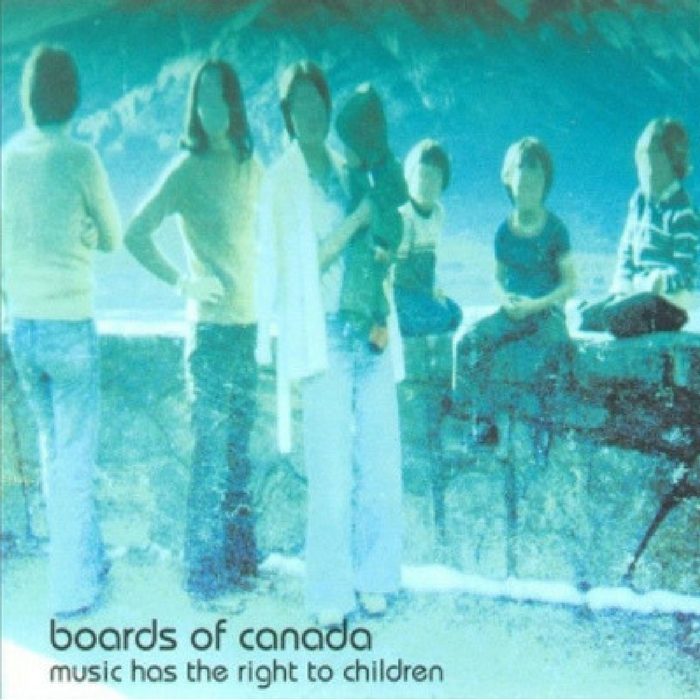
Music Has The Right To Children (Warp, 1998)

Boards of Canada Music Has The Right To Children

Where to begin with this epic slice of ambient experimentalism? This is one of the best album in a sector that features quite a lot of nice albums from proficient artists – Eno anybody? Music Has The Right To Children is a heady mixture of electronica, discipline recordings and drones, with the assistance of luxurious beats. Then there’s the sound: the bass is low and thudding, samples crisp, and the environment ethereal and roomy.

Dr. Dre

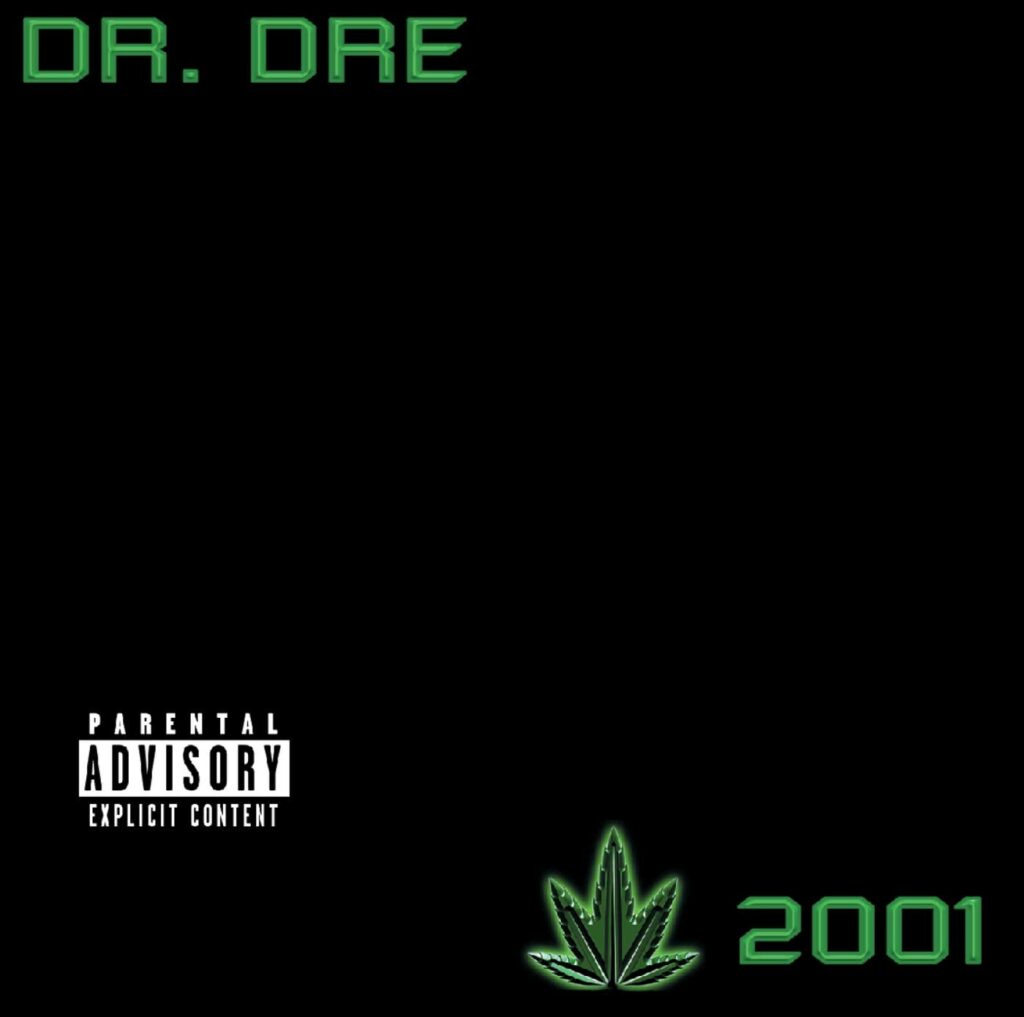
2001 (Aftermath/Interscope, 1999)

Dr Dre 2001

We take Dr Dre opening this album with the THX ident as an announcement of intent, and he doesn’t disappoint. Whether it’s one of many quite a few bangers contained inside its 70-minute operating time or the extra soulful duets with the likes of Mary J Blige, 2001 rewards you with a sensational listening expertise. Voices, beats, orchestration – each a part of the recording is delivered in all its glory.

Bonnie ‘Prince’ Billy

I See A Darkness (Domino, 1999)

Bonny 'Prince' Billy I See A Darkness

Will Oldham’s first Bonnie ‘Prince’ Billy outing noticed him transfer from Lo-Fi to Hi-Fi, with the completely lovely I See A Darkness. The trick right here is, as is usually the case, easy music from primarily acoustic devices, effectively recorded. The result’s an album that sounds implausible, offering you a front-seat view inside Oldham’s troubled soul with this assortment of darkly humorous or just darkish tunes. Not a straightforward pay attention, however an enormously rewarding one.

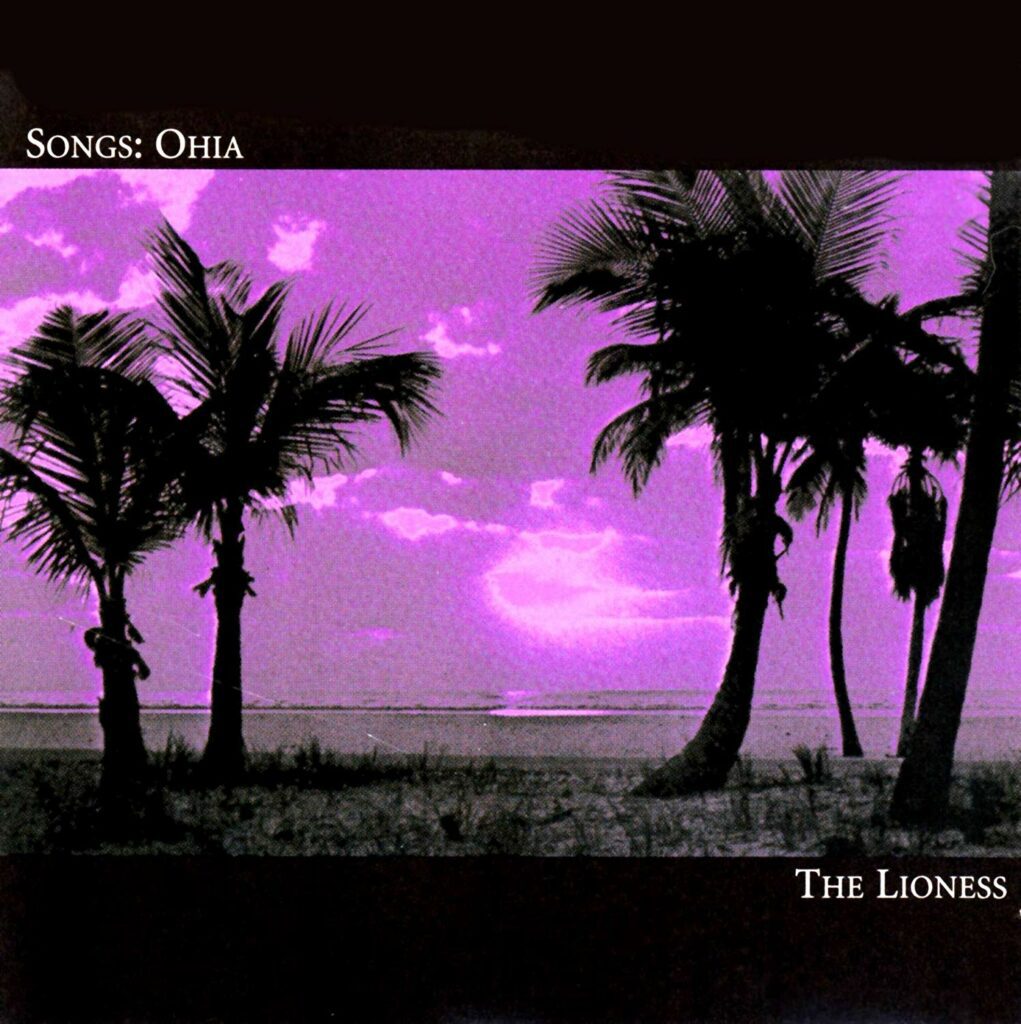
Songs: Ohio

The Lioness (Secretly Canadian, 2000)

Songs: Ohio The Lioness

There have been a number of Songs: Ohio contenders for this checklist, together with the Steve Albini produced Magnolia Electric Company, however there’s simply one thing particular about The Lioness that retains us coming again to it. It’s so clear, clear, and crisp. As the opening ‘The Black Crow’ begins you possibly can instantly sense the band members poised to hitch in after the opening chorus. And when Jason Molina’s pained vocals take centre stage all of it comes collectively fantastically.

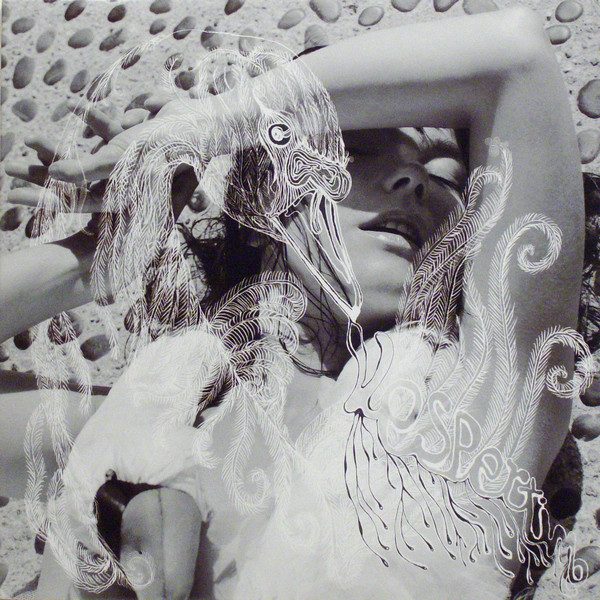
Björk

Vespertine (One Little Indian, 2001)

Bjork Vespertine

Björk is famed for her ardour for experimental audio; she chooses her collaborators with nice dexterity and clearly hates the thought of sitting nonetheless. Vespertine is a implausible instance of how these needs come collectively and ship a genuinely expectational recording. It’s advanced, multi-layered, and continuously fascinating and each single element is faithfully revealed on this wonderful recording.

Low

Things We Lost In the Fire (Kranky, 2001)

Low Things We Lost In The Fire

Low’s fifth album was recorded at Steve Albini’s Electrical Audio studios in Chicago. A hold-out for analogue strategies and ‘pure reverberation’ from the rooms themselves, the studio acts as an additional member of the band right here, enjoying an enormous half within the sound. Things We Lost In the Fire catches Low at their, er, top, with an epic drum sound and fantastically rendered double-handed vocals.

Lambchop

Is A Woman (City Slang, 2002)

Lambchop Is A Woman

This is a splendidly easy album, primarily piano-led, with occasional guitars and minimal percussion. Kurt Wagner’s unbelievable voice is all the time on the centre of issues and sounds goosebump-inducingly shut at occasions – he appears to whisper in your ear. The general impact is one among intimacy, with the performers shut at hand, but it surely’s well-recorded sufficient to by no means get oppressively claustrophobic, with wonderful separation and sound staging all through.

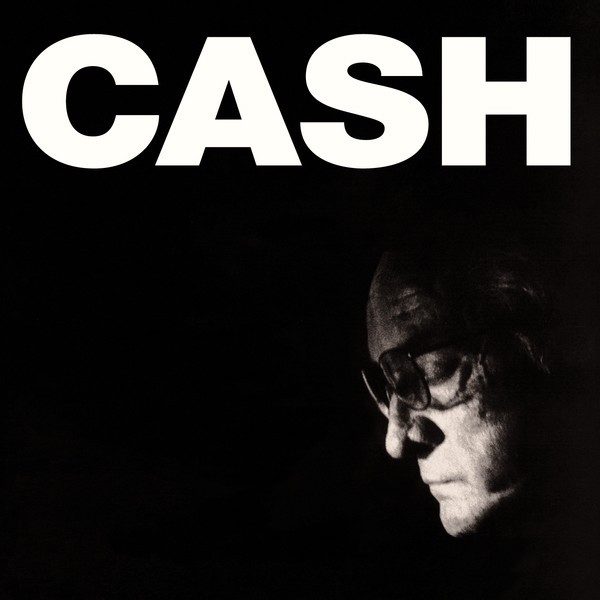
Johnny Cash

American IV: The Man Comes Around (American Recordings, 2002)

Johnny Cash American IV: The Man Comes Around

We’ve chosen the fourth album from the swansongs of Johnny Cash due to the discharge date and the standard of the songs, but it surely may have been any one among them. The final album he launched in his lifetime, American IV as soon as once more sees Cash delivering primarily sparse covers, sensitively helmed by Rick Rubin. The end result manages to be each heart-warming and heart-wrenching and is a sensational listening expertise.

Godspeed You! Black Emperor

Yanqui U.X.O. (Constellation, 2002)

Godspeed You! Black Emperor Yanqui U.X.O.

This album is the one which divides followers of a band that divides critics. However, when you take pleasure in well-recorded brooding menace and sudden dynamic explosions of drums and guitars, then this can be a place you’ll really feel very snug. Yet one other Steve Albini-produced post-rock traditional, Yanqui U.X.O. was Godspeed You! Black Emperor’s third providing, and their final for a decade, and we love each second of it.

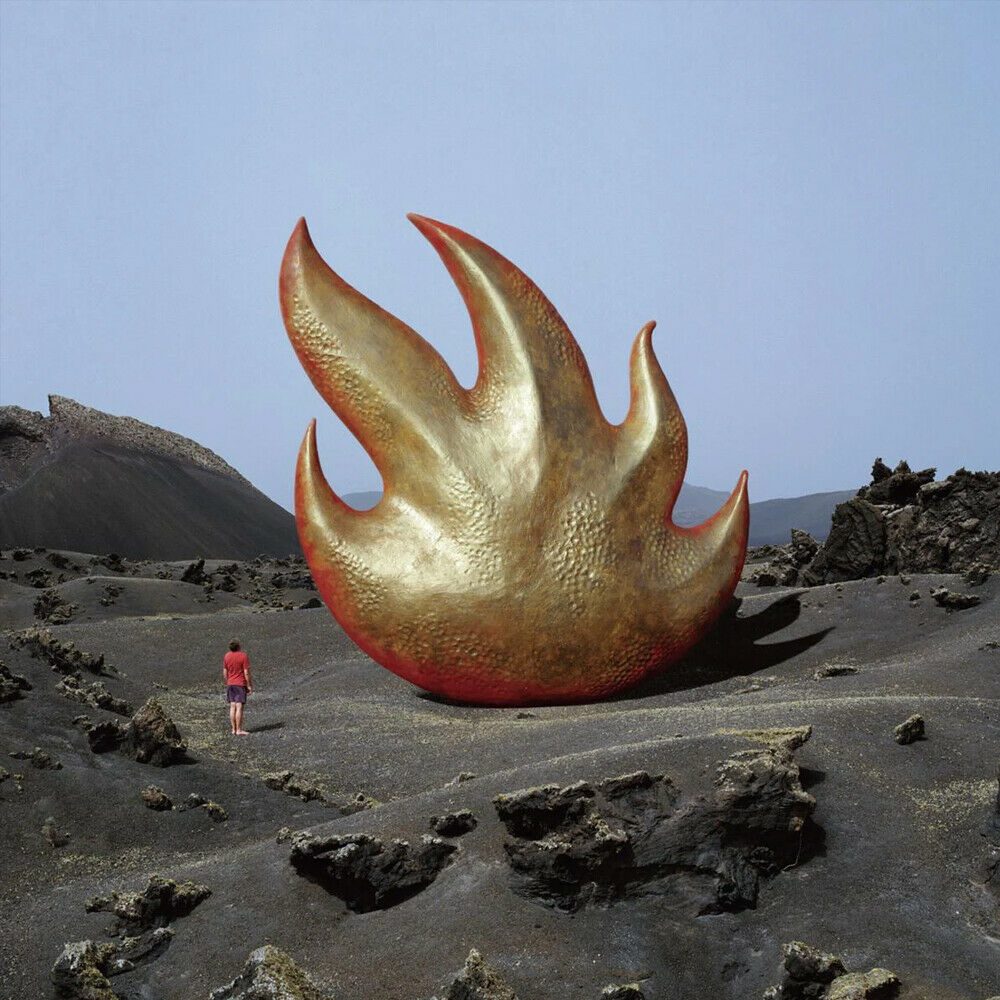
Audioslave

Audioslave (Sony, 2002)

Audioslave

Who doesn’t like a little bit of straight-up, in-your-face, well-recorded, expertly produced rock that includes Chris Cornell and most of Rage Against The Machine? Helmed by Rick Rubin, the eponymous Audioslave simply sounds BIG with its monster drum sound, gut-thumping bass and Tom Morello’s wonderful guitar work. But it’s the sadly departed Cornell’s vocals which are the star of the present.

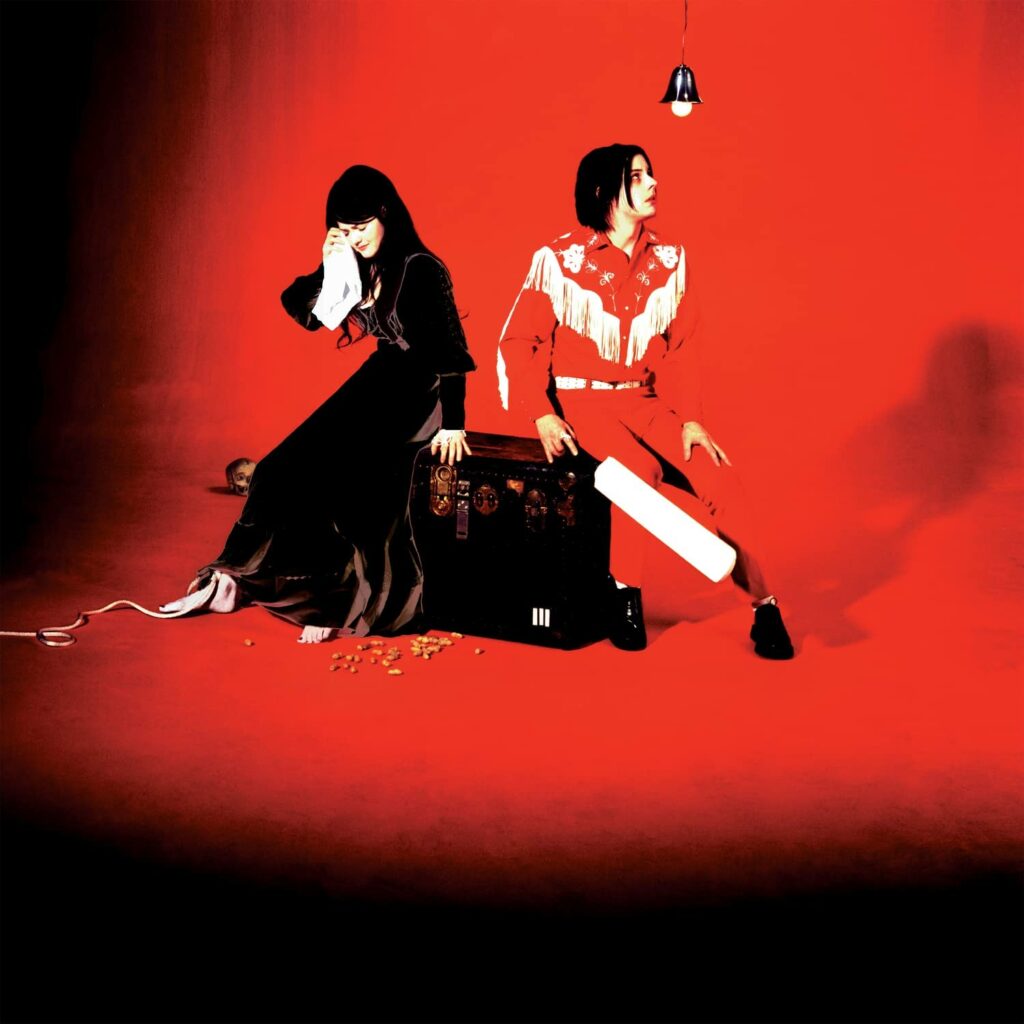
White Stripes

Elephant (Third Man Records, 2003)

White Stripes Elephant

Recorded in London’s Toe Rag Studios, the White Stripes’ fourth album Elephant marked a back-to-basics strategy for a duo that was already fundamental – and we imply that positively. The result’s often stark in its simplicity. Yes, it’s tough, and sure, it’s uncooked, however that’s as a result of it was alleged to be! If the opening one-two of ‘Seven Nation Army’ and ‘Black Math’ doesn’t instantly seize you, then we’d recommend checking your pulse.

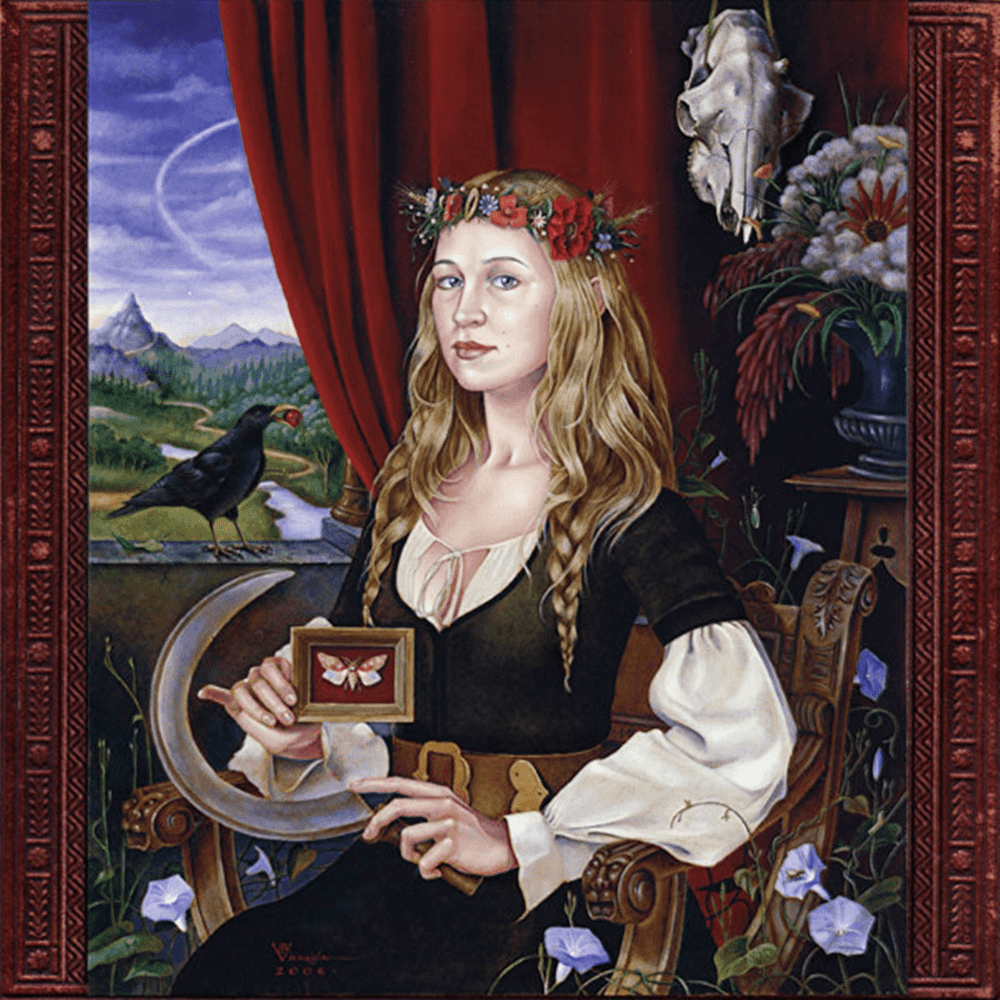
Joanna Newsom

‘Ys’ (Drag City, 2006)

Joanna Newsom Ys

Joanna Newsom’s breakthrough album is a wide ranging work of musical maturity. Its recording course of is a who’s who of left-field high quality, with Van Dyke Parks producing and arranging, Steve Albini recording and lo-fi legend Jim O’Rourke mixing. Newsom’s distinctive vocals, backed primarily by her harp and strings sweep you away to sonic vistas you by no means know you needed to go to. It is dynamic and plush in equal measures, however 100 per cent partaking.

Back to Music

The submit Modern recordings for contemporary audiophiles (Part One) appeared first on Hi-Fi+.

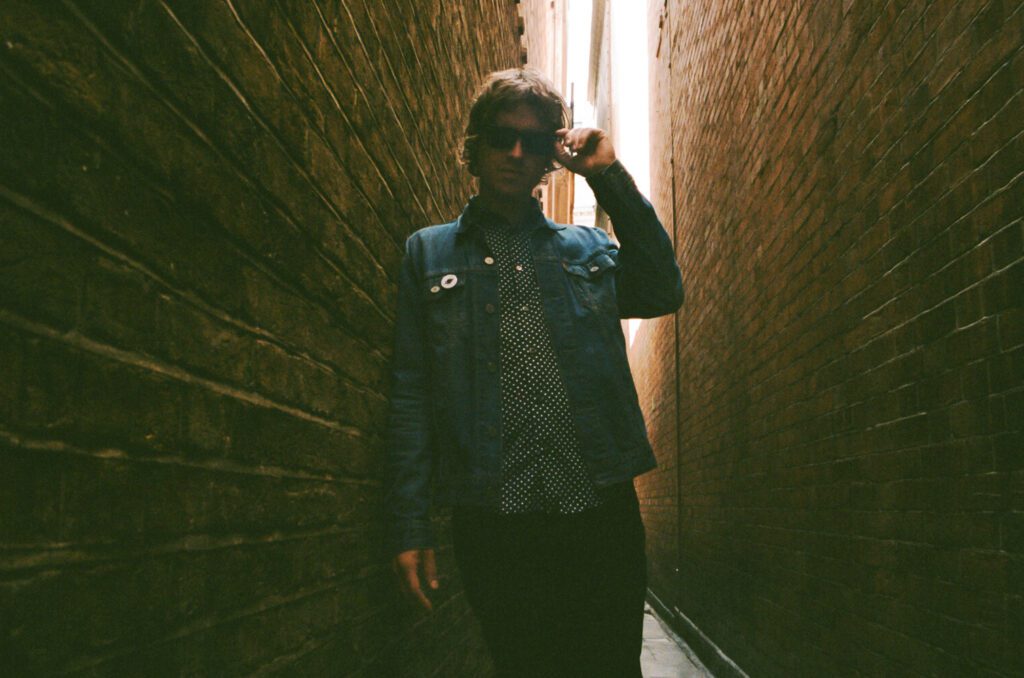
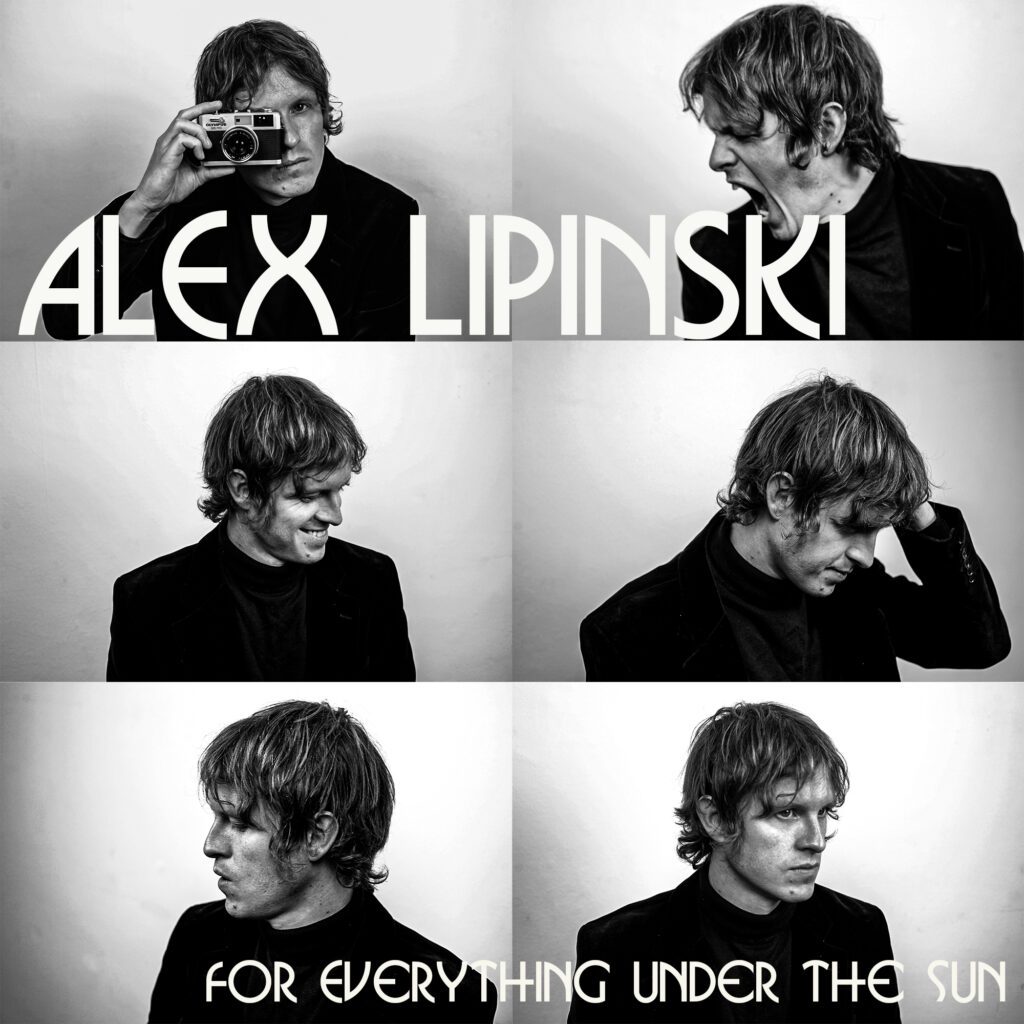
Music Interview: Alex Lipinski

For Everything Under The Sun, the new album by Alex Lipinski, could be the record that takes the West Country singer-songwriter into the big time.

The follow-up to 2017’s stripped-down Alex, which was made in Berlin with Anton Newcombe of The Brian Jonestown Massacre, it’s a strong set of full-band songs steeped in classic ‘60s and ‘70s rock, like The Beatles and Neil Young – Liam Gallagher would give his monobrow to have written some of them – but with a fresh, dynamic and modern feel.

It’s a big-sounding record, with hook-laden songs, lots of guitars, Mellotron, Hammond organ, piano, harmonies and cinematic strings.

‘Shelter’ and ‘Long Way To Go’ are moody epics that deserve to be heard ringing out in stadiums all over the world, ‘Hummingbird’ is atmospheric and folky, with wailing harmonica, the piano-led tearjerker, ‘Locked Down Loaded Blues’, would make a great Christmas single, ‘Coyote’ is dustbowl blues-meets-Brit-rock via L.A, with blaring brass, and the gorgeous ‘It’s Only Life’ has great, Abbey Road-style harmonies.

hi-fi+ was invited to a playback of the album in the studio where most of it was made, RYP Recordings, in Rayners Lane, North West London.

A few weeks later we spoke to Lipinski, who hails from Weston-super-Mare, in Somerset, and used to be in Phoneys & The Freaks with ex-Oasis member, Paul ‘Bonehead’ Arthurs, to get the lowdown on how the new songs were written and recorded.

SH: ‘Groundhog’ was the first single from the album – it’s also the opening song and it has a big sound. I like the loud drums and the Mellotron. It’s a bold way to start the record…

AL: It was never my intention to have it as a single, but after I listened back to it and thought about the order of the songs on the album, after about the fiftieth time, I thought ‘that could be a good single…’

It doesn’t really sound like the rest of the record, but it’s quite simple and catchy – I wrote it when I was playing at home. I had two chords, A and E minor, going back and forth, and I had a melody.

Alex Lipinski © Ruari Meehan

When we went into the first lockdown, I opened up the demo on my phone, wrote the lyrics in about 30 minutes and recorded it.

I had a kind of Byrds jangle sound in my head and it revolved around that, with a drum loop. I layered it with some Beach Boys harmonies – it has a very ‘60s feel to it, with a flute Mellotron part, and some organ.

The second single, ‘Long Way
To Go’, is great – I really like the guitar solo on it. I think Liam Gallagher would kill for that song, and also ‘Shelter…’

I did have a couple of songs in mind that I thought I might get Bonehead to send to him…

I really like the fact that both songs are pretty instant and hooky, they sound like singles…

I think ‘Long Way To Go’ is the most single-sounding song on the album. I’ve had it for a couple of years.

I had The Smiths as a reference point at one end and Crazy Horse at the other – I think it falls somewhere in the middle.

I wanted a dirty Crazy Horse feel to the guitar because it’s quite a vicious song – it’s about a young person looking at the world today and thinking, ‘what f***ing chance have I got?’

It deals with those kinds of themes, but it also offers some hope at the end, because there’s a longing to get out and break the cycle. It’s a great song to play live.

‘Shelter’ was initially going to be the first song on the record – it feels like an introduction to the album.

I wouldn’t say it’s a concept album, but there are certain characters and things on it that paint a sonic and visual landscape.

‘Shelter’ really starts that – it has a desert-rock feel to it. I was listening to Jonathan Wilson at the time and there are elements of Neil Young to it. The lyrics came from my subconscious, and they flowed really well.

It’s a big-sounding song – especially when we play it live. It’s also reprised on the last song on the album.

‘Coyote’ also has a desert-rock/dustbowl feel – it stands out on the album. Where did that song come from?

I was in L.A with Bonehead – we were playing a couple of shows out there. We’d had a few drinks on the flight, then we got taken straight to our apartment – we got picked up by a guy called Kav, who used to be in The Happy Mondays.

He dumped us there and then we all went straight out. I hadn’t slept for 24 hours – I was almost falling asleep – and I was drunk.

At about 2am, I came out of a toilet and Bonehead had smashed his head open – he slipped and fell against a cigarette machine.

There was blood everywhere – we got thrown out onto the street and we had to get an ambulance.

Kav told me to get a cab back to the apartment, but when I was dropped there, I realised it was a massive complex and all the apartments looked the same.

I had the number of the apartment, but I spent an hour looking for it, and then a pack of wild coyotes came out of the park, walked up to me and just stared… but they took pity on me and walked off. A few seconds later I found my apartment.

That image has been etched in my memory – it haunts me at night sometimes.

The song was inspired by that – it has a hazy, hallucinogenic, drunk and jetlagged feel. It goes from Delta blues to a full-band, with a trumpet fanfare – the second part has more of a British feel.

I can remember hearing you playing ‘Locked Down Loaded Blues’ in an online concert during the early days of lockdown…

It was actually written a year or so before then – it was just a coincidence. It has nothing to do with lockdown.

I had it as a home demo and I’d arranged the strings, but it felt a bit throwaway – I didn’t know if it was a good song. But I went back to it during lockdown, listened to it again and thought it was OK. It’s one of the oldest songs on the album.

When you first heard it, [at the album playback, in the studio], you said to me it should’ve been a Christmas single – but the album’s out in May. Maybe next Christmas…

Was lockdown productive for you?

Yes. For some of my friends who are musicians, it went the other way, but I got lucky, I guess. The minute I stopped playing gigs, I had time at home to write, read and listen to music.

Ninety percent of the songs for the album weren’t written before lockdown, so I wrote a few more and finished it off. Lockdown lit a spark.

I had no plans to record, but I spoke to Michael Smith [producer] and I told him I had these songs…

We’d been meaning to work together for the past 10 years, but it never happened, for one reason or another. It was the perfect opportunity to take stock – to not rush things, but to get comfortable with the songs at home, with no pressure to get something out there.

From a selfish point of view, I really enjoyed a lot of lockdown.

Let’s talk about recording the album and working with Michael Smith. How was that?

He’s great – he’s on the same musical wavelength as me, in terms of our reference points and what we’re into.

He was impressed by the demos I sent him, and we talked about how we wanted them to sound.

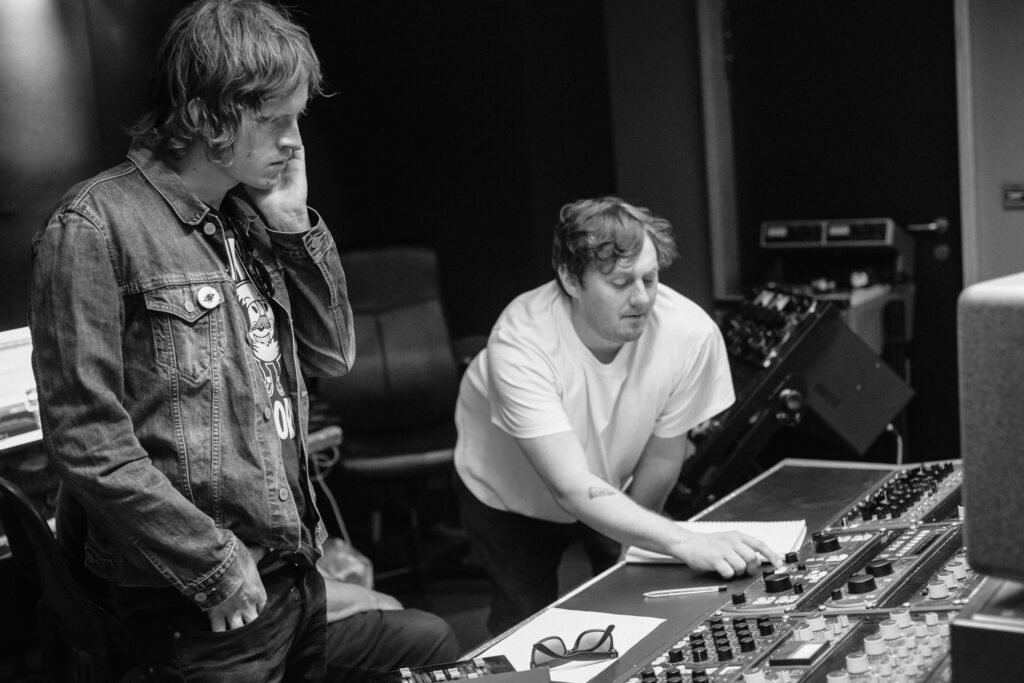
Alex and Michael Smith © Ruari Meehan

I brought the band into the studio piece by piece, with the rhythm section first, then the guitars and everything else.

Michael really works the band – they do a lot of takes and then he finds the best one. The band will be cooking on gas, and he’ll capture it.

It’s the first time I’ve had a proper producer, in that he’ll listen to all the nuances.

I had the arrangements in place, but he would think about certain tweaks and dynamics, which really made a difference, especially vocally.

He’s as passionate about it as I am, so he’ll go over it with a magnifying glass.

Ninety percent of the album was recorded in RYP, but we did the piano parts at Woodworm, in Oxfordshire.

It’s very different to how you made your previous album, Alex, which was recorded in six hours, in Berlin, with Anton Newcombe…

Completely different. The last one captured the imperfections and all the mistakes – Anton had in his mind that it should sound like a ‘60s folk live record.

With this one, we made sure everything sounded good before we went in and we got the performances right. We let everything breathe – the space in-between the notes. I can’t imagine working with anyone other than Michael for the next record. It just works and we’re good friends.

Did you have a definite idea of what you wanted the record to sound like?

I had a vision on certain songs. I wanted the drums on ‘Gigolo Jesus’ to sound like the drums on Beck’s Sea Change album.

The challenge was getting all the different reference points on individual songs to sound like something complete.

Michael deserves a lot of credit for that – he took all this stuff from the past and made it sound modern. I think it really works.

‘Hummingbird’ is one of the more stripped-down songs. It feels quite like some of the stuff from your second album…

Definitely. This album is transitional, in the sense that it has a full band on it. It’s different to my last record and it has lots of shades to it – light and dark – but ‘Hummingbird’ works well and it’s still part of the same atmosphere as the other songs.

The final track on the album, ‘Closing Time’, takes some unexpected twists and turns – it’s like three songs in one.

It starts stripped-down, then rocks out and ends up with some East End pub piano…

I had the first part written, which is stripped-down folk/Americana, and then I had another idea, which was the big outro, but I didn’t know how the two could go together, so I used a reprise of ‘Shelter.’ It’s triumphant.

The album has a definite start and end – I like that.

There’s a definite Beatles influence to several of the songs on the new record, like ‘Gigolo Jesus’ and ‘It’s Only Life.’ Was that a conscious decision?

It wasn’t. My songwriting all stems from the subconscious, but when you’ve grown up with The Beatles, they will always be there. There are some elements of that on the album – melodies and harmonies.

Have you watched the Get Back documentary?

Yes – it’s amazing. I’m a Beatles nut – it’s like you’re hanging out with them for eight hours and it dispels that myth that they all hated each other at that time.

It’s great to see how their songs were worked out and it highlights the fact that they were actually normal people and down to earth, even though they were the biggest stars on the planet.

For Everything Under The Sun is available on Mia Casa Music.

All photos © Ruari Meehan

alexlipinski.co.uk

Back to Music

The post Music Interview: Alex Lipinski appeared first on Hi-Fi+.

Music Interview: Steven Price

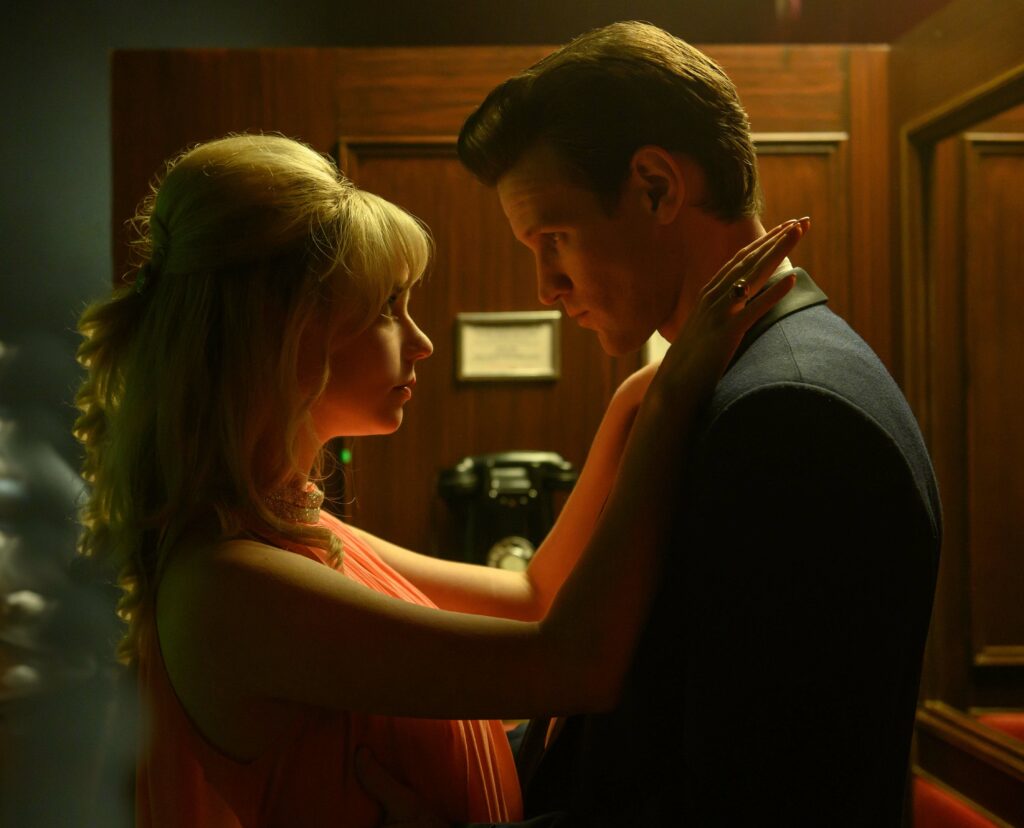
Academy Award-winning British film composer, Steven Price, has worked on major movies including Gravity, Baby Driver and, most recently, innovative director Edgar Wright’s brilliant psychological thriller-meets-horror-film-meets-Swinging-‘60s-drama, Last Night In Soho.

Rather fittingly, hi-fi+ caught up with him in Soho, at the legendary Groucho Club, where he was working with Bowers & Wilkins to promote the brand’s new Dolby Atmos soundbar, Panorama 3, which launched in March, 2022.

We talked about how his music helps to tell the story of what a film director has in mind and how immersive audio technology has changed the way he works.

SH: Last Night In Soho is partly set in the ‘60s. The soundtrack has pop songs from that era on it, and also your takes on them, but some of the action occurs in a contemporary setting. How did you approach the score, as it had to work for both of those periods?

SP: That’s what’s so fun about Edgar Wright’s films. A lot of directors just use one song and that’s it, but with us the song is the starting point and we reinterpret it.

In Last Night In Soho, there are Cilla Black and Sandie Shaw songs that we ripped apart and then put back in a different order.

On one of the two versions of the soundtrack LP available, there’s an unsettling, psychedelic reinterpretation of ‘(There’s) Always Something There To Remind Me’…

It’s my ‘Revolution 9’ tribute. Everything is used as a reason for the story – I’m often playing along with it and using it to lead into the score to help whatever story Edgar is trying to tell.

With Last Night In Soho, it’s the idea of the 1960s being this glorious thing we all look back on – the good old days – but the story – the history – has leaked through into the life of a girl in the present day, so by the end of the film, it has dissolved and become a grotesque thing.

The score was a device that took some of those songs and instrumentation but made it evolve into something that was basically a nightmare – it was all intertwined.

I started writing the music early on, so it was incorporated into the edit from the start and the two of just chipped away at it, sending things back and forth.

As we go through different editorial stages, I give them music and they might change the cut, so it comes back to me. Gradually the final shape comes together.

I’ve worked with Edgar for a long time, so I was on the set and I was writing suites just off the basis of the script.

I also went to the studio a few times to work with [actress] Anya [Taylor-Joy], who sings on the score. She’s amazing and her character’s siren song is being sung through the ages.

What were your influences for the soundtrack? I’m guessing your brief was ‘60s pop: Petula Clark, Sandie Shaw, Dusty Springfield?

Yes, but also film scores. I listened to a lot of John Barry and Ennio Morricone. We also talked about John Carpenter very early on. There were a lot of references.

Edgar’s very good – you always know his influences and what’s he watching at the time. You put all these things together and gradually it becomes something else – it evolves.

Your score for Last Night In Soho is often minimalist, but some of the tracks have dramatic strings and brass. It’s an interesting mix of styles, which makes it a great soundtrack. It doesn’t sound like a ‘60s pastiche, which could’ve been quite easy to do…

The whole film is about the idea of memory and how the ‘60s wasn’t that great – it’s a distorted memory, so any ‘60s references I made in the music had to be broken up.

There were loads of things based on the concept of tape loops because the film is a time loop – the music incorporates all these elements of dialogue, and, as the loop degrades, it becomes distorted and messy. There were lots of taking things and melting them.

There are some great moments in the film, musically and visually, like when one of the central female characters, Eloise, first steps into ‘60s London and sees the West End, or when we first see the Café de Paris…

The first 20 minutes of the film are all in mono, but when the character goes into the ‘60s and everything opens up, we opened up the whole sound field, to the extent that I went to Abbey Road and recorded the strings and brass for ‘You’re My World’ all over again, so we could take it from being a record to a live experience.

It’s immersive sound – you go into the Café de Paris and it’s as if the band are in the room next door.

You mentioned immersive sound. How has audio technology like Dolby Atmos changed how you work?

I think it’s one of the great unexplored areas of filmmaking. There are lots of films that surround you with sound, but there aren’t a lot that use it for story reasons.

In Gravity, the sound was a massive ‘character’ in the film and the music moved around you – I was proud of that.

Surround sound is the future – it’s a whole story based around sound, which is why I think products like soundbars are worth supporting.

It gives people a taste of what we’re doing – you can hear the detail we’re putting into soundtracks that are designed for a theatre, in the home, in a way that you won’t get from a PC or a phone.

Where did you record the Last Night In Soho soundtrack? Was it all done at Abbey Road?

The majority of it, including the orchestral parts, was recorded at Abbey Road, but we also did some bits at British Grove, in Chiswick (West London), and the vocals were done at my studio, in Surrey.

It was all done over a long period of time and we were interrupted by COVID – the whole thing got delayed by six months, which was great, actually, because we got to come back to it with fresh eyes.

Was Last Night In Soho fun to work on?

All of Edgar’s film are. It was exciting and it makes you wonder what the hell he might do next. There are moments of cinema in Last Night In Soho that are wonderful. It’s a departure for him, but you can see him in it – he has a real voice.

On a film like Last Night In Soho, or Baby Driver, your score has to complement a playlist of other songs…

It’s connective tissue, but hopefully you’re doing an emotional job – that’s the way I think of it. The whole soundtrack has to feel like it’s rolling on and when we get it right, it feels like a momentum that’s taking you from each scene to each scene – sometimes we have to chip away at it for a long time to get that.

Edgar’s films are fascinating because he has such an interest in music and you know that it’s going to be heard.

In the ‘90s and the early noughties, film soundtracks were often dominated by lots of contemporary songs – the actual score felt less important. Do you think we’re seeing a return to those classic film soundtrack scores of the ‘60s and the ‘70s?

When scores could be unique? Yes – it’s an exciting time. People are embracing things that are different. Filmmakers and directors are really keen to have something that feels unique to their film.

When I first met Alfonso Cuarón, who directed Gravity, his first words to me were: ‘I don’t really like film music, so what are we going to do about that, then?’

I had to work out what we wanted to feel – anything that felt like film music wasn’t going to fly.

A lot of my scores involve original sounds that I make – I create my own instruments and play those. That’s the fun bit for me – how you can make a film sound unlike any other film. That’s my aim.

The soundtrack album for Last Night In Soho is available now on Mondo/Back Lot Music.
https://mondoshop.com/

Bowers & Wilkins’s new Panorama 3 Dolby Atmos soundbar is available from the brand’s website and select retailers.
bowerswilkins.com/new-panorama3

Back to Music

The post Music Interview: Steven Price appeared first on Hi-Fi+.

Music Interview: Graham Day

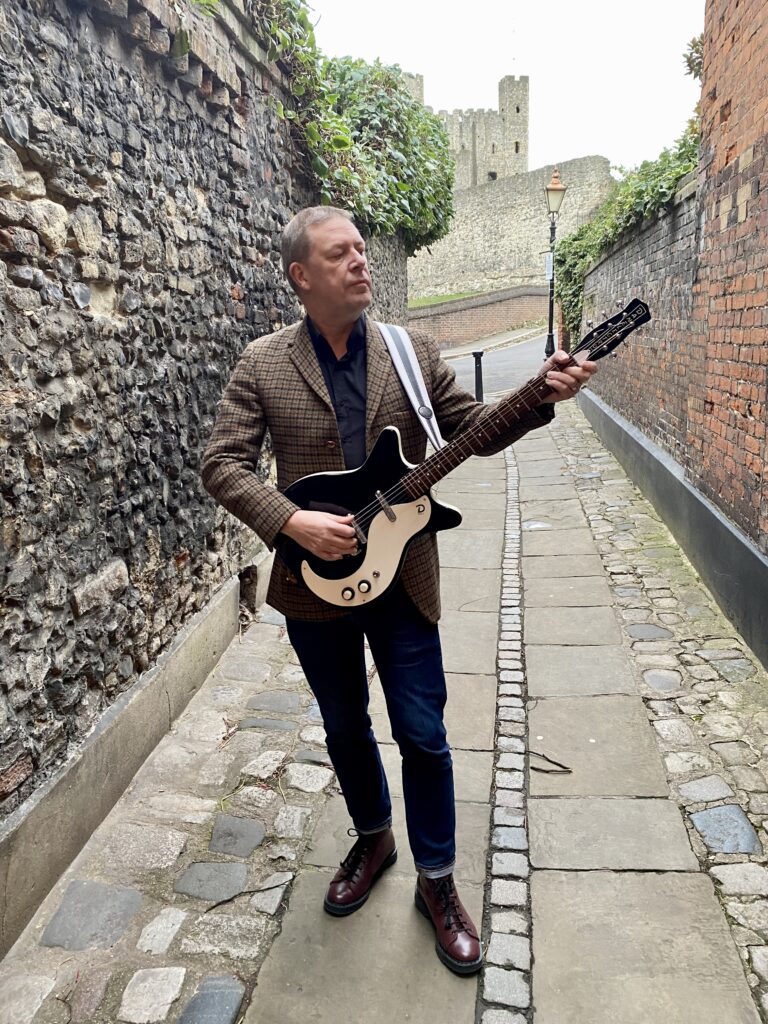
Graham Day is one of the founding fathers of British garage rock. The vocalist and guitarist was the frontman of cult ‘80s beat‑psych band The Prisoners, who were adopted by the Mod revival scene, but he’s also released albums as The Solarflares, Graham Day and The Forefathers, and his current project, The Gaolers.

Not only that, but he’s worked with fellow Kent coast-based musician, writer and artist, Billy Childish, as a producer, and briefly played drums in Childish’s group The Mighty Caesars and later bass in The Buff Medways.

For a man whose music career spans more than 40 years – Day is 58 – it’s surprising he hasn’t released a solo album… until now… and even that was a happy accident, he tells me, talking on the phone from his home in Rochester.

“It was all down to the bloody pandemic – the album was supposed to be a Graham Day and The Gaolers record, but our drummer, Dan, lives in Alabama. We were going to play gigs in Hamburg, Paris, London and Brighton – I have to make it worthwhile for him to come over – and I’d booked a studio called Ranscombe in Rochester because I’d written the album,” he explains. “That was April 2020 – it was all going to pan out nicely – but then lockdown scuppered that.”

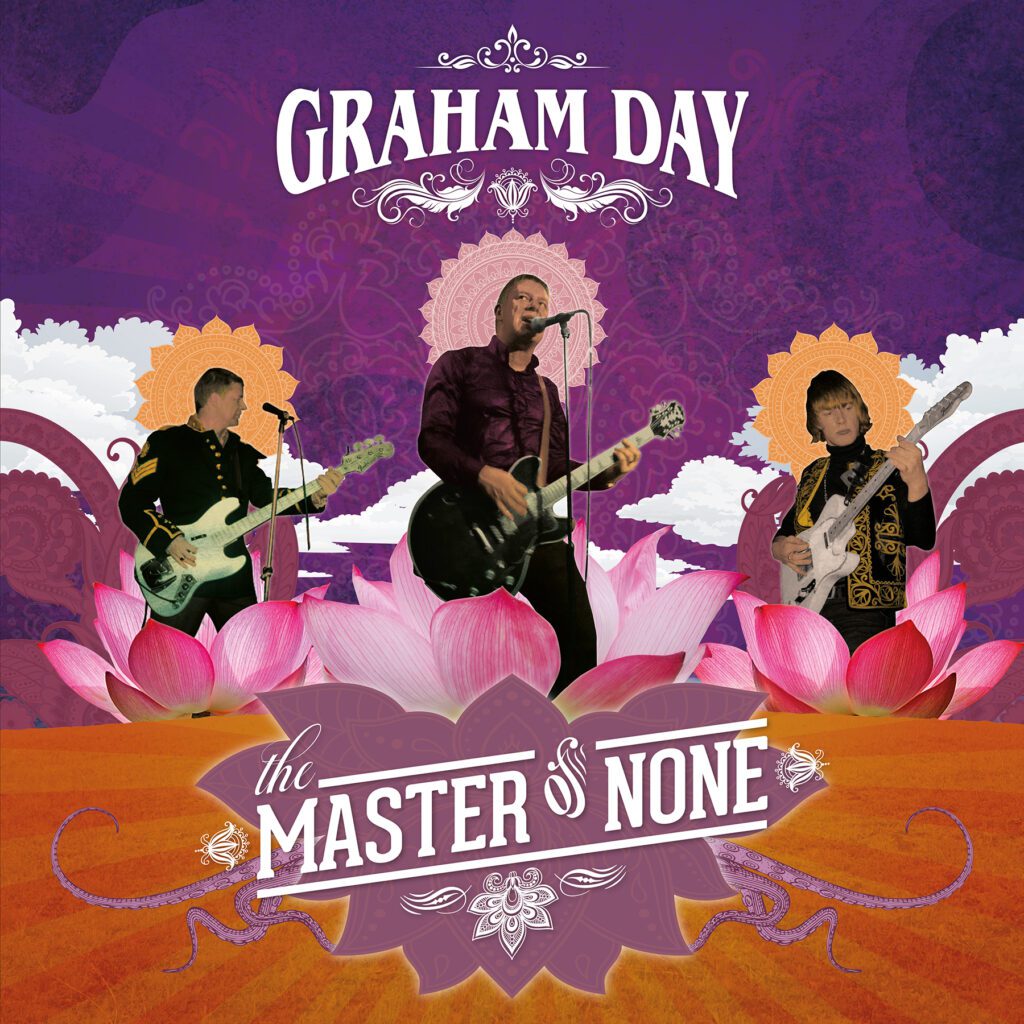
The record we’re here to talk about is The Master Of None – the title is a reference to how it was made. Not being able to meet up with his band, Day turned the Logic Pro X demos which he’d created for his drummer into a proper album. Building up each song from scratch, he added bass, Hammond organ and congas to the guitar and vocal tracks, and then, finally, the drums, which proved something of a challenge.

“I went to my mate’s printing works unit, where he has a drum kit, plugged my headphones in and stuck a microphone in front of the kit and tried to play along, but it was hideous,” he says. “I found it really difficult. I’m a loud drummer and the unit is big and echoey – the drums were so f***ing loud! I had to turn the headphones up to maximum to be able to hear what I was playing along with. I deafened myself – I couldn’t hear anything for nearly a week afterwards.”

The Master Of None is a great record that doesn’t mess around. It’s stuffed full of short, sharp, highly melodic, garage rock songs, like the dirty and fuzzy opener, ‘A Rose Thorn Sticking In Your Mind’s Eye’, the Kinksy, Brexit-themed, ‘Out Of Your Narrow Mind’, and first single, the angry ‘You Lied To Me’, which is a stinging attack on Boris Johnson and his cronies and recycles the vibrato guitar part from ‘Help You Ann’ by US garage-rockers The Lyres.

There are also some more soulful moments – with its Hammond sound, the title track recalls The Spencer Davis Group, while ‘Don’t Hide Away’, which was written about the pandemic, nods to The Four Tops, and has a melancholy organ line, and ‘A Grain of Sand (That Gets Washed Out To Sea)’ has a groovy ‘60s feel, thanks to a Danelectro electric sitar and congas.

Considering he played everything on the album, Day has managed to pull off a great trick – The Master Of None, which took a couple of months to finish, sounds like it was recorded live with a full band.

“Thanks,” he says. “In a way, the battle I had trying to play along with tracks and layering them is probably what makes it sound like it’s a band playing. It’s a little bit scrappy. I don’t like over-rehearsing anyway – I like things to sound like they’re a little bit of a struggle and we’re a bit unsure. I like that edginess.

“I get bored with songs really quickly, so I tend not to listen to anything I’ve recorded ever again – I’d rather record quickly and move on. If I don’t do that, I’ll end up not doing anything, or the songs will be lost forever. Half of this album I rewrote, and I also wrote new songs for it because I was already fed up with the songs that were going to be on the Gaolers record. It doesn’t bear much resemblance to the album we would’ve recorded back in 2020.”

SH: How do you write songs?

GD: I’m not a prolific writer because I’m quite lazy, I suppose – I need to have a goal in mind. I don’t just sit down and say, ‘I think I’ll write a song today’, just for my own benefit.

If I’m going to record an album, I can write quite quickly, and it falls into place if I know I’ve got to do it. I normally write songs when I’m walking my dog – I get a melody and I hum it into my phone. Then when I get home, I work out what the chords are.

When I was younger, I used to play a guitar, get a riff and try and put a melody over the top of it. I can’t do that anymore – there’s nowhere else for me to go with it. I have to come up with a melody and try to figure the song out around that.

I’ll be honest, I really struggle with words. I often have all the music recorded, but I sit there and say, ‘what the f*** am I going to write a song about?’ I’m 58 years old – I’m not an angry young man anymore.

You sound quite angry on the album, though. Some of the lyrics tackle social issues, injustice, politics, the environment… It’s quite a topical record…

I think that was a product of the situation – Brexit, lockdown, all of that s***. I’m sitting there thinking ‘all I want to do is go on holiday and go and play in the band’. I couldn’t do either of those things, which made me really bitter! A lot of it came from that.

Ordinarily, I’m quite a cheerful, quiet person and I’m not bothered. There’s a song on the album called ‘A Grain of Sand (That Gets Washed Out To Sea)’ where I talk about how I moan about a lot of things, but how I’m not actually an activist. I’ll quite happily sit there and grump about everything, but I’m too lazy to get off my arse and do anything about it.

That song has a Danelectro electric sitar on it…

Yes – that’s it. The original ‘60s one was called a Coral – I’ve got an exact copy of it. A few bands from the ‘60s used them. I’ve got a sitar as well, but it’s too much of a pain in the arse to sit on the floor with and tune it. I end up playing it like a guitar and all the strings snap… When I found the electric one, I thought, ‘brilliant’… It doesn’t particularly sound like a sitar, but it has a unique sound of its own, which is really nice.

That and the congas give the song a groovy ‘60s feel…

Yes – I got the congas and some other Danelectro guitars, including a baritone electric, because I’m also in an instrumental band called The Senior Service. I was getting into that ‘60s spy film thing, which I’ve always loved, like Barry Gray and John Barry.

Do you collect vintage gear?

I’ve had so much stuff over the years, but lack of money has forced me to get rid of some of it, which I really regret. I’ve still got quite a lot of guitars – some vintage ones and some more modern. I have Gretsch ones that are only 10–15 years old – some old Gretsch guitars can be a real bastard to play and quite quirky, but they look great. Some of the guitars made in Japan, 10 or 15 years ago, are pretty decent – I have two or three like that.

The song ‘Out Of Your Narrow Mind’ sounds like The Kinks…

I love The Kinks. I think influences are brilliant to have because you can’t invent anything new, unless it’s really awful. You’ve got to have influences, but you’ve got to tread a thin line between that and actually nicking stuff, so I try and go for a similar feel and hope to God that I’m not nicking something.

Often when I write a song I think ‘that sounds vaguely familiar…’ but I press on with it and then, further down the line, I think ‘oh, f***! I know what that is…’

More often than not, I’m ripping my own stuff off! My wife will say, ‘that’s on one of your other albums…’ And I go, ‘b******s!’

The title track has a soul feel. It reminds me of the Spencer Davis Group…

Oh – brilliant.

There’s also a soul influence to ‘Don’t Hide Away’, which is quite Four Tops – it’s one of my favourites on the record. I like the sad organ on it. It’s quite a melancholy song at heart, with a Northern Soul or Motown feel…

I wanted to go for a more upbeat Four Tops/ Frankie Valli kind of thing, but I started putting things on it and it changed without me intending it to. I really liked the haunting organ line – it changed the feel of the song.

The last song on the album, ‘Time Is Running Out’, deals with eco issues…

I don’t like singing about those things – getting on my high horse and all that b******s, but you’ve got to sing about something. And you can only sing about politics a couple of times. You get to a point where you think, ‘I suppose I’d better have a song about that…’

What does a 58-year-old man sing about? I can’t write about a relationship breaking down – my wife wouldn’t be too happy about that.

I think that tune is a little bit too fast, but it works because it sounds like a battle or a race to a climax. I thought I would stick it at the end of the album, and it was a battle because it was really hard to play along to.

It has backwards guitar on it…

I like that. In the old days, we used to do it properly in the studio with tape – cut the tape, turn it backwards and then stitch it back together. I can remember spending all afternoon doing it for one of The Prisoners albums. Now there’s a little button to do it on Logic – it takes minutes.

What’s your home studio set-up like?

I’ve got one microphone and I use a Vox AC30 amp. When I was recording the guitar for the album, which had to be really loud, I asked the neighbours to tell me if they were going out! They’re pretty understanding – they told me they were going for a walk, so I whacked it up and did the guitar parts. The main thing for me is that gritty guitar thing. I stuck the bass straight into the computer and did the Hammond on a MIDI keyboard.

Would you make a record on your own again? How was the experience?

I did love it. I liked the songwriting aspect of it because I’d never worked like that before – having the time to craft the songs. In the last 40 years of playing, I’ve never really bothered with that. If I get a good idea – a riff or a tune – it’s there and it’s simple. I’ve always thought that if a song takes longer than five minutes to write, it’s not worth writing, but with this album it’s a bit more crafted and layered than perhaps I’ve done in the past. I normally wouldn’t have the time or inclination to do that.

I’m really pleased with some of the songs on it.

Have The Gaolers heard the album?

They’ve heard the demos… (laughs).

The Master Of None is out now on Countdown Records. It’s available on LP, CD and across digital platforms.


Back to Music

The post Music Interview: Graham Day appeared first on Hi-Fi+.

Music Interview: Paul Draper

Paul Draper’s new record, Cult Leader Tactics, is a darkly funny and edgy concept album that’s a satire on the genre of self-help manuals – in fact, the former frontman of ‘90s indie‑art-rockers Mansun has even written one to accompany it.

The four-CD deluxe version includes a 60-page hardback book that’s a guide to getting ahead in work, life and love by acting in a Machiavellian manner and employing dirty tricks and cult leader tactics to do so – it’s a set of rules on how to be become a complete cult in the music industry.

From the ‘70s heavy rock riffing of the album’s title track, which opens the record, to the ‘80s, Tears For Fears-style synth-pop of ‘Dirty Trix’, the anthemic, Mansun-like earworm, You’ve Got No Life Skills, Baby!’, the robotic Human League-down-the-disco of ‘Everyone Becomes A Problem Eventually’, the Beatlesy ‘Annie’, and the epic closer, ‘Lyin Bout Who U Sleep With’, which features a choir of almost 300 fans, Cult Leader Tactics is a brave, adventurous and always interesting record.

Co-produced by Paul ‘P-Dub’ Walton (Massive Attack, The Cure, Björk), it even includes a collaboration with prog-popper, Steven Wilson – the moody, Depeche Mode-meets-Duran-Duran electro-pop song is called ‘Omega Man’, was inspired by lockdown, and is named after the post-apocalyptic 1971 film in which Charlton Heston plays a survivor of a biological plague that has wiped out most of humanity.

Draper is no stranger to cults – Mansun, who split up in 2003, were named after infamous convicted murderer and cult leader Charles Manson and were also known for their obsessive fans.

“We’ve still got them!” he says, speaking to me from his home studio, The Kitchen.

“We toured a lot and we put out a lot of EPs. Although we weren’t a top radio band or we didn’t sell ten million albums, we did sell millions of records and built up a hardcore fanbase. Apart from the ones who’ve died, a lot of them are still there – they have conventions and fan groups.

“Every now and then, one of them will turn up and tie a horse to your front gate! You get all sorts of stuff… There’s a lot of people out there who love that band – our first album sold a million copies.”

SH: This is your first solo album in just under five years. Did COVID hold this record up? How did the pandemic affect it?

PD: The last one, Spooky Action, came out in August 2017 – when I put that record out, I wasn’t going to do any gigs, but it went into the Top 20 in the UK, and sold pretty well abroad, in places where Mansun had a fanbase, like the States, China, Japan, and Continental Europe.

So, I got on the road and toured North America with Steven Wilson, and played in Europe, China and Japan – we did three UK and Ireland tours and sold out a lot of shows. I’d written a lot of songs on the road, so I got in the studio and blitzed it – I got nine songs done towards the end of 2019, but I was a track short. Then COVID kicked in.

It was pretty much a rock album, but I started working remotely, went back and scrapped one song, then worked on three others – ‘Everyone Becomes a Problem Eventually’, ‘Dirty Trix’ and ‘Omega Man’, which is a collaboration with Steven Wilson – in my home production room. I used all my keyboards and drum machines. The whole thing went back 18 months.

I finished the album off during 2000, for a January release in 2022, and now I’m doing a 21-date UK tour. I just want to get out and have a normal life – I’m a jobbing musician. Without that, I don’t have a purpose in life. It’s been tough, but I’ve got there.

So, Cult Leader Tactics turned out a very different record than it was first intended? It’s got some rock songs on it, but it’s also very electronic at times…

Yeah – I was originally going to make a rock record. The first two songs – ‘Cult Leader Tactics’ and ‘Internationalle’ – are both straight-ahead rock songs, but with a few blips and synth bits – that was how I envisaged the album unfolding.

But what happened was that lockdown came and I couldn’t work with my band – we had one session to do, for three or four tracks… I was stuck at home, so, out of necessity, I recorded some electronic tracks. The album does jump from rock tracks to just me on my own, playing synths.

On ‘You’ve Got No Life Skills, Baby!,’ my drummer, John Barnett, plays on it, but I did everything else over it – it’s a hybrid.

I had a look at the video for it on YouTube – I thought the song sounded like something from the ‘80s, but people had commented that it sounded like Mansun’s ‘Stripper Vicar.’ I thought, ‘oh yeah – I’ve just repeated myself again…’

You’ve only so much brain capacity and ideas…’ I just be myself.

“‘Omega Man’ was a remote collaboration between me and Steven Wilson – we were both stuck in our studios, so we decided to do a track about what was going on.

I sent it to P-Dub, who has a home studio called The Loft – it’s in his garden.

Paul Draper
Images by Tina Korhonen

I picked the best songs from the pre-COVID sessions – I went back and changed some of the lyrics, like on ‘Internationalle’, so they were a bit more COVID-related. I added some little touches. That song was about Boris Johnson using Brexit as a career move, but then it morphed and became more about COVID.

Finally, I sent some tracks to Gam [Gamaliel Traynor], who plays keyboards with me live, and is in a band from Peckham, called Sweat, and asked him to add some strings.

He recorded them and sent them back – P-Dub mixed them in. Gam also did a medley of the melodies and the root chords of the songs, so we dropped that onto the album. What started out as a straight-ahead rock record became quite an eclectic one sonically, skewed by the whole COVID experience.

Let’s talk about some of the songs in more detail. The title track, which opens the album, has a real ‘70s rock guitar riff – it sounds like Led Zeppelin…

On the demo, I had this riff that was generic rock-sounding, but when we recorded it with the band, my guitarist, Ben [Sink] played it through a 1970s Fender Bassman amp and it immediately sounded like Led Zeppelin or Deep Purple. I wasn’t keen on it – I thought it was too ‘70s rock…but it just happened. It evolved.

On ‘Dirty Trix’ and ‘Everyone Becomes A Problem Eventually’ you use vintage synths and drum machines. Do you collect old electronic gear?

Yeah. I’ve just bought a couple of things off eBay – an old Ensoniq Mirage sampling keyboard, which sounds amazing, and a Boss Dr. Rhythm drum machine. I’m always buying odd bits – I have Moogs and Oberheims.

P-Dub collects Italian synthesizers, like Siel, so there’s a lot of those on the album. He had an Italian wife once, so there must be some connection there.

The main drum machine I used on the album was a Sequential Circuits Drumtraks – I’ve always used drum machines.

Mansun was an odd band – we were a synth-pop rock outfit, but our record company wanted us to sound like a Britpop band. We were lumped in with all that. We were a guitar band from that era, but we always had lots of keyboards on the records, so we weren’t that fashionable. I’ve not been in fashion – then or now – so I’ve just kept in my own bubble and made a living from it. I still do it because I enjoy it.

When I was in Mansun, I was a gear head – I used to make lists of things I wanted to use, like specific reverbs and delays. I tried to make something sound like a David Bowie drum kit from 1972 – I like sonics, studios and recording, as well as putting the songs together. I can get involved with the mixing, the mastering and production, as well as playing.

In the box set, we’ve done a 5.1 stereo surround mix of the new album, on a DVD, with the Hi-Res audio files. I love doing that – if you’ve got the gear, the time and the inclination, it’s amazing.

I’m a huge fan of immersive audio. In the past, it never took off, but you had to have a lot of money for it – a hundred grand minimum to wire-in a stereo surround sound home cinema experience in your basement. It was the preserve of the rich, but now, throw up a few Bluetooth speakers around the lounge, have the TV as your main thing, and you’re in business.

When we’re doing our surround sound mixes and you sit in the middle, it’s phenomenal.

My co-producer, engineer and mixer, P-Dub, mixed the entire Björk catalogue into immersive sound, which took him a couple of years. It’s off the scale.

How did the cult leader concept for the album and the book come about?

On Spooky Action, I’d exorcised my demons of coming out of my rock band, so I thought I’d then go back to the start and do what I did on Mansun’s Attack of the Grey Lantern [debut album] which was a satirical, Monty Pythonesque dark comedy on my life experiences.

Whereas Attack of the Grey Lantern was my life experiences as a young person, Cult Leader Tactics is my adult life. It’s a fictitious, satirical dark look at a self-help manual – how to get on in life by being a massive cult!

It gets really sinister, but at the end of album, it says that if you live by those rules, it will be a disaster for everyone, so just go with peace and love, man – it’s the only way.

The last song on the album [‘Lyin Bout Who U Sleep With’] is the epilogue.

I wrote the book – some of it wasn’t publishable… When my manager and my record company read it, they said, ‘You can’t put that out as it is – you need to put a disclaimer in it.’ So, it says it’s satirical and isn’t intended to be taken seriously.

Cult Leader Tactics is a satirical play on the idea of a concept album – it’s a parody.

I’ve come out the other side of the COVID lockdown with a record that’s my all-encompassing story of what happened to me – it’s about getting screwed over and if you try and play it straight in this world, you’ll end up nowhere. But, at the end of the day, I say it’s better to be an idiot, meek or a fool than a Machiavellian sociopath in your chosen field or in society in general. Let there be love.

You’ve always had a thing for cult leaders, haven’t you? Mansun were named after Charles Manson…

Yeah – and we did songs about L. Ron Hubbard, although some people would argue about whether he’s a cult leader…

I was looking at Jim Jones [the Jonestown Massacre]. What he did wasn’t nice, but he looked pretty snappy, in black, with a pair of shades on, so in the video I did for ‘You’ve Got No Life Skills, Baby!’, I wore some sunglasses – I went on eBay and Googled ‘Jim Jones sunglasses’ – but when the video went live, some people said I looked like George Michael…

Maybe Mansun were a bit Jim Jones/George Michael. I should’ve stopped trying to be Johnny Rotten and embraced my inner Jim Michael… or maybe George Jones… I’ve always thought of myself as a bit of an indie George Michael – careful what you wish for.

Who’s the biggest cult in the music industry?

I’ve met a few, but they’d probably all say the same about me.

Paul Draper’s Cult Leader Tactics is out now on Kscope.

pauldraperofficial.com

Back to Music

The post Music Interview: Paul Draper appeared first on Hi-Fi+.

Interview: The Boo Radleys

The last time I spoke to Simon ‘Sice’ Rowbottom, frontman/guitarist with The Boo Radleys, was almost 25 years ago – before a gig in Portsmouth, Hampshire.

“Oh my God – that’s mad!” he exclaims, talking to me over Zoom from his home in Oxfordshire, in late November 2021.

Since our initial meeting, in 1997, the ‘90s shoegazers-turned-experimental-pop-pioneers, who were signed to Alan McGee’s Creation Records, have disbanded – they split up in 1999 – and got back together, albeit without chief songwriter, Martin Carr.

Last year, the three remaining members, Rowbottom, bassist Tim Brown and drummer Rob Cieka, announced they were reforming and put out a single, ‘A Full Syringe And Memories Of You’ – the breeziest and catchiest song about euthanasia that you’ll ever hear.

They followed it up with ‘I’ve Had Enough I’m Out’ – another infectious guitar pop tune, with soaring strings and harmonies, which tackled organised religion, and the melancholy, synth-led, New Order-esque ‘You And Me.’

All three songs feature on their new album, Keep On With Falling, which is out in March.

It’s a strong record – full of great melodies, cinematic arrangements and nods to ‘80s pop, like Duran Duran and The Human League, as well as some of the slightly more offbeat Boo Radleys influences of old, like dub, although it isn’t as out there as some of their previous material.

During our interview, Rowbottom hints that their more adventurous side may come out further down the line, as there are at least two more albums planned after this one…

SH: Why did you decide to reform?

SR: It started a couple of years ago, with me and Tim talking about it. He came to my fiftieth birthday party, and we started chatting. Our kids were getting older and going to university, which meant we were finding time to do more music again. We were both writing, so we swapped stuff – that’s how it started. I was also doing some gigs – I’d always said no to it for ages, but I got the bug again. I was going out with an acoustic guitar and playing some of my Eggman [solo project] stuff – Tim came to see one of those gigs and that kicked it off. Then we got Rob in on drums.

You’ve played some comeback gigs. How were they?

They were unbelievable – absolutely fantastic. They were very much a celebration – it was really lovely. We played new and old stuff. It was nice to go out and play to people. There were some people who’d got into us after we’d split up – they never thought they would get the chance to see us.

How is it being back in the band and making music without Martin?

That was kind of an afterthought… Tim’s a really good guitarist – he essentially taught Martin how to play guitar – so, he did some of the guitars and also left on some of the guitar stuff that I’d done. We ended up with the record being pretty finished, so then we were like: ‘What are we going to do with it?’

For a while we toyed with it being released as my solo stuff, but then I did a gig which was advertised as ‘Sice doing The Boo Radleys’ which it shouldn’t have been. Martin got in touch and said: ‘Don’t call yourself that – just call yourself The Boo Radleys.’

So, he gave you his blessing?

Yes, but blessing is a strange word… He’s resigned to it, but I don’t think he was particularly happy about it.

The problem is that it wasn’t the way The Boo Radleys used to work – Martin used to write all the songs, we would work out our parts and then we could come together in the studio. So, when I went to him and said, ‘Look – we’ve done this – do you want to be a part of it?’, I think that’s why he said no.

In his mind, if we were going to do a different way of working, it wouldn’t have been the same. He’s been a solo artist for 20 years – he’s so used to doing his own thing. Stepping out of that, back into a collaborative thing, probably wasn’t his bag, really.

Let’s talk about the new album, Keep On With Falling. Did Covid impact on you making it? How did it affect the record?

It slowed it down, and pushed back the live stuff, but in some ways, it didn’t make a lot of difference with the conception and the recording of the album.

The fact we were able to do it digitally [and remotely] made it all possible – Tim lives in Northern Ireland and Rob lives in Manchester.

If we’d have had to get together physically it wouldn’t have happened – most of the stuff, apart from a couple of days doing live drums and vocals, was done by sending files back and forth. It’s an incredible way to make music.

And very different from how you made the previous Boo Radleys albums…

The whole process of being in a studio was expensive and soul-destroying – we used to get knackered.

We had six weeks or two months and it was a very unproductive way of working.

You had to get it done and then it had to be mixed, but you couldn’t change anything – now, it’s brilliant. You can sit and listen to tracks, leave them for a while and come back to them. You can think of a brilliant harmony or a brilliant guitar line and then add it.

We produced the album ourselves. All three of us are involved in the songwriting process, but it usually starts off with a lyric or a melody from me or Tim. He is far more musical and capable on the production side, so when I get his stuff it’s usually a lot further along. I give him and Rob carte blanche with the stuff I’ve recorded.

Tim uses Logic [music software] – he’s a music technology teacher. I do stuff with GarageBand and send him WAV files – he’s got a hell of a lot of insight and equipment.

How do you write songs?

I write on piano and acoustic guitar – I’m not one of those people who has the song and then has to go and find the backing. I feel my way through a song as I’m going – lyrically as well as musically.

I love the fact that you’ve reunited as a band after more than 20 years apart and the first song on the new record is called ‘I’ve Had Enough I’m Out…’

[Laughs].

It’s a song about organised religion, isn’t it?

Yeah – it’s my ‘growing up as a Catholic’ song and recognising the power and the sway that it has. I’ve become very anti-religious the older I’ve got. I was brought up a Catholic – I was really indoctrinated with it, and I was an altar boy.

The song is about looking back at that and seeing how much of an influence it has on a young mind and the way it controls how you see the world and how you conceptualise everything. It took a long time for me to come out of that.

The song isn’t just about Catholicism – it’s about what I see as the downside of religion.

I love the melody and the string arrangement…

When I wrote the song it was originally very sparse – almost like something off Nick Drake’s Pink Moon – but Tim got hold of it and ran with it. When it came back, I thought, ‘wow – this works brilliantly.’

A lot of the songs on the album are poppy and melodic – there are strings, horns, synths and harmonies – but with a dark, melancholy undercurrent. That’s always been a Boo Radleys trademark, hasn’t it? Even your biggest hit, ‘Wake Up Boo!’ had an element of sadness to it…

I think that’s our personalities. We’ve always been like that – we had sadness, depression and melancholy, but we also had elements to our personalities where we were quite fun-loving and party animals – we would, and still do, laugh a lot.

We love melody and harmonies so much, but you run the risk of being over-saccharine, so we’re always looking for that counterbalance. I’ve always been drawn to that – when you hear a song like ‘Eleanor Rigby’, with a dark side, it really hits home.

The title track is another great pop song, with some lovely Beach Boys-style harmonies on it…

That’s one of my songs – it’s about continuing to fail and making mistakes as part of the learning process. It started out as a piano-drone thing – almost a chant – but Tim built it up, with loads of harmonies. Tim’s quite big on The Beach Boys, but they’ve always been a bit saccharine for me.

That surprises me. I would have thought you were more ‘Beatles’ than ‘The Beach Boys’ in terms of influences?

Definitely, but we went through a huge period of discovering The Beach Boys and Brian Wilson…

I thought if you were signed to Creation, it was written into your contract that you had to like The Beach Boys, as well as Big Star, The Byrds and Neil Young…

[Laughs]. Yeah – it was in the welcome pack.

As well as the downside of religion, other themes in the new songs include euthanasia and alcoholism. You haven’t approached this comeback lightly, have you?

[Laughs].

The new album is less experimental than some of your other records. Was Martin the one who brought the weirder side to the band?

I think so – that’s a fair summation. Martin always liked novelty – he always wanted something new.

His tastes are very eclectic – I’m more in love with classic songs than he is. He was a great filter – he’d bring stuff to the band that we hadn’t heard and say, ‘you’ve got to listen to this.’

I’d think, ‘yeah – that’s absolutely brilliant, but it’s not us’, whereas Martin would want us to incorporate it.

The three of us would have to work out how it would happen – that was our task.

We haven’t got that adventurous yet – we’re still a little tentative about it, so we’re coming back with what we know, which is songs. It’s a fine balance – sometimes Martin’s adventurousness didn’t do him any favours. It’s knowing when to rein it in.

There’s a slight dub feel to a couple of the new songs – ‘I Say A Lot Of Things’ and ‘Here She Comes Again’ – while ‘Call Your Name’ is very cinematic…

‘Call Your Name’ is one of Tim’s – it feels a bit Duran Duran to me. When I listen to the album, I think it has a lot of ‘80s pop sensibilities, like The Human League, New Order and Duran Duran. That’s what we grew up with.

I can hear that. ‘You And Me’ reminds me of early New Order…

Yeah – Tim’s a huge New Order fan. One of the first covers we did was ‘True Faith’ – it was for a Peel session and we called it Boo! Faith. I love that song.

So, are you pleased with the new album?

Boo Radleys album

Yeah, but weirdly I’m more pleased about what’s coming after it.

Since we’ve started doing it again, we’ve banged out 30 songs – we’ve got another album and one after that’s already halfway there.

It’s one of the difficult things with bands –we’ve lived with the new album for so long, we’re almost past it and we’re thinking about the next stuff, but it’s a really good record.

There was always a narrative that Martin was the ‘genius’ behind The Boo Radleys. It never bothered me, but it always felt very unfair on Tim and Rob because they were a huge part of the band.

Not to take anything away from Martin, but we needed to redress the balance and say ‘Actually – that narrative wasn’t quite correct.’ If that comes out, then great.

Keep On With Falling is out now on Boostr Records.

thebooradleys.com

Back to Music

The post Interview: The Boo Radleys appeared first on Hi-Fi+.