Tag Archives: Music Interview

Music Interview: Michael Head

Michael Head has been known as Liverpool’s nice misplaced songwriter and a genius.

Speaking to him on the telephone early one spring morning – he’s at dwelling, close to town’s docks – I ask him if he’s pleased with the genius tag.

“Somebody as soon as stated to me, ‘That tune you’ve written is f***ing genius – anybody might’ve accomplished it!’ And I went, ‘Yeah – you’re proper, lad. Good on yer,’” he says.

“I feel genius is when one thing is completed in a selected means that’s completely different to the norm – it’s off-centre. I simply love writing.”

After a 40-year profession that takes in The Pale Fountains, Shack, and The Strands, Head, who’s 60, has simply launched his second album with The Red Elastic Band, and it simply is likely to be the most effective factor he’s ever accomplished.

Dear Scott – the title references creator F. Scott Fitzgerald’s time on the notorious Hollywood resort, The Garden of Allah, when he picked up a postcard on strolling in and addressed it to himself – is a shocking and delightful assortment of story songs.

Comeback single, ‘Kismet’ – written in regards to the kindness of strangers and based mostly on a real-life expertise, when Head discovered himself stranded in the midst of nowhere with a useless telephone – is joyous and jangly guitar pop, ‘Broken Beauty’ has a blue-eyed soul really feel, full with lush, Easy Listening strings and Bacharach trumpet, ‘Fluke’ is a hazy and dream-like journey by L.A, soundtracked by cinematic strings, and ‘Gino and Rico’ is a beautiful jazzy shuffle that will swimsuit Richard Hawley’s velvet croon.
Credit: John Johnson

‘Freedom’ is a folky acoustic ballad, and ‘American Kid,’ with horns and a hovering refrain, is written a couple of buddy who was “born in a excessive rise in Kirkby” and is obsessive about Hollywood tradition. It namechecks classic US actors John Garfield and Ida Lupino, in addition to Elvis, Tarantino and De Niro.

The document was produced by Bill Ryder-Jones (The Coral) who offers the songs wealthy, vibrant and imaginative preparations.

“He’s accomplished an incredible job. It’s not a case of him understanding the songs – he simply will get them,” says Head. “We’re on the identical web page and in tune with one another. The songs simply advanced.”

SH: In 2019, you introduced you had been going to place out an album known as New Brighton Rock, however your plans modified as a result of COVID, didn’t they?

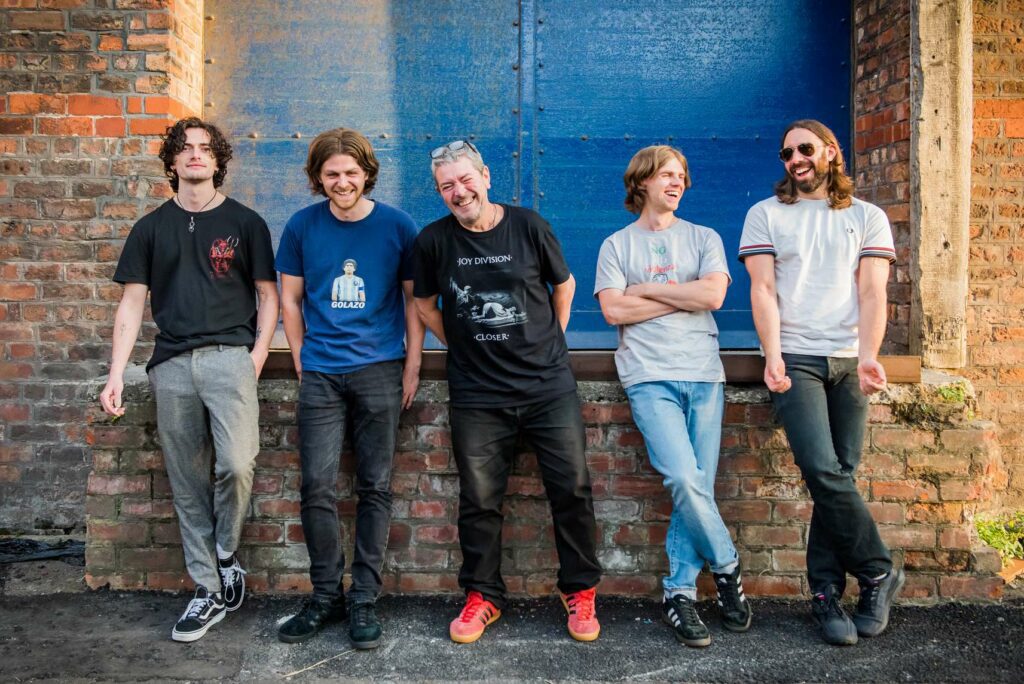
MH: Yeah – I’d been writing songs since then. I’m writing on a regular basis. Eighteen months in the past, me and the lads [from The Red Elastic Band] went into the studio with Bill and did about six tracks after which lockdown kicked in. We didn’t see one another for 12 months.

When we bought again collectively, what we’d accomplished previous to lockdown sounded incredible.

Dave Pichilingi [CEO] of [record label] Modern Sky stated, ‘Do you wish to end the album off?’ We had been like, ‘Yeah – positively,’ as a result of we’d financed the primary bit ourselves, with gigs and we’d accomplished some T-shirts.

Initially the album was known as New Brighton Rock as a result of I’d been engaged on a brief story… I’ve been doing brief tales for 20 years, in my spare time. I’m going to do one thing with a writer within the close to future.

I wrote the story New Brighton Rock about 15 years in the past and I liked it a lot… I wrote a tune, but it surely didn’t go on an album.

New Brighton Rock was a working title [for the album]. When I used to be out on my bike, somebody shouted ‘New Brighton Rock’ to me on the street, and I did flip spherical.

But the album ended up being known as Dear Scott…

I’d seen a Jay McInerney documentary about F. Scott Fitzgerald, which fascinated me – his persona, his letters and his sense of humour appealed to me. He was the king, however he’d had a couple of ups and downs.

Credit: John Johnson

When all his associates had been attempting to crack the brand new medium in Hollywood, he went there to try to have a go, however when he arrived at his resort, it was the fallacious place for him, as a result of he was sober and all people round him was in an extreme atmosphere. When he bought to the counter on the resort, he wrote a postcard to himself: ‘Dear Scott…’ He didn’t stamp it – he simply put it on his mantelpiece.

One of the songs on the album, ‘Fluke’, was impressed by certainly one of Scott’s brief tales known as The Homes of the Stars.

The album is great – it’s a stunning document.

Thank you, man.

Several of the songs, like ‘Fluke’ and ‘Kismet’, point out journey – it looks like fairly a transient album…

Yeah – that wasn’t intentional however it I suppose there may be a whole lot of motion. I exploit my unconscious rather a lot after I’m writing. Some of my songs are pure reality and a few are pure fiction – I like to combine it up.  ‘Fluke’ is a couple of PR lady who will get a possibility to go to L.A. She’s informed that she’s bought to come back again, however she loses her telephone so she will be able to go there. I’m fascinated by Hollywood films, and I’ve tried to encapsulate that – she’s dreaming in L.A.

The strings on ‘Fluke’ sound very cinematic…

That was Bill Ryder-Jones, mate.

Why did you resolve to work with him?

I’ve identified him for ages, since he was in The Coral – we’ve performed at a few festivals, and we at all times bought on rather well.

I really like his stuff and he’s a stunning fella.

One of the lads within the band, Nat [Nathaniel Cummins – guitars] works rather a lot with Bill.

One day, earlier than Bill bought concerned, we had been going by the songs – Nat had made a studio in his flat, so we bought the songs into form there. Nat stated, ‘What about Bill producing the album?’ I stated, ‘That’s proper! Let’s ‘ave it – all day!’

That was that – Bill was up for it. It was beautiful making it. He lives in West Kirby, on the Wirral – he has his personal studio there. It’s an excellent atmosphere – when you weren’t within the studio, you would go for a stroll.

For the primary a part of the album, to inform you the reality, I used to be consuming. Then lockdown occurred, and I bought sober and extra targeted – it was good.

The lads within the band are so grounded and so lovely – they’re level-headed and so they’re half my age, however they’re like mates.

I stated to them as soon as, ‘You don’t half get the brand new songs’, and certainly one of them stated, ‘Mick – me ma and me uncle performed us your songs. We grew up with them, so we all know the place you’re going’.

All my life I’ve been actually fortunate with individuals I’ve been in bands with.

Mood-wise, I feel the album is a optimistic one…

It actually is. When me and the lads met again up [after lockdown], we went for a stroll down the seaside and stated, ‘Let’s end the album’. It all opened up once more – it was meant to be.

It’s as if the celebs aligned…

There you go, lad.

On that word, the primary single from the document was ‘Kismet.’ It’s in regards to the kindness of strangers and somebody who helped you once you had been stranded and wanted to cost your telephone up…

In the olden days, earlier than cellphones, when you had been stranded, you both needed to discover a pink phone field or knock on a door. You needed to have cash as effectively, or you would reverse the costs…

A few years in the past, I used to be in the midst of nowhere, with no energy on me telephone – you don’t realise how a lot you want it till it’s gone. I had no cash – I used to be in a little bit of a state of affairs, and it actually was in regards to the kindness of strangers. I noticed someplace – it was like sanctuary and salvation in a means.

I stated to a man, ‘All I would like, mate, is a few minutes cost for one name to avoid wasting meself’.

He was actually good – he was closing the place up, however he charged me telephone up and gave me a bit of plate of meals. And then he turfed me out. He stated, ‘That’s on the home.’ I made the decision and I saved meself.’

‘Broken Beauty’ is certainly one of my favorite tracks on the document. It’s nearly a soul tune. Your vocals remind me of Dr. Robert from The Blow Monkeys. You’re singing in a unique model on it…

He was boss, Dr. Robert. It suited the best way the tune was going to develop, but it surely wasn’t intentional – I simply sing it the best way it must be. I really like the backbeat guitar and the trumpet on it.

Another spotlight for me is ‘American Kid’, which is kind of probably the one tune ever written to say US actor, John Garfield. It’s one other tune that references Hollywood and American tradition…

It’s about two associates rising up – one of many lads is fascinated by Hollywood and he can’t actually discuss anything, though he’s into soccer and all the things else.

As they become old, he turns trans – they’re nonetheless greatest associates, however he finds his different life extra fascinating and fulfilling, in addition to nonetheless going to the match. It’s about real love inside friendship – like road brothers.

When Shack reformed, you had been championed by Noel Gallagher and signed to his label, Sour Mash Records. Did you get pleasure from that interval?

Yeah – it was useless good. It was of the second. In Shack, we at all times had a ball once we had been enjoying festivals with Noel, whether or not it was onstage, backstage, or mooching round. I met a great deal of individuals I wouldn’t have usually met.

You’re a critically acclaimed singer-songwriter, however you’ve by no means actually crossed over into the mainstream. Why do you assume that larger success has eluded you? Are you fairly completely happy being a cult artist and doing your individual factor?

I’m completely happy doing my very own factor – I can operate and get on with my life. Sometimes in rehearsals, we are saying, ‘You know what? It’s all in regards to the songs.’

Lately, I’ve loved getting again into writing – new songs and brief tales. What does the mainstream entail? I’m not about supplies and cash. What is it that I’m lacking out on?

Obviously, all of us want cash, but when I received The Lottery, I wouldn’t know what to do with it. I had a good suggestion after I was youthful, however that’s one other story.

Who are your songwriting heroes?

Arthur Lee, Bowie – his lyrics are up there for me – and Joni Mitchell.

We talked in regards to the stars aligning for the brand new album.

Shack’s dangerous luck has been well-documented, as have your individual private battles with dependancy. Do you assume you would’ve been larger if issues hadn’t labored in opposition to you, or was it par for the course?

Probably par for the course – it was the local weather of the time. The planets weren’t aligned. There was a whole lot of mayhem within the ‘90s and the 2000s, but it surely was lovely mayhem. I wouldn’t have it another means, however I suppose we might have accomplished issues otherwise typically.
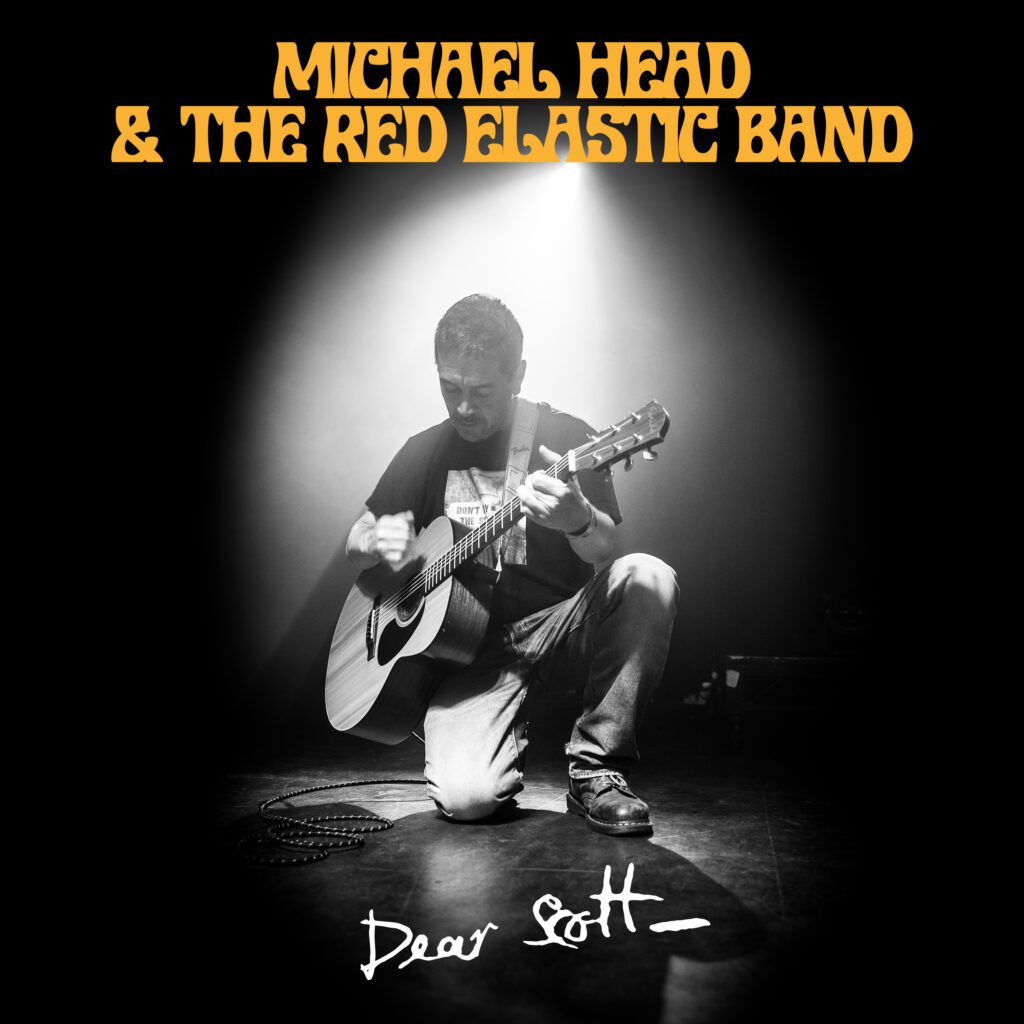
Dear Scott by Michael Head & The Red Elastic Band is out now on Modern Sky UK.

michaelheadofficial.com

Back to Music

The submit Music Interview: Michael Head appeared first on Hi-Fi+.

Music Interview: Steven Price

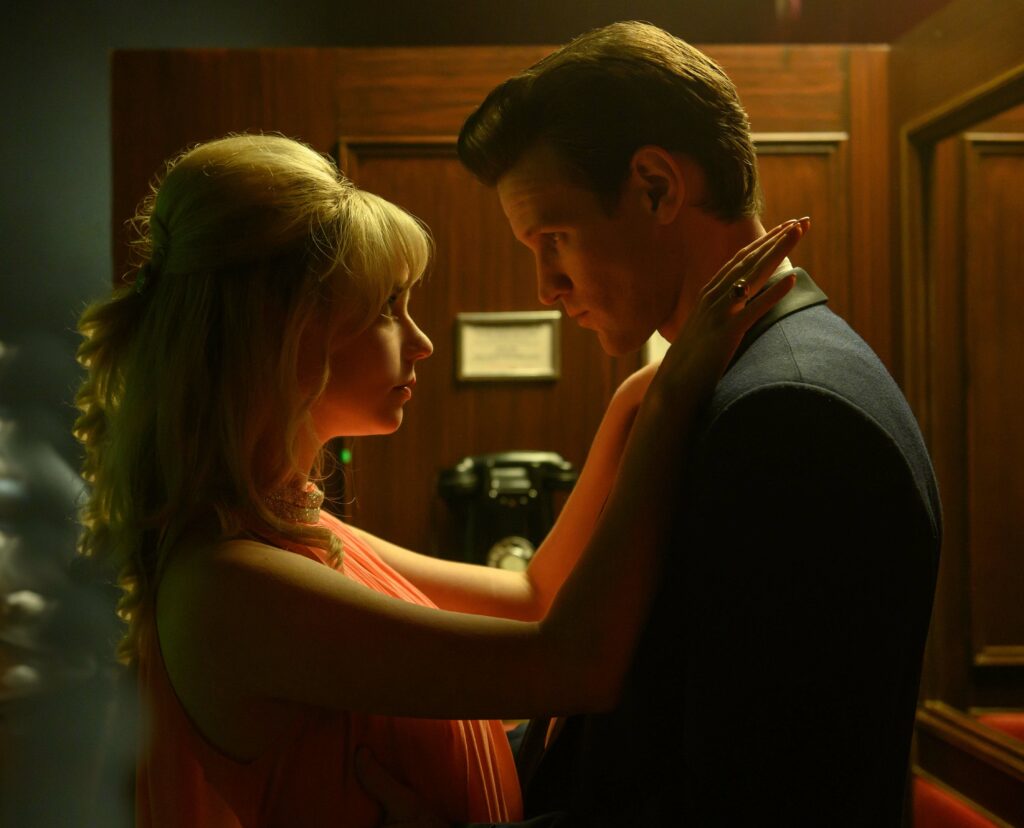
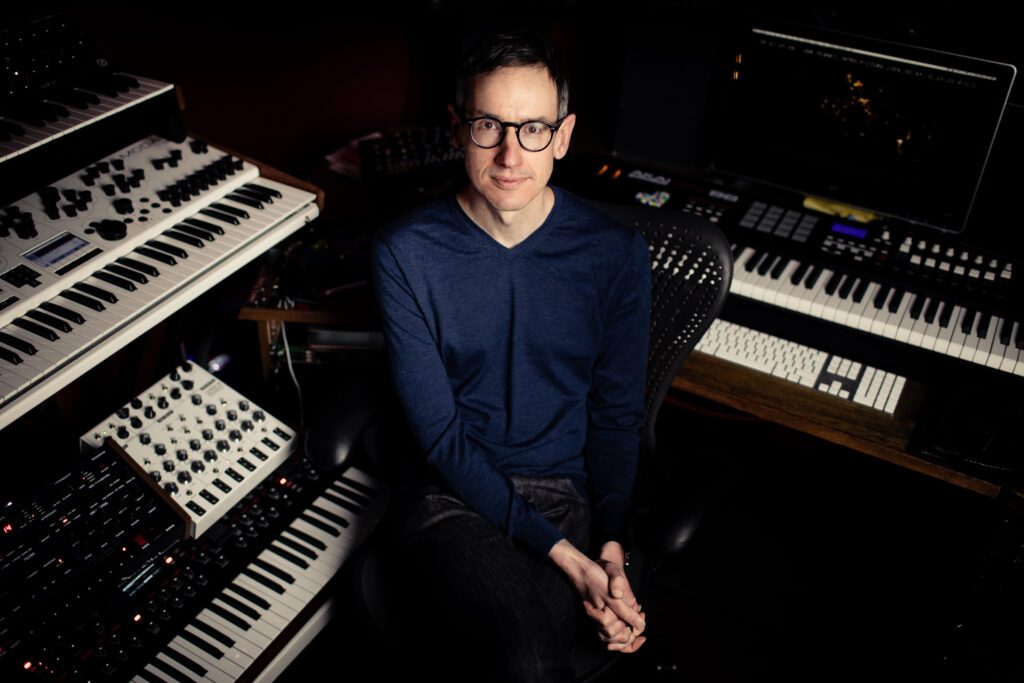
Academy Award-winning British film composer, Steven Price, has worked on major movies including Gravity, Baby Driver and, most recently, innovative director Edgar Wright’s brilliant psychological thriller-meets-horror-film-meets-Swinging-‘60s-drama, Last Night In Soho.

Rather fittingly, hi-fi+ caught up with him in Soho, at the legendary Groucho Club, where he was working with Bowers & Wilkins to promote the brand’s new Dolby Atmos soundbar, Panorama 3, which launched in March, 2022.

We talked about how his music helps to tell the story of what a film director has in mind and how immersive audio technology has changed the way he works.

SH: Last Night In Soho is partly set in the ‘60s. The soundtrack has pop songs from that era on it, and also your takes on them, but some of the action occurs in a contemporary setting. How did you approach the score, as it had to work for both of those periods?

SP: That’s what’s so fun about Edgar Wright’s films. A lot of directors just use one song and that’s it, but with us the song is the starting point and we reinterpret it.

In Last Night In Soho, there are Cilla Black and Sandie Shaw songs that we ripped apart and then put back in a different order.

On one of the two versions of the soundtrack LP available, there’s an unsettling, psychedelic reinterpretation of ‘(There’s) Always Something There To Remind Me’…

It’s my ‘Revolution 9’ tribute. Everything is used as a reason for the story – I’m often playing along with it and using it to lead into the score to help whatever story Edgar is trying to tell.

With Last Night In Soho, it’s the idea of the 1960s being this glorious thing we all look back on – the good old days – but the story – the history – has leaked through into the life of a girl in the present day, so by the end of the film, it has dissolved and become a grotesque thing.

The score was a device that took some of those songs and instrumentation but made it evolve into something that was basically a nightmare – it was all intertwined.

I started writing the music early on, so it was incorporated into the edit from the start and the two of just chipped away at it, sending things back and forth.

As we go through different editorial stages, I give them music and they might change the cut, so it comes back to me. Gradually the final shape comes together.

I’ve worked with Edgar for a long time, so I was on the set and I was writing suites just off the basis of the script.

I also went to the studio a few times to work with [actress] Anya [Taylor-Joy], who sings on the score. She’s amazing and her character’s siren song is being sung through the ages.

What were your influences for the soundtrack? I’m guessing your brief was ‘60s pop: Petula Clark, Sandie Shaw, Dusty Springfield?

Yes, but also film scores. I listened to a lot of John Barry and Ennio Morricone. We also talked about John Carpenter very early on. There were a lot of references.

Edgar’s very good – you always know his influences and what’s he watching at the time. You put all these things together and gradually it becomes something else – it evolves.

Your score for Last Night In Soho is often minimalist, but some of the tracks have dramatic strings and brass. It’s an interesting mix of styles, which makes it a great soundtrack. It doesn’t sound like a ‘60s pastiche, which could’ve been quite easy to do…

The whole film is about the idea of memory and how the ‘60s wasn’t that great – it’s a distorted memory, so any ‘60s references I made in the music had to be broken up.

There were loads of things based on the concept of tape loops because the film is a time loop – the music incorporates all these elements of dialogue, and, as the loop degrades, it becomes distorted and messy. There were lots of taking things and melting them.

There are some great moments in the film, musically and visually, like when one of the central female characters, Eloise, first steps into ‘60s London and sees the West End, or when we first see the Café de Paris…

The first 20 minutes of the film are all in mono, but when the character goes into the ‘60s and everything opens up, we opened up the whole sound field, to the extent that I went to Abbey Road and recorded the strings and brass for ‘You’re My World’ all over again, so we could take it from being a record to a live experience.

It’s immersive sound – you go into the Café de Paris and it’s as if the band are in the room next door.

You mentioned immersive sound. How has audio technology like Dolby Atmos changed how you work?

I think it’s one of the great unexplored areas of filmmaking. There are lots of films that surround you with sound, but there aren’t a lot that use it for story reasons.

In Gravity, the sound was a massive ‘character’ in the film and the music moved around you – I was proud of that.

Surround sound is the future – it’s a whole story based around sound, which is why I think products like soundbars are worth supporting.

It gives people a taste of what we’re doing – you can hear the detail we’re putting into soundtracks that are designed for a theatre, in the home, in a way that you won’t get from a PC or a phone.

Where did you record the Last Night In Soho soundtrack? Was it all done at Abbey Road?

The majority of it, including the orchestral parts, was recorded at Abbey Road, but we also did some bits at British Grove, in Chiswick (West London), and the vocals were done at my studio, in Surrey.

It was all done over a long period of time and we were interrupted by COVID – the whole thing got delayed by six months, which was great, actually, because we got to come back to it with fresh eyes.

Was Last Night In Soho fun to work on?

All of Edgar’s film are. It was exciting and it makes you wonder what the hell he might do next. There are moments of cinema in Last Night In Soho that are wonderful. It’s a departure for him, but you can see him in it – he has a real voice.

On a film like Last Night In Soho, or Baby Driver, your score has to complement a playlist of other songs…

It’s connective tissue, but hopefully you’re doing an emotional job – that’s the way I think of it. The whole soundtrack has to feel like it’s rolling on and when we get it right, it feels like a momentum that’s taking you from each scene to each scene – sometimes we have to chip away at it for a long time to get that.

Edgar’s films are fascinating because he has such an interest in music and you know that it’s going to be heard.

In the ‘90s and the early noughties, film soundtracks were often dominated by lots of contemporary songs – the actual score felt less important. Do you think we’re seeing a return to those classic film soundtrack scores of the ‘60s and the ‘70s?

When scores could be unique? Yes – it’s an exciting time. People are embracing things that are different. Filmmakers and directors are really keen to have something that feels unique to their film.

When I first met Alfonso Cuarón, who directed Gravity, his first words to me were: ‘I don’t really like film music, so what are we going to do about that, then?’

I had to work out what we wanted to feel – anything that felt like film music wasn’t going to fly.

A lot of my scores involve original sounds that I make – I create my own instruments and play those. That’s the fun bit for me – how you can make a film sound unlike any other film. That’s my aim.

The soundtrack album for Last Night In Soho is available now on Mondo/Back Lot Music.
https://mondoshop.com/

Bowers & Wilkins’s new Panorama 3 Dolby Atmos soundbar is available from the brand’s website and select retailers.
bowerswilkins.com/new-panorama3

Back to Music

The post Music Interview: Steven Price appeared first on Hi-Fi+.

Music Interview: Steve Harley

This year, English singer-songwriter, Steve Harley, who scored a UK number one hit single with the classic guitar pop of ‘Make Me Smile (Come Up and See Me)’ in 1975, is celebrating his 50th anniversary in the music business.

His band, Cockney Rebel, formed in 1972 – the group played one of their first-ever gigs at the Roundhouse, in Chalk Farm, London, supporting The Jeff Beck Group. Harley was 21 – he’s 71 now.

“I remember it very well,” he tells hi‑fi+, talking to us over the phone from his home in Suffolk. “It’s fascinating, isn’t it? We were just young men – lads, really. I didn’t think about the future at that age. 

“Record contracts from the ‘60s and ‘70s stated they would pay recording royalties for 25 years – all that had to change because we carried on selling records. No one expected anything to go on longer than that. 

“We signed a three-album deal with EMI, which was magic – we could really develop. They were very funny times – we were all young and had a laugh. 

“When I hear my songwriting [from then] now, it was quite dark, but, nonetheless, as a band we laughed all the time. It was hysterical to be honest – they were very funny fellas. We were friends, I thought – until they walked out on me.”

This year, you’re marking your 50th anniversary with a UK tour in December. You’re a big fan of playing live, aren’t you? You’ve never really stopped gigging, have you?

Yeah, I am. I did stop for quite a while in the ‘80s though. I had a very crazy, hedonistic ‘70s and then I got married and our firstborn came along in ’82. I have two children. 

I didn’t play for quite a few years. I needed to get grounded and be a family man for a while – I was as high as a kite for a long time. 

At the end of the ‘80s, a promoter took me to lunch for a chat. He had a German promoter who wanted me to go on tour for three weeks. 

I went, and I learnt how to do it again. I didn’t know if I could – I’d lost self-confidence. That was in ’88, and, as you’re implying, I haven’t stopped since.

Life on the road is better now than ever – I am a wandering minstrel. Two weeks at home is a stress for me. I need a ticket in my desk all the time. 

Steve Harley live
Image by Martin Bone

What can we expect from the tour? You’ve recently been playing some rarely-heard stuff, as well as the hits, haven’t you?

Yeah. I get hints from people all the time on Facebook about what they want me to dig out. I do take notice, but some of it isn’t really feasible or practical. 

For the December tour of the UK, I’m planning to have a blend – a mélange. The first hour will be the rock band and after the interval it will be an acoustic four-piece – maybe with some light drums for some numbers. 

One by one, the rock band will re-enter, until we build it up to the full eight or nine-piece again for the finale of half an hour. That’s what’s in my mind, but I can’t say that’s gospel because it changes by the day. It’s a moveable feast. 

You also have a career-spanning box set coming out next year, don’t you?

Yeah, it’s coming out in the spring. Chrysalis have discovered stuff from the EMI vaults – outtakes, bits of conversations with the engineer… Frankly, I just want people to have it, if they want it – and I hear that they do. I don’t know what they get out of it – I’ve no idea!

You have a lot of diehard fans, who’ve followed your career, but do you attract younger people to your gigs?

When the lights go up and I can see what’s going on, there are quite a lot of young people who might have got into me through mum and dad playing it at home. I like that. 

As you get older, you want some younger people coming through, because no one makes a living out of selling records, except Ed Sheeran – there are only about 10 people like that in the world, now… Life is on the road. That’s the livelihood – selling tickets and playing. I’ve sold several thousand CDs on the road this year. The people who support me still buy CDs – that’s my demographic. 

I still buy CDs…

So do I. I play them in the car or on the hi-fi in my study. Uncovered [2020 studio album of cover versions], through the distributor Absolute and us taking it on the road, has sold over 7,000 copies. 

I got my money back – it was an expensive album to make. I spared nothing – two weeks at Rockfield with top-line musicians…

Didn’t you record the string arrangements for Uncovered in Europe?

Yes – we went over to a small studio in Holland. The arranger was Thomas Tol. He’s fantastic – amazingly tender, sensitive and subtle. 

There’s no EQ on that album – it’s totally organic and completely pure. 

Matt Butler [engineer] said to me: ‘What do you want it to come out like?’ I said: ‘I want to be in their living room and in the car with them’.

One music journalist complimented me on the album – he said: ‘It’s like I was in the studio with you’. That was such a lovely thing to hear. 

When we were in Rockfield, we had the best Pro Tools money can buy and Matt had the best microphones. We went in with the best musicians – Martin Simpson [folk guitarist] for God’s sake!

He’s great.

He’s more than that – he’s way out. We had virtuoso players –Barry Wickens [violinist/guitarist], Oli Hayhurst [double bass] with handmade instruments. I had a handmade guitar and a 1974 D35 Martin [acoustic]. I said to Matt: ‘Just mic us up – no EQ’.

He said: ‘Basically, you don’t want me to engineer, do you?’

I said it was more subtle than that: ‘It’s a tough gig – you’ve got to make it sound wonderful without twiddling any knobs’. 

I didn’t want any echo, reverb or effects. That’s what you get – the only overdubs on it are the string quartet and my voice.

You used to record at Abbey Road, didn’t you?

For years. 

Do you have a home studio?

No – I’m not like that. 

You’re not a fan of home recording?

I hire studios and engineers – I’m not technically advanced. I used to write songs onto a MiniDisc – now I use an iPhone with a really classy app. 

I record in a room with very little furniture – when I write songs, it’s almost like a recording.

I play guitar all the time – you have to keep your fingers in trim. I’ve got three acoustics set up in three different rooms. 

I think I’m going to settle down and watch Match of the Day, but in the corner of the living room there’s a lovely Taylor guitar… 

When I’m alone, I just look at it and think: ‘I’ve got to pick that up…’ It’s very tactile – I start playing and hit the record button.

Are you a prolific songwriter?

I don’t finish them… Last year I transferred some stuff from my iPhone to a PC and 76 things came up – I have notes next to them about how good they are, or what I should do with them.

It’s not like people are chomping at the bit – albums are expensive to make and then you’ve got to get your money back. I won’t make a cheap, rubbish album. 

You talked about listening to CDs on your hi-fi at home. Do you have a good set-up?

Oh yeah. I have a fabulous Linn set-up with three pre-amps and a CD player – it takes no prisoners. It’s mega stuff.

What about vinyl or streaming?

I don’t stream – I wouldn’t know how to do that. 

So, you’ve spent 50 years in the business and you’re 71. Are you still a rebel? Were you ever?

I’m actually pretty conservative – I live a quiet life off the road. 

I have a couple of acres of woodland, and I feed the fish and I feed the birds. I’m not a fan of the real world and of politicians though… It’s worse than ever.

My children say I’m only slightly eccentric, but that’s because my head’s swimming with lyrics and plans.

About 10 years ago, in a monthly music magazine, someone said: ‘Steve Harley is neither a Cockney nor a rebel’.

He’s kind of half-right, but he’s half-wrong. I wrote back to him, tongue-in-cheek, and said: ‘Neil Young was neither crazy nor a horse’. 

All Images by Martin Bone

Steve Harley is touring the UK this December. For live dates, visit:
steveharley.com


Back to Music

The post Music Interview: Steve Harley appeared first on Hi-Fi+.