Tag Archives: Contemporary

Music Interview: Max Cooper

Hidden away in leafy Highgate, North London, is without doubt one of the most spectacular and trendy sound areas within the UK.

The L-Acoustics Creations immersive 18.1.12 facility – named Ocean – was not too long ago used to host a particular spatial audio occasion for the launch of Unspoken Words, the newest album by digital music pioneer, Max Cooper.

The Belfast-born artist and producer, who has a PhD in computational biology, has began working with French model, L-Acoustics, which has a background in skilled sound techniques, to discover the chances of spatial audio. 

Cooper’s new album – his sixth – can be out there as a Dolby Atmos-encoded Blu-ray, that includes 13 brief movies that accompany the music and had been created by visible artists. 

As extra music streaming providers corresponding to Apple Music, Tidal and Amazon Music put money into spatial audio content material, L-Acoustic Creations wish to evolve the listening expertise from being merely a binaural headphone one into whole-room, immersive sound playback.

Ocean is a high-end, lounge‑like venue that’s kitted out with 18 L-Acoustics Syva loudspeakers mounted on the partitions in a 360-degree configuration.

Low-frequency sound is produced by a circle of Syva Low loudspeakers and Syva Sub, whereas 12 overhead audio system are used to create a totally immersive ‘hemisphere’.

During a non-public go to to Ocean, hi-fi+ was critically impressed by the immersive listening expertise – we had a playback of a dwell model of Radiohead’s ‘Paranoid Android’, recorded at a pageant, and it felt like we had been on stage with Thom Yorke and co.

Picture Credit: Alex Kozobolis

Cooper is an enormous fan of the sound area too, as he tells us in an unique interview.

“I take advantage of Genelecs [speakers] at residence, however I really like the sound of L-Acoustics – they sound f***ing wonderful! You get a great deal of element up on the prime – I take advantage of lots of clicks and excessive frequencies in my music. There’s lots of data and it comes throughout actually properly on their system. I additionally put rumbling harmonies down low within the bass frequencies, which additionally come throughout fantastically.” He provides: “The L-Acoustics room might be my favorite sounding room that I’ve skilled. Even although the album wasn’t combined in that room, I really like the best way it sounds in there – it enhances my manufacturing strategy.”

SH: Unspoken Words is an bold undertaking, isn’t it? How lengthy did it take to place collectively?

MC: Yeah – it took about two years begin to end. A year-and-a-half of writing music and concepts and 6 months to fee 12 totally different visible artists and collectives. 

How and why did you hook up with L-Acoustics for the album preview occasion?

I’ve been chatting to these guys for some years, and I’ve been experimenting with spatial audio for a very long time. They are into it, and we’ve not too long ago began working collectively extra commonly. We’re creating some spatial audio instruments collectively and shifting in direction of doing a little exhibits. 

This was the primary official occasion we’ve carried out collectively, but it surely’s the beginning of a long-term undertaking. 

The new album was initially combined in Dolby Atmos at String and Tins [in London] after which we mapped it over to the L-Acoustics system in 14.1.8 for the playback.

What’s the attraction of spatial audio for you?

When I write my regular stereo music, I put a number of binaural in there – whether or not that’s recordings I’ve made with little in-ear mics, or whether or not that’s simulated binaural, which methods your mind into considering the sounds are behind you. I put these indicators into the stereo audio to make issues immersive and spatial in a stereo combine, with headphones. That’s solely one of many strategies I take advantage of to generate immersion. 

I used to be listening to the brand new album on headphones, very early within the morning, a number of hours earlier than interviewing you and I bought freaked-out by the observe, ‘Exotic Contents’. At the beginning, there’s a whispered vocal bit, which actually startled me…

[laughs] That’s a great spot – that was my buddy, Giles, whispering in your ear. We had an evening out and I bought my binaural mics out and we had been messing about, recording freaky stuff. We had lots of enjoyable. 

And that’s simply in stereo… so with spatial audio you possibly can take that even additional, can’t you?

There are a number of different issues I take advantage of. The fixed low bass harmonies I take advantage of attempt to create immersion as properly – it’s like a full-body therapeutic massage. Plenty of my music is about escapism and making an attempt to wrap the listener up in lovely experiences. Spatial audio is a good instrument for doing what I’m already doing however higher. It permits me to speak extra powerfully, because it’s primarily the aesthetic of my music anyway – spatial audio suits very naturally for me. 

Visuals are an enormous a part of my work – lots of my albums are made as scores to visible concepts and tasks. I collaborate with lots of people. We’ve simply launched a brand new Dolby Atmos Blu-ray for the brand new album – it’s movie-length with movies in addition to music.

There are lots of hyperlinks to my work with spacial constructions – what one thing seems like in a 3D setting when it comes to visuals and music. So, in terms of spatial audio, I can realise these 3D constructions and actually construct it into an object-based system, which then maps it accordingly to no matter you’re listening in, like 5.1 or Atmos. 

Spatial audio continues to be fairly area of interest, isn’t it? Do you need extra individuals to take heed to your music in Dolby Atmos? 

One of the issues that excited me about making the brand new album within the Dolby Atmos format and what led me to do it was the brand new Atmos-enabled Apple earbuds with head monitoring – we optimised it for these as properly. 

If you’re streaming on Tidal or Apple Music, you possibly can have an Atmos combine – if there’s a sound in entrance of you and also you flip your head, it’ll transfer round your head, relying on which route you flip. It’s such as you’re in a dwell room, primarily.

If somebody’s on stage and taking part in guitar in entrance of you, and also you flip your head to the left, you then’ll hear them in your proper ear – it’s the identical impact with Atmos-enabled headphones with head monitoring.

On the album observe, ‘Spectrum’, there’s a stereo area left and proper

for those who’re dealing with ahead, however for those who flip your head to at least one aspect, you’ll open up a special stereo area which you wouldn’t have heard beforehand. 

So, for those who’re listening on Atmos-enabled headphones, relying on which means you’re dealing with, the music turns into interactive and can sound totally different – you possibly can observe a path by way of it. 

That’s a wholly new creative instrument that’s been opened up by these headphones, which a number of individuals have. I’m capable of ship messages and concepts that I couldn’t ship in any other case. 

What’s your property studio set-up like and may you inform me about your writing and recording processes?

It’s filled with previous synthesizers, pedals and machines – it’s a chaotic room of stuff. I’m not superb at taking part in keys – I do lots of free expression and improvisation. I attempt to categorical myself as finest I can and never fear about making errors. 

I simply get masses and a great deal of layers and I do lots of semi-generative work with establishing techniques which have a little bit of a lifetime of their very own. They wander round and I’m taking part in them on the identical time – emergent complexity. 

Plenty of my sounds come from distortion pedals which were designed for noise bands – I simply jam with lots of synths and pedals, after which I do lots of processing for results. It’s a mixture of very analogue-sounding sources with digital processing. 

I put down possibly 100 or 200 layers of audio after which I’ll begin sculpting it. There’s so much to do with taking away the unhealthy bits, relatively than simply making the great bits. 

I really like extremes. My music’s not designed to sound actual – it’s designed to be surreal.

Max Cooper Unspoken Words
Cover Credit: Zach Lieberman, Colin Droz

Unspoken Words by Max Cooper is out now on Mesh.
maxcooper.internet
l-acoustics-creations.com

Back to Music

The publish Music Interview: Max Cooper appeared first on Hi-Fi+.
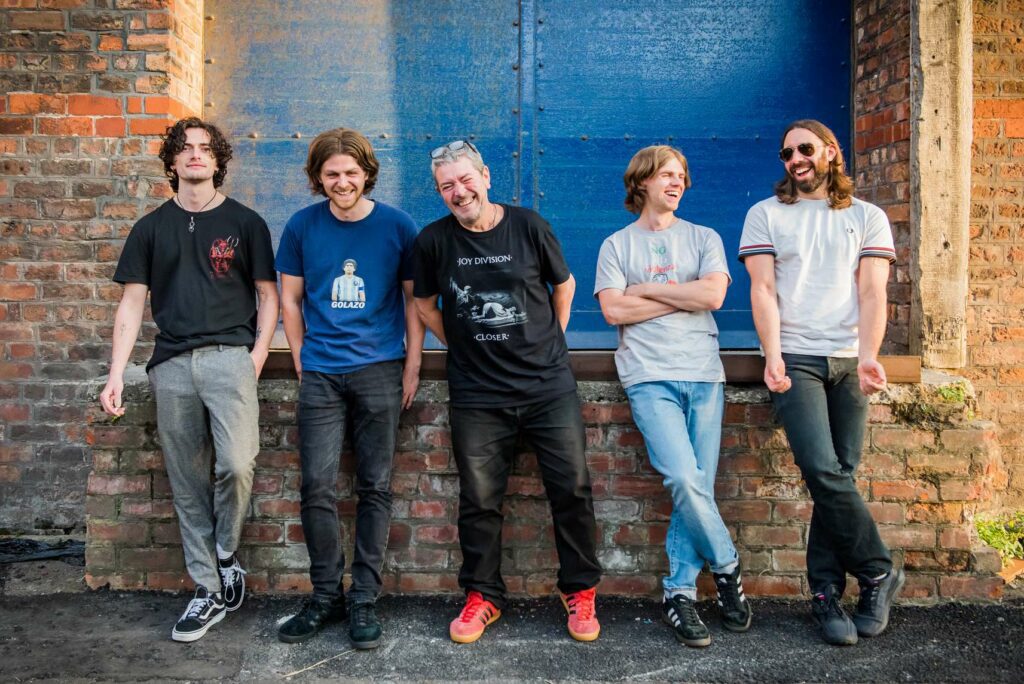
Music Interview: Michael Head

Michael Head has been known as Liverpool’s nice misplaced songwriter and a genius.

Speaking to him on the cellphone early one spring morning – he’s at residence, close to town’s docks – I ask him if he’s proud of the genius tag.

“Somebody as soon as stated to me, ‘That music you’ve written is f***ing genius – anybody might’ve finished it!’ And I went, ‘Yeah – you’re proper, lad. Good on yer,’” he says.

“I believe genius is when one thing is finished in a specific method that’s totally different to the norm – it’s off-centre. I simply love writing.”

After a 40-year profession that takes in The Pale Fountains, Shack, and The Strands, Head, who’s 60, has simply launched his second album with The Red Elastic Band, and it simply may be one of the best factor he’s ever finished.

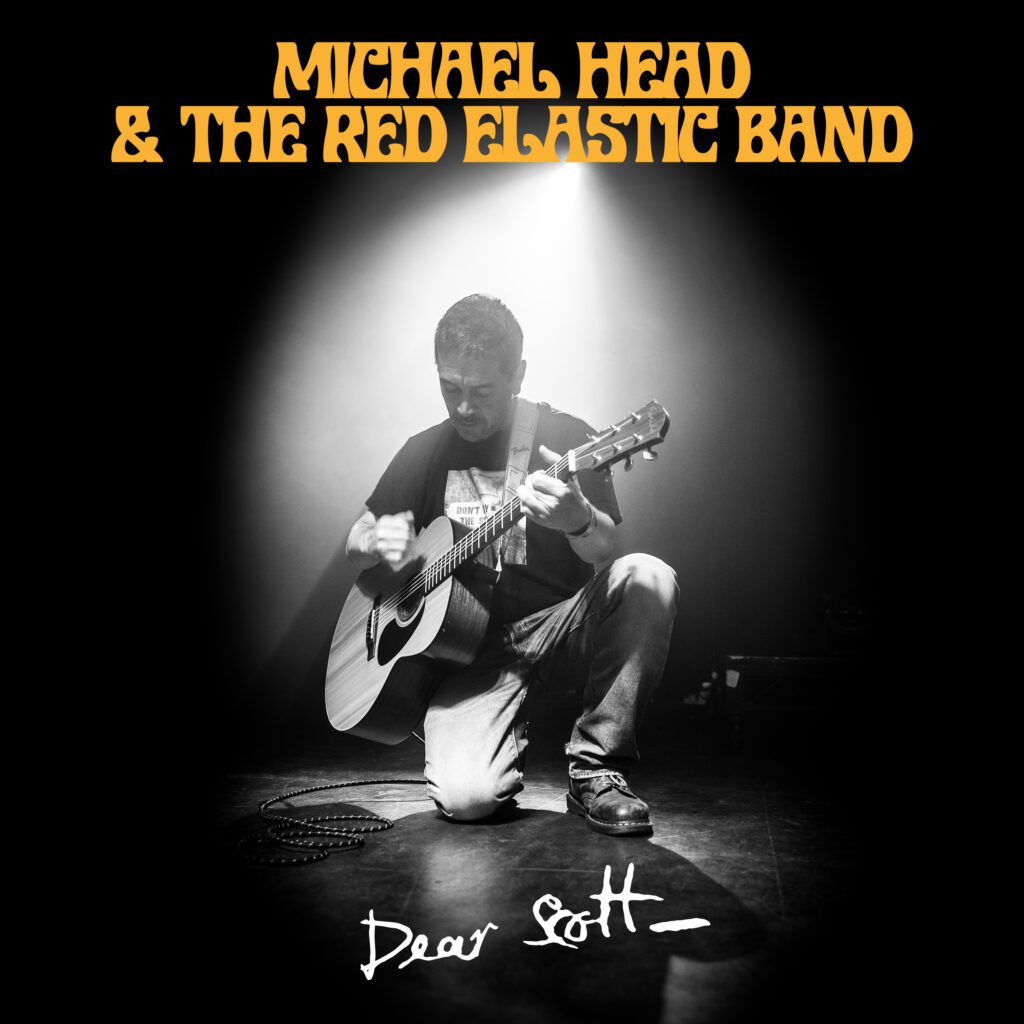
Dear Scott – the title references creator F. Scott Fitzgerald’s time on the notorious Hollywood lodge, The Garden of Allah, when he picked up a postcard on strolling in and addressed it to himself – is a surprising and exquisite assortment of story songs.

Comeback single, ‘Kismet’ – written in regards to the kindness of strangers and primarily based on a real-life expertise, when Head discovered himself stranded in the midst of nowhere with a useless cellphone – is joyous and jangly guitar pop, ‘Broken Beauty’ has a blue-eyed soul really feel, full with lush, Easy Listening strings and Bacharach trumpet, ‘Fluke’ is a hazy and dream-like journey by L.A, soundtracked by cinematic strings, and ‘Gino and Rico’ is a beautiful jazzy shuffle that will go well with Richard Hawley’s velvet croon.

Credit: John Johnson

‘Freedom’ is a folky acoustic ballad, and ‘American Kid,’ with horns and a hovering refrain, is written a few buddy who was “born in a excessive rise in Kirkby” and is obsessive about Hollywood tradition. It namechecks classic US actors John Garfield and Ida Lupino, in addition to Elvis, Tarantino and De Niro.

The file was produced by Bill Ryder-Jones (The Coral) who offers the songs wealthy, vibrant and imaginative preparations.

“He’s finished an incredible job. It’s not a case of him understanding the songs – he simply will get them,” says Head. “We’re on the identical web page and in tune with one another. The songs simply advanced.”

SH: In 2019, you introduced you have been going to place out an album known as New Brighton Rock, however your plans modified on account of COVID, didn’t they?

MH: Yeah – I’d been writing songs since then. I’m writing on a regular basis. Eighteen months in the past, me and the lads [from The Red Elastic Band] went into the studio with Bill and did about six tracks after which lockdown kicked in. We didn’t see one another for 12 months.

When we obtained again collectively, what we’d finished previous to lockdown sounded improbable.

Dave Pichilingi [CEO] of [record label] Modern Sky stated, ‘Do you need to end the album off?’ We have been like, ‘Yeah – undoubtedly,’ as a result of we’d financed the primary bit ourselves, with gigs and we’d finished some T-shirts.

Initially the album was known as New Brighton Rock as a result of I’d been engaged on a brief story… I’ve been doing brief tales for 20 years, in my spare time. I’m going to do one thing with a writer within the close to future.

I wrote the story New Brighton Rock about 15 years in the past and I cherished it a lot… I wrote a music, however it didn’t go on an album.

New Brighton Rock was a working title [for the album]. When I used to be out on my bike, somebody shouted ‘New Brighton Rock’ to me on the street, and I did flip spherical.

But the album ended up being known as Dear Scott…

I’d seen a Jay McInerney documentary about F. Scott Fitzgerald, which fascinated me – his persona, his letters and his sense of humour appealed to me. He was the king, however he’d had just a few ups and downs.

Credit: John Johnson

When all his associates have been attempting to crack the brand new medium in Hollywood, he went there to try to have a go, however when he arrived at his lodge, it was the unsuitable place for him, as a result of he was sober and all people round him was in an extreme atmosphere. When he obtained to the counter on the lodge, he wrote a postcard to himself: ‘Dear Scott…’ He didn’t stamp it – he simply put it on his mantelpiece.

One of the songs on the album, ‘Fluke’, was impressed by considered one of Scott’s brief tales known as The Homes of the Stars.

The album is fantastic – it’s a stunning file.

Thank you, man.

Several of the songs, like ‘Fluke’ and ‘Kismet’, point out journey – it appears like fairly a transient album…

Yeah – that wasn’t intentional however it I suppose there’s loads of motion. I exploit my unconscious quite a bit once I’m writing. Some of my songs are pure reality and a few are pure fiction – I like to combine it up.  ‘Fluke’ is a few PR lady who will get a possibility to go to L.A. She’s instructed that she’s obtained to return again, however she loses her cellphone so she will be able to go there. I’m fascinated by Hollywood films, and I’ve tried to encapsulate that – she’s dreaming in L.A.

The strings on ‘Fluke’ sound very cinematic…

That was Bill Ryder-Jones, mate.

Why did you resolve to work with him?

I’ve identified him for ages, since he was in The Coral – we’ve performed at a few festivals, and we at all times obtained on very well.

I really like his stuff and he’s a stunning fella.

One of the lads within the band, Nat [Nathaniel Cummins – guitars] works quite a bit with Bill.

One day, earlier than Bill obtained concerned, we have been going by the songs – Nat had made a studio in his flat, so we obtained the songs into form there. Nat stated, ‘What about Bill producing the album?’ I stated, ‘That’s proper! Let’s ‘ave it – all day!’

That was that – Bill was up for it. It was pretty making it. He lives in West Kirby, on the Wirral – he has his personal studio there. It’s a fantastic atmosphere – in the event you weren’t within the studio, you can go for a stroll.

For the primary a part of the album, to let you know the reality, I used to be consuming. Then lockdown occurred, and I obtained sober and extra centered – it was sensible.

The lads within the band are so grounded and so stunning – they’re level-headed they usually’re half my age, however they’re like mates.

I stated to them as soon as, ‘You don’t half get the brand new songs’, and considered one of them stated, ‘Mick – me ma and me uncle performed us your songs. We grew up with them, so we all know the place you’re going’.

All my life I’ve been actually fortunate with folks I’ve been in bands with.

Mood-wise, I believe the album is a constructive one…

It actually is. When me and the lads met again up [after lockdown], we went for a stroll down the seaside and stated, ‘Let’s end the album’. It all opened up once more – it was meant to be.

It’s as if the celebs aligned…

There you go, lad.

On that observe, the primary single from the file was ‘Kismet.’ It’s in regards to the kindness of strangers and somebody who helped you once you have been stranded and wanted to cost your cellphone up…

In the olden days, earlier than cell phones, in the event you have been stranded, you both needed to discover a pink phone field or knock on a door. You needed to have cash as nicely, or you can reverse the costs…

A few years in the past, I used to be in the midst of nowhere, with no energy on me cellphone – you don’t realise how a lot you want it till it’s gone. I had no cash – I used to be in a little bit of a state of affairs, and it actually was in regards to the kindness of strangers. I noticed someplace – it was like sanctuary and salvation in a method.

I stated to a man, ‘All I want, mate, is a few minutes cost for one name to avoid wasting meself’.

He was actually good – he was closing the place up, however he charged me cellphone up and gave me a little bit plate of meals. And then he turfed me out. He stated, ‘That’s on the home.’ I made the decision and I saved meself.’

‘Broken Beauty’ is considered one of my favorite tracks on the file. It’s nearly a soul music. Your vocals remind me of Dr. Robert from The Blow Monkeys. You’re singing in a distinct type on it…

He was boss, Dr. Robert. It suited the way in which the music was going to develop, however it wasn’t intentional – I simply sing it the way in which it ought to be. I really like the backbeat guitar and the trumpet on it.

Another spotlight for me is ‘American Kid’, which is sort of probably the one music ever written to say US actor, John Garfield. It’s one other music that references Hollywood and American tradition…

It’s about two associates rising up – one of many lads is fascinated by Hollywood and he can’t actually speak about the rest, although he’s into soccer and every thing else.

As they become older, he turns trans – they’re nonetheless finest associates, however he finds his different life extra fascinating and fulfilling, in addition to nonetheless going to the match. It’s about real love inside friendship – like avenue brothers.

When Shack reformed, you have been championed by Noel Gallagher and signed to his label, Sour Mash Records. Did you take pleasure in that interval?

Yeah – it was useless good. It was of the second. In Shack, we at all times had a ball once we have been enjoying festivals with Noel, whether or not it was onstage, backstage, or mooching round. I met a great deal of folks I wouldn’t have usually met.

You’re a critically acclaimed singer-songwriter, however you’ve by no means actually crossed over into the mainstream. Why do you suppose that larger success has eluded you? Are you fairly comfortable being a cult artist and doing your personal factor?

I’m comfortable doing my very own factor – I can operate and get on with my life. Sometimes in rehearsals, we are saying, ‘You know what? It’s all in regards to the songs.’

Lately, I’ve loved getting again into writing – new songs and brief tales. What does the mainstream entail? I’m not about supplies and cash. What is it that I’m lacking out on?

Obviously, all of us want cash, but when I received The Lottery, I wouldn’t know what to do with it. I had a good suggestion once I was youthful, however that’s one other story.

Who are your songwriting heroes?

Arthur Lee, Bowie – his lyrics are up there for me – and Joni Mitchell.

We talked in regards to the stars aligning for the brand new album.

Shack’s unhealthy luck has been well-documented, as have your personal private battles with habit. Do you suppose you can’ve been larger if issues hadn’t labored in opposition to you, or was it par for the course?

Probably par for the course – it was the local weather of the time. The planets weren’t aligned. There was loads of mayhem within the ‘90s and the 2000s, however it was stunning mayhem. I wouldn’t have it some other method, however I suppose we might have finished issues in a different way typically.

Dear Scott by Michael Head & The Red Elastic Band is out now on Modern Sky UK.

michaelheadofficial.com

Back to Music

The put up Music Interview: Michael Head appeared first on Hi-Fi+.

Music Interview: Michael Head

Michael Head has been referred to as Liverpool’s nice misplaced songwriter and a genius.

Speaking to him on the cellphone early one spring morning – he’s at residence, close to town’s docks – I ask him if he’s pleased with the genius tag.

“Somebody as soon as mentioned to me, ‘That track you’ve written is f***ing genius – anybody might’ve achieved it!’ And I went, ‘Yeah – you’re proper, lad. Good on yer,’” he says.

“I feel genius is when one thing is completed in a selected method that’s completely different to the norm – it’s off-centre. I simply love writing.”

After a 40-year profession that takes in The Pale Fountains, Shack, and The Strands, Head, who’s 60, has simply launched his second album with The Red Elastic Band, and it simply may be one of the best factor he’s ever achieved.

Dear Scott – the title references writer F. Scott Fitzgerald’s time on the notorious Hollywood resort, The Garden of Allah, when he picked up a postcard on strolling in and addressed it to himself – is a surprising and exquisite assortment of story songs.

Comeback single, ‘Kismet’ – written in regards to the kindness of strangers and primarily based on a real-life expertise, when Head discovered himself stranded in the course of nowhere with a useless cellphone – is joyous and jangly guitar pop, ‘Broken Beauty’ has a blue-eyed soul really feel, full with lush, Easy Listening strings and Bacharach trumpet, ‘Fluke’ is a hazy and dream-like journey by way of L.A, soundtracked by cinematic strings, and ‘Gino and Rico’ is a beautiful jazzy shuffle that will go well with Richard Hawley’s velvet croon.

Credit: John Johnson

‘Freedom’ is a folky acoustic ballad, and ‘American Kid,’ with horns and a hovering refrain, is written a couple of buddy who was “born in a excessive rise in Kirkby” and is obsessive about Hollywood tradition. It namechecks classic US actors John Garfield and Ida Lupino, in addition to Elvis, Tarantino and De Niro.

The file was produced by Bill Ryder-Jones (The Coral) who provides the songs wealthy, vibrant and imaginative preparations.

“He’s achieved an incredible job. It’s not a case of him understanding the songs – he simply will get them,” says Head. “We’re on the identical web page and in tune with one another. The songs simply developed.”

SH: In 2019, you introduced you have been going to place out an album referred to as New Brighton Rock, however your plans modified because of COVID, didn’t they?

MH: Yeah – I’d been writing songs since then. I’m writing on a regular basis. Eighteen months in the past, me and the lads [from The Red Elastic Band] went into the studio with Bill and did about six tracks after which lockdown kicked in. We didn’t see one another for 12 months.

When we acquired again collectively, what we’d achieved previous to lockdown sounded implausible.

Dave Pichilingi [CEO] of [record label] Modern Sky mentioned, ‘Do you wish to end the album off?’ We have been like, ‘Yeah – undoubtedly,’ as a result of we’d financed the primary bit ourselves, with gigs and we’d achieved some T-shirts.

Initially the album was referred to as New Brighton Rock as a result of I’d been engaged on a brief story… I’ve been doing quick tales for 20 years, in my spare time. I’m going to do one thing with a writer within the close to future.

I wrote the story New Brighton Rock about 15 years in the past and I cherished it a lot… I wrote a track, nevertheless it didn’t go on an album.

New Brighton Rock was a working title [for the album]. When I used to be out on my bike, somebody shouted ‘New Brighton Rock’ to me on the street, and I did flip spherical.

But the album ended up being referred to as Dear Scott…

I’d seen a Jay McInerney documentary about F. Scott Fitzgerald, which fascinated me – his character, his letters and his sense of humour appealed to me. He was the king, however he’d had just a few ups and downs.

Credit: John Johnson

When all his associates have been making an attempt to crack the brand new medium in Hollywood, he went there to try to have a go, however when he arrived at his resort, it was the unsuitable place for him, as a result of he was sober and everyone round him was in an extreme surroundings. When he acquired to the counter on the resort, he wrote a postcard to himself: ‘Dear Scott…’ He didn’t stamp it – he simply put it on his mantelpiece.

One of the songs on the album, ‘Fluke’, was impressed by one in all Scott’s quick tales referred to as The Homes of the Stars.

The album is great – it’s a beautiful file.

Thank you, man.

Several of the songs, like ‘Fluke’ and ‘Kismet’, point out journey – it looks like fairly a transient album…

Yeah – that wasn’t intentional however taking a look at it I suppose there may be quite a lot of motion. I take advantage of my unconscious quite a bit after I’m writing. Some of my songs are pure reality and a few are pure fiction – I like to combine it up.  ‘Fluke’ is a couple of PR lady who will get a possibility to go to L.A. She’s instructed that she’s acquired to return again, however she loses her cellphone so she will go there. I’m fascinated by Hollywood motion pictures, and I’ve tried to encapsulate that – she’s dreaming in L.A.

The strings on ‘Fluke’ sound very cinematic…

That was Bill Ryder-Jones, mate.

Why did you determine to work with him?

I’ve recognized him for ages, since he was in The Coral – we’ve performed at a few festivals, and we all the time acquired on very well.

I really like his stuff and he’s a beautiful fella.

One of the lads within the band, Nat [Nathaniel Cummins – guitars] works quite a bit with Bill.

One day, earlier than Bill acquired concerned, we have been going by way of the songs – Nat had made a studio in his flat, so we acquired the songs into form there. Nat mentioned, ‘What about Bill producing the album?’ I mentioned, ‘That’s proper! Let’s ‘ave it – all day!’

That was that – Bill was up for it. It was beautiful making it. He lives in West Kirby, on the Wirral – he has his personal studio there. It’s an excellent surroundings – for those who weren’t within the studio, you can go for a stroll.

For the primary a part of the album, to inform you the reality, I used to be consuming. Then lockdown occurred, and I acquired sober and extra centered – it was good.

The lads within the band are so grounded and so stunning – they’re level-headed and so they’re half my age, however they’re like mates.

I mentioned to them as soon as, ‘You don’t half get the brand new songs’, and one in all them mentioned, ‘Mick – me ma and me uncle performed us your songs. We grew up with them, so we all know the place you’re going’.

All my life I’ve been actually fortunate with folks I’ve been in bands with.

Mood-wise, I feel the album is a optimistic one…

It actually is. When me and the lads met again up [after lockdown], we went for a stroll down the seaside and mentioned, ‘Let’s end the album’. It all opened up once more – it was meant to be.

It’s as if the celebrities aligned…

There you go, lad.

On that word, the primary single from the file was ‘Kismet.’ It’s in regards to the kindness of strangers and somebody who helped you once you have been stranded and wanted to cost your cellphone up…

In the olden days, earlier than cell phones, for those who have been stranded, you both needed to discover a purple phone field or knock on a door. You needed to have cash as effectively, or you can reverse the fees…

A few years in the past, I used to be in the course of nowhere, with no energy on me cellphone – you don’t realise how a lot you want it till it’s gone. I had no cash – I used to be in a little bit of a state of affairs, and it actually was in regards to the kindness of strangers. I noticed someplace – it was like sanctuary and salvation in a method.

I mentioned to a man, ‘All I would like, mate, is a few minutes cost for one name to avoid wasting meself’.

He was actually good – he was closing the place up, however he charged me cellphone up and gave me a little bit plate of meals. And then he turfed me out. He mentioned, ‘That’s on the home.’ I made the decision and I saved meself.’

‘Broken Beauty’ is one in all my favorite tracks on the file. It’s nearly a soul track. Your vocals remind me of Dr. Robert from The Blow Monkeys. You’re singing in a unique model on it…

He was boss, Dr. Robert. It suited the best way the track was going to develop, nevertheless it wasn’t intentional – I simply sing it the best way it needs to be. I really like the backbeat guitar and the trumpet on it.

Another spotlight for me is ‘American Kid’, which is kind of probably the one track ever written to say US actor, John Garfield. It’s one other track that references Hollywood and American tradition…

It’s about two associates rising up – one of many lads is fascinated by Hollywood and he can’t actually speak about anything, though he’s into soccer and all the things else.

As they become older, he turns trans – they’re nonetheless greatest associates, however he finds his different life extra fascinating and fulfilling, in addition to nonetheless going to the match. It’s about real love inside friendship – like road brothers.

When Shack reformed, you have been championed by Noel Gallagher and signed to his label, Sour Mash Records. Did you take pleasure in that interval?

Yeah – it was useless good. It was of the second. In Shack, we all the time had a ball after we have been enjoying festivals with Noel, whether or not it was onstage, backstage, or mooching round. I met a great deal of folks I wouldn’t have usually met.

You’re a critically acclaimed singer-songwriter, however you’ve by no means actually crossed over into the mainstream. Why do you suppose that greater success has eluded you? Are you fairly glad being a cult artist and doing your individual factor?

I’m glad doing my very own factor – I can operate and get on with my life. Sometimes in rehearsals, we are saying, ‘You know what? It’s all in regards to the songs.’

Lately, I’ve loved getting again into writing – new songs and quick tales. What does the mainstream entail? I’m not about supplies and cash. What is it that I’m lacking out on?

Obviously, all of us want cash, but when I gained The Lottery, I wouldn’t know what to do with it. I had a good suggestion after I was youthful, however that’s one other story.

Who are your songwriting heroes?

Arthur Lee, Bowie – his lyrics are up there for me – and Joni Mitchell.

We talked in regards to the stars aligning for the brand new album.

Shack’s unhealthy luck has been well-documented, as have your individual private battles with dependancy. Do you suppose you can’ve been greater if issues hadn’t labored in opposition to you, or was it par for the course?

Probably par for the course – it was the local weather of the time. The planets weren’t aligned. There was quite a lot of mayhem within the ‘90s and the 2000s, nevertheless it was stunning mayhem. I wouldn’t have it another method, however I suppose we might have achieved issues in another way generally.

Dear Scott by Michael Head & The Red Elastic Band is out now on Modern Sky UK.

michaelheadofficial.com

Back to Music

The submit Music Interview: Michael Head appeared first on Hi-Fi+.

Music Interview: Swing Out Sister

It’s been over 35 years since British sophisti-pop act Swing Out Sister launched their debut album, It’s Better To Travel.

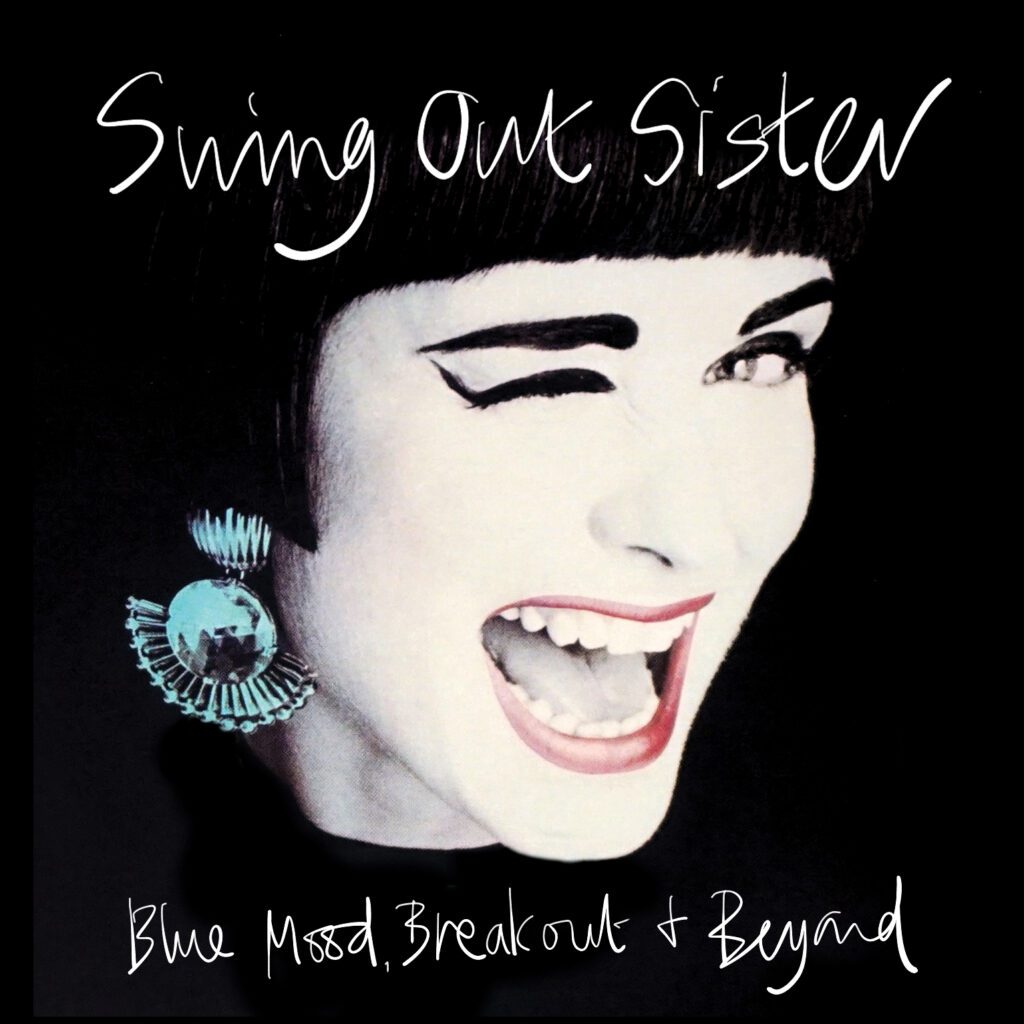
To have fun its anniversary in 2022, the duo, Corinne Drewery (vocals) and Andy Connell (keyboards), whose second single, ‘Breakout’, was launched in 1986 and received to quantity 4 within the UK singles chart, have teamed up with report label Cherry Red to curate and compile an eight-CD field set known as Blue Mood, Breakout And Beyond – The Early Years Part 1.

Released in late July, this complete assortment spans 1985-1992 and accommodates the band’s first three albums, It’s Better To Travel, Kaleidoscope World and Get In Touch With Yourself, in addition to the Japan-only live performance album, Live At The Jazz Café, and 4 discs of B-sides, 7in mixes, remixes and uncommon variations.

There’s additionally a formidable booklet, sleeve notes primarily based on new interviews with the band, photos of uncommon memorabilia and illustrations by Drewery.

As you’ll count on from an act of Swing Out Sister’s ilk, it’s a cultured and well-presented bundle.

In an unique interview – or ought to that be, ahem, breakout session – with hi-fi+, Drewery and Connell speak about their influences and making these first three studio albums.

You reissued a few of your albums as deluxe CD variations a number of years in the past, however the brand new field set places all the things in a single place, doesn’t it? It’s a pleasant assortment for the followers…

CD: From an avid collector’s perspective, I don’t assume there’s something that they couldn’t have discovered someplace on the earth – excuse the pun – (‘Somewhere In The World’ is the title of a track from their 1997 album, Shapes and Patterns) however, as you say, it’s multi functional place.

Some of the songs have been out there in several nations and are fairly costly to gather – should you’re an actual collector, you continue to need the unique vinyl copies, or the Japanese model with the obi across the sleeve.

Your first album, It’s Better To Travel, is 35 years outdated this yr. How does that really feel?

AC: It’s beautiful, however, in a single sense, it’s horrifying. We have been by no means presupposed to have longevity – we had a singles deal. It was solely as a result of ‘Breakout’ did what it did that the label noticed some sort of legacy with the mission.

The concept that we’ve been by some means doing this for that size of time is weird, however there’s a sure delight – not many individuals stick it out that lengthy. It’s a testomony to our stubbornness if nothing else.

It’s Better To Travel had loads of totally different influences, like ‘60s pop, soul, jazz, funk, however it’s additionally digital at instances, isn’t it?

‘Breakout’ is extra synth-led than I remembered – the intro has fairly a Pet Shop Boys really feel, like ‘West End Girls…’

AC: That’s a very good level. What occurred was that our subsequent albums – actually the second – modified folks’s notion of the primary one.

There are actual strings on the primary album, however not the orchestral factor that turned up later.

On the primary album, Martin [Jackson – original member and drummer] was programming the drums. We’d come from synths – we have been making Street Sounds [electro] records earlier than Swing Out Sister. Our producer, Paul O’Duffy, introduced the orchestral facet in.

It was a beautiful mixture. In hindsight, it appears very astute and cleverly deliberate, however it actually wasn’t within the slightest.

I used synths, however I had aspirations to make use of extra instrumentation if we received the possibility or the funds, and Corinne was coming from one other place – The Supremes, Dusty Springfield…

CD: I feel we at all times had these aspirations. When you assume again to what we might’ve been listening to on the time we have been making our first report, it was mid-‘60s music – the golden period of the Brill Building, like Goffin and King, and Bacharach and David.

We grew up with that and we absorbed it – that was our musical training, and we have been very fortunate to have that.

It was very subtle, however when it got here to creating our personal sounds, we hadn’t paid our sophistication dues, so we have been attempting to emulate that with Emulators and Fairlights.

Although we didn’t have the funds for a full orchestra, we have been utilizing some fairly subtle recording methods – we have been emulating the grandeur of the records we’d grown up with, however in an digital means.

Your music can also be very cinematic…

AC: Our widespread floor was movie music – John Barry and Ennio Morricone.

There’s an actual John Barry affect on the instrumental observe, ‘Theme (From It’s Better To Travel.’ It jogs my memory of ‘Space March’ from the You Only Live Twicesoundtrack…

AC: Exactly.

CD: You received it in a single.

AC: When you say, ‘it reminds you of…’ We’re doing a straight homage!

CD: It was earlier than that complete loungecore, Easy Listening, cinematic sound had actually turn into standard.

Things had been much more stripped-down and synth-oriented, and it then received a bit acid home, heavy home and dance, and a bit Bristol.

What we have been doing wasn’t in sync with all that – it was extra conventional. We have been attempting to create basic records – little three-minute pocket symphonies, as Brian Wilson mentioned – and we had a good time experimenting.

The second album, Kaleidoscope World, is far more grandiose than your first – there’s an actual ‘60s orchestral pop really feel to it…

CD: Our producer, Paul O’Duffy, appreciated the identical stuff as us – on that album, we indulged. We had a bit extra of a funds and we went to city – we even received along with Jimmy Webb.

How was he to work with?

AC: Our mouths have been completely open. It was such a cheeky factor to request – to get him to come back and organize some songs for us. Who did we predict we have been? Seriously. But he was on the primary flight, and he was such an easy, no-nonsense man. He sat and performed the piano within the studio breaks, and we thought, ‘This can’t be occurring.’

John Barry popped into the studio when you have been recording the second album, didn’t he? Sadly, you didn’t get to work with him…

AC: Yes – he did. I’d forgotten that. How may I overlook that?

Our producer had labored on one thing with him – he very graciously got here to the studio for an hour, listened to our stuff and gave it his blessing. He was busy – I feel he was engaged on A View to a Kill, so his calendar was full. That would’ve been fascinating, however it was nice to simply be in his presence.

CD: He gave his blessing to the instrumental model of ‘Forever Blue’, so we didn’t get sued!

AC: It’s a Midnight Cowboy homage…

‘You On My Mind’, from Kaleidoscope World, is one in every of my favorite Swing Out Sister songs. It seems like a basic ‘60s pop single by Sandie Shaw or Petula Clark. The orchestration jogs my memory of Tony Hatch…

CD: You’re hitting all the correct buttons.

AC: That track got here very late within the recording – we had the album after which we had a kernel of an concept that we have been messing round with. We’d received daring by that point – we did a pop association in the old-fashioned sense.

To today, I’m astonished that it wasn’t a much bigger radio hit, as a result of it sounds incredible on the radio – some kind of frequency factor occurred, and it got here alive. It didn’t sound like anything – it leapt out of the speaker.

Your third album, Get In Touch With Yourself, has a string  ‘70s soul really feel and a groove to it – there are influences like Isaac Hayes and Curtis Mayfield at play. Was {that a} response to the ‘60s sound of the second report?

AC: I don’t assume there’s ever been a degree the place we’ve sat down and mentioned, ‘We’re going to make this type of report – these are the influences, and that is the sound we would like…’

In a broad sense, Kaleidoscope World is ‘60s, and Get In Touch With Yourself is ’70s, however it’s by no means so simple as that. It didn’t really feel like that on the time.

CD: Because we’d gone to this point down the highway of Easy Listening, lounge and cinema, we needed to put the beat again in.

We have been considering, ‘What’s the least quantity of beat we will put in, or the good means we may do it that wasn’t home music?’

We have been very a lot up in opposition to that complete home motion, which was about stripping all the things all the way down to nothing and holding the vocal in. We have been nonetheless attempting to maintain as a lot music in, but additionally incorporate the groove. It was, ‘Let’s get a groove on.’

AC: Curtis Mayfield is rarely far-off from many of the issues we do.

The eight-CD Swing Out Sister field set Blue Mood, Breakout And Beyond – The Early Years Part 1, is obtainable now on Cherry Red Records.

cherryred.co.uk
swingoutsister.com

Back to Music

The put up Music Interview: Swing Out Sister appeared first on Hi-Fi+.
Music Interview: Swing Out Sister

It’s been over 35 years since British sophisti-pop act Swing Out Sister launched their debut album, It’s Better To Travel.

To rejoice its anniversary in 2022, the duo, Corinne Drewery (vocals) and Andy Connell (keyboards), whose second single, ‘Breakout’, was launched in 1986 and acquired to quantity 4 within the UK singles chart, have teamed up with report label Cherry Red to curate and compile an eight-CD field set known as Blue Mood, Breakout And Beyond – The Early Years Part 1.

Released in late July, this complete assortment spans 1985-1992 and incorporates the band’s first three albums, It’s Better To Travel, Kaleidoscope World and Get In Touch With Yourself, in addition to the Japan-only live performance album, Live At The Jazz Café, and 4 discs of B-sides, 7in mixes, remixes and uncommon variations.

There’s additionally a powerful booklet, sleeve notes based mostly on new interviews with the band, footage of uncommon memorabilia and illustrations by Drewery.

As you’ll count on from an act of Swing Out Sister’s ilk, it’s an aesthetic and well-presented bundle.

In an unique interview – or ought to that be, ahem, breakout session – with hi-fi+, Drewery and Connell speak about their influences and making these first three studio albums.

You reissued a few of your albums as deluxe CD variations just a few years in the past, however the brand new field set places every thing in a single place, doesn’t it? It’s a pleasant assortment for the followers…

CD: From an avid collector’s standpoint, I don’t assume there’s something that they couldn’t have discovered someplace on the planet – excuse the pun – (‘Somewhere In The World’ is the identify of a music from their 1997 album, Shapes and Patterns) however, as you say, it’s multi functional place.

Some of the songs have been obtainable in numerous nations and are fairly costly to gather – if you happen to’re an actual collector, you continue to need the unique vinyl copies, or the Japanese model with the obi across the sleeve.

Your first album, It’s Better To Travel, is 35 years previous this yr. How does that really feel?

AC: It’s beautiful, however, in a single sense, it’s horrifying. We have been by no means imagined to have longevity – we had a singles deal. It was solely as a result of ‘Breakout’ did what it did that the label noticed some form of legacy with the challenge.

The concept that we’ve been one way or the other doing this for that size of time is weird, however there’s a sure pleasure – not many individuals stick it out that lengthy. It’s a testomony to our stubbornness if nothing else.

It’s Better To Travel had lots of totally different influences, like ‘60s pop, soul, jazz, funk, but it surely’s additionally digital at occasions, isn’t it?

‘Breakout’ is extra synth-led than I remembered – the intro has fairly a Pet Shop Boys really feel, like ‘West End Girls…’

AC: That’s an excellent level. What occurred was that our subsequent albums – definitely the second – modified folks’s notion of the primary one.

There are actual strings on the primary album, however not the orchestral factor that turned up later.

On the primary album, Martin [Jackson – original member and drummer] was programming the drums. We’d come from synths – we have been making Street Sounds [electro] records earlier than Swing Out Sister. Our producer, Paul O’Duffy, introduced the orchestral aspect in.

It was a stunning mixture. In hindsight, it appears very astute and cleverly deliberate, but it surely actually wasn’t within the slightest.

I used synths, however I had aspirations to make use of extra instrumentation if we acquired the possibility or the funds, and Corinne was coming from one other place – The Supremes, Dusty Springfield…

CD: I believe we at all times had these aspirations. When you assume again to what we might’ve been listening to on the time we have been making our first report, it was mid-‘60s music – the golden period of the Brill Building, like Goffin and King, and Bacharach and David.

We grew up with that and we absorbed it – that was our musical schooling, and we have been very fortunate to have that.

It was very refined, however when it got here to creating our personal sounds, we hadn’t paid our sophistication dues, so we have been attempting to emulate that with Emulators and Fairlights.

Although we didn’t have the funds for a full orchestra, we have been utilizing some fairly refined recording methods – we have been emulating the grandeur of the records we’d grown up with, however in an digital means.

Your music can be very cinematic…

AC: Our widespread floor was movie music – John Barry and Ennio Morricone.

There’s an actual John Barry affect on the instrumental observe, ‘Theme (From It’s Better To Travel.’ It jogs my memory of ‘Space March’ from the You Only Live Twicesoundtrack…

AC: Exactly.

CD: You acquired it in a single.

AC: When you say, ‘it reminds you of…’ We’re doing a straight homage!

CD: It was earlier than that complete loungecore, Easy Listening, cinematic sound had actually grow to be standard.

Things had been much more stripped-down and synth-oriented, and it then acquired a bit acid home, heavy home and dance, and a bit Bristol.

What we have been doing wasn’t in sync with all that – it was extra conventional. We have been attempting to create basic records – little three-minute pocket symphonies, as Brian Wilson stated – and we had a good time experimenting.

The second album, Kaleidoscope World, is way more grandiose than your first – there’s an actual ‘60s orchestral pop really feel to it…

CD: Our producer, Paul O’Duffy, appreciated the identical stuff as us – on that album, we indulged. We had a bit extra of a funds and we went to city – we even acquired along with Jimmy Webb.

How was he to work with?

AC: Our mouths have been completely open. It was such a cheeky factor to request – to get him to come back and prepare some songs for us. Who did we predict we have been? Seriously. But he was on the primary flight, and he was such an easy, no-nonsense man. He sat and performed the piano within the studio breaks, and we thought, ‘This can’t be occurring.’

John Barry popped into the studio whilst you have been recording the second album, didn’t he? Sadly, you didn’t get to work with him…

AC: Yes – he did. I’d forgotten that. How may I overlook that?

Our producer had labored on one thing with him – he very graciously got here to the studio for an hour, listened to our stuff and gave it his blessing. He was busy – I believe he was engaged on A View to a Kill, so his calendar was full. That would’ve been fascinating, but it surely was nice to simply be in his presence.

CD: He gave his blessing to the instrumental model of ‘Forever Blue’, so we didn’t get sued!

AC: It’s a Midnight Cowboy homage…

‘You On My Mind’, from Kaleidoscope World, is one among my favorite Swing Out Sister songs. It seems like a basic ‘60s pop single by Sandie Shaw or Petula Clark. The orchestration jogs my memory of Tony Hatch…

CD: You’re hitting all the appropriate buttons.

AC: That music got here very late within the recording – we had the album after which we had a kernel of an concept that we have been messing round with. We’d acquired daring by that point – we did a pop association in the old fashioned sense.

To at the present time, I’m astonished that it wasn’t an even bigger radio hit, as a result of it sounds incredible on the radio – some form of frequency factor occurred, and it got here alive. It didn’t sound like the rest – it leapt out of the speaker.

Your third album, Get In Touch With Yourself, has a string  ‘70s soul really feel and a groove to it – there are influences like Isaac Hayes and Curtis Mayfield at play. Was {that a} response to the ‘60s sound of the second report?

AC: I don’t assume there’s ever been some extent the place we’ve sat down and stated, ‘We’re going to make this sort of report – these are the influences, and that is the sound we wish…’

In a broad sense, Kaleidoscope World is ‘60s, and Get In Touch With Yourself is ’70s, but it surely’s by no means so simple as that. It didn’t really feel like that on the time.

CD: Because we’d gone to this point down the highway of Easy Listening, lounge and cinema, we needed to put the beat again in.

We have been considering, ‘What’s the least quantity of beat we are able to put in, or the best means we may do it that wasn’t home music?’

We have been very a lot up towards that complete home motion, which was about stripping every thing all the way down to nothing and preserving the vocal in. We have been nonetheless attempting to maintain as a lot music in, but in addition incorporate the groove. It was, ‘Let’s get a groove on.’

AC: Curtis Mayfield isn’t far-off from many of the issues we do.

The eight-CD Swing Out Sister field set Blue Mood, Breakout And Beyond – The Early Years Part 1, is on the market now on Cherry Red Records.

cherryred.co.uk
swingoutsister.com

Back to Music

The submit Music Interview: Swing Out Sister appeared first on Hi-Fi+.
Modern recordings for contemporary audiophiles (Part One)

There are occasions when it appears as if the ‘authorised’ canon of audiophile-quality recordings stopped round 1974. This is especially the case at hi-fi reveals and demonstration periods, the place the identical previous slabs of vinyl are slipped out of their sleeves time and again. Don’t get me flawed, they sound nice, and there are some crackers in there, however it may be soul-destroying.

It doesn’t should be this fashion. There are a lot of well-recorded, expertly produced albums accessible to take heed to and luxuriate in. Many of them recorded because the flip of the millennium. Plus, and that is the nice bit, quite a lot of them are wonderful by way of music as nicely! They are stuff you would select to take heed to… for pleasure… which is, in any case, the entire level of this ardour of ours.

Okay, let’s be frank, quite a lot of common music has over the many years been shoddily recorded, poorly mastered, and blended with all of the loudness turned up in order that it sounds thrilling on the radio – sure, we’re you Oasis and Metallica. Still, there are a lot of, many extra culprits.

That horrible behavior hasn’t contaminated the entire business although, and there may be nonetheless sufficient well-recorded music accessible to fulfill folks of all tastes. And the odd factor is, it doesn’t appear to be a matter of cash or success that results in the creation of an amazing recording. In truth, as you’ll see from this checklist, quite a lot of the gems listed below are comparatively unknown artists, with albums that wouldn’t have troubled chart compilers. There are, nonetheless, producers and labels which have a behavior of frequently creating great-sounding music. People like Steve Albini – whose personal artistic output would most actually not have advised audiophile – and labels corresponding to Secretly Canadian, which has launched a few of our favorite recordings over time.

Another constructive is that there are additionally many extra methods to get pleasure from audiophile-quality recordings than a decade in the past when CD was the dominant drive within the music business, with MP3 because the younger – horrible sounding – pretender to the throne. Vinyl has made a welcome return, and along with the raft of latest releases on the format, file corporations have additionally seen the chance to make some more cash with new variations of recordings from their again catalogue. Okay, so we will all take a cynical have a look at this, but when it means I can now buy a 180g half-speed grasp for £30 of a recording that might have set me again the value of a small automotive beforehand then I’m all for it!

And then after all there may be streaming. We’ve come a great distance since we have been restricted to the horror present that was the MP3 revolution. Now, most streaming providers supply high-resolution audio recordsdata. We may argue all day about what service is finest – probably a debate for one more function – however what can’t be ignored is that we now have high-quality entry to extra music than ever earlier than. And quite a lot of that music – sadly removed from all – is nicely recorded and sounds incredible.

So right here we now have our curated decide of a few of the best-sounding albums of the previous couple of many years. This function offers with the flip of the century to the center of the noughties, and there are some absolute crackers in there. We hope you get pleasure from it and uncover some future favourites there. They are all streamable in high-resolution from one service or one other, and far of it’s accessible on good-quality vinyl.

Boards of Canada

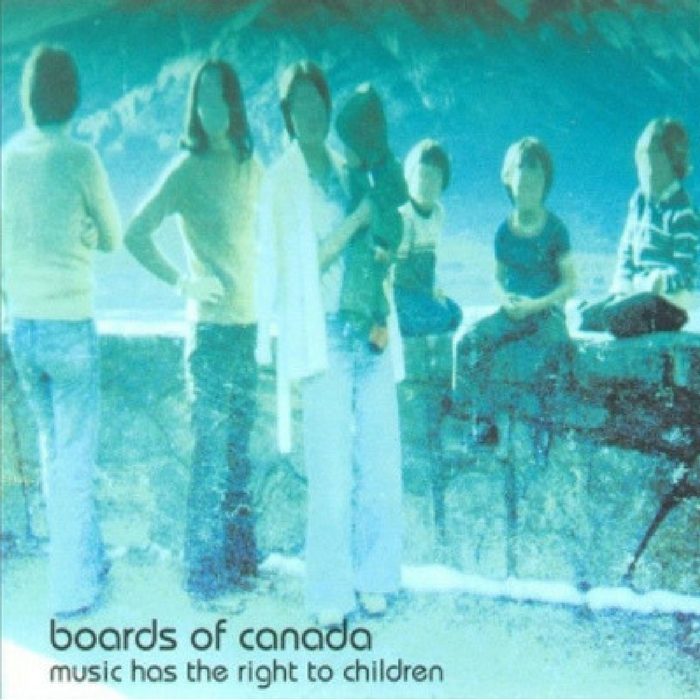
Music Has The Right To Children (Warp, 1998)

Boards of Canada Music Has The Right To Children

Where to begin with this epic slice of ambient experimentalism? This is the very best album in a sector that features quite a lot of nice albums from proficient artists – Eno anybody? Music Has The Right To Children is a heady mixture of electronica, area recordings and drones, with the assistance of luxurious beats. Then there’s the sound: the bass is low and thudding, samples crisp, and the ambiance ethereal and roomy.

Dr. Dre

2001 (Aftermath/Interscope, 1999)

Dr Dre 2001

We take Dr Dre opening this album with the THX ident as a press release of intent, and he doesn’t disappoint. Whether it’s one of many quite a few bangers contained inside its 70-minute working time or the extra soulful duets with the likes of Mary J Blige, 2001 rewards you with a sensational listening expertise. Voices, beats, orchestration – each a part of the recording is delivered in all its glory.

Bonnie ‘Prince’ Billy

I See A Darkness (Domino, 1999)

Bonny 'Prince' Billy I See A Darkness

Will Oldham’s first Bonnie ‘Prince’ Billy outing noticed him transfer from Lo-Fi to Hi-Fi, with the completely stunning I See A Darkness. The trick right here is, as is usually the case, easy music from primarily acoustic devices, nicely recorded. The result’s an album that sounds incredible, offering you a front-seat view inside Oldham’s troubled soul with this assortment of darkly humorous or just darkish tunes. Not a straightforward pay attention, however an enormously rewarding one.

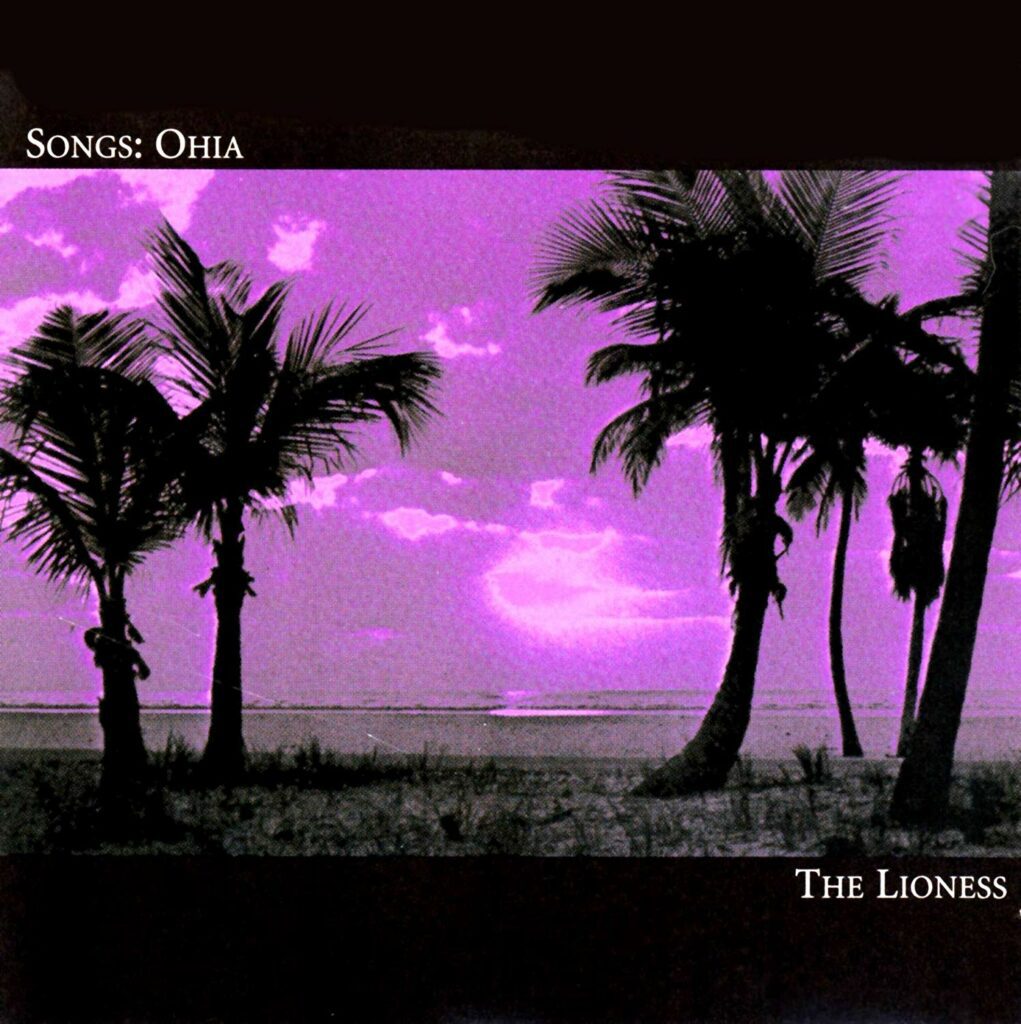
Songs: Ohio

The Lioness (Secretly Canadian, 2000)

Songs: Ohio The Lioness

There have been a number of Songs: Ohio contenders for this checklist, together with the Steve Albini produced Magnolia Electric Company, however there may be simply one thing particular about The Lioness that retains us coming again to it. It’s so clear, clear, and crisp. As the opening ‘The Black Crow’ begins you possibly can instantly sense the band members poised to affix in after the opening chorus. And when Jason Molina’s pained vocals take centre stage all of it comes collectively fantastically.

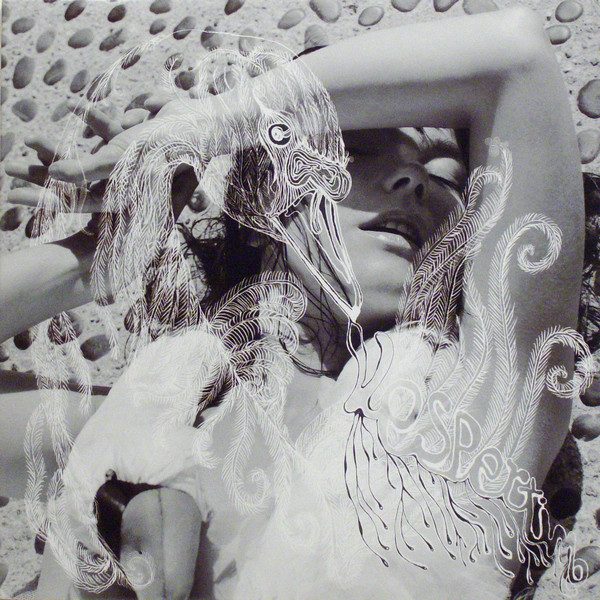
Björk

Vespertine (One Little Indian, 2001)

Bjork Vespertine

Björk is famed for her ardour for experimental audio; she chooses her collaborators with nice dexterity and clearly hates the concept of sitting nonetheless. Vespertine is a incredible instance of how these needs come collectively and ship a genuinely expectational recording. It’s complicated, multi-layered, and consistently attention-grabbing and each single element is faithfully revealed on this wonderful recording.

Low

Things We Lost In the Fire (Kranky, 2001)

Low Things We Lost In The Fire

Low’s fifth album was recorded at Steve Albini’s Electrical Audio studios in Chicago. A hold-out for analogue strategies and ‘pure reverberation’ from the rooms themselves, the studio acts as an additional member of the band right here, taking part in a large half within the sound. Things We Lost In the Fire catches Low at their, er, peak, with an epic drum sound and fantastically rendered double-handed vocals.

Lambchop

Is A Woman (City Slang, 2002)

Lambchop Is A Woman

This is a splendidly easy album, primarily piano-led, with occasional guitars and minimal percussion. Kurt Wagner’s unbelievable voice is all the time on the centre of issues and sounds goosebump-inducingly shut at occasions – he appears to whisper in your ear. The total impact is one among intimacy, with the performers shut at hand, nevertheless it’s well-recorded sufficient to by no means get oppressively claustrophobic, with high-quality separation and sound staging all through.

Johnny Cash

American IV: The Man Comes Around (American Recordings, 2002)

Johnny Cash American IV: The Man Comes Around

We’ve chosen the fourth album from the swansongs of Johnny Cash due to the discharge date and the standard of the songs, nevertheless it may have been any one among them. The final album he launched in his lifetime, American IV as soon as once more sees Cash delivering primarily sparse covers, sensitively helmed by Rick Rubin. The consequence manages to be each heart-warming and heart-wrenching and is a sensational listening expertise.

Godspeed You! Black Emperor

Yanqui U.X.O. (Constellation, 2002)

Godspeed You! Black Emperor Yanqui U.X.O.

This album is the one which divides followers of a band that divides critics. However, if you happen to get pleasure from well-recorded brooding menace and sudden dynamic explosions of drums and guitars, then it is a place you’ll really feel very snug. Yet one other Steve Albini-produced post-rock traditional, Yanqui U.X.O. was Godspeed You! Black Emperor’s third providing, and their final for a decade, and we love each second of it.

Audioslave

Audioslave (Sony, 2002)

Audioslave

Who doesn’t like a little bit of straight-up, in-your-face, well-recorded, expertly produced rock that includes Chris Cornell and most of Rage Against The Machine? Helmed by Rick Rubin, the eponymous Audioslave simply sounds BIG with its monster drum sound, gut-thumping bass and Tom Morello’s wonderful guitar work. But it’s the sadly departed Cornell’s vocals which might be the star of the present.

White Stripes

Elephant (Third Man Records, 2003)

White Stripes Elephant

Recorded in London’s Toe Rag Studios, the White Stripes’ fourth album Elephant marked a back-to-basics method for a duo that was already fundamental – and we imply that positively. The result’s often stark in its simplicity. Yes, it’s tough, and sure, it’s uncooked, however that’s as a result of it was speculated to be! If the opening one-two of ‘Seven Nation Army’ and ‘Black Math’ doesn’t instantly seize you, then we’d recommend checking your pulse.

Joanna Newsom

‘Ys’ (Drag City, 2006)

Joanna Newsom Ys

Joanna Newsom’s breakthrough album is a wide ranging work of musical maturity. Its recording course of is a who’s who of left-field high quality, with Van Dyke Parks producing and arranging, Steve Albini recording and lo-fi legend Jim O’Rourke mixing. Newsom’s distinctive vocals, backed primarily by her harp and strings sweep you away to sonic vistas you by no means know you wished to go to. It is dynamic and luxurious in equal measures, however 100 per cent participating.

Back to Music

The publish Modern recordings for contemporary audiophiles (Part One) appeared first on Hi-Fi+.
Modern recordings for contemporary audiophiles (Part One)

There are instances when it appears as if the ‘accepted’ canon of audiophile-quality recordings stopped round 1974. This is especially the case at hi-fi exhibits and demonstration periods, the place the identical outdated slabs of vinyl are slipped out of their sleeves many times. Don’t get me incorrect, they sound nice, and there are some crackers in there, however it may be soul-destroying.

It doesn’t should be this manner. There are a number of well-recorded, expertly produced albums obtainable to take heed to and revel in. Many of them recorded because the flip of the millennium. Plus, and that is the great bit, a variety of them are wonderful by way of music as nicely! They are belongings you would select to take heed to… for pleasure… which is, in spite of everything, the entire level of this ardour of ours.

Okay, let’s be frank, a variety of standard music has over the a long time been shoddily recorded, poorly mastered, and blended with all of the loudness turned up in order that it sounds thrilling on the radio – sure, we’re taking a look at you Oasis and Metallica. Still, there are various, many extra culprits.

That horrible behavior hasn’t contaminated the entire trade although, and there may be nonetheless sufficient well-recorded music obtainable to fulfill individuals of all tastes. And the odd factor is, it doesn’t appear to be a matter of cash or success that results in the creation of an ideal recording. In truth, as you’ll see from this checklist, a variety of the gems listed here are comparatively unknown artists, with albums that wouldn’t have troubled chart compilers. There are, nevertheless, producers and labels which have a behavior of frequently creating great-sounding music. People like Steve Albini – whose personal inventive output would most definitely not have instructed audiophile – and labels comparable to Secretly Canadian, which has launched a few of our favorite recordings through the years.

Another optimistic is that there are additionally many extra methods to take pleasure in audiophile-quality recordings than a decade in the past when CD was the dominant drive within the music trade, with MP3 because the younger – horrible sounding – pretender to the throne. Vinyl has made a welcome return, and along with the raft of latest releases on the format, file corporations have additionally seen the chance to make some extra money with new variations of recordings from their again catalogue. Okay, so we are able to all take a cynical take a look at this, but when it means I can now buy a 180g half-speed grasp for £30 of a recording that will have set me again the value of a small automobile beforehand then I’m all for it!

And then in fact there may be streaming. We’ve come a great distance since we had been restricted to the horror present that was the MP3 revolution. Now, most streaming companies supply high-resolution audio information. We may argue all day about what service is greatest – probably a debate for an additional function – however what can’t be ignored is that we now have high-quality entry to extra music than ever earlier than. And a variety of that music – sadly removed from all – is nicely recorded and sounds unbelievable.

So right here we now have our curated decide of a number of the best-sounding albums of the previous couple of a long time. This function offers with the flip of the century to the center of the noughties, and there are some absolute crackers in there. We hope you take pleasure in it and uncover some future favourites there. They are all streamable in high-resolution from one service or one other, and far of it’s obtainable on good-quality vinyl.

Boards of Canada

Music Has The Right To Children (Warp, 1998)

Boards of Canada Music Has The Right To Children

Where to begin with this epic slice of ambient experimentalism? This is one of the best album in a sector that features a variety of nice albums from proficient artists – Eno anybody? Music Has The Right To Children is a heady mixture of electronica, discipline recordings and drones, with the assistance of luxurious beats. Then there’s the sound: the bass is low and thudding, samples crisp, and the ambiance ethereal and roomy.

Dr. Dre

2001 (Aftermath/Interscope, 1999)

Dr Dre 2001

We take Dr Dre opening this album with the THX ident as a press release of intent, and he doesn’t disappoint. Whether it’s one of many quite a few bangers contained inside its 70-minute operating time or the extra soulful duets with the likes of Mary J Blige, 2001 rewards you with a sensational listening expertise. Voices, beats, orchestration – each a part of the recording is delivered in all its glory.

Bonnie ‘Prince’ Billy

I See A Darkness (Domino, 1999)

Bonny 'Prince' Billy I See A Darkness

Will Oldham’s first Bonnie ‘Prince’ Billy outing noticed him transfer from Lo-Fi to Hi-Fi, with the completely lovely I See A Darkness. The trick right here is, as is commonly the case, easy music from primarily acoustic devices, nicely recorded. The result’s an album that sounds unbelievable, offering you a front-seat view inside Oldham’s troubled soul with this assortment of darkly humorous or just darkish tunes. Not a simple pay attention, however an enormously rewarding one.

Songs: Ohio

The Lioness (Secretly Canadian, 2000)

Songs: Ohio The Lioness

There had been a number of Songs: Ohio contenders for this checklist, together with the Steve Albini produced Magnolia Electric Company, however there may be simply one thing particular about The Lioness that retains us coming again to it. It’s so clear, clear, and crisp. As the opening ‘The Black Crow’ begins you’ll be able to instantly sense the band members poised to hitch in after the opening chorus. And when Jason Molina’s pained vocals take centre stage all of it comes collectively fantastically.

Björk

Vespertine (One Little Indian, 2001)

Bjork Vespertine

Björk is famed for her ardour for experimental audio; she chooses her collaborators with nice dexterity and clearly hates the concept of sitting nonetheless. Vespertine is a unbelievable instance of how these needs come collectively and ship a genuinely expectational recording. It’s advanced, multi-layered, and consistently fascinating and each single element is faithfully revealed on this wonderful recording.

Low

Things We Lost In the Fire (Kranky, 2001)

Low Things We Lost In The Fire

Low’s fifth album was recorded at Steve Albini’s Electrical Audio studios in Chicago. A hold-out for analogue strategies and ‘pure reverberation’ from the rooms themselves, the studio acts as an additional member of the band right here, enjoying a large half within the sound. Things We Lost In the Fire catches Low at their, er, peak, with an epic drum sound and fantastically rendered double-handed vocals.

Lambchop

Is A Woman (City Slang, 2002)

Lambchop Is A Woman

This is a splendidly easy album, primarily piano-led, with occasional guitars and minimal percussion. Kurt Wagner’s unimaginable voice is at all times on the centre of issues and sounds goosebump-inducingly shut at instances – he appears to whisper in your ear. The general impact is one in all intimacy, with the performers shut at hand, nevertheless it’s well-recorded sufficient to by no means get oppressively claustrophobic, with effective separation and sound staging all through.

Johnny Cash

American IV: The Man Comes Around (American Recordings, 2002)

Johnny Cash American IV: The Man Comes Around

We’ve chosen the fourth album from the swansongs of Johnny Cash due to the discharge date and the standard of the songs, nevertheless it may have been any one in all them. The final album he launched in his lifetime, American IV as soon as once more sees Cash delivering primarily sparse covers, sensitively helmed by Rick Rubin. The outcome manages to be each heart-warming and heart-wrenching and is a sensational listening expertise.

Godspeed You! Black Emperor

Yanqui U.X.O. (Constellation, 2002)

Godspeed You! Black Emperor Yanqui U.X.O.

This album is the one which divides followers of a band that divides critics. However, in the event you take pleasure in well-recorded brooding menace and sudden dynamic explosions of drums and guitars, then this can be a place you’ll really feel very snug. Yet one other Steve Albini-produced post-rock traditional, Yanqui U.X.O. was Godspeed You! Black Emperor’s third providing, and their final for a decade, and we love each second of it.

Audioslave

Audioslave (Sony, 2002)

Audioslave

Who doesn’t like a little bit of straight-up, in-your-face, well-recorded, expertly produced rock that includes Chris Cornell and most of Rage Against The Machine? Helmed by Rick Rubin, the eponymous Audioslave simply sounds BIG with its monster drum sound, gut-thumping bass and Tom Morello’s wonderful guitar work. But it’s the sadly departed Cornell’s vocals which might be the star of the present.

White Stripes

Elephant (Third Man Records, 2003)

White Stripes Elephant

Recorded in London’s Toe Rag Studios, the White Stripes’ fourth album Elephant marked a back-to-basics method for a duo that was already primary – and we imply that positively. The result’s often stark in its simplicity. Yes, it’s tough, and sure, it’s uncooked, however that’s as a result of it was imagined to be! If the opening one-two of ‘Seven Nation Army’ and ‘Black Math’ doesn’t instantly seize you, then we’d recommend checking your pulse.

Joanna Newsom

‘Ys’ (Drag City, 2006)

Joanna Newsom Ys

Joanna Newsom’s breakthrough album is a panoramic work of musical maturity. Its recording course of is a who’s who of left-field high quality, with Van Dyke Parks producing and arranging, Steve Albini recording and lo-fi legend Jim O’Rourke mixing. Newsom’s distinctive vocals, backed primarily by her harp and strings sweep you away to sonic vistas you by no means know you wished to go to. It is dynamic and luxurious in equal measures, however 100 per cent partaking.

Back to Music

The publish Modern recordings for contemporary audiophiles (Part One) appeared first on Hi-Fi+.
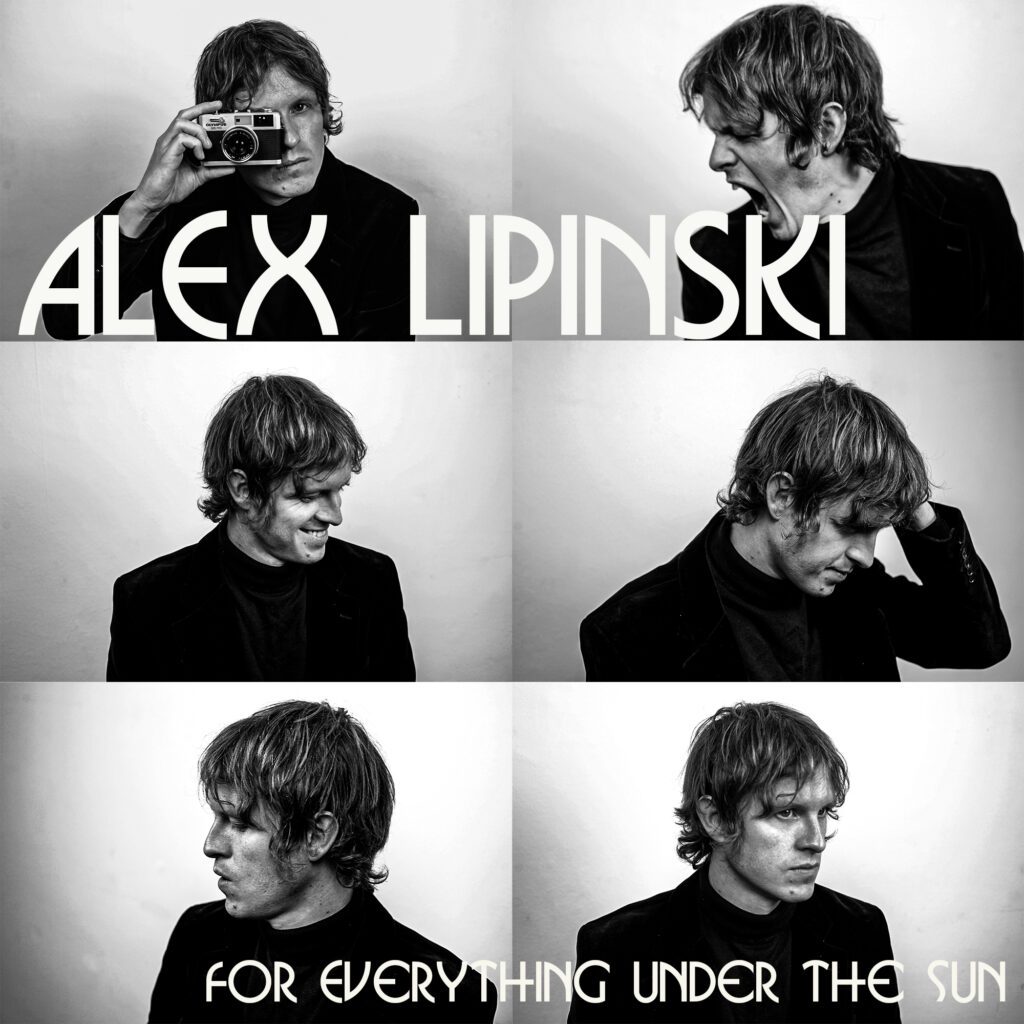
Music Interview: Alex Lipinski

For Everything Under The Sun, the new album by Alex Lipinski, could be the record that takes the West Country singer-songwriter into the big time.

The follow-up to 2017’s stripped-down Alex, which was made in Berlin with Anton Newcombe of The Brian Jonestown Massacre, it’s a strong set of full-band songs steeped in classic ‘60s and ‘70s rock, like The Beatles and Neil Young – Liam Gallagher would give his monobrow to have written some of them – but with a fresh, dynamic and modern feel.

It’s a big-sounding record, with hook-laden songs, lots of guitars, Mellotron, Hammond organ, piano, harmonies and cinematic strings.

‘Shelter’ and ‘Long Way To Go’ are moody epics that deserve to be heard ringing out in stadiums all over the world, ‘Hummingbird’ is atmospheric and folky, with wailing harmonica, the piano-led tearjerker, ‘Locked Down Loaded Blues’, would make a great Christmas single, ‘Coyote’ is dustbowl blues-meets-Brit-rock via L.A, with blaring brass, and the gorgeous ‘It’s Only Life’ has great, Abbey Road-style harmonies.

hi-fi+ was invited to a playback of the album in the studio where most of it was made, RYP Recordings, in Rayners Lane, North West London.

A few weeks later we spoke to Lipinski, who hails from Weston-super-Mare, in Somerset, and used to be in Phoneys & The Freaks with ex-Oasis member, Paul ‘Bonehead’ Arthurs, to get the lowdown on how the new songs were written and recorded.

SH: ‘Groundhog’ was the first single from the album – it’s also the opening song and it has a big sound. I like the loud drums and the Mellotron. It’s a bold way to start the record…

AL: It was never my intention to have it as a single, but after I listened back to it and thought about the order of the songs on the album, after about the fiftieth time, I thought ‘that could be a good single…’

It doesn’t really sound like the rest of the record, but it’s quite simple and catchy – I wrote it when I was playing at home. I had two chords, A and E minor, going back and forth, and I had a melody.

Alex Lipinski © Ruari Meehan

When we went into the first lockdown, I opened up the demo on my phone, wrote the lyrics in about 30 minutes and recorded it.

I had a kind of Byrds jangle sound in my head and it revolved around that, with a drum loop. I layered it with some Beach Boys harmonies – it has a very ‘60s feel to it, with a flute Mellotron part, and some organ.

The second single, ‘Long Way
To Go’, is great – I really like the guitar solo on it. I think Liam Gallagher would kill for that song, and also ‘Shelter…’

I did have a couple of songs in mind that I thought I might get Bonehead to send to him…

I really like the fact that both songs are pretty instant and hooky, they sound like singles…

I think ‘Long Way To Go’ is the most single-sounding song on the album. I’ve had it for a couple of years.

I had The Smiths as a reference point at one end and Crazy Horse at the other – I think it falls somewhere in the middle.

I wanted a dirty Crazy Horse feel to the guitar because it’s quite a vicious song – it’s about a young person looking at the world today and thinking, ‘what f***ing chance have I got?’

It deals with those kinds of themes, but it also offers some hope at the end, because there’s a longing to get out and break the cycle. It’s a great song to play live.

‘Shelter’ was initially going to be the first song on the record – it feels like an introduction to the album.

I wouldn’t say it’s a concept album, but there are certain characters and things on it that paint a sonic and visual landscape.

‘Shelter’ really starts that – it has a desert-rock feel to it. I was listening to Jonathan Wilson at the time and there are elements of Neil Young to it. The lyrics came from my subconscious, and they flowed really well.

It’s a big-sounding song – especially when we play it live. It’s also reprised on the last song on the album.

‘Coyote’ also has a desert-rock/dustbowl feel – it stands out on the album. Where did that song come from?

I was in L.A with Bonehead – we were playing a couple of shows out there. We’d had a few drinks on the flight, then we got taken straight to our apartment – we got picked up by a guy called Kav, who used to be in The Happy Mondays.

He dumped us there and then we all went straight out. I hadn’t slept for 24 hours – I was almost falling asleep – and I was drunk.

At about 2am, I came out of a toilet and Bonehead had smashed his head open – he slipped and fell against a cigarette machine.

There was blood everywhere – we got thrown out onto the street and we had to get an ambulance.

Kav told me to get a cab back to the apartment, but when I was dropped there, I realised it was a massive complex and all the apartments looked the same.

I had the number of the apartment, but I spent an hour looking for it, and then a pack of wild coyotes came out of the park, walked up to me and just stared… but they took pity on me and walked off. A few seconds later I found my apartment.

That image has been etched in my memory – it haunts me at night sometimes.

The song was inspired by that – it has a hazy, hallucinogenic, drunk and jetlagged feel. It goes from Delta blues to a full-band, with a trumpet fanfare – the second part has more of a British feel.

I can remember hearing you playing ‘Locked Down Loaded Blues’ in an online concert during the early days of lockdown…

It was actually written a year or so before then – it was just a coincidence. It has nothing to do with lockdown.

I had it as a home demo and I’d arranged the strings, but it felt a bit throwaway – I didn’t know if it was a good song. But I went back to it during lockdown, listened to it again and thought it was OK. It’s one of the oldest songs on the album.

When you first heard it, [at the album playback, in the studio], you said to me it should’ve been a Christmas single – but the album’s out in May. Maybe next Christmas…

Was lockdown productive for you?

Yes. For some of my friends who are musicians, it went the other way, but I got lucky, I guess. The minute I stopped playing gigs, I had time at home to write, read and listen to music.

Ninety percent of the songs for the album weren’t written before lockdown, so I wrote a few more and finished it off. Lockdown lit a spark.

I had no plans to record, but I spoke to Michael Smith [producer] and I told him I had these songs…

We’d been meaning to work together for the past 10 years, but it never happened, for one reason or another. It was the perfect opportunity to take stock – to not rush things, but to get comfortable with the songs at home, with no pressure to get something out there.

From a selfish point of view, I really enjoyed a lot of lockdown.

Let’s talk about recording the album and working with Michael Smith. How was that?

He’s great – he’s on the same musical wavelength as me, in terms of our reference points and what we’re into.

He was impressed by the demos I sent him, and we talked about how we wanted them to sound.

Alex and Michael Smith © Ruari Meehan

I brought the band into the studio piece by piece, with the rhythm section first, then the guitars and everything else.

Michael really works the band – they do a lot of takes and then he finds the best one. The band will be cooking on gas, and he’ll capture it.

It’s the first time I’ve had a proper producer, in that he’ll listen to all the nuances.

I had the arrangements in place, but he would think about certain tweaks and dynamics, which really made a difference, especially vocally.

He’s as passionate about it as I am, so he’ll go over it with a magnifying glass.

Ninety percent of the album was recorded in RYP, but we did the piano parts at Woodworm, in Oxfordshire.

It’s very different to how you made your previous album, Alex, which was recorded in six hours, in Berlin, with Anton Newcombe…

Completely different. The last one captured the imperfections and all the mistakes – Anton had in his mind that it should sound like a ‘60s folk live record.

With this one, we made sure everything sounded good before we went in and we got the performances right. We let everything breathe – the space in-between the notes. I can’t imagine working with anyone other than Michael for the next record. It just works and we’re good friends.

Did you have a definite idea of what you wanted the record to sound like?

I had a vision on certain songs. I wanted the drums on ‘Gigolo Jesus’ to sound like the drums on Beck’s Sea Change album.

The challenge was getting all the different reference points on individual songs to sound like something complete.

Michael deserves a lot of credit for that – he took all this stuff from the past and made it sound modern. I think it really works.

‘Hummingbird’ is one of the more stripped-down songs. It feels quite like some of the stuff from your second album…

Definitely. This album is transitional, in the sense that it has a full band on it. It’s different to my last record and it has lots of shades to it – light and dark – but ‘Hummingbird’ works well and it’s still part of the same atmosphere as the other songs.

The final track on the album, ‘Closing Time’, takes some unexpected twists and turns – it’s like three songs in one.

It starts stripped-down, then rocks out and ends up with some East End pub piano…

I had the first part written, which is stripped-down folk/Americana, and then I had another idea, which was the big outro, but I didn’t know how the two could go together, so I used a reprise of ‘Shelter.’ It’s triumphant.

The album has a definite start and end – I like that.

There’s a definite Beatles influence to several of the songs on the new record, like ‘Gigolo Jesus’ and ‘It’s Only Life.’ Was that a conscious decision?

It wasn’t. My songwriting all stems from the subconscious, but when you’ve grown up with The Beatles, they will always be there. There are some elements of that on the album – melodies and harmonies.

Have you watched the Get Back documentary?

Yes – it’s amazing. I’m a Beatles nut – it’s like you’re hanging out with them for eight hours and it dispels that myth that they all hated each other at that time.

It’s great to see how their songs were worked out and it highlights the fact that they were actually normal people and down to earth, even though they were the biggest stars on the planet.

For Everything Under The Sun is available on Mia Casa Music.

All photos © Ruari Meehan

alexlipinski.co.uk

Back to Music

The post Music Interview: Alex Lipinski appeared first on Hi-Fi+.
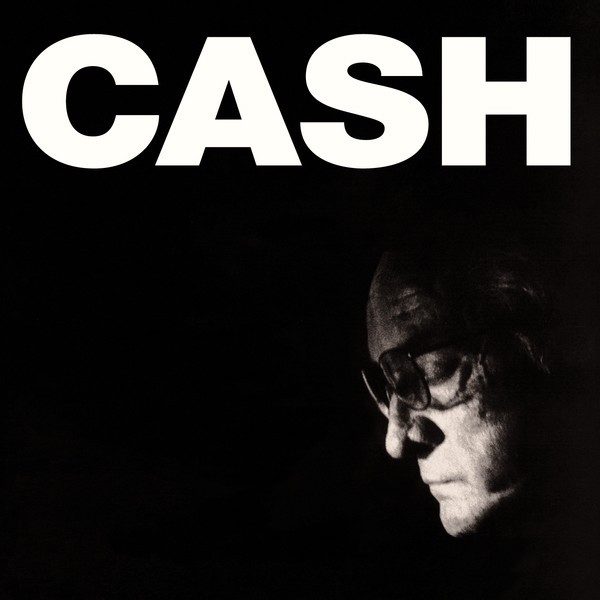
Music Interview: Alex Lipinski

For Everything Under The Sun, the new album by Alex Lipinski, could be the record that takes the West Country singer-songwriter into the big time.

The follow-up to 2017’s stripped-down Alex, which was made in Berlin with Anton Newcombe of The Brian Jonestown Massacre, it’s a strong set of full-band songs steeped in classic ‘60s and ‘70s rock, like The Beatles and Neil Young – Liam Gallagher would give his monobrow to have written some of them – but with a fresh, dynamic and modern feel.

It’s a big-sounding record, with hook-laden songs, lots of guitars, Mellotron, Hammond organ, piano, harmonies and cinematic strings.

‘Shelter’ and ‘Long Way To Go’ are moody epics that deserve to be heard ringing out in stadiums all over the world, ‘Hummingbird’ is atmospheric and folky, with wailing harmonica, the piano-led tearjerker, ‘Locked Down Loaded Blues’, would make a great Christmas single, ‘Coyote’ is dustbowl blues-meets-Brit-rock via L.A, with blaring brass, and the gorgeous ‘It’s Only Life’ has great, Abbey Road-style harmonies.

hi-fi+ was invited to a playback of the album in the studio where most of it was made, RYP Recordings, in Rayners Lane, North West London.

A few weeks later we spoke to Lipinski, who hails from Weston-super-Mare, in Somerset, and used to be in Phoneys & The Freaks with ex-Oasis member, Paul ‘Bonehead’ Arthurs, to get the lowdown on how the new songs were written and recorded.

SH: ‘Groundhog’ was the first single from the album – it’s also the opening song and it has a big sound. I like the loud drums and the Mellotron. It’s a bold way to start the record…

AL: It was never my intention to have it as a single, but after I listened back to it and thought about the order of the songs on the album, after about the fiftieth time, I thought ‘that could be a good single…’

It doesn’t really sound like the rest of the record, but it’s quite simple and catchy – I wrote it when I was playing at home. I had two chords, A and E minor, going back and forth, and I had a melody.

Alex Lipinski © Ruari Meehan

When we went into the first lockdown, I opened up the demo on my phone, wrote the lyrics in about 30 minutes and recorded it.

I had a kind of Byrds jangle sound in my head and it revolved around that, with a drum loop. I layered it with some Beach Boys harmonies – it has a very ‘60s feel to it, with a flute Mellotron part, and some organ.

The second single, ‘Long Way
To Go’, is great – I really like the guitar solo on it. I think Liam Gallagher would kill for that song, and also ‘Shelter…’

I did have a couple of songs in mind that I thought I might get Bonehead to send to him…

I really like the fact that both songs are pretty instant and hooky, they sound like singles…

I think ‘Long Way To Go’ is the most single-sounding song on the album. I’ve had it for a couple of years.

I had The Smiths as a reference point at one end and Crazy Horse at the other – I think it falls somewhere in the middle.

I wanted a dirty Crazy Horse feel to the guitar because it’s quite a vicious song – it’s about a young person looking at the world today and thinking, ‘what f***ing chance have I got?’

It deals with those kinds of themes, but it also offers some hope at the end, because there’s a longing to get out and break the cycle. It’s a great song to play live.

‘Shelter’ was initially going to be the first song on the record – it feels like an introduction to the album.

I wouldn’t say it’s a concept album, but there are certain characters and things on it that paint a sonic and visual landscape.

‘Shelter’ really starts that – it has a desert-rock feel to it. I was listening to Jonathan Wilson at the time and there are elements of Neil Young to it. The lyrics came from my subconscious, and they flowed really well.

It’s a big-sounding song – especially when we play it live. It’s also reprised on the last song on the album.

‘Coyote’ also has a desert-rock/dustbowl feel – it stands out on the album. Where did that song come from?

I was in L.A with Bonehead – we were playing a couple of shows out there. We’d had a few drinks on the flight, then we got taken straight to our apartment – we got picked up by a guy called Kav, who used to be in The Happy Mondays.

He dumped us there and then we all went straight out. I hadn’t slept for 24 hours – I was almost falling asleep – and I was drunk.

At about 2am, I came out of a toilet and Bonehead had smashed his head open – he slipped and fell against a cigarette machine.

There was blood everywhere – we got thrown out onto the street and we had to get an ambulance.

Kav told me to get a cab back to the apartment, but when I was dropped there, I realised it was a massive complex and all the apartments looked the same.

I had the number of the apartment, but I spent an hour looking for it, and then a pack of wild coyotes came out of the park, walked up to me and just stared… but they took pity on me and walked off. A few seconds later I found my apartment.

That image has been etched in my memory – it haunts me at night sometimes.

The song was inspired by that – it has a hazy, hallucinogenic, drunk and jetlagged feel. It goes from Delta blues to a full-band, with a trumpet fanfare – the second part has more of a British feel.

I can remember hearing you playing ‘Locked Down Loaded Blues’ in an online concert during the early days of lockdown…

It was actually written a year or so before then – it was just a coincidence. It has nothing to do with lockdown.

I had it as a home demo and I’d arranged the strings, but it felt a bit throwaway – I didn’t know if it was a good song. But I went back to it during lockdown, listened to it again and thought it was OK. It’s one of the oldest songs on the album.

When you first heard it, [at the album playback, in the studio], you said to me it should’ve been a Christmas single – but the album’s out in May. Maybe next Christmas…

Was lockdown productive for you?

Yes. For some of my friends who are musicians, it went the other way, but I got lucky, I guess. The minute I stopped playing gigs, I had time at home to write, read and listen to music.

Ninety percent of the songs for the album weren’t written before lockdown, so I wrote a few more and finished it off. Lockdown lit a spark.

I had no plans to record, but I spoke to Michael Smith [producer] and I told him I had these songs…

We’d been meaning to work together for the past 10 years, but it never happened, for one reason or another. It was the perfect opportunity to take stock – to not rush things, but to get comfortable with the songs at home, with no pressure to get something out there.

From a selfish point of view, I really enjoyed a lot of lockdown.

Let’s talk about recording the album and working with Michael Smith. How was that?

He’s great – he’s on the same musical wavelength as me, in terms of our reference points and what we’re into.

He was impressed by the demos I sent him, and we talked about how we wanted them to sound.

Alex and Michael Smith © Ruari Meehan

I brought the band into the studio piece by piece, with the rhythm section first, then the guitars and everything else.

Michael really works the band – they do a lot of takes and then he finds the best one. The band will be cooking on gas, and he’ll capture it.

It’s the first time I’ve had a proper producer, in that he’ll listen to all the nuances.

I had the arrangements in place, but he would think about certain tweaks and dynamics, which really made a difference, especially vocally.

He’s as passionate about it as I am, so he’ll go over it with a magnifying glass.

Ninety percent of the album was recorded in RYP, but we did the piano parts at Woodworm, in Oxfordshire.

It’s very different to how you made your previous album, Alex, which was recorded in six hours, in Berlin, with Anton Newcombe…

Completely different. The last one captured the imperfections and all the mistakes – Anton had in his mind that it should sound like a ‘60s folk live record.

With this one, we made sure everything sounded good before we went in and we got the performances right. We let everything breathe – the space in-between the notes. I can’t imagine working with anyone other than Michael for the next record. It just works and we’re good friends.

Did you have a definite idea of what you wanted the record to sound like?

I had a vision on certain songs. I wanted the drums on ‘Gigolo Jesus’ to sound like the drums on Beck’s Sea Change album.

The challenge was getting all the different reference points on individual songs to sound like something complete.

Michael deserves a lot of credit for that – he took all this stuff from the past and made it sound modern. I think it really works.

‘Hummingbird’ is one of the more stripped-down songs. It feels quite like some of the stuff from your second album…

Definitely. This album is transitional, in the sense that it has a full band on it. It’s different to my last record and it has lots of shades to it – light and dark – but ‘Hummingbird’ works well and it’s still part of the same atmosphere as the other songs.

The final track on the album, ‘Closing Time’, takes some unexpected twists and turns – it’s like three songs in one.

It starts stripped-down, then rocks out and ends up with some East End pub piano…

I had the first part written, which is stripped-down folk/Americana, and then I had another idea, which was the big outro, but I didn’t know how the two could go together, so I used a reprise of ‘Shelter.’ It’s triumphant.

The album has a definite start and end – I like that.

There’s a definite Beatles influence to several of the songs on the new record, like ‘Gigolo Jesus’ and ‘It’s Only Life.’ Was that a conscious decision?

It wasn’t. My songwriting all stems from the subconscious, but when you’ve grown up with The Beatles, they will always be there. There are some elements of that on the album – melodies and harmonies.

Have you watched the Get Back documentary?

Yes – it’s amazing. I’m a Beatles nut – it’s like you’re hanging out with them for eight hours and it dispels that myth that they all hated each other at that time.

It’s great to see how their songs were worked out and it highlights the fact that they were actually normal people and down to earth, even though they were the biggest stars on the planet.

For Everything Under The Sun is available on Mia Casa Music.

All photos © Ruari Meehan

alexlipinski.co.uk

Back to Music

The post Music Interview: Alex Lipinski appeared first on Hi-Fi+.

Music Interview: Steven Price

Academy Award-winning British film composer, Steven Price, has worked on major movies including Gravity, Baby Driver and, most recently, innovative director Edgar Wright’s brilliant psychological thriller-meets-horror-film-meets-Swinging-‘60s-drama, Last Night In Soho.

Rather fittingly, hi-fi+ caught up with him in Soho, at the legendary Groucho Club, where he was working with Bowers & Wilkins to promote the brand’s new Dolby Atmos soundbar, Panorama 3, which launched in March, 2022.

We talked about how his music helps to tell the story of what a film director has in mind and how immersive audio technology has changed the way he works.

SH: Last Night In Soho is partly set in the ‘60s. The soundtrack has pop songs from that era on it, and also your takes on them, but some of the action occurs in a contemporary setting. How did you approach the score, as it had to work for both of those periods?

SP: That’s what’s so fun about Edgar Wright’s films. A lot of directors just use one song and that’s it, but with us the song is the starting point and we reinterpret it.

In Last Night In Soho, there are Cilla Black and Sandie Shaw songs that we ripped apart and then put back in a different order.

On one of the two versions of the soundtrack LP available, there’s an unsettling, psychedelic reinterpretation of ‘(There’s) Always Something There To Remind Me’…

It’s my ‘Revolution 9’ tribute. Everything is used as a reason for the story – I’m often playing along with it and using it to lead into the score to help whatever story Edgar is trying to tell.

With Last Night In Soho, it’s the idea of the 1960s being this glorious thing we all look back on – the good old days – but the story – the history – has leaked through into the life of a girl in the present day, so by the end of the film, it has dissolved and become a grotesque thing.

The score was a device that took some of those songs and instrumentation but made it evolve into something that was basically a nightmare – it was all intertwined.

I started writing the music early on, so it was incorporated into the edit from the start and the two of just chipped away at it, sending things back and forth.

As we go through different editorial stages, I give them music and they might change the cut, so it comes back to me. Gradually the final shape comes together.

I’ve worked with Edgar for a long time, so I was on the set and I was writing suites just off the basis of the script.

I also went to the studio a few times to work with [actress] Anya [Taylor-Joy], who sings on the score. She’s amazing and her character’s siren song is being sung through the ages.

What were your influences for the soundtrack? I’m guessing your brief was ‘60s pop: Petula Clark, Sandie Shaw, Dusty Springfield?

Yes, but also film scores. I listened to a lot of John Barry and Ennio Morricone. We also talked about John Carpenter very early on. There were a lot of references.

Edgar’s very good – you always know his influences and what’s he watching at the time. You put all these things together and gradually it becomes something else – it evolves.

Your score for Last Night In Soho is often minimalist, but some of the tracks have dramatic strings and brass. It’s an interesting mix of styles, which makes it a great soundtrack. It doesn’t sound like a ‘60s pastiche, which could’ve been quite easy to do…

The whole film is about the idea of memory and how the ‘60s wasn’t that great – it’s a distorted memory, so any ‘60s references I made in the music had to be broken up.

There were loads of things based on the concept of tape loops because the film is a time loop – the music incorporates all these elements of dialogue, and, as the loop degrades, it becomes distorted and messy. There were lots of taking things and melting them.

There are some great moments in the film, musically and visually, like when one of the central female characters, Eloise, first steps into ‘60s London and sees the West End, or when we first see the Café de Paris…

The first 20 minutes of the film are all in mono, but when the character goes into the ‘60s and everything opens up, we opened up the whole sound field, to the extent that I went to Abbey Road and recorded the strings and brass for ‘You’re My World’ all over again, so we could take it from being a record to a live experience.

It’s immersive sound – you go into the Café de Paris and it’s as if the band are in the room next door.

You mentioned immersive sound. How has audio technology like Dolby Atmos changed how you work?

I think it’s one of the great unexplored areas of filmmaking. There are lots of films that surround you with sound, but there aren’t a lot that use it for story reasons.

In Gravity, the sound was a massive ‘character’ in the film and the music moved around you – I was proud of that.

Surround sound is the future – it’s a whole story based around sound, which is why I think products like soundbars are worth supporting.

It gives people a taste of what we’re doing – you can hear the detail we’re putting into soundtracks that are designed for a theatre, in the home, in a way that you won’t get from a PC or a phone.

Where did you record the Last Night In Soho soundtrack? Was it all done at Abbey Road?

The majority of it, including the orchestral parts, was recorded at Abbey Road, but we also did some bits at British Grove, in Chiswick (West London), and the vocals were done at my studio, in Surrey.

It was all done over a long period of time and we were interrupted by COVID – the whole thing got delayed by six months, which was great, actually, because we got to come back to it with fresh eyes.

Was Last Night In Soho fun to work on?

All of Edgar’s film are. It was exciting and it makes you wonder what the hell he might do next. There are moments of cinema in Last Night In Soho that are wonderful. It’s a departure for him, but you can see him in it – he has a real voice.

On a film like Last Night In Soho, or Baby Driver, your score has to complement a playlist of other songs…

It’s connective tissue, but hopefully you’re doing an emotional job – that’s the way I think of it. The whole soundtrack has to feel like it’s rolling on and when we get it right, it feels like a momentum that’s taking you from each scene to each scene – sometimes we have to chip away at it for a long time to get that.

Edgar’s films are fascinating because he has such an interest in music and you know that it’s going to be heard.

In the ‘90s and the early noughties, film soundtracks were often dominated by lots of contemporary songs – the actual score felt less important. Do you think we’re seeing a return to those classic film soundtrack scores of the ‘60s and the ‘70s?

When scores could be unique? Yes – it’s an exciting time. People are embracing things that are different. Filmmakers and directors are really keen to have something that feels unique to their film.

When I first met Alfonso Cuarón, who directed Gravity, his first words to me were: ‘I don’t really like film music, so what are we going to do about that, then?’

I had to work out what we wanted to feel – anything that felt like film music wasn’t going to fly.

A lot of my scores involve original sounds that I make – I create my own instruments and play those. That’s the fun bit for me – how you can make a film sound unlike any other film. That’s my aim.

The soundtrack album for Last Night In Soho is available now on Mondo/Back Lot Music.
https://mondoshop.com/

Bowers & Wilkins’s new Panorama 3 Dolby Atmos soundbar is available from the brand’s website and select retailers.
bowerswilkins.com/new-panorama3

Back to Music

The post Music Interview: Steven Price appeared first on Hi-Fi+.