Author Archives: Ken Micallef

Yamaha Brings Multiple Debuts to AXPONA

In what’s a primary for this reporter however certainly not for the model, Yamaha introduced quite a lot of selection elements to Chicago, offered by Yamaha advertising and marketing supervisor Rebecca Lynn (above) and a number of other staff from Yamaha Japan.


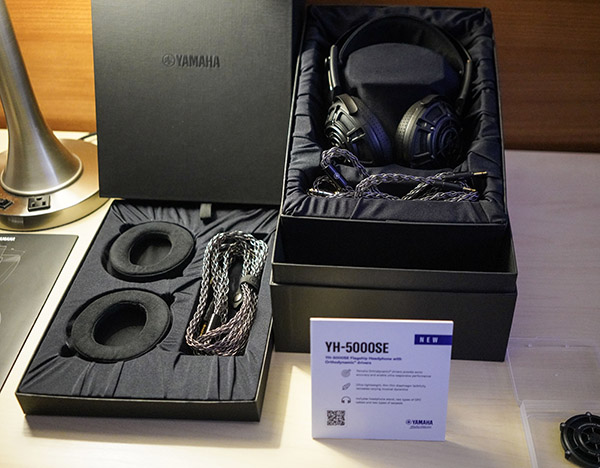
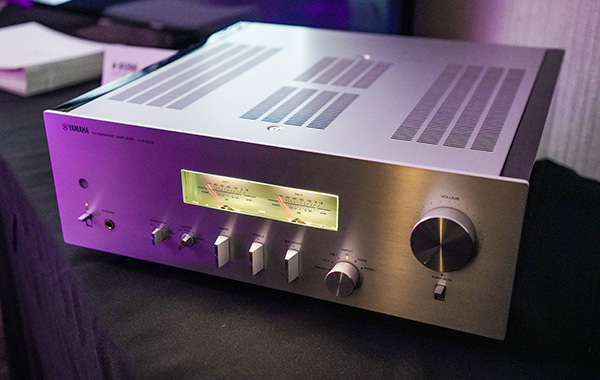
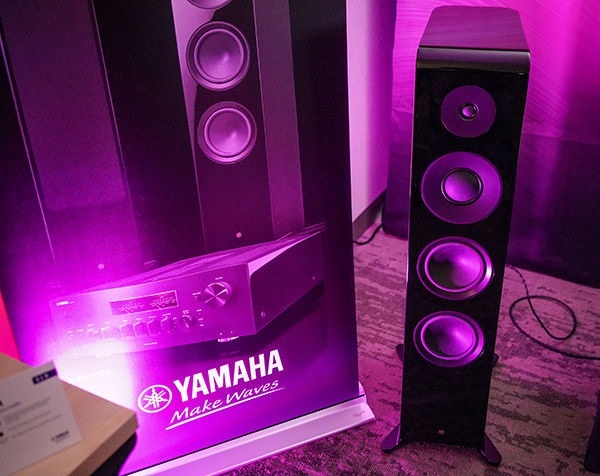
On static show, the 136-year previous firm launched new merchandise, together with the YH-5000SE Open-back wired Orthodynamic® headphones ($4999), RN2000A Network Receiver ($3999), legacy A-S3200 and A-S2200 built-in amplifiers, new HA-L7A USB DAC headphone amplifier (worth unavailable), and prototype NS-2000A floorstanding loudspeakers ($7998/pair).


The RN2000A Network Receiver features a toroidal transformer, ESS Sabre ES9026PRO Ultra DAC which helps DSD 11.2MHz native playback and 384kHz PCM playback, “Floating and balanced energy amplifier and symmetrical building (states the web site),” and MusicCast streaming, in a solid-looking package deal that gives 90Wpc into 8 ohms; 145Wpc into 4 ohms.


The NS-2000A loudspeaker (88dB sensitivity and 6 ohms impedance) is a 3-way, 4-unit system (1″ dome tweeter, 3¼” dome midrange unit, two 6½” woofers), together with a “newly developed diaphragm fabricated from a mix of supplies, together with Zylon® and spruce,” cupboard building designed with vibration evaluation know-how first employed in Yamaha musical devices, Yamaha-patented Acoustic Absorber optimized for the NS-2000A, and Yamaha’s patented R.S. (Resonance Suppression) Chamber stated to suppress undesirable resonances.


Though not labeled “Natural Sound” as in years previous, the brand new Yamaha elements sported a traditional look and smooth-feeling controls, recalling certainly one of my first hi-fi buys as a NC teenager, when previous to upgrading, Yamaha elements spelled pleasure of possession, in spades.

Yamaha Brings Multiple Debuts to AXPONA

In what’s a primary for this reporter however certainly not for the model, Yamaha introduced quite a lot of alternative parts to Chicago, offered by Yamaha advertising and marketing supervisor Rebecca Lynn (above) and several other staff from Yamaha Japan.


On static show, the 136-year previous firm launched new merchandise, together with the YH-5000SE Open-back wired Orthodynamic® headphones ($4999), RN2000A Network Receiver ($3999), legacy A-S3200 and A-S2200 built-in amplifiers, new HA-L7A USB DAC headphone amplifier (value unavailable), and prototype NS-2000A floorstanding loudspeakers ($7998/pair).


The RN2000A Network Receiver features a toroidal transformer, ESS Sabre ES9026PRO Ultra DAC which helps DSD 11.2MHz native playback and 384kHz PCM playback, “Floating and balanced energy amplifier and symmetrical development (states the web site),” and MusicCast streaming, in a solid-looking package deal that provides 90Wpc into 8 ohms; 145Wpc into 4 ohms.


The NS-2000A loudspeaker (88dB sensitivity and 6 ohms impedance) is a 3-way, 4-unit system (1″ dome tweeter, 3¼” dome midrange unit, two 6½” woofers), together with a “newly developed diaphragm product of a mix of supplies, together with Zylon® and spruce,” cupboard development designed with vibration evaluation expertise first employed in Yamaha musical devices, Yamaha-patented Acoustic Absorber optimized for the NS-2000A, and Yamaha’s patented R.S. (Resonance Suppression) Chamber stated to suppress undesirable resonances.


Though now not labeled “Natural Sound” as in years previous, the brand new Yamaha parts sported a traditional look and smooth-feeling controls, recalling one among my first hi-fi buys as a NC teenager, when previous to upgrading, Yamaha parts spelled delight of possession, in spades.

Mytek Meets Chicago

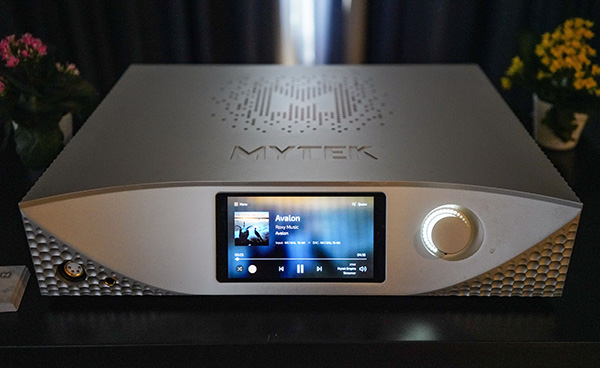
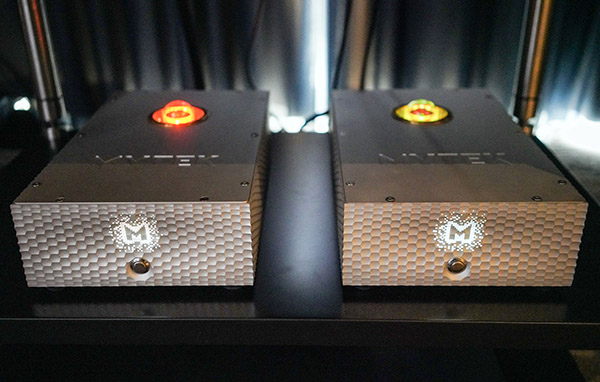
Michal Jurewicz, Mytek CEO and designer, of Greenpoint, Brooklyn, introduced new and not-so-new tools to AXPONA. The “Tall Wizard” had two rooms, one together with the Mytek Empire Streamer (at present with Editor Jim Austin, for evaluation, $25,000), new GaNFET-powered Empire monoblocks (400Wpc/800Wpc into 4 ohms; $20,000/pair), and his very personal pair of Nineteen Nineties-era JM Labs Point Source 5.1s standmount displays with JM Labs PS 10 twin subwoofers. ArgentPur cabling was used all through.


When Jurewicz fired up the Empire Streamer (above) and Empire monoblocks (beneath), taking part in Roxy Music’s Avalon, it was barely sufficient to wake me from an un-fitful night time’s sleep. So, I requested him to pump up the amount. Now Andy Newmark’s epic drumming quaked in a groove as broad as Kansas. The room stuffed with Avalon‘s nonetheless mysterious magic.


Using Tidal/Qobuz, streaming Exotic Dances from Rimsky-Korsakov’s Opera Snegurochka “(The Snow Maiden),” the orchestral whirlwind loomed massive scale and highly effective, with particularly relaxed, hovering highs and meaty nether areas. Excellent decision, tremendous clear highs, dense physicality and power had been all evident from this pint-sized hi-fi rig.


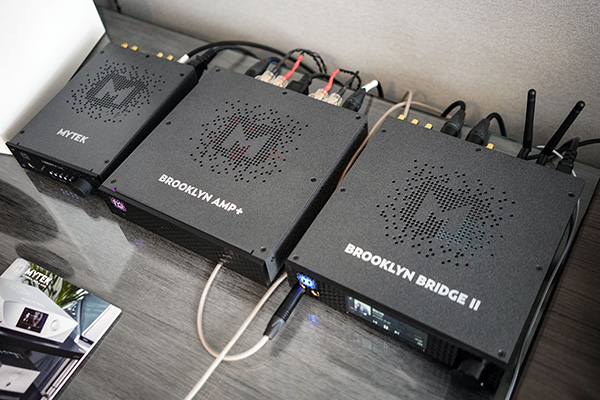
In the smaller room, the brand new Mytek Brooklyn Bridge II ($4000), was linked to a Mytek Liberty DAC, VPI Scout Junior turntable, HiFiMan HE1000SE headphones ($3499), and Mytek Brooklyn Amp+ ($2495), powering a pair of Totem Signature One loudspeakers. The Brooklyn Bridge II basically has the performance of a Roon Core CPU mixed with excessive efficiency DAC, 6W excessive present headphone amp, phono-stage and devoted preamp. Pint-sized energy!

The Kuzma CAR-30 MC Cartridge Is a Smooth Performer That Offers Transparent Performance, Stacking It Up Quite Nicely Against The Competition

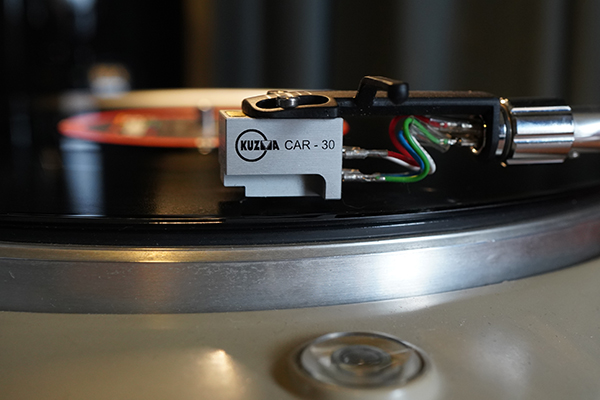
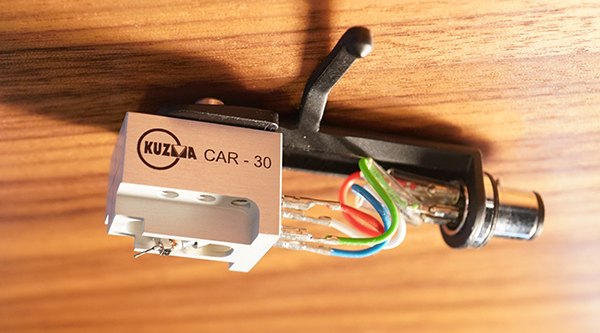
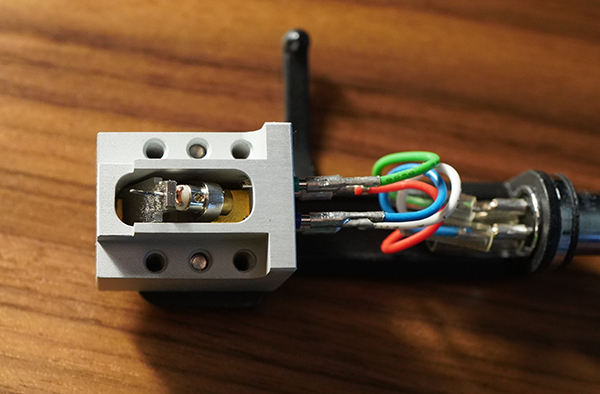
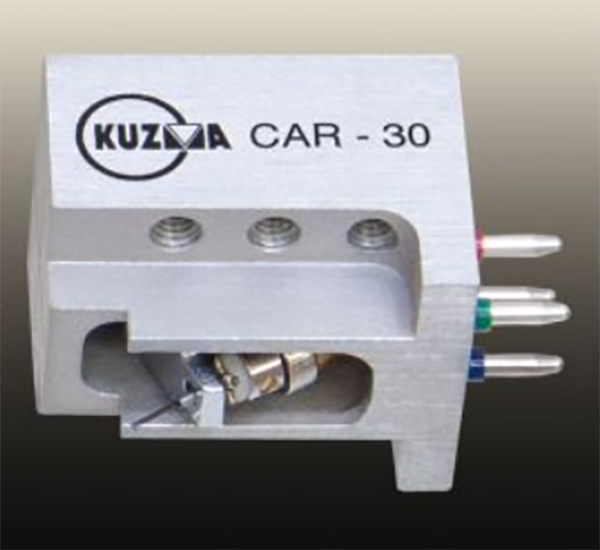
The Kuzma household of transferring coil cartridges is such a tremendous sight to see. For the document, there are six lookalike cartridges within the Slovenian-made Kuzma MC cartridge lineup. Four of the six Kuzma carts use the identical gray-colored, aluminum-alloy physique that’s block-shaped by nature, and never dissimilar to the cranium of a type of traditional purple and blue Rock ’Em Sock ’Em Robots from the times of yore — look ’em up, should you’re not acquainted — and, in reality, two of them on the higher-end of the SRP spectrum, the CAR-50 ($7,995) and CAR-60 ($17,500), are blue and purple, respectively. For cartridges at that SRP degree, the least Kuzma can do is provide them in several colours, proper?

For comparability, the Kuzma CAR-30, our titular overview topic, has an SRP of $2,950. The Kuzma lineup that surrounds it consists of the CAR-20 and CAR-20H on the marginally cheaper price finish (each are $2,500), with the CAR-40 ($3,700) and the aforementioned CAR-50 ($7,995) and CAR-60 ($17,500) all on the different finish of the associated fee scale. The specs for every of those six Kuzma MC cartridges are comparatively comparable — however, that being stated, starting with the CAR-30, adjustments embody a micro ridge stylus and boron cantilever materials.

 0412.23.aprevkuzma5.jpg

I discovered the inclusion of a micro ridge stylus with the CAR-30 to be fairly fascinating, so I hit the intrawebs to perform a little research after Kuzma importer Scot Markwell of Elite Audio Video provided me with some primary data.

The micro ridge stylus is claimed to be of the same form as that utilized in a reducing lathe, affording the best element and retrieval of data within the remaining product.
“Micro Ridge is [a] very distinctive stylus which is polished into an uncommon form,” states the Dynavector website. “It [provides] microscopic curvature of contact floor with records. This [means the] Micro Ridge Stylus doesn’t change the contact radius by put on after lengthy taking part in time. At the identical time, this curvature has a radius of solely 2 microns. Due to this small determine, the replica sounds have very excessive definition, large dynamic vary, and low distortion. Combined with minimal dispersion concept [and] low equal transferring mass, the brand new stylus will present new features [information] within the replica sounds.”

Meanwhile, Hi-Fi Advice presents the next: “Patented by Namiki of Japan in 1983, the MicroRidge is a really complicated form that has been made potential solely through the use of laser-cutting strategies. The MicroRidge stylus virtually precisely duplicates the form of the reducing stylus that produces the unique grasp disc on the vinyl urgent plant.”

 0412.23.aprevkuzma8.jpg

The micro ridge profile (we’re referencing it in lowercase right here) is just like that of a line-contact stylus, its tiny, ridged stylus protecting only some microns of contact with the groove partitions. The radius of the vertical contact differs between manufacturers, however, typically, micro ridge styluses cowl a equally giant contact space as the road contact stylus.

“The microridge form additionally wears extra evenly, tremendously extending document and stylus life,” acknowledged HiFi Advice. “Microridge styluses present extra correct monitoring than different variants with much more detailed high-frequency retrieval and significantly decrease distortion than even a Shibata or Fine Line stylus.”

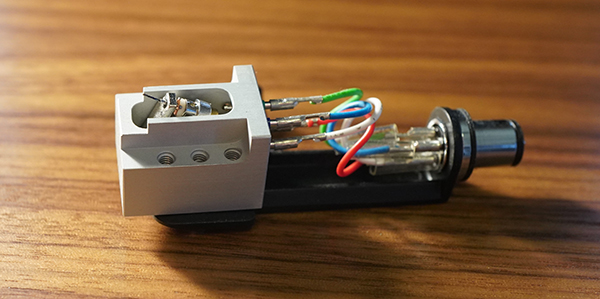
Since this overview has shortly develop into a quote-heavy social gathering, right here’s another for you. “Kuzma CAR cartridges are made to our specs by a Japanese firm with over 50-years expertise within the discipline,” states the Kuzma website. “The similar strategy, with regard to design and manufacture of cartridges housings is used as in different Kuzma merchandise. A mix of brass and aluminum components, made by Kuzma, offers inflexible and inert assist to the sign generator, permitting the diamond tip to extract musical data from the document grooves with out distortion.”

Now that we’ve got all of the macro data in regards to the micro ridge, let’s get right down to enterprise.

 0412.23.aprevkuzma2.jpg

Setup

One method to interpret the sound of a cartridge is to match it to different cartridges. For this CAR-30 overview, I additionally introduced alongside to my play shed-cum-listening lab the EMT TSD 15 N and my trustworthy Ortofon SPU Classic GM E MkII — each transferring coil carts — for direct comparability functions. Otherwise, I used a Pathos In The Groove phono stage, PrimaLuna EVO 400 built-in tube amp, and Volti Audio Razz audio system, and various cabling by Analysis Plus, Audioquest, and Shindo. All-round and fairly priced Spirit II interconnects by Triode Wire Labs of Long Island, New York had been additionally deployed.

As an indication of its critical intentions, the Kuzma CAR-30 arrived enclosed in a small, coffin-shaped picket field, with a screw-down glass high. A spherical compartment throughout the field held the cart. Screws, Allen wrench, and specs sheet had been all offered inside a shallower, sq. area. The wooden/glass case was wrapped in a small white sheath that included the serial quantity and inspection sign-off. Very well-mannered, I’d say.

I additionally used the CAR-30 along side a few opinions I wound up doing for our sister website Stereophile together with that of the Miyajima Labs Wo-1 preamp, and followup opinions of MoFi Electronics SourcePoint 10 loudspeakers and the above-noted Volti Audio Razz audio system. At no time did the CAR-30 give attention to a specific space of the frequency vary, or fail to impress me with its normal musicality.

Depending on what was downstream — together with constant use of a Thorens TD 124/Jelco TS-350S tonearm — the CAR-30 was a particularly succesful performer, whether or not it concerned its clear, prolonged treble, typically lucid midrange, and dependably tight and taut low-end. It impressed as a result of it merely made nice music whereas revealing the peculiarities and personalities of particular person records.

 0412.23.aprevkuzma3.jpg

Listening Sessions

The Kuzma CAR-30 cleanly resolved the fairly shiny manufacturing of a Japanese jazz document, Why Not? — Michel Camilo’s 1985 launch. Similarly, it relayed Ella Fitzgerald’s Like Someone in Love for all its creamy, late-Nineteen Fifties Verve goodness, and virtually reveled within the distinctive recording high quality of the upcoming Record Store Day 2023 launch, Bill Evans’ Treasures: Solo, Trio & Orchestra in Denmark 1965-1969.

Where the EMT cart possessed extra upper-tier energy and low-end fortitude and the SPU displayed a wider, extra dramatic soundstage and a sure hyper-reality mien, the Kuzma was totally even-keeled, wealthy however not overly heat, clear however by no means threadbare.

Brief sidenote, half one: I additionally realized, whereas exploring the CAR-30, that although the aforementioned Pathos In The Groove phono stage is resolutely clear, tremendous clear, and true to the supply, I most well-liked the equally priced however all-tube Tavish Design Adagio phono stage. The Tavish is much less resolving, has boomier low finish — even saggier low finish — and its mids could also be extra congested than these of the Pathos. But it has that sure factor tube aficionados adore: tube bloom. The Tavish produces a giant, heat, juicy, giant scale, ethereal, dynamic presentation that, whereas not as well-sorted because the Pathos, offers a typically extra satisfying efficiency — to me, that’s. High constancy will not be all the time all about element, decision, tight low ends, and hovering treble highs. Sometimes, it’s merely about getting as a lot magnificence as your pockets will enable.

 0412.23.aprevkuzma1.jpg

Anyway, transferring on! I took the Kuzma CAR-30 by its paces with records I’ve not beforehand used with opinions. What stood out right here about Frank Zappa’s March 1983 launch The Man From Utopia (Barking Pumpkin Records FW 38403) and its lead monitor “Cocaine Decisions” was how the Kuzma absolutely resolved the deep, booming, subterranean tom-drops of drummer Chad Wackerman’s stalking drum sample, whereas the monitor’s pitched-up keys (courtesy Tommy Mars), guitar (Steve Vai), and midrange-y bass (Scott Thunes) offered opposing sensations. The stage was giant and rotund, with a manufacturing filled with ’80s home-studio sheen.

Another not-so-great recording from an earlier decade, John Coltrane’s January 1967 LP, Kulu Sé Mama (Impulse! AS 9106), kicks off its Side 2 with drummer Elvin Jones’ open solo in “Vigil,” to which Coltrane ultimately joins on the left channel. My authentic stereo urgent is a research in overhead microphone employment, with Jones’ drums sounding as in the event that they had been tracked with a single overhead mike. While there’s loads of room atmosphere, there’s sparse immediacy, which holds true for Trane’s horn. But that is the sound of the document, and the CAR-30 didn’t editorialize. While I typically desire OG or early jazz pressings, each I and the AP editorial braintrust collectively suppose Kulu Sé Mama is overdue for a full-court Analogue Productions remaster.

The Meters’ Look-Ka Py Py (Josie JOSIE 4011), launched in February 1970, is among the nice misplaced funk albums of that decade, and I purchased an authentic copy within the early ’80s at a junk retailer in Charlotte, North Carolina. (Incidentally, Maceo and All The Kings Men’s Doing Their Own Thing [House Of The Fox HOF-LP-1] is one other 1970-released funk discover from that store that I nonetheless maintain expensive.) Now, right here is the place the Kuzma received to strut. An amazing studio recording from LeFevre Sound Studios in Atlanta, Look-Ka Py Py is on the junction of Clyde Stubblefield and Dave Bartholomew, the nexus of deep south Native Americans and the badass funk explorations of The Meters’ Joseph “Ziggy”/“Zigaboo” Modeliste (drums), George Porter Jr. (bass), Leo Nocentelli (guitar), and Art Neville (keyboards).

Brief sidenote, aux deux: In 1979, I performed drums in a band led by Boston pop star Andy Pratt that was opening for Robert Palmer, whose “Bad Case of Loving You (Doctor, Doctor)” single was driving chart-high on the time. Palmer’s then-band featured three dudes upfront who produced such a large tidal wave of unimaginable groove goodness, I couldn’t imagine it. The groove was so exhausting, giant, and elastic that the place was virtually levitating. Later, I realized these three dudes had been Porter Jr., Nocentelli, and Neville.

 0412.23.aprevkuzma7.jpg

Anyway, again to the overview! The Kuzma CAR-30 performed “Yeah, You’re Right,” the Side 2 opener from the very well-recorded Look-Ka Py Py album, with excellent aplomb. The Meters sound was super-immediate, large open, frequency flat, and punchy — replete with razor-sharp hi-hats upside barbecue-hot guitars and stomach-churning, choogling organ grease funk tones.

The CAR-30 carried out completely true to every of those records with as little sound of its personal as potential. Perhaps there was a point of midrange richness — all the time a welcome factor, imo — however general, it was only a clear path to analog enlightenment.

In comparability, the place the Kuzma was frequency flat, clean on high, and fairly deep down beneath, the EMT arrived to take names and kick ass. The treble was grittier, maybe meaner, giving guitars added pizazz, drums kicking robust, and bass further crispy. Kulu Sé Mama sounded extra open and extra dynamic, with better life power and punch. Elvin Jones’ drums had efficiency and energy — just a little aggro, however that’s Elvin for you. Zigaboo’s drums kicked tougher by way of the EMT, and the stage appeared bigger upon which The Meters bumped and floor (grinded?). Though Trane’s horn didn’t sound any much less foggy, Zappa’s Man From Utopia barely modified in any respect utilizing the EMT, and the large tom drop had just a little extra definition.

 0412.23.aprevkuzma9.jpg

Conclusions

The Kuzma CAR-30 is one clean performer certainly. It’s well-behaved, and clear to records and gear. The CAR-30’s typically reserved nature will work higher in some methods than others, and it could higher go well with the analog wants of sure listeners than others. As in all issues, system synergy is vital.

Though the Ortofon SPU Classic is almost half the value of the Kuzma and the EMT, it actually gained’t win any frequency-flat championships. Meanwhile, the EMT could (because it did in my system) present a extra vigorous if much less clean general sound for a worth just like the Kuzma. But the underside line right here is that this: The Kuzma CAR-30 MC cartridge shared among the weight and grandeur I affiliate with my Kuzma Stabi R turntable and Kuzma 4Point tonearm. The CAR-30 rides the vary of $2-3K cartridges with its head held excessive, and it’s fairly able to tackle all comers.

For extra data on Kuzma, you possibly can go to the corporate’s official website right here.

If you need to receive a CAR-30 MC cartridge for your self, go right here to discover a Kuzma U.S. seller close to you.

Author bio: Former musician, former artist, and former authorized wastrel Ken Micallef has written quite a few hi-fi gear opinions for Stereophile and AnalogPlanet, and his byline has additionally appeared inside Mojo, Electronic Musician, and The Grammys. You also can discover him at YouTube (Ken Micallef Jazz Vinyl Audiophile).

 0412.23.aprevkuzma4.jpg

KUZMA CAR-30 MOVING COIL CARTRIDGE

($2,950)

Features & Specs

Coil wire: 5N copper

Stylus profile: micro ridge

Cantilever: boron

Body materials: aluminum alloy

Frequency response: 10Hz to 35kHz

Output voltage: 0.3mV

Channel stability: <1dB
Channel separation: >25dB

Tracking power: 2.0g

Trackability: >70μm/2.0g

Internal impedance: 4ohms

Load impedance: <100
Weight: 17g

Warranty: 1 12 months, components and labor

 0412.23.aprevkuzma11.png

The Kuzma CAR-30 MC Cartridge Is a Smooth Performer That Offers Transparent Performance, Stacking It Up Quite Nicely Against The Competition

The Kuzma household of shifting coil cartridges is such a positive sight to see. For the report, there are six lookalike cartridges within the Slovenian-made Kuzma MC cartridge lineup. Four of the six Kuzma carts use the identical gray-colored, aluminum-alloy physique that’s block-shaped by nature, and never dissimilar to the cranium of a kind of basic crimson and blue Rock ’Em Sock ’Em Robots from the times of yore — look ’em up, in case you’re not acquainted — and, actually, two of them on the higher-end of the SRP spectrum, the CAR-50 ($7,995) and CAR-60 ($17,500), are blue and crimson, respectively. For cartridges at that SRP degree, the least Kuzma can do is provide them in numerous colours, proper?

For comparability, the Kuzma CAR-30, our titular assessment topic, has an SRP of $2,950. The Kuzma lineup that surrounds it contains the CAR-20 and CAR-20H on the marginally lower cost finish (each are $2,500), with the CAR-40 ($3,700) and the aforementioned CAR-50 ($7,995) and CAR-60 ($17,500) all on the different finish of the fee scale. The specs for every of those six Kuzma MC cartridges are comparatively related — however, that being mentioned, starting with the CAR-30, modifications embody a micro ridge stylus and boron cantilever materials.

 0412.23.aprevkuzma5.jpg

I discovered the inclusion of a micro ridge stylus with the CAR-30 to be fairly fascinating, so I hit the intrawebs to do a little analysis after Kuzma importer Scot Markwell of Elite Audio Video equipped me with some primary data.

The micro ridge stylus is claimed to be of an analogous form as that utilized in a reducing lathe, affording the best element and retrieval of knowledge within the last product.
“Micro Ridge is [a] very distinctive stylus which is polished into an uncommon form,” states the Dynavector web site. “It [provides] microscopic curvature of contact floor with records. This [means the] Micro Ridge Stylus doesn’t change the contact radius by put on after lengthy enjoying time. At the identical time, this curvature has a radius of solely 2 microns. Due to this small determine, the copy sounds have very excessive definition, large dynamic vary, and low distortion. Combined with minimal dispersion idea [and] low equal shifting mass, the brand new stylus will present new facets [information] within the copy sounds.”

Meanwhile, Hi-Fi Advice provides the next: “Patented by Namiki of Japan in 1983, the MicroRidge is a really complicated form that has been made potential solely through the use of laser-cutting strategies. The MicroRidge stylus virtually precisely duplicates the form of the reducing stylus that produces the unique grasp disc on the vinyl urgent plant.”

 0412.23.aprevkuzma8.jpg

The micro ridge profile (we’re referencing it in lowercase right here) is much like that of a line-contact stylus, its tiny, ridged stylus overlaying only some microns of contact with the groove partitions. The radius of the vertical contact differs between manufacturers, however, typically, micro ridge styluses cowl a equally giant contact space as the road contact stylus.

“The microridge form additionally wears extra evenly, drastically extending report and stylus life,” acknowledged HiFi Advice. “Microridge styluses present extra correct monitoring than different variants with much more detailed high-frequency retrieval and significantly decrease distortion than even a Shibata or Fine Line stylus.”

Since this assessment has rapidly turn out to be a quote-heavy occasion, right here’s yet one more for you. “Kuzma CAR cartridges are made to our specs by a Japanese firm with over 50-years expertise within the subject,” states the Kuzma web site. “The identical strategy, with regard to design and manufacture of cartridges housings is used as in different Kuzma merchandise. A mix of brass and aluminum elements, made by Kuzma, gives inflexible and inert assist to the sign generator, permitting the diamond tip to extract musical data from the report grooves with out distortion.”

Now that we’ve got all of the macro data concerning the micro ridge, let’s get right down to enterprise.

 0412.23.aprevkuzma2.jpg

Setup

One strategy to interpret the sound of a cartridge is to match it to different cartridges. For this CAR-30 assessment, I additionally introduced alongside to my play shed-cum-listening lab the EMT TSD 15 N and my trustworthy Ortofon SPU Classic GM E MkII — each shifting coil carts — for direct comparability functions. Otherwise, I used a Pathos In The Groove phono stage, PrimaLuna EVO 400 built-in tube amp, and Volti Audio Razz audio system, and diverse cabling by Analysis Plus, Audioquest, and Shindo. All-round and fairly priced Spirit II interconnects by Triode Wire Labs of Long Island, New York had been additionally deployed.

As an indication of its severe intentions, the Kuzma CAR-30 arrived enclosed in a small, coffin-shaped picket field, with a screw-down glass high. A spherical compartment throughout the field held the cart. Screws, Allen wrench, and specs sheet had been all supplied inside a shallower, sq. area. The wooden/glass case was wrapped in a small white sheath that included the serial quantity and inspection sign-off. Very well-mannered, I’d say.

I additionally used the CAR-30 along side a few opinions I wound up doing for our sister web site Stereophile together with that of the Miyajima Labs Wo-1 preamp, and followup opinions of MoFi Electronics SourcePoint 10 loudspeakers and the above-noted Volti Audio Razz audio system. At no time did the CAR-30 concentrate on a selected space of the frequency vary, or fail to impress me with its basic musicality.

Depending on what was downstream — together with constant use of a Thorens TD 124/Jelco TS-350S tonearm — the CAR-30 was a particularly succesful performer, whether or not it concerned its clear, prolonged treble, typically lucid midrange, and dependably tight and taut low-end. It impressed as a result of it merely made nice music whereas revealing the peculiarities and personalities of particular person records.

 0412.23.aprevkuzma3.jpg

Listening Sessions

The Kuzma CAR-30 cleanly resolved the fairly shiny manufacturing of a Japanese jazz report, Why Not? — Michel Camilo’s 1985 launch. Similarly, it relayed Ella Fitzgerald’s Like Someone in Love for all its creamy, late-Nineteen Fifties Verve goodness, and virtually reveled within the distinctive recording high quality of the upcoming Record Store Day 2023 launch, Bill Evans’ Treasures: Solo, Trio & Orchestra in Denmark 1965-1969.

Where the EMT cart possessed extra upper-tier energy and low-end fortitude and the SPU displayed a wider, extra dramatic soundstage and a sure hyper-reality mien, the Kuzma was completely even-keeled, wealthy however not overly heat, clear however by no means threadbare.

Brief sidenote, half one: I additionally realized, whereas exploring the CAR-30, that although the aforementioned Pathos In The Groove phono stage is resolutely clear, tremendous clear, and true to the supply, I most well-liked the equally priced however all-tube Tavish Design Adagio phono stage. The Tavish is much less resolving, has boomier low finish — even saggier low finish — and its mids could also be extra congested than these of the Pathos. But it has that sure factor tube aficionados adore: tube bloom. The Tavish produces an enormous, heat, juicy, giant scale, ethereal, dynamic presentation that, whereas not as well-sorted because the Pathos, gives a typically extra satisfying efficiency — to me, that’s. High constancy isn’t at all times all about element, decision, tight low ends, and hovering treble highs. Sometimes, it’s merely about getting as a lot magnificence as your pockets will permit.

 0412.23.aprevkuzma1.jpg

Anyway, shifting on! I took the Kuzma CAR-30 by way of its paces with records I’ve not beforehand used with opinions. What stood out right here about Frank Zappa’s March 1983 launch The Man From Utopia (Barking Pumpkin Records FW 38403) and its lead observe “Cocaine Decisions” was how the Kuzma absolutely resolved the deep, booming, subterranean tom-drops of drummer Chad Wackerman’s stalking drum sample, whereas the observe’s pitched-up keys (courtesy Tommy Mars), guitar (Steve Vai), and midrange-y bass (Scott Thunes) supplied opposing sensations. The stage was giant and rotund, with a manufacturing stuffed with ’80s home-studio sheen.

Another not-so-great recording from an earlier decade, John Coltrane’s January 1967 LP, Kulu Sé Mama (Impulse! AS 9106), kicks off its Side 2 with drummer Elvin Jones’ open solo in “Vigil,” to which Coltrane ultimately joins on the left channel. My authentic stereo urgent is a examine in overhead microphone employment, with Jones’ drums sounding as in the event that they had been tracked with a single overhead mike. While there’s loads of room atmosphere, there’s sparse immediacy, which holds true for Trane’s horn. But that is the sound of the report, and the CAR-30 didn’t editorialize. While I typically want OG or early jazz pressings, each I and the AP editorial braintrust collectively assume Kulu Sé Mama is overdue for a full-court Analogue Productions remaster.

The Meters’ Look-Ka Py Py (Josie JOSIE 4011), launched in February 1970, is without doubt one of the nice misplaced funk albums of that decade, and I purchased an authentic copy within the early ’80s at a junk retailer in Charlotte, North Carolina. (Incidentally, Maceo and All The Kings Men’s Doing Their Own Thing [House Of The Fox HOF-LP-1] is one other 1970-released funk discover from that store that I nonetheless maintain pricey.) Now, right here is the place the Kuzma acquired to strut. An excellent studio recording from LeFevre Sound Studios in Atlanta, Look-Ka Py Py is on the junction of Clyde Stubblefield and Dave Bartholomew, the nexus of deep south Native Americans and the badass funk explorations of The Meters’ Joseph “Ziggy”/“Zigaboo” Modeliste (drums), George Porter Jr. (bass), Leo Nocentelli (guitar), and Art Neville (keyboards).

Brief sidenote, aux deux: In 1979, I performed drums in a band led by Boston pop star Andy Pratt that was opening for Robert Palmer, whose “Bad Case of Loving You (Doctor, Doctor)” single was using chart-high on the time. Palmer’s then-band featured three dudes upfront who produced such a large tidal wave of unattainable groove goodness, I couldn’t consider it. The groove was so laborious, giant, and elastic that the place was virtually levitating. Later, I realized these three dudes had been Porter Jr., Nocentelli, and Neville.

 0412.23.aprevkuzma7.jpg

Anyway, again to the assessment! The Kuzma CAR-30 performed “Yeah, You’re Right,” the Side 2 opener from the very well-recorded Look-Ka Py Py album, with good aplomb. The Meters sound was super-immediate, large open, frequency flat, and punchy — replete with razor-sharp hi-hats upside barbecue-hot guitars and stomach-churning, choogling organ grease funk tones.

The CAR-30 carried out completely true to every of those records with as little sound of its personal as potential. Perhaps there was a point of midrange richness — at all times a welcome factor, imo — however general, it was only a clear path to analog enlightenment.

In comparability, the place the Kuzma was frequency flat, clean on high, and fairly deep down under, the EMT arrived to take names and kick ass. The treble was grittier, maybe meaner, giving guitars added pizazz, drums kicking powerful, and bass further crispy. Kulu Sé Mama sounded extra open and extra dynamic, with higher life drive and punch. Elvin Jones’ drums had efficiency and energy — just a little aggro, however that’s Elvin for you. Zigaboo’s drums kicked tougher by way of the EMT, and the stage appeared bigger upon which The Meters bumped and floor (grinded?). Though Trane’s horn didn’t sound any much less foggy, Zappa’s Man From Utopia barely modified in any respect utilizing the EMT, and the large tom drop had just a little extra definition.

 0412.23.aprevkuzma9.jpg

Conclusions

The Kuzma CAR-30 is one clean performer certainly. It’s well-behaved, and clear to records and gear. The CAR-30’s generally reserved nature will work higher in some methods than others, and it might higher swimsuit the analog wants of sure listeners than others. As in all issues, system synergy is essential.

Though the Ortofon SPU Classic is sort of half the worth of the Kuzma and the EMT, it definitely gained’t win any frequency-flat championships. Meanwhile, the EMT could (because it did in my system) present a extra vigorous if much less clean general sound for a worth much like the Kuzma. But the underside line right here is that this: The Kuzma CAR-30 MC cartridge shared among the weight and grandeur I affiliate with my Kuzma Stabi R turntable and Kuzma 4Point tonearm. The CAR-30 rides the vary of $2-3K cartridges with its head held excessive, and it’s fairly able to tackle all comers.

For extra data on Kuzma, you may go to the corporate’s official web site right here.

If you need to get hold of a CAR-30 MC cartridge for your self, go right here to discover a Kuzma U.S. supplier close to you.

Author bio: Former musician, former artist, and former authorized wastrel Ken Micallef has written quite a few hi-fi gear opinions for Stereophile and AnalogPlanet, and his byline has additionally appeared inside Mojo, Electronic Musician, and The Grammys. You can even discover him at YouTube (Ken Micallef Jazz Vinyl Audiophile).

 0412.23.aprevkuzma4.jpg

KUZMA CAR-30 MOVING COIL CARTRIDGE

($2,950)

Features & Specs

Coil wire: 5N copper

Stylus profile: micro ridge

Cantilever: boron

Body materials: aluminum alloy

Frequency response: 10Hz to 35kHz

Output voltage: 0.3mV

Channel stability: <1dB
Channel separation: >25dB

Tracking drive: 2.0g

Trackability: >70μm/2.0g

Internal impedance: 4ohms

Load impedance: <100
Weight: 17g

Warranty: 1 12 months, elements and labor

 0412.23.aprevkuzma11.png

The Kuzma CAR-30 MC Cartridge Is a Smooth Performer That Offers Transparent Performance, Stacking It Up Quite Nicely Against The Competition

The Kuzma household of shifting coil cartridges is such a superb sight to see. For the document, there are six lookalike cartridges within the Slovenian-made Kuzma MC cartridge lineup. Four of the six Kuzma carts use the identical gray-colored, aluminum-alloy physique that’s block-shaped by nature, and never dissimilar to the cranium of a kind of basic crimson and blue Rock ’Em Sock ’Em Robots from the times of yore — look ’em up, for those who’re not acquainted — and, in actual fact, two of them on the higher-end of the SRP spectrum, the CAR-50 ($7,995) and CAR-60 ($17,500), are blue and crimson, respectively. For cartridges at that SRP degree, the least Kuzma can do is supply them in numerous colours, proper?

For comparability, the Kuzma CAR-30, our titular assessment topic, has an SRP of $2,950. The Kuzma lineup that surrounds it consists of the CAR-20 and CAR-20H on the marginally lower cost finish (each are $2,500), with the CAR-40 ($3,700) and the aforementioned CAR-50 ($7,995) and CAR-60 ($17,500) all on the different finish of the associated fee scale. The specs for every of those six Kuzma MC cartridges are comparatively related — however, that being stated, starting with the CAR-30, adjustments embrace a micro ridge stylus and boron cantilever materials.

 0412.23.aprevkuzma5.jpg

I discovered the inclusion of a micro ridge stylus with the CAR-30 to be fairly attention-grabbing, so I hit the intrawebs to do a little analysis after Kuzma importer Scot Markwell of Elite Audio Video provided me with some fundamental data.

The micro ridge stylus is claimed to be of an analogous form as that utilized in a slicing lathe, affording the best element and retrieval of knowledge within the closing product.
“Micro Ridge is [a] very distinctive stylus which is polished into an uncommon form,” states the Dynavector web site. “It [provides] microscopic curvature of contact floor with records. This [means the] Micro Ridge Stylus doesn’t change the contact radius by put on after lengthy taking part in time. At the identical time, this curvature has a radius of solely 2 microns. Due to this small determine, the copy sounds have very excessive definition, large dynamic vary, and low distortion. Combined with minimal dispersion idea [and] low equal shifting mass, the brand new stylus will present new facets [information] within the copy sounds.”

Meanwhile, Hi-Fi Advice gives the next: “Patented by Namiki of Japan in 1983, the MicroRidge is a really complicated form that has been made potential solely through the use of laser-cutting methods. The MicroRidge stylus nearly precisely duplicates the form of the slicing stylus that produces the unique grasp disc on the vinyl urgent plant.”

 0412.23.aprevkuzma8.jpg

The micro ridge profile (we’re referencing it in lowercase right here) is much like that of a line-contact stylus, its tiny, ridged stylus masking only some microns of contact with the groove partitions. The radius of the vertical contact differs between manufacturers, however, typically, micro ridge styluses cowl a equally massive contact space as the road contact stylus.

“The microridge form additionally wears extra evenly, vastly extending document and stylus life,” said HiFi Advice. “Microridge styluses present extra correct monitoring than different variants with much more detailed high-frequency retrieval and significantly decrease distortion than even a Shibata or Fine Line stylus.”

Since this assessment has shortly grow to be a quote-heavy social gathering, right here’s yet one more for you. “Kuzma CAR cartridges are made to our specs by a Japanese firm with over 50-years expertise within the discipline,” states the Kuzma web site. “The identical method, with regard to design and manufacture of cartridges housings is used as in different Kuzma merchandise. A mix of brass and aluminum components, made by Kuzma, supplies inflexible and inert help to the sign generator, permitting the diamond tip to extract musical data from the document grooves with out distortion.”

Now that now we have all of the macro data in regards to the micro ridge, let’s get right down to enterprise.

 0412.23.aprevkuzma2.jpg

Setup

One solution to interpret the sound of a cartridge is to match it to different cartridges. For this CAR-30 assessment, I additionally introduced alongside to my play shed-cum-listening lab the EMT TSD 15 N and my devoted Ortofon SPU Classic GM E MkII — each shifting coil carts — for direct comparability functions. Otherwise, I used a Pathos In The Groove phono stage, PrimaLuna EVO 400 built-in tube amp, and Volti Audio Razz audio system, and various cabling by Analysis Plus, Audioquest, and Shindo. All-round and fairly priced Spirit II interconnects by Triode Wire Labs of Long Island, New York have been additionally deployed.

As an indication of its severe intentions, the Kuzma CAR-30 arrived enclosed in a small, coffin-shaped wood field, with a screw-down glass high. A spherical compartment throughout the field held the cart. Screws, Allen wrench, and specs sheet have been all supplied inside a shallower, sq. area. The wooden/glass case was wrapped in a small white sheath that included the serial quantity and inspection sign-off. Very well-mannered, I’d say.

I additionally used the CAR-30 along with a few opinions I wound up doing for our sister web site Stereophile together with that of the Miyajima Labs Wo-1 preamp, and followup opinions of MoFi Electronics SourcePoint 10 loudspeakers and the above-noted Volti Audio Razz audio system. At no time did the CAR-30 give attention to a selected space of the frequency vary, or fail to impress me with its common musicality.

Depending on what was downstream — together with constant use of a Thorens TD 124/Jelco TS-350S tonearm — the CAR-30 was a particularly succesful performer, whether or not it concerned its clear, prolonged treble, typically lucid midrange, and dependably tight and taut low-end. It impressed as a result of it merely made nice music whereas revealing the peculiarities and personalities of particular person records.

 0412.23.aprevkuzma3.jpg

Listening Sessions

The Kuzma CAR-30 cleanly resolved the somewhat shiny manufacturing of a Japanese jazz document, Why Not? — Michel Camilo’s 1985 launch. Similarly, it relayed Ella Fitzgerald’s Like Someone in Love for all its creamy, late-Nineteen Fifties Verve goodness, and virtually reveled within the distinctive recording high quality of the upcoming Record Store Day 2023 launch, Bill Evans’ Treasures: Solo, Trio & Orchestra in Denmark 1965-1969.

Where the EMT cart possessed extra upper-tier energy and low-end fortitude and the SPU displayed a wider, extra dramatic soundstage and a sure hyper-reality mien, the Kuzma was totally even-keeled, wealthy however not overly heat, clear however by no means threadbare.

Brief sidenote, half one: I additionally realized, whereas exploring the CAR-30, that although the aforementioned Pathos In The Groove phono stage is resolutely clear, tremendous clear, and true to the supply, I most well-liked the equally priced however all-tube Tavish Design Adagio phono stage. The Tavish is much less resolving, has boomier low finish — even saggier low finish — and its mids could also be extra congested than these of the Pathos. But it has that sure factor tube aficionados adore: tube bloom. The Tavish produces an enormous, heat, juicy, massive scale, ethereal, dynamic presentation that, whereas not as well-sorted because the Pathos, supplies a typically extra satisfying efficiency — to me, that’s. High constancy is just not at all times all about element, decision, tight low ends, and hovering treble highs. Sometimes, it’s merely about getting as a lot magnificence as your pockets will enable.

 0412.23.aprevkuzma1.jpg

Anyway, shifting on! I took the Kuzma CAR-30 via its paces with records I’ve not beforehand used with opinions. What stood out right here about Frank Zappa’s March 1983 launch The Man From Utopia (Barking Pumpkin Records FW 38403) and its lead monitor “Cocaine Decisions” was how the Kuzma absolutely resolved the deep, booming, subterranean tom-drops of drummer Chad Wackerman’s stalking drum sample, whereas the monitor’s pitched-up keys (courtesy Tommy Mars), guitar (Steve Vai), and midrange-y bass (Scott Thunes) supplied opposing sensations. The stage was massive and rotund, with a manufacturing stuffed with ’80s home-studio sheen.

Another not-so-great recording from an earlier decade, John Coltrane’s January 1967 LP, Kulu Sé Mama (Impulse! AS 9106), kicks off its Side 2 with drummer Elvin Jones’ open solo in “Vigil,” to which Coltrane finally joins on the left channel. My authentic stereo urgent is a examine in overhead microphone employment, with Jones’ drums sounding as in the event that they have been tracked with a single overhead mike. While there’s loads of room atmosphere, there’s sparse immediacy, which holds true for Trane’s horn. But that is the sound of the document, and the CAR-30 didn’t editorialize. While I typically choose OG or early jazz pressings, each I and the AP editorial braintrust collectively assume Kulu Sé Mama is overdue for a full-court Analogue Productions remaster.

The Meters’ Look-Ka Py Py (Josie JOSIE 4011), launched in February 1970, is among the nice misplaced funk albums of that decade, and I purchased an authentic copy within the early ’80s at a junk retailer in Charlotte, North Carolina. (Incidentally, Maceo and All The Kings Men’s Doing Their Own Thing [House Of The Fox HOF-LP-1] is one other 1970-released funk discover from that store that I nonetheless maintain pricey.) Now, right here is the place the Kuzma obtained to strut. An ideal studio recording from LeFevre Sound Studios in Atlanta, Look-Ka Py Py is on the junction of Clyde Stubblefield and Dave Bartholomew, the nexus of deep south Native Americans and the badass funk explorations of The Meters’ Joseph “Ziggy”/“Zigaboo” Modeliste (drums), George Porter Jr. (bass), Leo Nocentelli (guitar), and Art Neville (keyboards).

Brief sidenote, aux deux: In 1979, I performed drums in a band led by Boston pop star Andy Pratt that was opening for Robert Palmer, whose “Bad Case of Loving You (Doctor, Doctor)” single was using chart-high on the time. Palmer’s then-band featured three dudes upfront who produced such a large tidal wave of unimaginable groove goodness, I couldn’t consider it. The groove was so onerous, massive, and elastic that the place was virtually levitating. Later, I discovered these three dudes have been Porter Jr., Nocentelli, and Neville.

 0412.23.aprevkuzma7.jpg

Anyway, again to the assessment! The Kuzma CAR-30 performed “Yeah, You’re Right,” the Side 2 opener from the very well-recorded Look-Ka Py Py album, with good aplomb. The Meters sound was super-immediate, large open, frequency flat, and punchy — replete with razor-sharp hi-hats upside barbecue-hot guitars and stomach-churning, choogling organ grease funk tones.

The CAR-30 carried out completely true to every of those records with as little sound of its personal as potential. Perhaps there was some extent of midrange richness — at all times a welcome factor, imo — however general, it was only a clear path to analog enlightenment.

In comparability, the place the Kuzma was frequency flat, easy on high, and fairly deep down beneath, the EMT arrived to take names and kick ass. The treble was grittier, maybe meaner, giving guitars added pizazz, drums kicking robust, and bass further crispy. Kulu Sé Mama sounded extra open and extra dynamic, with higher life pressure and punch. Elvin Jones’ drums had efficiency and energy — just a little aggro, however that’s Elvin for you. Zigaboo’s drums kicked more durable through the EMT, and the stage appeared bigger upon which The Meters bumped and floor (grinded?). Though Trane’s horn didn’t sound any much less foggy, Zappa’s Man From Utopia barely modified in any respect utilizing the EMT, and the huge tom drop had just a little extra definition.

 0412.23.aprevkuzma9.jpg

Conclusions

The Kuzma CAR-30 is one easy performer certainly. It’s well-behaved, and clear to records and tools. The CAR-30’s generally reserved nature will work higher in some techniques than others, and it might higher swimsuit the analog wants of sure listeners than others. As in all issues, system synergy is essential.

Though the Ortofon SPU Classic is sort of half the worth of the Kuzma and the EMT, it definitely gained’t win any frequency-flat championships. Meanwhile, the EMT might (because it did in my system) present a extra vigorous if much less easy general sound for a worth much like the Kuzma. But the underside line right here is that this: The Kuzma CAR-30 MC cartridge shared a few of the weight and grandeur I affiliate with my Kuzma Stabi R turntable and Kuzma 4Point tonearm. The CAR-30 rides the vary of $2-3K cartridges with its head held excessive, and it’s fairly able to tackle all comers.

For extra data on Kuzma, you may go to the corporate’s official web site right here.

If you wish to acquire a CAR-30 MC cartridge for your self, go right here to discover a Kuzma U.S. vendor close to you.

Author bio: Former musician, former artist, and former authorized wastrel Ken Micallef has written quite a few hi-fi tools opinions for Stereophile and AnalogPlanet, and his byline has additionally appeared inside Mojo, Electronic Musician, and The Grammys. You may discover him at YouTube (Ken Micallef Jazz Vinyl Audiophile).

 0412.23.aprevkuzma4.jpg

KUZMA CAR-30 MOVING COIL CARTRIDGE

($2,950)

Features & Specs

Coil wire: 5N copper

Stylus profile: micro ridge

Cantilever: boron

Body materials: aluminum alloy

Frequency response: 10Hz to 35kHz

Output voltage: 0.3mV

Channel steadiness: <1dB
Channel separation: >25dB

Tracking pressure: 2.0g

Trackability: >70μm/2.0g

Internal impedance: 4ohms

Load impedance: <100
Weight: 17g

Warranty: 1 yr, components and labor

 0412.23.aprevkuzma11.png

Posted in Uncategorized

The Beatles Reanimated: The Giles Martin <I>Revolver</I> Remix

© Apple Corps Ltd.


On a heat day in September 2022, alongside 40 or so press colleagues, I used to be handled to an advance demonstration of the Dolby Atmos mixture of The Beatles’ Revolver, at Republic Studios on Broadway In New York City’s midtown. Producer/mixer Giles Martin—son of unique Beatles producer Sir George Martin—was our host. Giles Martin’s demeanor was self-deprecating, and he appeared to know all there’s to know in regards to the Beatles and their productions. As Martin performed songs from Revolver in encompass sound, the assembled group appeared amazed by what they heard.


Played by means of a JBL-based 7.1.4 system in a convention room (footnote 1), “Tomorrow Never Knows,” Revolver‘s remaining observe (which, nonetheless, was the primary to be recorded), was remodeled. Based on texts from The Psychedelic Experience: A Manual Based on the Tibetan Book of the Dead and using radical parts together with musique concrète, avant-garde composition, and tape loops, the impact of this new, spacious soundfield—on an album identified for its claustrophobic manufacturing—was stunning. At the entrance of the combination, Lennon’s vocal was giant; it got here throughout with extra texture and nuance than I’d ever heard.


Also, up entrance, Paul’s woozy electrical bass and Ringo’s cracking drums had weight and viscosity; Ringo’s acquainted sixteenth notice, mounted-tom strike (“da-doom”) now revealed a pitch dip, indicating that he’d tuned the drum’s backside head decrease and looser than its high head.


When the tune’s legendary results got here in, all hell broke free, recalling feelings much like these I felt when, as a baby, I first noticed Linda Blair’s head spin 360 levels in 1973’s The Exorcist. (But this was the Beatles, so I knew we had been protected.) Seagulls screamed overhead, flying entrance to again. What appeared like Mellotrons and calliopes looped maniacally from left to proper, as if laughing. Massed strings collided and crashed. Tambura droned. George Harrison’s strangled, backward electrical guitars squirmed above me—then, seemingly, by means of me—ricocheting off the again wall. Keyboards swirled from left and proper like killer hornets; a high-pitched squeal signaled a warning. This was rock music as furnace-heated blast, as white-hot sensory overload.


Super Deluxe Edition of Revolver


Though maybe much less intense, a equally new expertise awaits consumers of any of the three Revolver: Special Edition packages. “Here, There and Everywhere” has beforehand unheard vocal finesse and layering. The jackhammer bass and drums on “Taxman” sear. The bracing guitars and concord vocals of “She Said” tackle more room and dimensionality. “Eleanor Rigby” was a complete shock, the string quartet punchy and emotive; the lyrics, association, and excessive rhythmic assault expressing not sorrow however anger, perhaps disgust. This is just not your father’s Revolver.


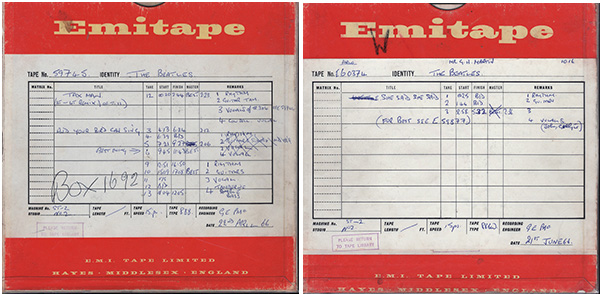
The remixed, expanded Revolver: Special Edition is accessible in five-CD or four-LP tremendous deluxe units that embrace a half-speed remastered stereo combine, the unique mono combine, demos and session recordings, a newly remixed EP (“Paperback Writer”/”Rain”), and a 100-page guide, “with photographs of hand-written lyrics, tape packing containers, and recording sheets, in addition to 1966 print advertisements.” A deluxe version consists of an abridged 40-page model of the guide, the brand new stereo combine, session highlights, and stereo mixes of the singles. Standard single-CD and single-LP album releases are additionally out there, together with digital packages.


Created at Abbey Road Studios by Giles Martin and Sam Okell, manufacturing, engineering and mixing; Sean Magee, Thomas Hall, Alex Wharton, and Miles Showell, mastering; the newly remixed and remastered Revolver was launched on October 28, 2022, to near-universal reward.


The workforce used the identical synthetic intelligence–based mostly “demixing” expertise first explored by director Peter Jackson’s WingNut workforce after they made the documentary The Beatles: Get Back. Demixing allowed Martin and crew to reimagine Revolver. The ensuing recordings have extra element in voices, devices, and room sounds; extra weight, texture, and dimensionality; and vastly improved dynamics. Perhaps essentially the most profound change is the extent of readability, which brings Revolver, a slightly tinny, compressed-sounding album, virtually alive in your listening room.


Giles Martin in Abbey Road Studios; Photo By Alex Lake


Ken Micallef: What accounts for the fleshed-out mixture of the brand new Revolver? Is it fashionable expertise utilized to previous tapes?


Giles Martin: It’s simply good mixing. I’m not including digitally enhanced frequencies. I’m mixing on a digital system. You cannot combine from tape into that. But these recordings have depth. We’re stripping issues again. The distinction is what I and Sam Okell do: We take totally different parts and rerecord them again by means of Studio Two at Abbey Road. The partitions in that room are the partitions of Studio Two in Abbey Road, so we will add some room sound to issues. We have that factor, however that is not a digital impact. That’s simply me recording one thing and enjoying it again.


KM: Did you hearken to the unique stereo vinyl pressings of Revolver as a gauge?


GM: Of course. I’d hearken to the stereo remaster, the unique stereo, and the mono. On my system, I’ve all of the mixes lined up. I’ve a button on my desk, which I can flick between them. If I’m enjoying the Atmos combine, I’ll do the stereo first, then Atmos, and Atmos unique stereo, simply to verify I’m not lacking something. I’m not altering the texture of a tune. It’s extra of an emotional factor. How shut do you’re feeling to the vocal? What affect do the drums have? It’s like remembering a guide. It’s actually essential to get that proper. It’s essential that there’s a distinction however [that] the distinction is sweet.


Original tape packing containers for “She Said She Said,””Taxman,” and “And Your Bird Can Sing.” ©Calderstone Productions Ltd.


KM: What was Paul McCartney’s response to listening to the brand new Atmos mixes?


GM: He liked them. The factor I attempt to do with the band is attempt to get the listener nearer to them, in order that they really feel like they’re interacting. I like the concept you are standing within the vinyl, you are standing within the file, and also you begin falling into the studio. You instantly really feel as if you’re on this file, however not in a gimmicky means. I’m a music fan. I wish to really feel the drums and really feel the guitar. It’s the identical steadiness as I’ve listened to earlier than, however simply positionally, it is like being a part of the band now.


Footnote 1: In Dolby-speak, the final quantity signifies the variety of “peak” channels—that’s, the variety of audio system on the ceiling.

The Beatles Reanimated: The Giles Martin <I>Revolver</I> Remix

© Apple Corps Ltd.


On a heat day in September 2022, alongside 40 or so press colleagues, I used to be handled to an advance demonstration of the Dolby Atmos mixture of The Beatles’ Revolver, at Republic Studios on Broadway In New York City’s midtown. Producer/mixer Giles Martin—son of unique Beatles producer Sir George Martin—was our host. Giles Martin’s demeanor was self-deprecating, and he appeared to know all there may be to know concerning the Beatles and their productions. As Martin performed songs from Revolver in encompass sound, the assembled group appeared amazed by what they heard.


Played by a JBL-based 7.1.4 system in a convention room (footnote 1), “Tomorrow Never Knows,” Revolver‘s ultimate monitor (which, nonetheless, was the primary to be recorded), was reworked. Based on texts from The Psychedelic Experience: A Manual Based on the Tibetan Book of the Dead and using radical components together with musique concrète, avant-garde composition, and tape loops, the impact of this new, spacious soundfield—on an album identified for its claustrophobic manufacturing—was surprising. At the entrance of the combo, Lennon’s vocal was giant; it got here throughout with extra texture and nuance than I’d ever heard.


Also, up entrance, Paul’s woozy electrical bass and Ringo’s cracking drums had weight and viscosity; Ringo’s acquainted sixteenth observe, mounted-tom strike (“da-doom”) now revealed a pitch dip, indicating that he’d tuned the drum’s backside head decrease and looser than its prime head.


When the track’s legendary results got here in, all hell broke free, recalling feelings just like these I felt when, as a baby, I first noticed Linda Blair’s head spin 360 levels in 1973’s The Exorcist. (But this was the Beatles, so I knew we had been secure.) Seagulls screamed overhead, flying entrance to again. What seemed like Mellotrons and calliopes looped maniacally from left to proper, as if laughing. Massed strings collided and crashed. Tambura droned. George Harrison’s strangled, backward electrical guitars squirmed above me—then, seemingly, by me—ricocheting off the again wall. Keyboards swirled from left and proper like killer hornets; a high-pitched squeal signaled a warning. This was rock music as furnace-heated blast, as white-hot sensory overload.


Super Deluxe Edition of Revolver


Though maybe much less intense, a equally new expertise awaits consumers of any of the three Revolver: Special Edition packages. “Here, There and Everywhere” has beforehand unheard vocal finesse and layering. The jackhammer bass and drums on “Taxman” sear. The bracing guitars and concord vocals of “She Said” tackle extra space and dimensionality. “Eleanor Rigby” was a complete shock, the string quartet punchy and emotive; the lyrics, association, and excessive rhythmic assault expressing not sorrow however anger, perhaps disgust. This will not be your father’s Revolver.


The remixed, expanded Revolver: Special Edition is out there in five-CD or four-LP tremendous deluxe units that embrace a half-speed remastered stereo combine, the unique mono combine, demos and session recordings, a newly remixed EP (“Paperback Writer”/”Rain”), and a 100-page e book, “with pictures of hand-written lyrics, tape bins, and recording sheets, in addition to 1966 print advertisements.” A deluxe version contains an abridged 40-page model of the e book, the brand new stereo combine, session highlights, and stereo mixes of the singles. Standard single-CD and single-LP album releases are additionally out there, together with digital packages.


Created at Abbey Road Studios by Giles Martin and Sam Okell, manufacturing, engineering and mixing; Sean Magee, Thomas Hall, Alex Wharton, and Miles Showell, mastering; the newly remixed and remastered Revolver was launched on October 28, 2022, to near-universal reward.


The workforce used the identical synthetic intelligence–primarily based “demixing” expertise first explored by director Peter Jackson’s WingNut workforce once they made the documentary The Beatles: Get Back. Demixing allowed Martin and crew to reimagine Revolver. The ensuing recordings have extra element in voices, devices, and room sounds; extra weight, texture, and dimensionality; and vastly improved dynamics. Perhaps essentially the most profound change is the extent of readability, which brings Revolver, a somewhat tinny, compressed-sounding album, virtually alive in your listening room.


Giles Martin in Abbey Road Studios; Photo By Alex Lake


Ken Micallef: What accounts for the fleshed-out mixture of the brand new Revolver? Is it fashionable expertise utilized to previous tapes?


Giles Martin: It’s simply good mixing. I’m not including digitally enhanced frequencies. I’m mixing on a digital system. You cannot combine from tape into that. But these recordings have depth. We’re stripping issues again. The distinction is what I and Sam Okell do: We take completely different components and rerecord them again by Studio Two at Abbey Road. The partitions in that room are the partitions of Studio Two in Abbey Road, so we will add some room sound to issues. We have that aspect, however that is not a digital impact. That’s simply me recording one thing and taking part in it again.


KM: Did you take heed to the unique stereo vinyl pressings of Revolver as a gauge?


GM: Of course. I’d take heed to the stereo remaster, the unique stereo, and the mono. On my system, I’ve all of the mixes lined up. I’ve a button on my desk, which I can flick between them. If I’m taking part in the Atmos combine, I’ll do the stereo first, then Atmos, and Atmos unique stereo, simply to verify I’m not lacking something. I’m not altering the texture of a track. It’s extra of an emotional factor. How shut do you’re feeling to the vocal? What impression do the drums have? It’s like remembering a e book. It’s actually vital to get that proper. It’s vital that there’s a distinction however [that] the distinction is sweet.


Original tape bins for “She Said She Said,””Taxman,” and “And Your Bird Can Sing.” ©Calderstone Productions Ltd.


KM: What was Paul McCartney’s response to listening to the brand new Atmos mixes?


GM: He liked them. The factor I try to do with the band is try to get the listener nearer to them, in order that they really feel like they’re interacting. I like the concept you are standing within the vinyl, you are standing within the report, and also you begin falling into the studio. You abruptly really feel as if you’re on this report, however not in a gimmicky means. I’m a music fan. I need to really feel the drums and really feel the guitar. It’s the identical steadiness as I’ve listened to earlier than, however simply positionally, it is like being a part of the band now.


Footnote 1: In Dolby-speak, the final quantity signifies the variety of “peak” channels—that’s, the variety of audio system on the ceiling.

Posted in Uncategorized

Zesto Bia 200 Select energy amplifier

Like many different industries, audio has its energy {couples}: behind-the-scenes movers-and-shakers who form the trajectory of the business and who additionally occur to be, properly, collectively. Angela Cardas and Josh Meredith of Cardas Audio come to thoughts, as do Dave and Carol Clark of Positive Feedback, Eli and Ofra Gershman of Gershman Acoustics, Luke Manley and Bea Lam of VTL, Carl and Marilyn Marchisotto of Nola Speakers, Edwin and Gabi van der Kley-Rynveld of Siltech and Crystal Cable. George and Carolyn Counnas of Zesto Audio are a hi-fi energy couple I’m particularly keen on; I’m at all times glad to see them at reveals, meet up with them on the telephone, or change emails with them. Their candy demeanor and good vibrations at all times elevate my spirits.


George designs Zesto’s preamplifiers, energy amplifiers, phono levels, and step-up transformers, whereas Carolyn, a proficient fine-art painter, offers Zesto’s merchandise their distinctive natural curves, which differentiate Zesto from the straight traces and sq. containers that dominate the hi-fi world. But industrial design just isn’t the one distinguishing function of the Zesto model. There’s additionally the sound of their merchandise: resolving, impartial, quiet, with hair-raising dynamics and exact imaging. Exciting.


I reviewed the Zesto Leto Ultra II line preamplifier within the January 2021 situation, and I’m glad to now convey one in all its huge sisters, the Zesto Bia 200 Select stereo energy amplifier ($15,900), to my NYC crib for examination. With any luck, the Bia 200 Select’s energy tubes will present not solely fantastic sounds but additionally some additional warmth to my condominium in the course of the winter months because the constructing’s Nineteen Seventies-era boiler struggles to push satisfactory warmth as much as my penthouse pad.


Design

The Bia 200 Select is an Ultralinear, dual-mono, class-A design in push-pull configuration with no damaging suggestions. Out of the field, it employs 4 JJ 12AU7 and 4 Tung-Sol KT150 energy tetrodes: one enter buffer/splitter and one driver per channel, however tube-rolling is inspired and supported.


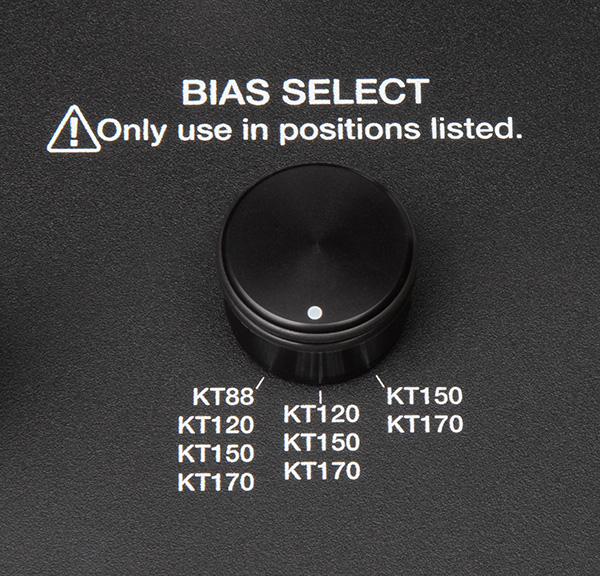
Compatible with KT88, KT120, KT150, and KT170 output tubes, the Bia 200’s three-position bias selector permits you to set the bias with a flip of a dial in actual time—no power-down required. The left place selects 60Wpc, usable with all 4 tubes; the center place selects 85Wpc, which excludes the KT88; the proper place selects 100Wpc, which, as well as, excludes the KT120. I experimented with totally different output tubes and located that, for a given tube set, altering the setting resulted in a barely altered sound. The Bia 200’s consumer guide, which devotes two pages to using the bias selector, confirms this remark and advises, “You can change the bias on the ‘FLY’ whereas the unit is on so you may hear the distinction. It will take a couple of minutes for the tubes to react, to both warmth up or quiet down, to listen to the distinction.”


The Bia 200 represents a considerable remake of its predecessor, the Bia 120 Select, together with a brand new energy provide, new enter and output circuits, and new output tubes. The adjustable bias management and alternative to make use of a larger number of output tubes are additionally new.


Stout and robust with female curves, the Bia 200 stands 10″ excessive, 17″ extensive, and 20″ deep. Its sides and high are shaped from 14- and 16-gauge zinc-plated metal. Steel can also be utilized in the back and front panels, whereas these undulating faceplate items are made out of brushed aluminum.


Viewed from above, the Bia 200 is split symmetrically into two curved sections. The lined part comprises the transformers; the uncovered half shows the facility and sign tubes. There’s not a lot on the entrance panel: only a recessed energy button and two LED lights. The energy button felt somewhat clunky and stiff. In an e mail, George Counnas defined that the facility button—chunky by design—energizes a relay that powers the amplifier up or down. Both LEDs—one inexperienced (for high-voltage), one amber (for low)—are lit when the unit is powered and working appropriately.


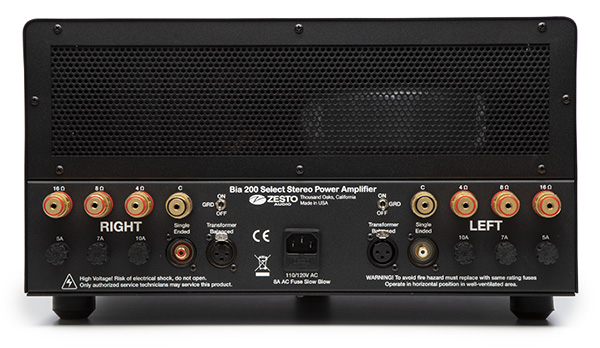
On the amplifier’s again panel, floor switches accompany the left and proper balanced (XLR) inputs, permitting them to be ungrounded if floor loop hum is audible. These are flanked by two units of speaker binding posts with 4, 8, and 16 ohm transformer faucets. Fuses for every speaker submit, left and proper gold-plated RCA inputs, and an IEC energy jack full the amp’s connectivity.


The Bia 200 employs a customized toroidal energy transformer manufactured by Toroid Corp. of Maryland, 1% metallic movie resistors, polypropylene capacitors all through the sign path, and stable state rectification. Counnas used circuit boards below the tubes, point-to-point wiring in all places else. “Designing a working circuit is pretty straightforward,” Counnas wrote. Most of his time is spent “making it sound good,” he stated. George Counnas favors Ultralinear designs due to their low distortion.


I’ve had tube amps up to now that allowed you to decide on between Ultralinear and triode modes with a toggle swap. Curious to be taught extra about Ultralinear design, I did some studying and located that it’s a sort of what’s termed distributed loading, used to scale back harmonic distortion within the push-pull output stage of a pentode or a beam-tetrode audio amplifier (footnote 1). Theory and Operation of the Ultra-Linear Circuit (footnote 2) says that “of all of the strategies which were devised to reduce distortion, the Ultralinear precept is the one one which assaults the issue on the supply, within the non-linearity of the output tube itself.” Then, after some math and diagrams, “Ultra Linear operation doesn’t get rid of distortion altogether. However, measurements have proven that with correct changes of the grid bias and cargo, third harmonic distortion may be just about eradicated, and the proportion of upper harmonics drastically decreased. Moderate quantities of suggestions can then be launched to scale back the upper harmonics to insignificance.” George Counnas does not do this final half within the Bia 200, although; its output stays feedback-free.


I requested Counnas what gear was used to judge the Bia 200, as I consider a producer’s selection of playback gear says one thing in regards to the designer and the product. He stated, “We use a Merrill Williams Audio REAL 101.2 Turntable with a ten” Tri-Planar Mk VII U2 tonearm and a Benz Micro Gullwing SLR MC cartridge. Then, my Zesto Audio Andros Téssera Reference phono stage into our Zesto Audio Leto Ultra II preamp; after the amp—after the Bia 200 monos—Marten Django L audio system. Cabling by Cardas.” That’s a system I’d love to listen to.


Setup

The Bia 200’s guide says the Bia and its tubes obtain “50-hour manufacturing facility burn-in,” but it surely additionally notes that it might probably take 200 hours of break-in for greatest efficiency. I commenced the break-in course of utilizing Roon, Tidal, and Qobuz. I stationed the Bia 200 on a big bamboo Ikea Aptitlig chopping board atop a rug on my suspended hardwood flooring. I related it to energy with a Triode Wire Labs Obsession NCF energy cable and to my Shindo Allegro preamplifier with a pair of Neutrik cables. Loudspeaker connections have been made with the Analysis Plus Silver Apex. For phono playback, I used the Shindo’s inside MC/MM phono stage.


Footnote 1: See the article in r-type.org/articles/art-115.htm.


Footnote 2: This booklet from about 1952, by Herb Keroes, is on the market for obtain at tubebooks.org/file_downloads/ultralinear.pdf.

Zesto Bia 200 Select energy amplifier

Like many different industries, audio has its energy {couples}: behind-the-scenes movers-and-shakers who form the trajectory of the business and who additionally occur to be, effectively, collectively. Angela Cardas and Josh Meredith of Cardas Audio come to thoughts, as do Dave and Carol Clark of Positive Feedback, Eli and Ofra Gershman of Gershman Acoustics, Luke Manley and Bea Lam of VTL, Carl and Marilyn Marchisotto of Nola Speakers, Edwin and Gabi van der Kley-Rynveld of Siltech and Crystal Cable. George and Carolyn Counnas of Zesto Audio are a hi-fi energy couple I’m particularly keen on; I’m at all times joyful to see them at reveals, meet up with them on the cellphone, or trade emails with them. Their candy demeanor and good vibrations at all times carry my spirits.


George designs Zesto’s preamplifiers, energy amplifiers, phono phases, and step-up transformers, whereas Carolyn, a gifted fine-art painter, offers Zesto’s merchandise their distinctive natural curves, which differentiate Zesto from the straight strains and sq. packing containers that dominate the hi-fi world. But industrial design isn’t the one distinguishing function of the Zesto model. There’s additionally the sound of their merchandise: resolving, impartial, quiet, with hair-raising dynamics and exact imaging. Exciting.


I reviewed the Zesto Leto Ultra II line preamplifier within the January 2021 problem, and I’m joyful to now carry one among its large sisters, the Zesto Bia 200 Select stereo energy amplifier ($15,900), to my NYC crib for examination. With any luck, the Bia 200 Select’s energy tubes will present not solely tremendous sounds but additionally some additional warmth to my condominium in the course of the winter months because the constructing’s Seventies-era boiler struggles to push ample warmth as much as my penthouse pad.


Design

The Bia 200 Select is an Ultralinear, dual-mono, class-A design in push-pull configuration with no destructive suggestions. Out of the field, it employs 4 JJ 12AU7 and 4 Tung-Sol KT150 energy tetrodes: one enter buffer/splitter and one driver per channel, however tube-rolling is inspired and supported.


Compatible with KT88, KT120, KT150, and KT170 output tubes, the Bia 200’s three-position bias selector permits you to set the bias with a flip of a dial in actual time—no power-down required. The left place selects 60Wpc, usable with all 4 tubes; the center place selects 85Wpc, which excludes the KT88; the best place selects 100Wpc, which, as well as, excludes the KT120. I experimented with completely different output tubes and located that, for a given tube set, altering the setting resulted in a barely altered sound. The Bia 200’s person handbook, which devotes two pages to the usage of the bias selector, confirms this remark and advises, “You can change the bias on the ‘FLY’ whereas the unit is on so you’ll be able to hear the distinction. It will take a couple of minutes for the tubes to react, to both warmth up or quiet down, to listen to the distinction.”


The Bia 200 represents a considerable remake of its predecessor, the Bia 120 Select, together with a brand new energy provide, new enter and output circuits, and new output tubes. The adjustable bias management and alternative to make use of a larger number of output tubes are additionally new.


Stout and robust with female curves, the Bia 200 stands 10″ excessive, 17″ extensive, and 20″ deep. Its sides and prime are shaped from 14- and 16-gauge zinc-plated metal. Steel can also be utilized in the back and front panels, whereas these undulating faceplate items are created from brushed aluminum.


Viewed from above, the Bia 200 is split symmetrically into two curved sections. The lined part incorporates the transformers; the uncovered half shows the facility and sign tubes. There’s not a lot on the entrance panel: only a recessed energy button and two LED lights. The energy button felt moderately clunky and stiff. In an e mail, George Counnas defined that the facility button—chunky by design—energizes a relay that powers the amplifier up or down. Both LEDs—one inexperienced (for high-voltage), one amber (for low)—are lit when the unit is powered and working accurately.


On the amplifier’s again panel, floor switches accompany the left and proper balanced (XLR) inputs, permitting them to be ungrounded if floor loop hum is audible. These are flanked by two units of speaker binding posts with 4, 8, and 16 ohm transformer faucets. Fuses for every speaker publish, left and proper gold-plated RCA inputs, and an IEC energy jack full the amp’s connectivity.


The Bia 200 employs a customized toroidal energy transformer manufactured by Toroid Corp. of Maryland, 1% metallic movie resistors, polypropylene capacitors all through the sign path, and stable state rectification. Counnas used circuit boards below the tubes, point-to-point wiring in every single place else. “Designing a working circuit is pretty simple,” Counnas wrote. Most of his time is spent “making it sound good,” he mentioned. George Counnas favors Ultralinear designs due to their low distortion.


I’ve had tube amps prior to now that allowed you to decide on between Ultralinear and triode modes with a toggle swap. Curious to study extra about Ultralinear design, I did some studying and located that it’s a sort of what’s termed distributed loading, used to scale back harmonic distortion within the push-pull output stage of a pentode or a beam-tetrode audio amplifier (footnote 1). Theory and Operation of the Ultra-Linear Circuit (footnote 2) says that “of all of the strategies which have been devised to reduce distortion, the Ultralinear precept is the one one which assaults the issue on the supply, within the non-linearity of the output tube itself.” Then, after some math and diagrams, “Ultra Linear operation doesn’t get rid of distortion altogether. However, measurements have proven that with correct changes of the grid bias and cargo, third harmonic distortion may be just about eradicated, and the share of upper harmonics vastly diminished. Moderate quantities of suggestions can then be launched to scale back the upper harmonics to insignificance.” George Counnas does not try this final half within the Bia 200, although; its output stays feedback-free.


I requested Counnas what tools was used to judge the Bia 200, as I consider a producer’s selection of playback gear says one thing concerning the designer and the product. He mentioned, “We use a Merrill Williams Audio REAL 101.2 Turntable with a ten” Tri-Planar Mk VII U2 tonearm and a Benz Micro Gullwing SLR MC cartridge. Then, my Zesto Audio Andros Téssera Reference phono stage into our Zesto Audio Leto Ultra II preamp; after the amp—after the Bia 200 monos—Marten Django L audio system. Cabling by Cardas.” That’s a system I’d love to listen to.


Setup

The Bia 200’s handbook says the Bia and its tubes obtain “50-hour manufacturing unit burn-in,” but it surely additionally notes that it will possibly take 200 hours of break-in for greatest efficiency. I commenced the break-in course of utilizing Roon, Tidal, and Qobuz. I stationed the Bia 200 on a big bamboo Ikea Aptitlig chopping board atop a rug on my suspended hardwood flooring. I linked it to energy with a Triode Wire Labs Obsession NCF energy cable and to my Shindo Allegro preamplifier with a pair of Neutrik cables. Loudspeaker connections had been made with the Analysis Plus Silver Apex. For phono playback, I used the Shindo’s inside MC/MM phono stage.


Footnote 1: See the article in r-type.org/articles/art-115.htm.


Footnote 2: This booklet from about 1952, by Herb Keroes, is on the market for obtain at tubebooks.org/file_downloads/ultralinear.pdf.

Posted in Uncategorized