Author Archives: toneaudio

The Luxman L-507Z Integrated Amplifier

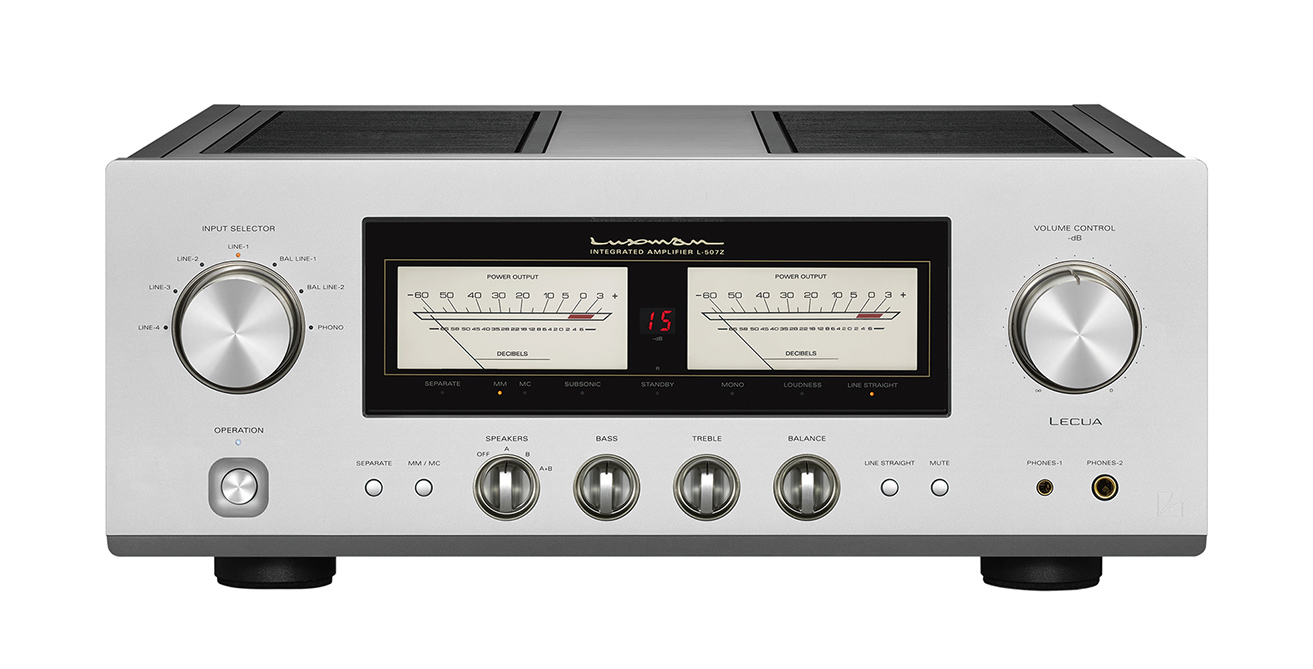
The Luxman L-507Z integrated amplifier marks the beginning of an entirely new “Z”series of amplifiers.

In typical Luxman fashion, they have borrowed heavily on tech from their flagship separates. Their website says, “The L-507z joins Luxman’s integrated amplifier range with numerous advances and features our newly designed “LIFES1.0” distortion canceling feedback engine. “LIFES” is a significant evolution from “ODNF” circuitry, which has long been a key advantage of Luxman amplifiers since its 2010 introduction in our X-series. The robust L-507z marks the beginning of Z-Series, all being developed to include this latest “LIFES” high-quality amplification system, a core technology also shared with our new flagship M-10x stereo/mono power amplifier.”

Bottom line, this amplifier sounds fantastic, and with 110 Watts per channel (into 8 ohms) can drive nearly any speakers with ease. We’ve got a full review on the way shortly but suffice to say that Luxman excels at delivering the quality of separates in a single box. If you want world class sound without needing a rack full of gear, this is the way to go. In addition to the rest of the amplifier updates, the MM/MC phono section is also improved.

A nod to personal audio enthusiasts, the front panel is now equipped with a standard 6.3mm stereo headphone(s) jack and a new 4.4mm “Pentaconn” type. This stereo 4.4mm connection makes “quasi-balanced”, connection possible, featuring separate left and right channel ground returns.. Even the famous output meters now offer a red, LED readout in the center to indicate volume level. All of these subtle changes make for a major upgrade. The507z is the perfect anchor to a high-quality music system.

$8,995
Luxmanamerica.com

Original article: The Luxman L-507Z Integrated Amplifier

Please note that all TONE Audio copy and photography is © 2005–2018 TONE Magazine LLC. This RSS feed is provided for personal, non-commercial use only.

If you are not reading this content in your news aggregator, RSS reader, or direct, then the site you are looking at may be guilty of copyright infringement. If you locate this anywhere, please contact [email protected] so we can take action immediately.

TONEAudio MAGAZINE. All Rights Reserved.

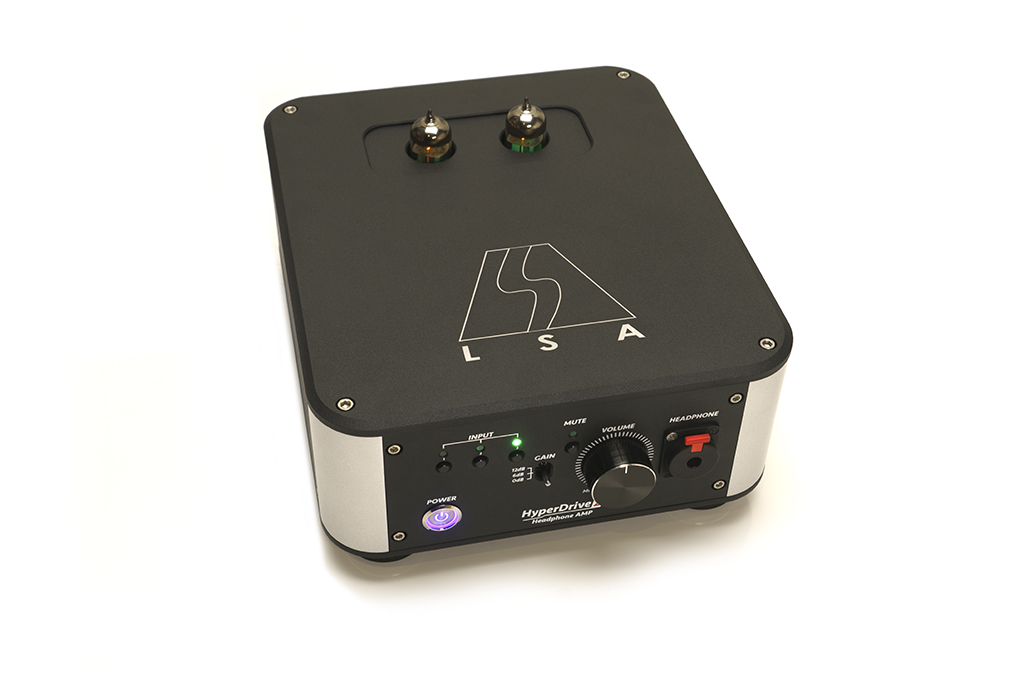
LSA HyperDrive 2 – Review

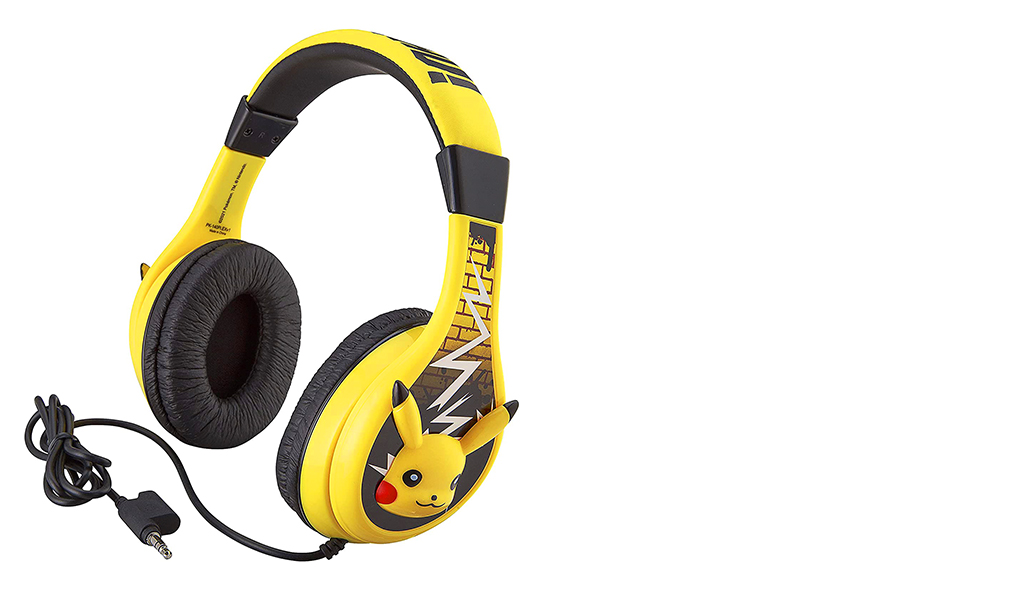
You might laugh at me for beginning my review of the new LSA headphone amplifier with my Pikachu headphones, but it’s somewhat of a torture test.

More often than not, crappy budget headphones have a crazy impedance curve. (Which makes them sound even worse with a phone or laptop) But an amplifier with some serious drive can control them enough to sound better than they are. Bam, the new HyperDrive 2 Preamp/Headphone amplifier passes the first test.

LSA is going to be selling the HyperDrive 2 for $995, but in typical Underwood HiFi Tradition, they give early adopters a deal – for now they will be $799. I’m not a huge headphone listener, but I really love headphone amplifiers that offer the ability to be used as a preamplifier as well – it’s the perfect way to entice a personal listener into a two-channel system as time, budget and space allow, making this an even better value. LSA’s Mark Schifter said that the first 100 units will also have NOS Russian 6N1P tubes. Our experience has been that these are very robust tubes with long life, so this will provide even more value.

Ok, on to real headphones

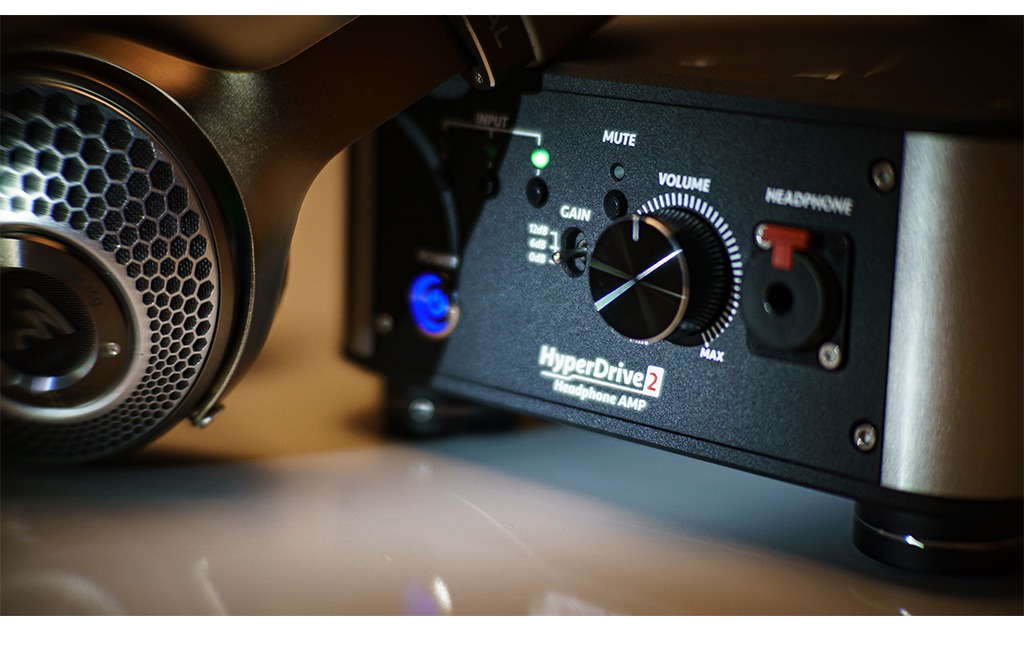
Getting back to hifi reality, a group of phones including an older pair of Grado SR-60s, Sennheiser 650s (with Cardas cabling) and some original Audeze LCD-1s rounded out the old school, with some Sendy Peackocks, and a pair of Focal Clear Mgs for current cans. Thanks to the adjustable gain switch on the front panel (0dB, 6dB, and 12dB) you should be able to drive anything with ease.

The overall sound of the HyperDrive 2 is large, spacious, headphone-y. When you put on Pink Floyd’s Dark Side of the Moon, Santana’s Abraxas (whatever version you have, btw) or anything by Frank Zappa, you’ll want to light up a joint. Or feel like you’ve already indulged. Headphone listening is a personal experience, and for many the gateway to high end audio.

Those tubes inject a nice bit of tonal saturation and warmth, to distinguish the HyperDrive 2 from a lot of other inexpensive headphone amplifiers that rely on Op Amps alone. It’s just right and a welcome touch. Highs are fleshed out, mids sound natural – regardless of headphones chosen, and the bottom end is well defined and powerful.

Bonus #1 – It’s an incredible preamplifier

You could buy the HyperDrive 2, never use it for more than a headphone amplifier, and be completely happy forever. Really, it’s that good. Even my $4,000 pair of Focal Utopias sound damn good through the HyperDrive 2.

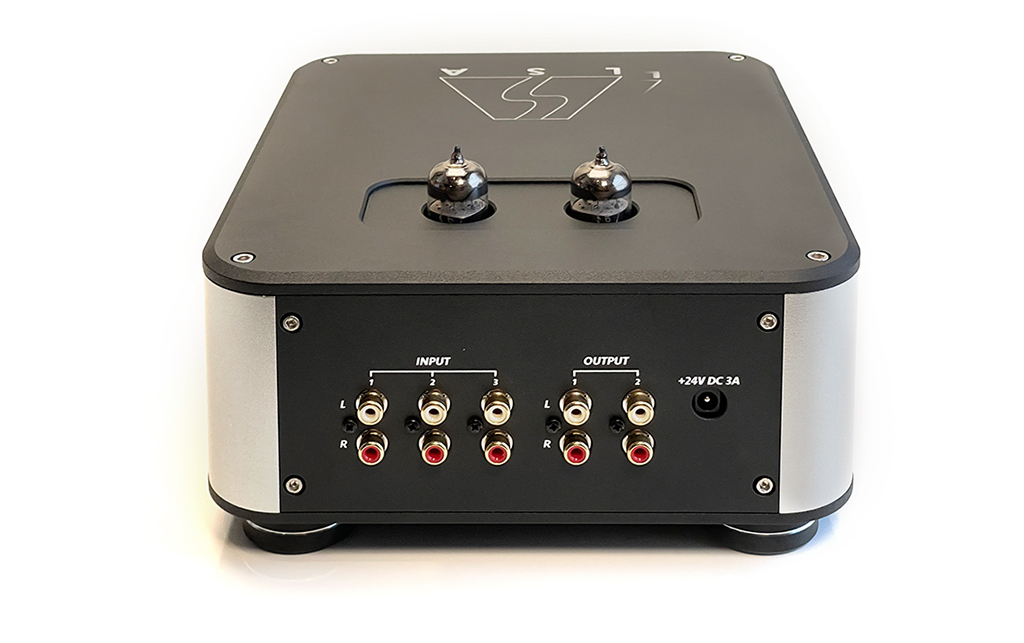
However, good as the HyperDrive 2 is in this mode, I submit that it’s an even better stereo preamplifier. Now that most people use their DAC as a digital hub, the three single ended RCA inputs are enough for your favorite DAC, a phono stage, and maybe even a tuner or cassette deck.

The level of transparency, musicality, and sheer weight that the HyperDrive 2 delivers reminds me of legacy giant killers from Hafler, NAD, and APT/Holman. Simple, well-designed circuits that achieved synergistic success that was more than the sum of the parts used to construct them. The input stage consists of a pair of ECC88/6DJ8 tubes, so you can tune this to taste with some NOS tubes, and the heaphone amplifier section utilizes the Texas Instruments TPA6120A2 op amps, with the preamp output (line level outputs) using Texas Instruments OPA1656 op amps. I’m normally op amp adverse, but these are well implemented.

Again, keeping the approachable ethos intact, three power amplifiers were used with great success. A recently re-capped Nakamichi 420 power amplifier, scored from a friend for a couple hundred bucks was first up. Second, the LAB 12 Mighty, which provides 10 Wpc of single ended EL34 power, and finally a PrimaLuna EVO 100 power amplifier. (35 Wpc all tube).

Speakers on hand were equally budget minded. A pair of Vandersteen 1Cs, a vintage pair of Acoustat 1+1s (though I had to step the game up to my vintage Nakamichi 620 power amplifier) and a pair of KEF LS-50s. Throw in some entry level Black II cables from Tellurium Q, and we’ve got a rocking system on a reasonable budget.

The LSA used in this manner is incredibly good. Way beyond what is typically offered up at this price – it’s really a level of sonic refinement and resolution that is almost always absent here, usually requiring spending a lot more money. This is the true strength of the HyperDrive 2. Underwood and LSA’s manufacturer direct policy makes it possible. Bonus points for you.

Bonus #2 – You can drive speakers with it – a bit

Well, within reason. LSA claims 2 watts into 32 ohms, so I had to go for it. You won’t be able to drive a pair of Harbeths with this thing, but if you’ve got a pair of Klipsch LaScala’s, some Zu Dirty Weekends, or a pair of the new Heretic speakers with 97dB sensitivity. And Bingo was his name. A quick late night run to Best Buy for an $8 headphone extension cable was all that I needed to hack the system, and my trusty wire stripper. The HyperDrive 2 has a standard ¼” jack on the front panel for your phones, so that’s how we did it.

I’m sure the LSA folks won’t sanction this, but if you have a similar pair of speakers in a small ish room, this little desktop powerhouse is incredibly clean sounding. I couldn’t help but be totally impressed with how well this headphone amplifier drove my Heretic A614s to modest levels. If I were back in college again, in a small listening room, I could really enjoy this kind of setup. LSA claims an output impedance of 13 ohms, so this activity will be hit and miss, depending on your speakers. But always worth exploring!

An outstanding value proposition

In a world populated more and more by stuff barely anyone can afford, it’s refreshing to see a product so dedicated in offering so much performance for the dollar. In my day we had our Hafler, NAD, and a few others to get us into it all. Sure, they didn’t have the same quality of casework as maybe a Levinson or Krell piece, but the sonic fundamentals were there in enough abundance to get us to all abandon our mid fi recievers.

Today, the LSA Hyperdrive will convince you it’s time to step up from a Sonos or powered speaker thing and get a real hifi system. Pair it up with a few carefully chosen components and you’ll be thrilled, whether you approach it as a headphone amplifier first or as a 2-channel preamplifier that’s the cornerstone of your system. Very highly recommended. You’ll be seeing this one again before the end of the year. Pika, pika.

www.underwoodhifi.com

Original article: LSA HyperDrive 2 – Review

Please note that all TONE Audio copy and photography is © 2005–2018 TONE Magazine LLC. This RSS feed is provided for personal, non-commercial use only.

If you are not reading this content in your news aggregator, RSS reader, or direct, then the site you are looking at may be guilty of copyright infringement. If you locate this anywhere, please contact [email protected] so we can take action immediately.

TONEAudio MAGAZINE. All Rights Reserved.

Updated Utopia Phones from Focal

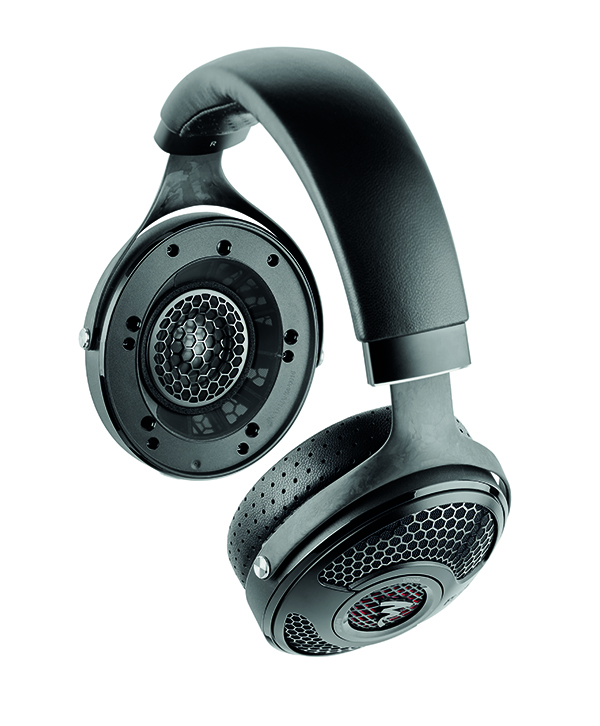
Constantly striving for sonic excellence, Focal has just announced a new, improved version of their top-of-the-line Utopia headphones. Now referred to as the 2022 Edition, the new phones are an evolution of sonic and aesthetic performance.

Here’s what they’ve told us so far, we’ve got a review pair on the way:

A new voice coil was developed for the new Utopia. Former-less Aluminum (material of previous Utopia voice coil) and copper to improve the reliability – approx. 30% of copper and 70% of aluminum (because aluminum is a lighter material).

Sonic upgrade: Focal changed the driver grill, with the ‘M’ shape grill (Pure Beryllium) that they developed with Clear Mg. The new grill perfectly follows the shape of the dome and driver inside, so it reduces the gap between the driver and the grill. Reducing the gap helps in the linearity of the frequency response, mostly for trebles. The M-shaped drivers and M-shaped grills enable even clearer and more accurate musical reproduction.

Design overhaul, so this more clearly looks like the flagship model of Focal’s headphone family, with its distinctive honeycombstyling. This is NOT just about looking good: the honeycomb design enables a more open sound, with greater driver movement.

Lighter design for greater listening comfort – by using forged, recycled carbon yokes.

Handcrafted in France in Focal’s specialist headphone atelier, which has received significant investment since Focal launched the original Utopia.

These are premiering at CanJam this weekend, where you can see them in the Focal Booth – F3/F4/F7/F8.

And if you need a pair right now, you can purchase them here:

headphones.com/products/focal-utopia

https://www.moon-audio.com/focal-utopia-2022-headphones.html

https://www.crutchfield.com/p_091UTP2022/Focal-Utopia-2022.html

For more info, Focal has a new section of their website all about the new 2022 edition. We certainly can’t wait to hear them and compare to our current reference Utopias. Please click here:

https://www.focal.com/en/headphones-0/headphones/for-home/utopia-2022

Original article: Updated Utopia Phones from Focal

Please note that all TONE Audio copy and photography is © 2005–2018 TONE Magazine LLC. This RSS feed is provided for personal, non-commercial use only.

If you are not reading this content in your news aggregator, RSS reader, or direct, then the site you are looking at may be guilty of copyright infringement. If you locate this anywhere, please contact [email protected] so we can take action immediately.

TONEAudio MAGAZINE. All Rights Reserved.
The Degritter Record Cleaner

This is extra of a long-term overview, however in a great way.

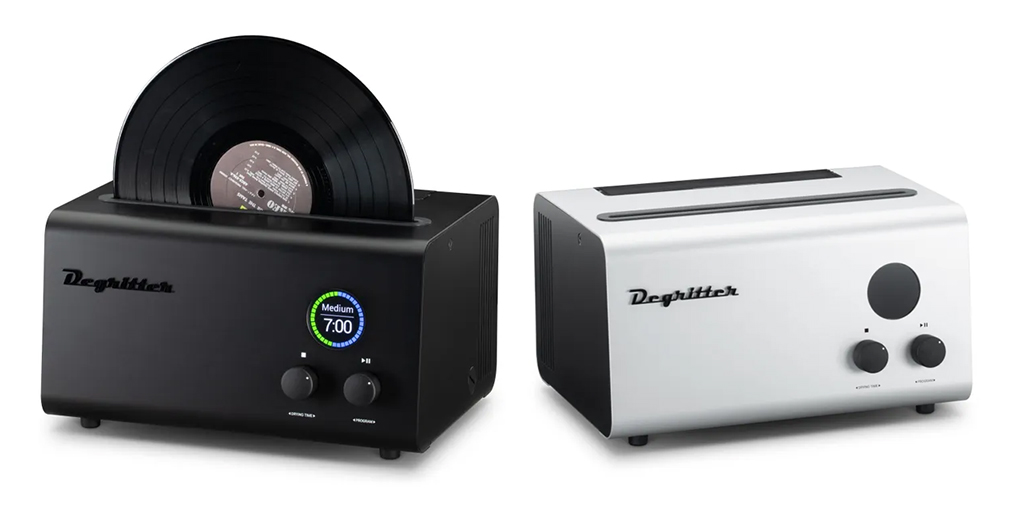
After residing with the Degritter for a while now and having cleaned a ton of records with it, the out of the field love has grown. At about $3,000, that is the perfect one going for our cash. The motive we are saying “about $3,000” is as a result of the unique worth was $3,200, the value of the brand new quickly to be launched Mark II model can be $3,200, however there are nonetheless a couple of first gen machines on the market on retailer cabinets at a barely discounted worth.

You know I’m not one to throw that B-word round loosely. However, I’ve owned quite a lot of RCMs over time. Please discover using the phrase “personal.” This journey started within the late 70s with an authentic Nitty Gritty and began a routine of vinyl hygiene that’s stayed in place. We went by a couple of Nitty Gritty’s, a Keith Monks (each on mortgage and a purchase) almost all the VPI machines, a ClearAudio RCM, a Loricraft, the Kirmuss, and the Systeme Deck.

The base VPI 16.5 that’s been round since present CEO Mat Weisfeld was solely a figment of his father Harry’s creativeness remains to be not a nasty strategy to go for the funds minded file collector. But ultrasonic cleansing is the best way to go to get your records tremendous clear. Ten years in the past, I might need commented that “you possibly can purchase quite a lot of vinyl for $3,200” however at the moment not as a lot. Considering what records value as of late – particularly when you have quite a lot of uncommon objects, or an intensive assortment of remastered discs, retaining them pristine is the perfect cash you may spend.

If you’ve ever learn an article on vinyl within the mainstream press, they like to wax poetic in regards to the traditional sound of vinyl, with all of the ticks and pops. Forget that – it’s not a part of the true vinyl expertise and it doesn’t should be. Especially when you have a Degritter

Hands down essentially the most user-friendly mannequin going

You can take a fast peek on the step-by-step operation, right here on the Degritter web site. (https://degritter.com/merchandise/mark-1/). You also can obtain the well-written guide, which gives you an excellent higher thought of how the Degritter works.

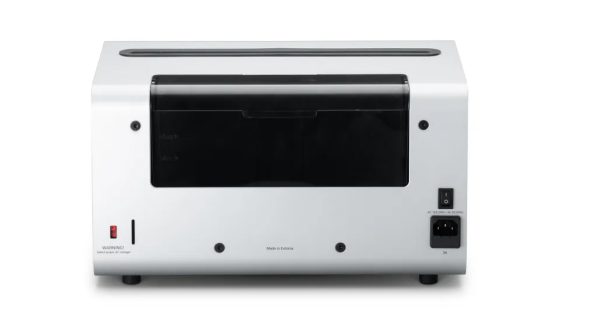
It does its job with distilled water, the ultrasonic course of takes care of the remainder. If you’ve gotten actually soiled records, they do provide their very own cleansing fluid you can add to the wash tank, which ought to be modified each 30 records anyway. It’s not the worst thought to save lots of the actually soiled ones for a single batch.

Once the water tank is stuffed, all that must be accomplished is load your favourite file, select the cleansing mode, and push the go button. There are three modes, QUICK – 2 min/15 sec., Medium – 3 min/45 sec and HEAVY, 6 min-45 seconds. As most of my records are both very clear, going past medium was by no means mandatory. In the previous when utilizing one other ultrasonic cleaner, and shopping for extra cut price records vulnerable to filthy surfaces, the VPI 16.5 was used for an preliminary cleansing, then a cross by the ultrasonic.

A seek for some actually scummy records at our native used file retailer put the Degritter’s most cleansing capability to the take a look at, and it handed with ease. This results in the subsequent beauty of the Degritter – it’s the quietest RCM going. While my Degritter is in a separate room the place the primary turntables in my system reside, behind a closed door, this nonetheless is a RCM you possibly can hearken to music with whereas cleansing records and never be irritated.

It’s capability to carry out the cleansing and drying cycle unattended makes cleansing records as painless and unobtrusive as will be. Nothing extra boring than sitting above the VPI, scrubbing, and squirting and making a reasonable mess. Again, comfort and refinement has a better price ticket. The seasoned file collector will love the convenience of operation, and a clear, dry file to drop in a recent archival sleeve once you’re accomplished. Fantastic.

Odds and ends

The Degritter additionally lets you set how excessive the water/cleansing fluid rises on the file, in order that it doesn’t soak the label. They additionally supply adaptors for 7 and 10-inch records that can allow you to preserve these records. As I solely have a handful of 78s, I didn’t attempt to clear them, however will ask the Degritter folks if that is attainable. Stay tuned.

Finally, this machine actually caters to the vinyl fanatic that’s going to wash a LOT of records. Filters and equipment are very cheap, and the spare wash tank is a superb contact. If you’re going from a giant batch of soiled records to not so soiled, or model new records, you may simply pop a brand new tank in and preserve cleansing whilst you rinse out the primary tank.

The lack of sound

Every fluid and vacuum RCM we’ve tried at all times leaves a tiny little bit of residue, even after a second distilled water wash solely. It’s not the top of the world as we all know it, however when you have a extremely resolving system, you would possibly hear a slight little bit of swishing noise, nearly like a faint hiss from a tape deck with quite a lot of wow and flutter. The ultrasonic methodology has none of this.

Even with a model new file, (which we at all times recommend you clear anyway) the extent of floor noise eradicated by the Degritter is sort of like placing a greater grade of tubes in your phono preamplifier. That type of factor.

If you add a Degritter to your vinyl setup, you’ll by no means should reminisce about these “clicks and pops” once more. And that’s a beautiful factor. PS: The Degritter was one among our two Product of the Year winners within the equipment class. Highly really useful.

www.degritter.com

Original article: The Degritter Record Cleaner

©2023 TONEAudio MAGAZINE. All Rights Reserved.

High End by OZ is now distributor for Lansche Audio

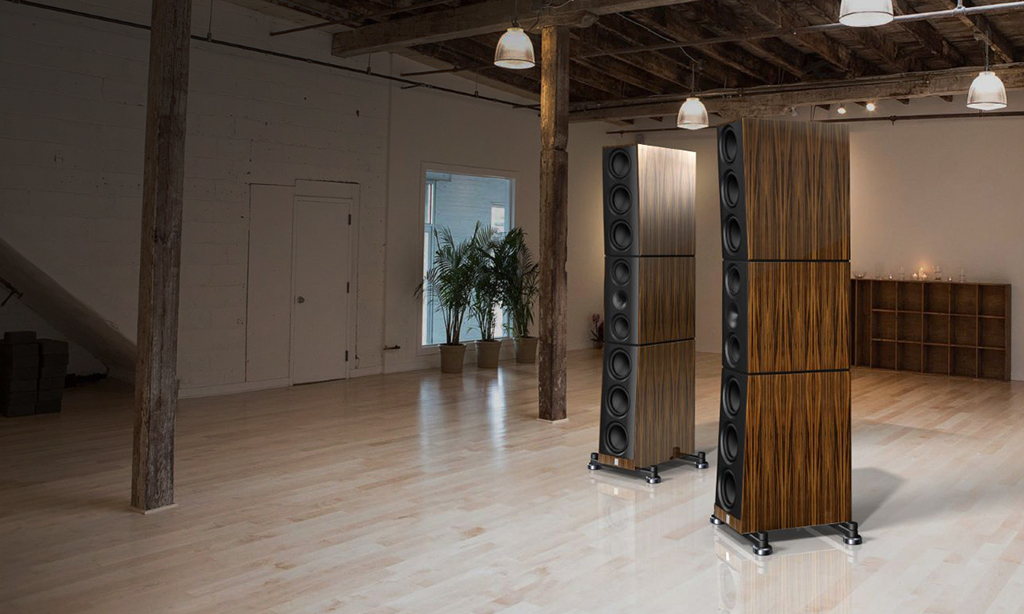
Lansche Audio is pleased to announce High End by Oz, based in Norwalk, Connecticut, as its official distributor for North America.

High End by Oz LLC. is a high-end audio distributor covering North America with some of the finest high-end audio products from around the world. The addition of Lansche Audio to the portfolio further expands our state-of-the-art offering in the North American market.

Lansche Audio was founded in 1990. Its production facility is in Konstanz, Germany.  Company co-founder Rudiger Lansche studied electrical engineering. A passionate violinist, he has been involved in the development of loudspeaker systems for over 40 years. He has developed the plasma tweeter (the basis for the Corona ion tweeter) decades ago – this is what lies in the heart of Lansche speaker design.

The launch of Lansche speakers to take place in the upcoming Capital Audio Fest scheduled to take place on 11/11- 11/13 2022 in Rockville, Maryland.

They invite you to experience Lansche Audio speakers through our dealership network in North America.

www.highendbyoz.com

Original article: High End by OZ is now distributor for Lansche Audio

Please note that all TONE Audio copy and photography is © 2005–2018 TONE Magazine LLC. This RSS feed is provided for personal, non-commercial use only.

If you are not reading this content in your news aggregator, RSS reader, or direct, then the site you are looking at may be guilty of copyright infringement. If you locate this anywhere, please contact [email protected] so we can take action immediately.

TONEAudio MAGAZINE. All Rights Reserved.

Totem Kin Play Towers – More of a GREAT thing

I’ve been living with a pair of Totem’s Kin Play monitor speakers for almost two years now. Needless to say I love em.

However, a recent dog related accident, had one of them toppling off the (what I thought was unmoveable) filled, Sound Anchors stands and dinging a corner. This had me re-thinking priorities, but as I mentioned, the sound of the Kin Play speakers was fantastic for our bedroom system, allowing streaming music via AirPlay with the built-in DAC, or 2.1 video sound.

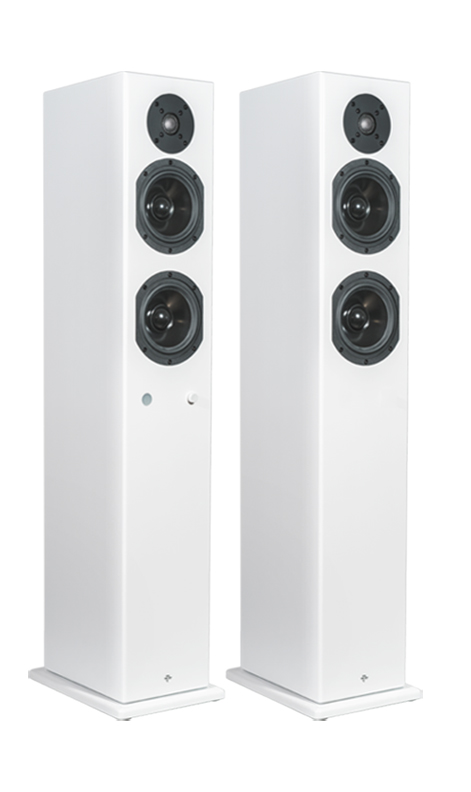
Enter the Kin Play Towers. Bigger sound, more bass, and more power! 200 Wpc to be exact. Now I can crank up the sound level even higher when watching F1. Life is good. And, even though they are made in black, the satin white blends into a small space exquisitely.

We will have a full review in issue 114, but there’s no way these are going back to the Great White North. If you need a compact, yet powerful and highly functional pair of powered tower speakers, the Kin Play Towers tick all the boxes.

$2,250/pair at your Totem dealer. Tell them I sent you.

www.totemacoustic.com

Original article: Totem Kin Play Towers – More of a GREAT thing

Please note that all TONE Audio copy and photography is © 2005–2018 TONE Magazine LLC. This RSS feed is provided for personal, non-commercial use only.

If you are not reading this content in your news aggregator, RSS reader, or direct, then the site you are looking at may be guilty of copyright infringement. If you locate this anywhere, please contact [email protected] so we can take action immediately.

TONEAudio MAGAZINE. All Rights Reserved.

The Audio Research LS-28SE

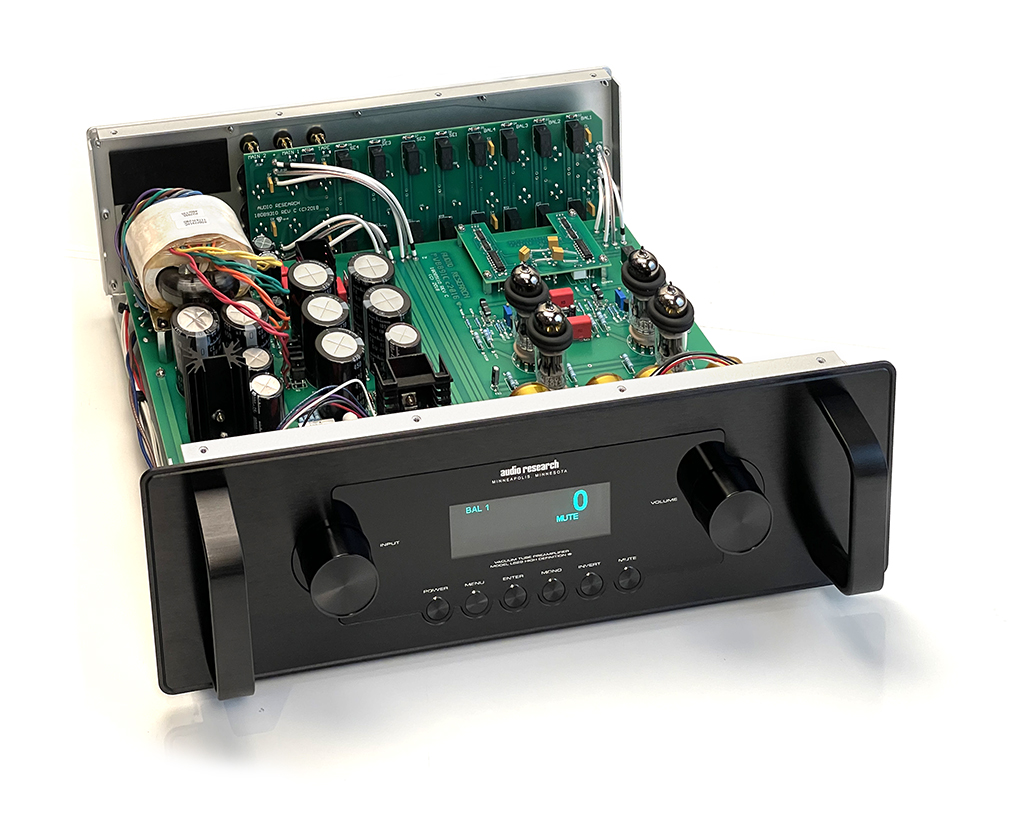
Somehow, Audio Research is remembered too often only for their Reference series of components. (i.e. the most expensive), yet the LS series is still incredibly good, always incorporating the benefits of R&D from the REF series.

Time and current parts/shipping issues have pushed the price of the LS preamplifier to an even $10k, where the REF 6SE is now $17,000. Inflation doesn’t tell the whole story – back in 1989 when the original hybrid FET/Tube LS-1 was launched at $1,679 only pencils out to about $4k in today’s currency, seems at first blush that the LS-28SE might be overpriced.

However, the original LS-1 was a single ended line stage, where the LS-28SE is fully balanced, all of the switched controls on the front panel are now replaced by microprocessor driven controls, and most importantly, the sound is much closer to the REF than ever before. So much so, that comparing the LS-28SE to a friends REF 5 (that retailed for about 12k back in 2009) really reveals where the progress has been made. Where the prior LS-27/SE had a pair of 6H30 tubes, the 28SE has four.

For all but those with the biggest ambitions, the LS-28SE is an end of the road preamplifier. We’ve got a full review in the works, and some comparisons with past ARC preamplifiers to put it in better perspective. Regardless, the legacy is intact with the LS-28SE.

www.audioresearch.com

Original article: The Audio Research LS-28SE

Please note that all TONE Audio copy and photography is © 2005–2018 TONE Magazine LLC. This RSS feed is provided for personal, non-commercial use only.

If you are not reading this content in your news aggregator, RSS reader, or direct, then the site you are looking at may be guilty of copyright infringement. If you locate this anywhere, please contact [email protected] so we can take action immediately.

TONEAudio MAGAZINE. All Rights Reserved.

Zu Audio Dirty Weekend 6

Zu is back with the latest edition of their Dirty Weekend speakers.

If you’re not in the know, these are like a winery releasing a small batch of some of their best stuff, but not for crazy money.

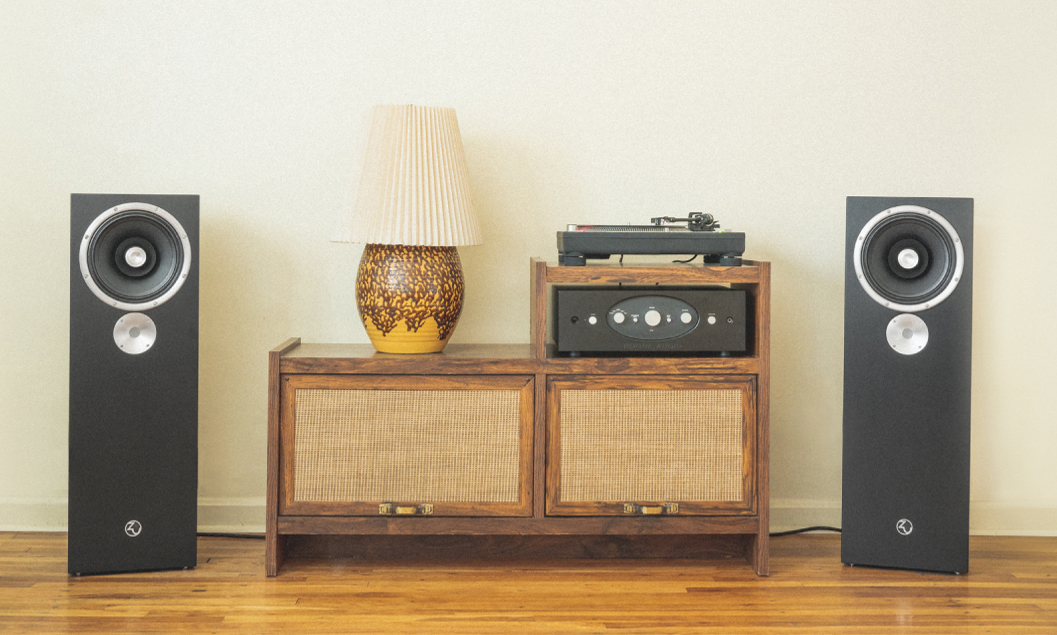
The catch is you have to get them while they are available. Like a pop up store. We’ve got the last version and they are out of this world good. Highly recommended.

https://www.zuaudio.com/loudspeakers/dw6

Original article: Zu Audio Dirty Weekend 6

Please note that all TONE Audio copy and photography is © 2005–2018 TONE Magazine LLC. This RSS feed is provided for personal, non-commercial use only.

If you are not reading this content in your news aggregator, RSS reader, or direct, then the site you are looking at may be guilty of copyright infringement. If you locate this anywhere, please contact [email protected] so we can take action immediately.

TONEAudio MAGAZINE. All Rights Reserved.

The LSA .5 Phono Preamplifier

One of the best upgrades you can make to an entry level analog front end is a better phono stage.

The biggest problem you face is that nearly everything under a thousand dollars is less than stellar, and if you’ve just jumped in the pond, with a table/arm/cartridge in the $300-$700 range, dropping another G right now probably doesn’t make perfect sense.

You’re digging the vinyl thing, and maybe you’re starting to get enthused and obsessed with how things sound – especially if this is all new. Maybe you just want a second system somewhere, but still want as much fidelity as you can get on a tight budget.

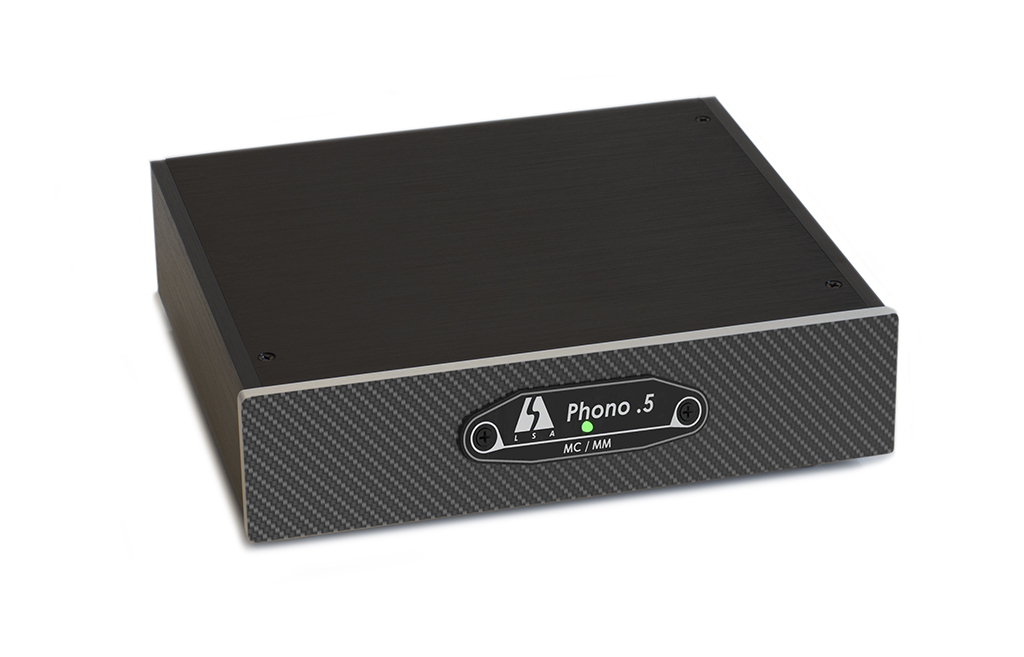
Bam. $249 just took you to audio heaven. LSA’s new .5 phono preamplifier is MM and MC, solid-state, super quiet, and delivers the goods. Plus, no goofy wall wart power supply to keep track of, it uses a standard 15A IEC cord. (hint, hint: once you get used to the buzz the .5 provides, grab your favorite $125 power cord and get a little more juice. Sorry, the habit never ends.) Inside, the .5 is full of components – not air. It sports a healthy toroid power transformer and a tidy circuit board with the main circuitry. There’s also a pair of DIP switches to change from MM to MC mode. MC is a 100 ohm input with 60dB of gain – great for a long list of great performing budget MCs. The casework is solid aluminum, not plastic or stamped metal, creating a product that you’ll be proud to put on your rack.

But the best part is just how musically rewarding the .5 is. We’ve got a full review in the works, but the short story is awesome. The LSA .5 Phono is a great place to spend time playing records. How can you not love it?

www.underwoodhifi.com

Original article: The LSA .5 Phono Preamplifier

Please note that all TONE Audio copy and photography is © 2005–2018 TONE Magazine LLC. This RSS feed is provided for personal, non-commercial use only.

If you are not reading this content in your news aggregator, RSS reader, or direct, then the site you are looking at may be guilty of copyright infringement. If you locate this anywhere, please contact [email protected] so we can take action immediately.

TONEAudio MAGAZINE. All Rights Reserved.

Connecting a REL subwoofer via the high level inputs

When it comes to subwoofers, REL does things a bit differently – for a reason.

Most manufacturers have you plug into their subs via a .1LFE channel (more often than not a HT system), high level from your preamplifier, or amplifiers “subwoofer out” jacks. Some lower priced models even utilize a built in crossover, requiring you to go into their box with your preamplifier outputs, feeding a filtered output (with low frequencies already rolled off) to your power amplifier and main speakers.

Of course, they do offer these options, but years of experience with REL subwoofers has taught me that doing it “their way” always produces the best results. Don’t take my word for it, here’s a short video from REL principal John Hunter. This will tell you what you need to know. Enjoy. (And while you’re at it, I’m sure they’d love it if you subscribed to their channel. Please click on the link below.

https://www.youtube.com/watch?v=aM3N_DHGDQQ&t=2s

Original article: Connecting a REL subwoofer via the high level inputs

Please note that all TONE Audio copy and photography is © 2005–2018 TONE Magazine LLC. This RSS feed is provided for personal, non-commercial use only.

If you are not reading this content in your news aggregator, RSS reader, or direct, then the site you are looking at may be guilty of copyright infringement. If you locate this anywhere, please contact [email protected] so we can take action immediately.

TONEAudio MAGAZINE. All Rights Reserved.