Tag Archives: Gerry Mulligan

Die heimlichen Meisterwerke des Jazz – Gerry Mulligan

Jazz ist unübersichtliches Gelände – leicht kann man da Bedeutendes übersehen. Hans-Jürgen Schaal präsentiert unbesungene Höhepunkte der Jazzgeschichte.

Diese Platte dürfte es eigentlich gar nicht geben. In der offiziellen Jazzgeschichte spielt sie praktisch keine Rolle, auch Gerry Mulligan übersprang sie in Interviews meistens. Am 27. August 1951 sind die Aufnahmen entstanden, in Hackensack, New Jersey. Der junge Rudy Van Gelder warfare der Toningenieur, zu einer Zeit, als man beim Label Blue Note noch gar nichts von ihm wusste. Neben dem Wohnzimmer seiner Eltern hatte er sich einen kleinen Kontrollraum eingerichtet, alles warfare noch provisorisch und experimentell. Auch die Musiker, die an diesem Tag zu Besuch kamen, experimentierten noch. In diesem Sommer probten sie manchmal am Seeufer im Central Park – bis die Polizei sie vertrieb.
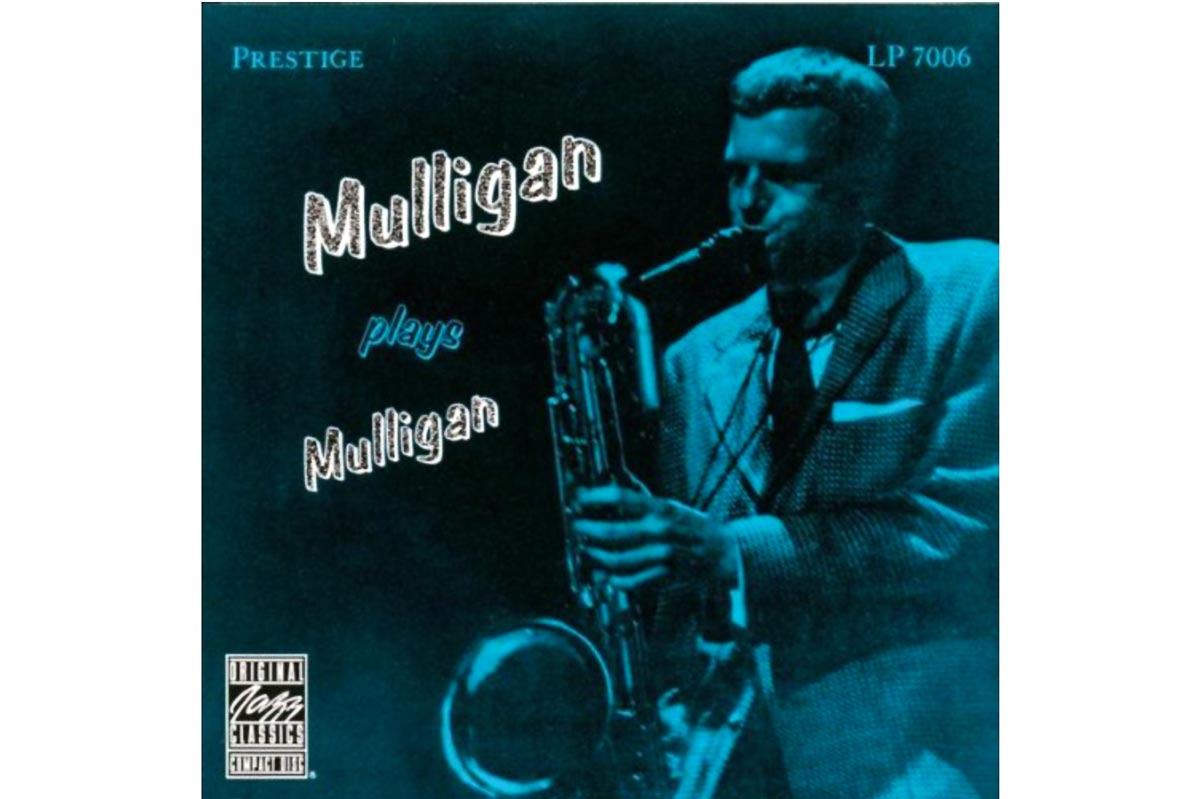
Mulligan plays Mulligan

Der Saxofonist Gerry Mulligan hatte bis dahin vor allem in Bigbands mitgespielt, auch ein paar Arrangements geschrieben. Seine bedeutendste Leistung warfare die Mitarbeit in Miles Davis’ Capitol Orchestra (1949/50) – da bildete Mulligan zusammen mit Miles Davis und Gil Evans den innersten Kern. Drei Stücke schrieb er für Miles’ Nonett und arrangierte drei weitere. Doch nur wenige dieser Aufnahmen wurden zeitnah veröffentlicht (auf 78er-Scheiben). Erst 1957 sollten elf der zwölf Stücke auf einer LP erscheinen, die dann den angemessenen Titel Birth Of The Cool erhielt.

1951 warfare die historische Bedeutung des Capitol Orchestra noch nicht erkennbar. Aber Mulligan verfolgte die Ideen, die er mit Miles Davis und Gil Evans entwickelt hatte, weiter: die entspannten Tempi, den weichen Sechs-Bläser-Klang, die melodischen Linien – Dinge, die die Seele des Cool Jazz ausmachen sollten. Bei Rudy Van Gelder tauchte Mulligan mit einem eigenen Nonett auf, zum Tentett ergänzt durch Gail Madden, Mulligans damalige Freundin, an den Maracas. Sechs Stücke hatten die Musiker vorbereitet – typische Mulligan-Themen, die überwiegend relaxt dahinschlendern, zum Mitsummen oder Mitpfeifen einladen, eingängige Melodien, kontrapunktisch ausgearbeitet. Im Zentrum steht ein sonorer Holzklang: ein Tenorsaxofon und zwei Baritonsaxofone. Die beiden Baritons eröffnen das erste Stück („Funhouse“) ohne Rhythmusbegleitung – schon das warfare ziemlich unerhört.

Die sechs Stücke erschienen damals auf einer 10-Inch-Scheibe, einem ganz neuen Tonträgerformat. Es warfare Gerry Mulligans Debütalbum: Zum ersten Mal hörte man den damals 24-Jährigen ausführlich auf dem Baritonsax improvisieren, in dieser ungekünstelt-hemdsärmeligen Art, die er Lester Young abgelauscht hatte: leichte, flüssige Linien, jede Phrase eine Melodie. Der zweite Hauptsolist, Allen Eager am Tenorsaxofon, ist bei diesen Aufnahmen in der Form seines Lebens. Als die Platte später als 12-Inch wiederveröffentlicht wurde, packte man auf die B-Seite eine Blues-Jam („Mulligan, Too“) vom gleichen Tag: nur Mulligan, Eager und die Rhythmusgruppe. Eine 17-Minuten-Improvisation ohne Thema – eine Pioniertat.

Wenige Monate nach diesen Aufnahmen zog Mulligan nach Kalifornien. Dort gründete er seine erste offizielle Band, das Quartett mit Chet Baker, das zum Startschuss des Westcoast-Jazz wurde. Doch im Grunde begann der Westcoast-Jazz am 27. August 1951 in Hackensack. Das Sechs-Bläser-Format wurde dann ein Standard in Kaliforniens kühler Szene.

Mulligan performs Mulligan auf discogs

Der Beitrag Die heimlichen Meisterwerke des Jazz – Gerry Mulligan erschien zuerst auf FIDELITY on-line.

Jazz On A Summer’s Day: Classic Film Restored On Kino-Lorber Blu-ray

Thelonious Monk

I was excited to read about the availability of a new restored version of a legendary and influential music film call Jazz On A Summer’s Day. Created in 1958 documenting the Newport Jazz Festival that year, the film was put together by then unlikely candidate, noted fashion photographer in Bert Stern.

There is a quite fantastic back story on how this film came together told in a great essay included in the new Kino Lorber Blu-ray Disc edition of Jazz On A Summer’s Day written by jazz critic, writer and Newport Jazz Festival expert Nate Chinen, so I don’t want to spoil his story for you.  

Dinah Washington

But in short, this film was created to help elevate the status of jazz as a popular art and music form in the public eye. They wanted to show that jazz music wasn’t just limited to dark basement clubs and late night party culture — I suspect the genre had at that time gotten some bad press, what with the substance abuses of noted Jazz icons like Billie Holiday, Lester Young and Charlie Parker probably not helping matters much in terms of public acceptance at the time. 

Big Maybelle

Where the film takes some fascinating artful turns begins with its producer/director who came from the Madison Avenue fashion photography universe.  So Bert Stern knew how to deliver a sense of close up elegance through a camera lens.

Coupled with skillful storytelling editing by Aram Avakian — brother of Columbia Records executive George Avakian who was integral to this film’s genesis — Jazz On A Summer’s Day is wonderfully successful on multiple levels.  

Louis Armstrong

A clever combination of extremely tight handheld camera work and creative cutaways to people in the audience — and other mood setting scenes — delivers a tale of the boundary breaking possibilities of the music. 

Showing the upscale alongside the average, all colors and ages sitting and sometimes dancing side-by-side, peacefully and engaged deeply in the sounds, the music is the connective glue between these diverse communities.   

Gerry Mulligan and Art Farmer

As a film on its own Jazz On A Summer’s Day is a wonder to behold and it works well 60 years on as an 80 minute long entertainment. Watching this will be ideal for anybody who is just getting into Jazz.

And for those who are already into the music, you will want to see this new 4K transfer to absorb the stunning color footage of legends who just jump off the screen including Thelonious Monk, Louis Armstrong, Chico Hamilton, Eric Dolphy, Dinah Washington and the great Mahalia Jackson! 

Louis Armstrong

How amazing to see Gerry Mulligan leading his band in all its jumbo Baritone Sax wielding glory.

We even get a glimpse of Chuck Berry at the peak of his initial popularity, young and vivacious best, sparring with a Clarinet player in the house band. Called The Newport Blues Band, the group includes the great Jo Jones on drums and Ray Bryant on Piano.

It is perhaps the first time I’ve seen a Clarinet solo rock! I’m not sure who the player is but I think it might be saxophonist Buddy Tate although Tony Scott is supposed to have been in that band too (according to the original event program which I found posted online, click here to look at that).

Chuck Berry

Probably my favorite moment is watching Louis Armstrong perform his classic “Rocking Chair” with his lifetime friend Jack Teagarden. You can feel their love for one another which just embodies everything that event was about. 

Ray Davies of The Kinks once sang how “celluloid heroes never really die” and this is one of those instances where, indeed, they feel so fresh and alive on screen it is almost unnerving at times.

Chuck Berry

The film was restored from best available sources in a 4K transfer and the look is quite spectacular, all things considered. Perhaps my only disappointment is the sound quality which was taken from best available digital sources. It actually sounds excellent all things considered but it it might have sounded better with a bit more attention. 

Initially it sounds like most of the music is coming out of the left channel but once you get past Anita O’Day’s segment the sound balances out. It is a very real raw mix in that sense, so when a mic on the right channel isn’t being used initially, the sound comes more from the left (and vice versa). Periodically I heard some tape speed issue and at certain points in the film the vocals aren’t exactly in sync with the onscreen movement (most noticeably on Anita O’Day’s performance).  

Anita O’Day

Apparently there were numerous tape reels in deteriorating condition in the producer’s archives so the mind boggles as to whether any sort of digital restoration might be possible down the road.  

If you’ll let me dream for a moment:  perhaps they can “bake” the tapes and transfer them over to digital. Maybe they have and just need some budget to do micro surgery on the tapes (such as was done on some James Brown tracks many years ago). Perhaps there were tape speed issues and too much wow and flutter, so maybe the good folks at Plangent Processes could restore and stabilize them.  

Mahalia Jackson

I wonder if they had reached out to fans and discovered other sources that might be available somewhere — there is a scene in the film of one fan shooting 8 mm film for a bit — and then and synced that up with any other available soundtracks from the archives?

Ahhh… I know… keep dreamin’ baby, dream…

Anyhow, the main reason you should want to buy Jazz On A Summer’s Day  is simply to enjoy it for what it is: a classic music documentary — arguably the first — that looks better now than it ever has. And given that it only cost less than $20 it is a no-brainer to add to your collection.

Kino Lorber’s Jazz On A Summer’s Day, Blu-ray

If you want to listen to some music from the Newport Jazz Festival, following are links to a number of live sets from this 1958 festival which have been released previously and are streaming on Tidal and Qobuz. Just click on artists and you’ll jump to the service which you can hear if you are a subscriber. On Tidal:  Miles Davis, Louis Armstrong, Thelonious Monk, Anita O’Day and Mahalia Jackson. On Qobuz: Miles Davis, Dave Brubeck, Mahalia Jackson, Jimmy Giuffre