Tag Archives: Piano

Nikolai Kapustin – New Memories

Nikolai Kapustin – New Memories

Mit neun Jahren wurde A Bu ins Konservatorium von Beijing aufgenommen, aber das battle ihm nicht genug.

Nebenher erlernte er Jazz- und Latin-Piano, leitete bald ein eigenes Trio im „Blues Club“ von Beijing. Mit 14 nahm A Bu sein erstes Jazzalbum auf (88 Tones Of Black And White), mit 15 schrieb er sich in der Juilliard School in New York ein. Kaum jemand ist so wie das ehemalige Wunderkind dazu berufen, Brücken zwischen Konzertmusik und Jazz zu bauen. Kein Wunder daher, dass er die Musik von Nikolai Kapustin (1937–2020) für sich entdeckte und hingerissen battle – eine Musik, die zeitweise wie improvisierter Jazz klingt, die aber bis ins kleinste Detail auskomponiert ist (und es auch sein muss, um so zu klingen). Nun additionally: A Bus Hommage an Kapustin – im Zentrum stehen zwei von dessen bekanntesten Werken, die Variationen op. 41 und die acht Konzertetüden op. 40, beide aus dem Jahr 1984.

Nikolai, A Bu - New Memories

Eingerahmt hat sie A Bu mit zwei eigenen Klavierkompositionen, die sich an Kapustin anlehnen. Die Fantasie ist quasi ein Präludium zu Kapustins Opus 41, ein „Quasi-Improvisieren“, wie es einem Jazzpianisten zu Debussyschen Harmonien einfallen könnte. Und Bus Erste Klaviersonate schließlich nimmt sogar direkt auf mehrere Kapustin-Werke Bezug und schlägt außerdem kleine Bögen zu Beethoven und Bernstein. Damit Kapustins Klaviermusik richtig klingt und „swingt“, braucht es Jazzerfahrung. A Bu könnte der ideale Kapustin-Interpret sein.

Label: Wergo
Format: CD

Nikolai Kapustin – A Bu – New Memories bei Wergo

Der Beitrag Nikolai Kapustin – New Memories erschien zuerst auf FIDELITY on-line.

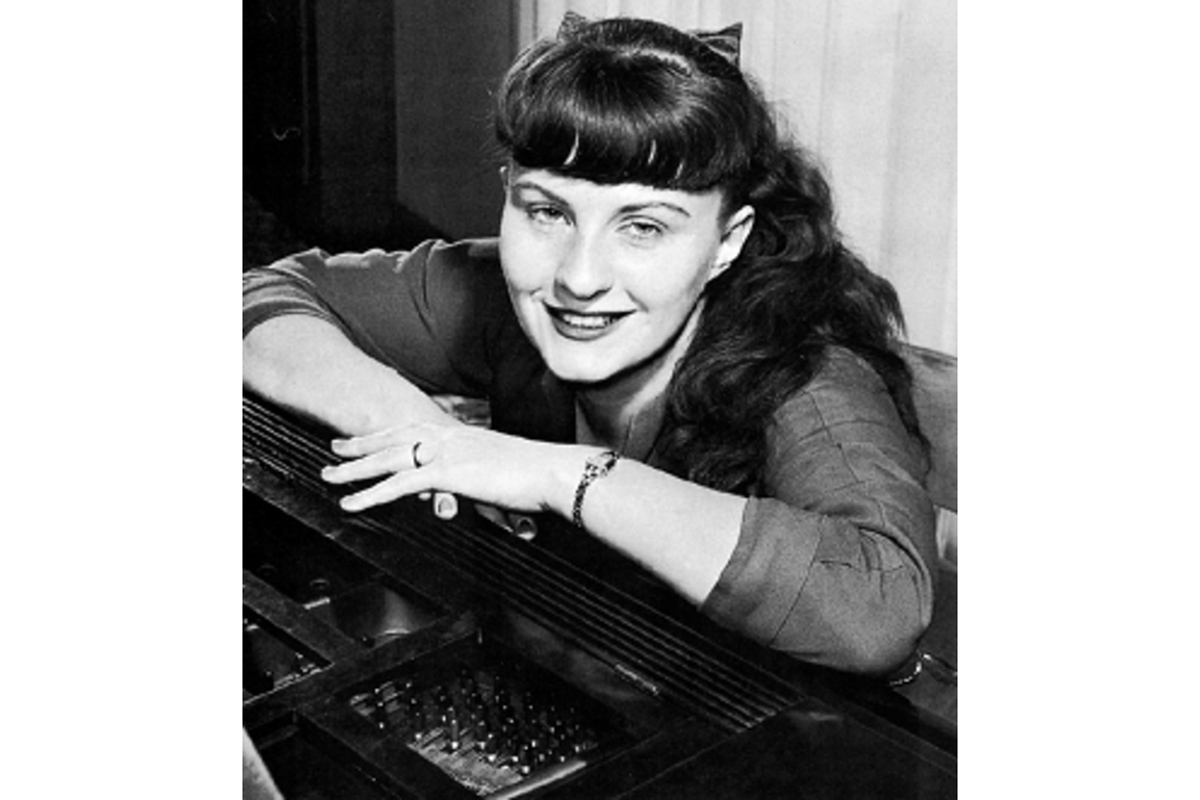
Jutta Hipp

Jutta Hipp – die virtuose Jazzpianistin, die Verschwand

An Jutta Hipp warfare nichts gewöhnlich, angefangen bei der Tatsache, dass sie in den 1950er Jahren die einzige weiße Europäerin warfare, die bei Blue Note Records unter Vertrag stand, bis hin zum Umstand, dass sie sich sechs Jahre nach dessen Unterzeichnung so vollständig aus der Musikszene zurückzog, dass sie nicht einmal mehr ihre Tantiemen kassierte. Am ungewöhnlichsten warfare jedoch das wunderbare Spiel dieser deutschen Pianistin, das ihr den Spitznamen “Europas First Lady of Jazz” einbrachte.

Jutta Hipp

Eine Kooperation zwischen FIDELITY und dem Copper Magazine

Der Originalartikel erschien im Copper Magazine, Ausgabe 181.

Die gebürtige Leipzigerin kam 1925 zur Welt und begann schon als Kind mit dem Klavierspiel. An sich wollte sie Malerin werden, aber sie liebte es, Jazz zu hören und zu spielen. Mit dem Aufstieg Hitlers, der den Jazz aus dem Rundfunk verbannte, wurde dieses Hobby dann zu einem Zeichen des Widerstands; Als Teenager hörte und spielte Hipp heimlich mit ihren Freunden. Während des Krieges hatte sie als Flüchtling zu kämpfen, doch bereits Anfang der 1950er Jahre hatte sie als professionelle Jazzpianistin Fuß gefasst.

Sie tourte und machte Aufnahmen mit dem Bandleader und Saxophonisten Hans Koller und gründete ihr eigenes Quintett. Schnell erlangte sie einen hervorragenden Ruf als Spielerin und Kollegin. 1954 änderte sich ihr Schicksal auf eine Weise, von der ihre europäischen Jazzkollegen nur träumen konnten: Der berühmte Jazzkritiker Leonard Feather beschloss, ihrer Karriere auf die Sprünge zu helfen. Dies führte nicht nur zu wichtigen Festival-Engagements, sondern auch zu ihren ersten Auftritten in Amerika und zu ihrem Vertrag mit Blue Note. 1956 emigrierte sie endgültig in die USA.

Langfristig verlässliche Arbeit als Pianistin zu finden, wurde allerdings immer schwieriger; Hipp bewältigte diesen Stress durch starkes Rauchen und Alkoholkonsum. Auch wenn es niemand mit Sicherheit sagen kann, könnte diese schwierige psychologische Situation der Grund dafür gewesen sein, dass sie ihre Karriere aufgab. Im Jahr 1960 nahm sie eine Stelle in einer Bekleidungsfabrik an und beschränkte ihr Klavierspiel auf die Wochenenden, bevor sie schließlich ganz mit dem Spielen aufhörte. Sie blieb 35 Jahre lang in dieser Fabrik und starb 2003, in Jazzkreisen weitgehend vergessen, aber zum Glück auf Tonträgern festgehalten.

Genießen Sie diese acht großartigen Stücke von Jutta Hipp.

1. Track: “Indian Summer”

Album: Jutta Hipp: The German Recordings
Label: Jazzhus
Jahr: 1955/2012
In den drei Jahren, bevor sie bei Blue Note unterschrieb und in die USA kam, machte Hipp einige Aufnahmen für das Label Jazzhus. Hier spielt sie mit ihrem Trio, Harry Schell am Bass und Karl Sanner am Schlagzeug.

In den frühen Jahren ihrer Karriere waren ihre bevorzugten Klaviereinflüsse der intellektuelle Bebop von Lennie Tristano und der blues- und gospelorientierte Hard Bop von Horace Silver. Auf dieser Aufnahme von Victor Herberts “Indian Summer” kann man das Wirken dieser beiden Kräfte hören.

2. Track: “My Heart Stood Still”

Album: Jutta
Label: Fresh Sound
Jahr: 1954
Als weitere Zusammenstellung früher Aufnahmen wird auf dem Album Jutta das Quintett der Pianistin geboten, mit dem sie bis zu ihrer Übersiedlung nach Amerika auf Tournee warfare. Es handelt sich sowohl um Live- als auch um Studioaufnahmen, die in Frankfurt und Köln entstanden sind.

Auf dieser Aufnahme von “My Heart Stood Still”, die sich schnell zu einer wilden, polyphonen Improvisation entwickelt, beweist sie einen leicht wirkenden Sinn für Swing. Eines der Markenzeichen ihres Up-Tempo-Stils ist die Verwendung einer zusätzlichen Note in der rechten Hand gegen bestimmte Noten in der Melodie als eine Form der Interpunktion.

3. Track: “Yogi”

Album: Cool Dogs & Two Oranges
Label: Jazzhus/Fresh Sound
Jahr: 1954
Cool Dogs & Two Oranges ist ein Studioalbum des Jutta Hipp Quintetts. Es vermittelt einen guten Eindruck von dem Ensemble. Hipp warfare die Gründerin, nicht der Star, und der Schwerpunkt lag auf dem Zusammenspiel der beiden Saxophonisten Emil Mangelsdorff und Joki Freund. Ehrlich gesagt ist Hipp hier die beste Ensemblemusikerin. Dem engen Zusammenspiel der Saxophone fehlt es an Präzision.

Es gibt keine Kompositionshinweise auf dem Album, aber das Stück “Yogi” ist in einem Standard-Bebop-Stil gehalten. Hipp hält sich meist im Hintergrund und liefert rhythmische Akkorde. Bei ihrem kurzen Solo um 1:45 trifft sie jedoch die überraschende Entscheidung, quick gerade Achtelnoten zu spielen, die nicht geswingt sind, was ein faszinierendes Gefühl von Synkopierung vermittelt.

4. Track: “Flamingo”

Album: Deutsches Jazz Festival
Label: Brunswick
Jahr: 1954
Es warfare der Einfluss von Leonard Feather, der Hipp den Weg auf die Bühne des Deutschen Jazzfestivals ebnete. Auf diesem Album tritt sie in der Combo des Altsaxophonisten Hugo Strasser auf, in der auch ihre üblichen Bassisten und Schlagzeuger Hans Kresse und Karl Sanner mitspielen.

“Flamingo” ist ein Stück von Ted Grouyer, das durch das Duke Ellington Orchestra berühmt wurde. Dieses Stück zeigt eine andere Seite von Hipp. Ihr Solo, das bei 2:31 beginnt, basiert mehr auf stark swingenden Akkorden als auf einer einzelnen Melodie, was dem akkordischen Charakter des Arrangements entspricht.

5. Track: “Jeepers Creepers”

Album: At the Hickory House, Vol. 1
Label: Blue Note
Jahr: 1956
1956 warfare Hipp bereits als Blue Note-Künstlerin etabliert. Das brachte sie in die Gesellschaft höherwertiger Musikerkollegen, als sie in Europa finden konnte, ganz zu schweigen von den erstklassigen Fähigkeiten des Produzenten Alfred Lion und des Tontechnikers Rudy Van Gelder.

Der Unterschied ist bei dieser Live-Aufnahme aus dem Hickory House in Midtown Manhattan sofort zu hören. Zu Hipp gesellen sich der Bassist Peter Ind und der Schlagzeuger Ed Thigpen. Bei ihrem Spiel des Harry-Warren-Stücks “Jeepers Creepers” von 1938 demonstriert Hipp ihre absolute Kontrolle über die Tastatur. Jede Note hat eine bestimmte Stärke und einen bestimmten Zweck innerhalb jeder Phrase. Inds Bass-Solo ist es wert, dass man dranbleibt.

6. Track: “Moonlight in Vermont”

Album: At the Hickory House, Vol. 2
Label: Blue Note
Jahr: 1956
Dasselbe Konzert im Hickory House in New York lieferte das Material für eine zweite LP.

Hipp hatte eine Vorliebe für schnelles und kantiges Tempo, daher ist es ein Genuss, sie etwas Langsames und Sentimentales wie “Moonlight in Vermont” spielen zu hören. Es ist eine nachdenkliche, gar verträumte Interpretation, vollgepackt mit Ideen, die sie zwischen den Phrasen der beliebten Karl-Süssdorf-Melodie einfügt, die 1944 von Margaret Whiting in die Welt gesetzt wurde.

7. Titel: “Violets to your furs”

Album: Jutta Hipp with Zoot Sims
Label: Blue Note
Jahr: 1957
Jutta Hipp with Zoot Sims ist das beste Album der Pianistin. Leider hatte sie zum Zeitpunkt der Veröffentlichung die Welt der Musik bereits zugunsten eines gesicherten Einkommens verlassen. Es ist quick schmerzhaft, diese Duette mit dem großen Saxophonisten Sims zu hören und sich vorzustellen, welche anderen Kollaborationen Hipp hätte eingehen können, hätte sie nur Zugang zu der atemberaubenden Liste von Blue Note-Künstlern gehabt.

In seinen Liner Notes beschreibt Feather das Album mit dem Geist einer Live-Show, obwohl es im Studio aufgenommen wurde. Die Combo, die von Ahmed Abdul-Malik am Bass und Ed Thigpen am Schlagzeug unterstützt wird, bietet eine wehmütige Kulisse, vor der sich die beiden Stars auf “Violets for Your Furs” ausdrücken. Hipp setzt einen subtilen Kontrapunkt, während Sims die Melodie einleitet.

8. Track: “Too Close for Comfort”

Album: Jutta Hipp with Zoot Sims
Label: Blue Note
Jahr: 1957
Hier ist ein weiteres Beispiel für die Zusammenarbeit zwischen Sims und Hipp.

Bei “Too Close for Comfort” stammt die quick körperlose Trompetenlinie im Refrain von Jerry Lloyd. Sims zeigt sich von seiner entspannten, aber virtuosen Seite, und Hipp’s Solo ab 3:25 ist der entspannten Kreativität des Saxophonisten angepasst.

Unser herzlicher Dank geht an das Copper Magazine.

Der Beitrag Jutta Hipp erschien zuerst auf FIDELITY on-line.

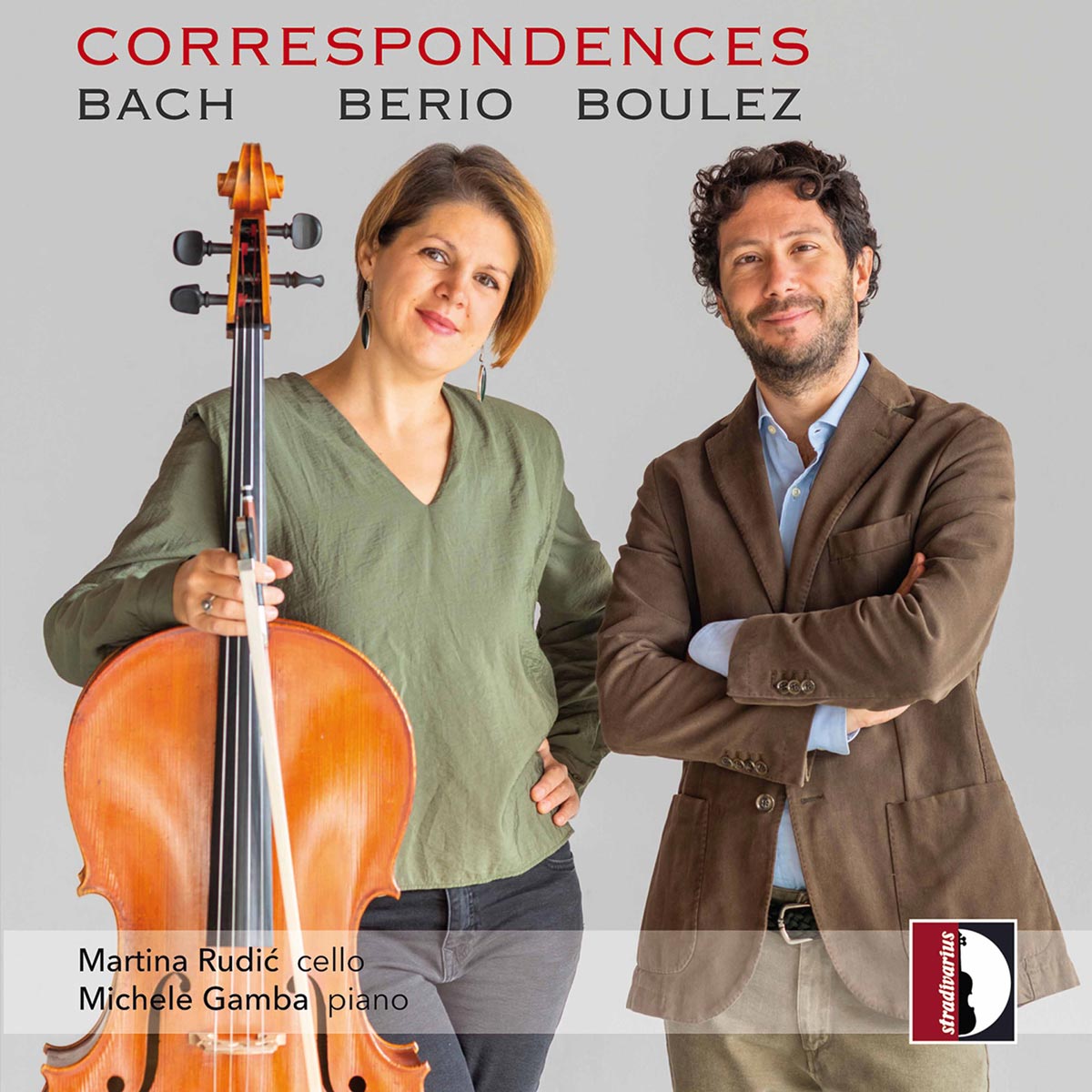
Martina Rudic und Michele Gamba – Correspondences

Martina Rudic und Michele Gamba – Correspondences

Bach meets Moderne – auch wenn die Idee an sich nicht neu ist, sollte man diesem Album der Cellistin Martina Rudic und des Pianisten Michele Gamba mehr als nur ein Ohr schenken.

Zugegeben, die Idee ist wahrlich nicht neu: Bach meets Moderne. Vor dem Hintergrund der Wiederentdeckung polyphoner Kompositionsstrukturen im 20. Jahrhundert ist es beinahe schon ein diskografischer Running Gag, den Übervater barocker Tonsatzkomplexität mit den Großmeistern zeitgenössischer Musik in Verbindung zu setzen. Und wenn sich dann noch die Namen der Komponisten in einer so herrlichen Alliteration wie Bach–Berio–Boulez aneinanderfügen, dann ergibt sich geradezu eine Veröffentlichungspflicht daraus. Aber trotz dieser kleinen Eingangspolemik sollte man diesem Album der Cellistin Martina Rudic und des Pianisten Michele Gamba mehr als nur ein Ohr schenken.

Bach-Berio-Boulez

Dafür spricht allein schon die Seriosität des italienischen Labels Stradivarius, das sich seit Jahren mit großer Sorgfalt der Avantgarde des 20. und 21. Jahrhunderts widmet. Die drei Sonaten Bachs für Viola da Gamba und Cembalo erklingen hier nun in einer ganz und gar unsentimentalen und ganz auf die innere Struktur der Werke hin interpretierten Version für Cello und Klavier. Klug gewählt sind die beiden Kontrapunkte zu Bachs Sonaten, hat man sich doch für zwei Solokompositionen entschieden, die der üppigen barocken Polyphonie eine bewusste klangliche Reduktion gegenüberstellen. Ob im Duo oder solistisch, die beiden Interpreten beweisen, dass die Korrespondenz zwischen dem 18. und dem 20. Jahrhundert immer noch für ein aufregendes Hörerlebnis sorgen kann.

Martina Rudic, Michele Gamba
Correspondences – Bach Berio Boulez
Label: Stradivarius
Format: CD, DL 24/96

Der Beitrag Martina Rudic und Michele Gamba – Correspondences erschien zuerst auf FIDELITY online.

The Story Of Herbie Hancock, Vinyl Me Please Boxed Set Part 4: The Piano and 1+1

Today in my listening report to the new Vinyl Me, Please box set called The Story Of Herbie Hancock we’ll explore two very different side of this influential artist’s career.  If you missed the first portions of this review series, please click here and here and here for Parts 1 & 2 & 3 respectively.  

The Piano

One of the enlightening things about exploring this boxed set is the discovery that Herbie had many albums released only in Japan. The Piano, from 1979, is one of them and artistically I can’t understand why this album was put out in the United States back in the day. 

I mean, sure it was a far cry from the jazz-fueled funk of Head Hunters and Man Child, but I would think that some of Herbie’s fans would’ve loved this, his first and only solo acoustic piano recording.  

The good news is that we can re-discover this wonderful album today here in the states. According to his website, a “‘Direct-to-Disc’ recording technique was employed, meaning that Hancock had to consecutively play three to four songs live in one take, making sure not to exceed the maximum recording time of 16 minutes. For most musicians, the conditions would be an impediment, but Hancock seized these severe limitations as a challenge and opportunity to focus his creativity.”

The title of The Piano tells you exactly what to expect: Herbie Hancock playing solo in all his glory. Here he tackles many favorite standards including: “My Funny Valentine,” “On Green Dolphin Street” and “Someday My Prince Will Come.”  Side two is filled with four equally intimate and mesmerizing originals including “Sonrisa” which later appeared on the 1+1 collection, and “Harvest Time” (which was recorded by Flora Purim’s sister Yana in the late 1980s).

The fidelity on this recording is quite fantastic. I inquired about the source used in making this disc and found out from the Vinyl Me Please folks that while The Piano was indeed recorded direct to disc, a safety tape copy was made back in the day. That original tape copy was transferred to a new tape for the purposes of creating this set and from which Bernie Grundman cut new lacquers for this release. Purists will thus be happy to know this is still an analog recording and while it is arguably a generation down from the master disc, it is still fantastic sounding plus we get the benefit of Mr. Grundman’s mastering expertise to bring out the most from this music. Someday I’ll be curious to hear an original Japanese pressing of this to compare and contrast.

Happily, the album is well centered and dead quiet which is essential for music like this. At risk of sounding like a broken record, I still find it a wonder that this album didn’t get any sort of release in the United States back in the day (especially given that he put out an acoustic piano duets album with Chick Corea around that time). 

1+1

This is there all digital recording in The Story Of Herbie Hancock boxed set and it is notable for several things. First and foremost, it doesn’t sound or even feel remotely digital. Proof that with proper recording techniques and good mastering digital recordings can sound real good (sorry analog purists!).  Secondly, as far as I can tell this marks the first time this 1997 album of duets by Hancock with longtime friend and bandmate Wayne Shorter has appeared on vinyl.  

As with the other releases in the set, the quality on this release is very high, pressed on thick dark 180-gram vinyl that is well centered. I can’t emphasize this enough because with music like this where you have pure saxophone and acoustic piano playing, with long held notes and such, any imperfection would ruin the music, causing it to sway in and out of tune.  

The performances are exemplary of course, with the two artists playing off one another, inspiring melodic development and even taking some chances which mostly work really well. I’m especially fond of Wayne Shorter’s Satie-esque “Aug San Suu Kyi” but this is one of those albums that is best experienced as a whole… many musical riches will emerge with each listen. 

And, that is really the essence of Herbie Hancock’s music, in a way. Timeless, challenging and beautiful sounds that give you rich rewards for the price of your attention.  You should listen…

Everybody Still Digs Bill Evans: A Career Retrospective (1956-1980)

Concord’s Craft Records imprint is renowned for their excellent CD and LP reissues and frowned upon (by some) for their $100-per-LP, “one-step,” “Small Batch Series,” limited edition vinyl packages. With Everybody Still Digs Bill Evans: A Career Retrospective (1956-1980), Craft returns to what it does best, creating interesting compilations–with a twist. June 25th is the release date for this five-CD set, available for $69.99 preorder from craftrecordings.com. The set includes both familiar material and a previously unreleased live recording of a later period Evans trio.   

Arguably the greatest jazz piano influence of the 1960s, the immediate forebearer of Keith Jarrett, Brad Mehldau, Jacky Terrason, and many others, Bill Evans epitomizes the tortured artist syndrome, the musician as isolated, difficult genius, Evans’ legacy as important to jazz as such equally heroic but troubled musicians as Charlie Parker, Jaco Pastorius, Bix Beiderbecke, and Billie Holiday. Evans’ music still resonates deeply with jazz aficionados today, his passing on September 15, 1980 at age 51, not that distant, and seemingly endless reissues and documentaries keeping his work alive and accessible.

Regardless of recording, Bill Evans’ creativity shines as art, his melding of engrossing melodies, brilliant technique, unique phrasing, and sure swing–coupled to a certain interior darkness—remains rare and rewarding. 

His reissue sales on par with John Coltrane and Miles Davis (whether from domestic sources or sketchy EU labels), Evans’ profound lyricism, lovely compositions, and innovative trios still resound with listeners. Everybody Still Digs Bill Evans: A Career Retrospective (1956-1980) culls from prior Riverside, Milestone, Fantasy, Verve, Warner Bros., and Elektra/Musician CD titles. It’s kind of a primer for those not already in possession of such comprehensive Bill Evans’ offerings as 1991’s 12-CD set, The Complete Riverside Recordings; 1996’s 9-CD The Complete Fantasy Recordings; 1997’s 18-CD The Complete Bill Evans on Verve, and 2005’s The Complete Village Vanguard Recordings. In an era of downloads and streaming, the 60-plus remastered tracks of Everybody Still Digs Bill Evans confirm our fondness for physical product and the public’s endless fascination with Bill Evans.

The 5-CD box set arrives in a beautiful, fabric-wrapped, hard-cover portfolio style book (12” x 10” with a foil-stamped cover). The case feels and looks like velour, a favorite material of ‘60s and ‘70s designers of then-trendy clothes and furniture. The 48-page book features rare photos and liner notes by writer, Neil Tesser, including an overview of the box set’s tracks. Everybody Still Digs Bill Evans was produced by Nick Phillips and includes newly remastered audio by engineer, Paul Blakemore.

Disc one, “Trialogues, Vol. 1,” (not “Triologues”?) partially covers Evans’ trio sides with drummer Paul Motian and bassist Scott LaFaro. The unique interplay and shared sensitivity of this first trio as heard on the Riverside titles, New Jazz Conceptions, Portrait in Jazz, Explorations, Waltz for Debby, and Sunday at the Village Vanguard, still towers above all other Evans’ releases. Where later Evans’ trios seemed to bring out the muscle and flash of his collaborators, seemingly drawing on earlier jazz trio templates, the Evans, LaFaro, and Motian trio created an exceptional way of listening and interpreting which had its ultimate fruition in the roster of Manfred Eicher’s ECM label. The first trio’s thoughtful, deeply empathetic approach, as well as its innate chemistry, is what makes their music so compelling some 60 years later.   

Disc two, “Trialogues, Vol. 2,” focuses on “Evans’ trios from the mid-60s onwards, as he resolved the loss of LaFaro and began collaborating with such sidemen as Eddie Gómez, Eliot Zigmund, Joe LaBarbera, and Marc Johnson,” stated the liner notes. Disc three, “Monologues,” focuses on Evans’ solo performances, including such seminal works as “Peace Piece,” “Waltz for Debby,” and the Miles Davis-penned “Nardis,” which Evans made entirely his own. Evans’ solo work is the next logical destination after you’ve imbibed his major trio recordings.  

Disc four, “Dialogues & Confluences,” highlights Evans’ collaborations with Tony Bennett, guitarist Jim Hall, bassists Eddie Gomez and Marc Johnson, and an excerpt from Marian McPartland’s long-running NPR show. Additional work with Freddie Hubbard, Cannonball Adderley, Toots Thielemans, Zoot Sims, and Lee Konitz round out disc four. 

A newly discovered live 1975 performance by Evans, Eddie Gómez, and Eliot Zigmund from Oil Can Harry’s in Vancouver, BC, makes up disc five, “Epilogue.” Audio restoration by Plangent Processes and meticulous mastering bring you to what sounds like the third row of an intimate club, and the results are masterful. Gomez left, Evans center, Zigmund right, it’s a deeply swinging performance of such gems as “Nardis,” “Blue Serge,” “Quiet Now,” “The Two Lonely People,” plus others. The concert will be available on two 180-gram vinyl LPs as On A Friday Evening. It’s prime Evans in many ways, especially when the pianist plays solo, though it lacks the telepathic synergy and subtlety of the first Evans, LaFaro, Motian trio. For all that’s played by Evans’ later trios, it’s perhaps what’s not played that makes his first trio, to many ears, perfect.      

For those new to Bill Evans or who call themselves completists, Everybody Still Digs Bill Evans: A Career Retrospective (1956-1980) is a worthy purchase.  

Hasaan Ibn Ali’s Metaphysics Renews Focus On A Lost Jazz Great

Before I could write this review of the fascinating new archival release from Omnivore Recordings by legendary-but-lost-to-the-ages jazz pianist Hasaan Ibn Ali, I had to do some research listening.  Like many of you, I’d never heard of this artist who only had the opportunity to release one album in the mid 1960s, made with no less than Max Roach(!), issued on Atlantic Records. 

That album — called The Max Roach Trio Featuring The Legendary Hasaan Ibn Ali — has indeed gone down into the stuff of legend and rarity, as has his ultimately tragic drug-related, music-business-casualty back story.  I’ve been listening to CD-quality streams of this album on Qobuz (click here) and Tidal (click here) and it is indeed a fine session. No doubt, his was a sort of still-then-fresh approach to the piano akin to Thelonious Monk.  Yet, Ali has his own thing going on here and I find his inherent playfulness quite appealing.  

This is apparent right from the start of the album on the rollicking “Three-Four vs. Six-Eight Four-Four Ways” which delivers exactly what the title says: music first in 3/4 time, then switching up to 6/8 and into 4/4 before cycling back to 3/4.  These days, this sort of time play is fairly common. Back in 1965, it was still fairly new conceptually, at least as popular-leaning recordings went. 

Digging into this new archival Hasaan Ibn Ali release from Omnivore Recordings called Metaphysics, I was taken with the shear beauty and passion of the music. While that first album with Max Roach is wonderful, this previously unreleased sophomore album would likely have been the first one credited solely to the artist. Playing with his own band, they sound like a unit here.  

Propelled by Kalil Madi on drums (The Three Sounds, Billie Holiday, Mongo Santamaria, etc.) and Art Davis again on bass (Monk, Dizzy, Coltrane, Roach, etc.) the group is rounded out by a soaring Odeon Pope on saxophone. It is worth pointing out that this was Pope’s first recording at age 26 and he helps to lift the session into that special space which feels timeless and classic.  He went onto a prolific career including 22 years with Max Roach as well as a multitude of other notable projects. 

“Atlantic Ones” is a catchy driving opener. “Viceroy” has a sweet and immediately hooky melody which in a simpler arrangement could be transformed into a soothing lounge jazz piece for soaking up stiff drinks late nights at the bar.  

The title track “Metaphysics” is a smoker with some incredible connectivity between Ali and bassist Davis showcased. I love how at points it sounds like the piano and bass are floating in the air above the drummer’s pulse as they stretch and dance around the constraints of keeping strict time. “True Train” is no doubt a tribute to Coltrane and it is remarkable because, if you really didn’t know the music too well you might well think it is in fact a Coltrane tune, albeit from his late ‘50s ascent to stardom. 

There are some terrific details in the liner notes by producer Al Sukoenig and Coltrane authority Lewis Porter so be sure to get one of the physical versions of Metaphysics.  

That said, the CD I’ve been listening to sounds remarkably good. Metaphysics was restored and mastered by Grammy Award-winning engineer Michael Graves from a tape copy of long-lost reference acetates of the sessions. It sounds very good with no apparent drop-outs of note, and just a hint of distortion here and there (perhaps from tape saturation or wear on the acetate copy). There is a nice sense of the studio vibe surrounding the band in this Monaural recording.

As I got into Metaphysics I had to pause to think about what might have been had life been different for this artist who never really got a chance to shine in the limelight (which you will read about in the liner notes to the new album).  What might have happened had he become a success like Monk (who himself suffered for decades before the public caught up with him)? Would more pianists have moved in his direction? Would we have had more sheets-of-sound players like Don Pullen emerging in the 70s?  

Imagine the possible collaborations with Mingus and Miles. Imagine a duets album with Monk — if they didn’t kill each other it might have turned out a brilliant pairing, a literal wall of piano sound!

In 1965, had these recordings been issued, they would have fit neatly between cracks of where Coltrane was going and some of the free jazz folks. Today, it still sounds fresh. While it is not as accessible as something like Dave Brubeck’s Time Out, I think it this recording would have found its audience especially among fans of the likes of Monk, Mingus and Max Roach.

Most important for me is that I’m hearing melodies and tunes happening and an unerring sense of swinging — and as Duke Ellington might have said — madly!  

It is a shame what happened to Mr. Ali but at least his music is getting a long overdue return to the spotlight. RIP Hasaan Ibn Ali. May your music live on for eternity.  

Why You Need To Hear Monty Alexander’s Love You Madly

On the last Record Store Day event of 2020, several fascinating archival jazz releases were issued which I previewed (click here to read that). In that article I promised I would explore the releases there in greater depth, two of which I have done so far (click here for Resonance Records’ Bill Evans Live at Ronnie Scott’s and here for Jazz Dispensary’s Orange Sunset).

Of the three titles from Resonance Records issued that day, Monty Alexander’s music is the artist with which I’m least familiar. 

A personal aside: I remember a friend at the record store I worked in during college played some of Monty’s albums on Pablo Records and (I think) the MPS label back in the early 1980s. And sometimes I’d hear Monty on our college radio station. At the time, the music struck me as nice in a “classic jazz” sense but it didn’t full engage me. Beyond my studies, my head was full of progressive music of the moment  — prog rock to jazz fusion to new wave and punk. When it came to piano based jazz, I was immersing myself in many of the legends like Oscar Peterson, Art Tatum, McCoy Tyner and Dave Brubeck (who were then-still-alive-and-well), Bill Evans (who was then recently departed) and Chick Corea (who I got to meet when he played on campus). I later got into Don Pullen and Randy Weston, among others. 

So many pianists, so little time… 

Thus, my focus on Monty Alexander sadly (for me) fell by the wayside. For fans reading this, forgive me for not connecting with Monty’s music previously. I’ve been busy all these years doing my jazz homework (if you will). 

Fast forward to Record Store Day this past November and we have a quite beautiful previously unreleased, super high quality Monty Alexander recording delivered to the universe from the good folks at Resonance Records called Love You Madly. This August 6th, 1982 concert recorded at Bubba’s Jazz Restaurant in Fort Lauderdale, Florida is quickly opening my ears to the joy’s of Monty’s music. I can now fully appreciate where he fits in and how to listen. 

You might notice that I used the word “nice” above to describe his playing and that was not a derogatory remark. Monty’s playing IS nice but its so much more. He is clearly a super accomplished player, straddling many influential styles of the past while finding his own vibe that is… joyous and… well… nice! 

But here is the thing I missed in the past: Monty is a fine composer with a writing and performing style that falls somewhere between many of the aforementioned pianists, yet with his own unique twists (more on that in a bit). 

Monty clearly had many fans by the early 80s who were deep believers in his playing.  In fact, this pristine, high quality recording was made as a gift by a fan who happened to be the founder of the influential and legendary Criteria Recording Studios (Bee Gees, Clapton, Aretha, Allman Bros., etc.), Mack Emerman. Recorded on 24-track analog multitrack tape via Criteria’s mobile recording unit, the recording both captures the vibe of the club and the exhuberant upbeat personality of Alexander’s playing and his spirited band. 

The sound quality on Love You Madly is totally audiophile demo worthy, delivering a nice balance of ambient club acoustics and close-microphone precision. If you have ever wanted to listen to jazz piano from “the driver’s seat” in front of the keyboard, Love You Madly will be your jam. Check out this mini documentary that Resonance Records prepared (click here) for a bit more on it.

My copy of Love You Madly is well centered and quiet. The recording is super lush, mastered by Bernie Grundman Mastering and pressed at RTI. This is a lovely album.  

And while there are many familiar interpretations of other composers here including Duke Ellington’s “Love You Madly” which titles the album and the classic “Body and Soul,” it is Monty’s own compositions which have caught my ear.  It really came together for me on Side Two which opens with the beautiful and haunting ”Sweet Lady” that feels almost like a lost Bill Evans tune.  “Eleuthra” mines some Latin grooves but without sacrificing the song for the rhythms.  “Consider” is another beautiful melody.

He even pulls off a hybrid mashup blending in Jamaican flavors with improvisation on the humorously titled “Reggae Later” — and don’t discount that because this tune swings madly. This is a good place to take note of Mr. Alexander’s cultural roots as he grew up in Jamaica, so that Caribbean essence is integral to what he does yet it is integrated with a deep respect for the blues and jazz pioneers who came before. 

Swing is one of the hallmark’s of Monty’s playing. This guy swings madly.  

A two disc set, Love You Madly comes with a 12-page LP sized booklet that is filled with photos and new interviews with Mr. Alexander (conducted by producer Zev Feldman) and even the great pianist Kenny Barron. I’m still working my way though this… 

At the start of this review I mentioned that Monty Alexander’s music was something I was not real familiar with prior to this release. 

Accordingly, and in the best possible way, the best endorsement I can offer here is that I am inspired by Love You Madly and plan to explore more of his albums now. So thank you Resonance Records for this release and opening up at least one mind to an artist who — dare I say — many of us may have overlooked previously. This one’s a keeper.  

My only regret is that its taken me this long to be fully turned on to Monty Alexander’s music. The exciting part is that he has an enormous back catalog to explore. If you, Dear Readers, have any recommendations on where I should begin, let me know below in the comments!).  

Better late than never!  

Hopefully after the Pandemic is over we’ll get to see Monty on tour. 

I, for one, can’t wait.