Tag Archives: Rock

Modern recordings for contemporary audiophiles (Part One)

There are occasions when it appears as if the ‘accredited’ canon of audiophile-quality recordings stopped round 1974. This is especially the case at hi-fi reveals and demonstration periods, the place the identical outdated slabs of vinyl are slipped out of their sleeves many times. Don’t get me fallacious, they sound nice, and there are some crackers in there, however it may be soul-destroying.

It doesn’t should be this fashion. There are plenty of well-recorded, expertly produced albums obtainable to take heed to and luxuriate in. Many of them recorded because the flip of the millennium. Plus, and that is the nice bit, quite a lot of them are wonderful when it comes to music as effectively! They are belongings you would select to take heed to… for pleasure… which is, in spite of everything, the entire level of this ardour of ours.

Okay, let’s be frank, quite a lot of widespread music has over the many years been shoddily recorded, poorly mastered, and blended with all of the loudness turned up in order that it sounds thrilling on the radio – sure, we’re you Oasis and Metallica. Still, there are a lot of, many extra culprits.

That horrible behavior hasn’t contaminated the entire trade although, and there’s nonetheless sufficient well-recorded music obtainable to fulfill individuals of all tastes. And the odd factor is, it doesn’t appear to be a matter of cash or success that results in the creation of an ideal recording. In reality, as you’ll see from this checklist, quite a lot of the gems listed here are comparatively unknown artists, with albums that wouldn’t have troubled chart compilers. There are, nevertheless, producers and labels which have a behavior of frequently creating great-sounding music. People like Steve Albini – whose personal artistic output would most definitely not have prompt audiophile – and labels corresponding to Secretly Canadian, which has launched a few of our favorite recordings over time.

Another optimistic is that there are additionally many extra methods to take pleasure in audiophile-quality recordings than a decade in the past when CD was the dominant drive within the music trade, with MP3 because the younger – horrible sounding – pretender to the throne. Vinyl has made a welcome return, and along with the raft of recent releases on the format, file firms have additionally seen the chance to make some extra money with new variations of recordings from their again catalogue. Okay, so we will all take a cynical take a look at this, but when it means I can now buy a 180g half-speed grasp for £30 of a recording that will have set me again the worth of a small automotive beforehand then I’m all for it!

And then after all there’s streaming. We’ve come a good distance since we have been restricted to the horror present that was the MP3 revolution. Now, most streaming companies provide high-resolution audio information. We may argue all day about what service is greatest – presumably a debate for an additional function – however what can’t be ignored is that we now have high-quality entry to extra music than ever earlier than. And quite a lot of that music – sadly removed from all – is effectively recorded and sounds implausible.

So right here we’ve our curated choose of a few of the best-sounding albums of the previous couple of many years. This function offers with the flip of the century to the center of the noughties, and there are some absolute crackers in there. We hope you take pleasure in it and uncover some future favourites there. They are all streamable in high-resolution from one service or one other, and far of it’s obtainable on good-quality vinyl.

Boards of Canada

Music Has The Right To Children (Warp, 1998)
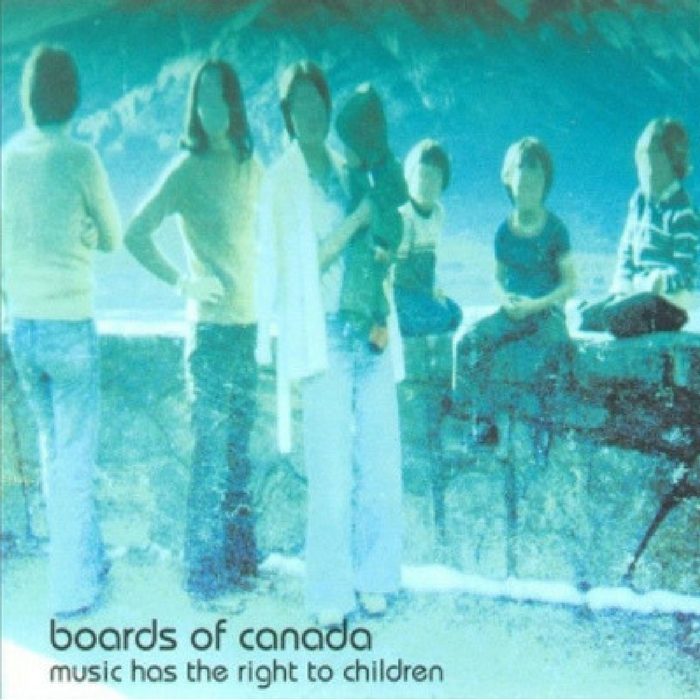
Boards of Canada Music Has The Right To Children

Where to begin with this epic slice of ambient experimentalism? This is one of the best album in a sector that features quite a lot of nice albums from proficient artists – Eno anybody? Music Has The Right To Children is a heady mixture of electronica, discipline recordings and drones, with the assistance of luxurious beats. Then there’s the sound: the bass is low and thudding, samples crisp, and the environment ethereal and roomy.

Dr. Dre

2001 (Aftermath/Interscope, 1999)
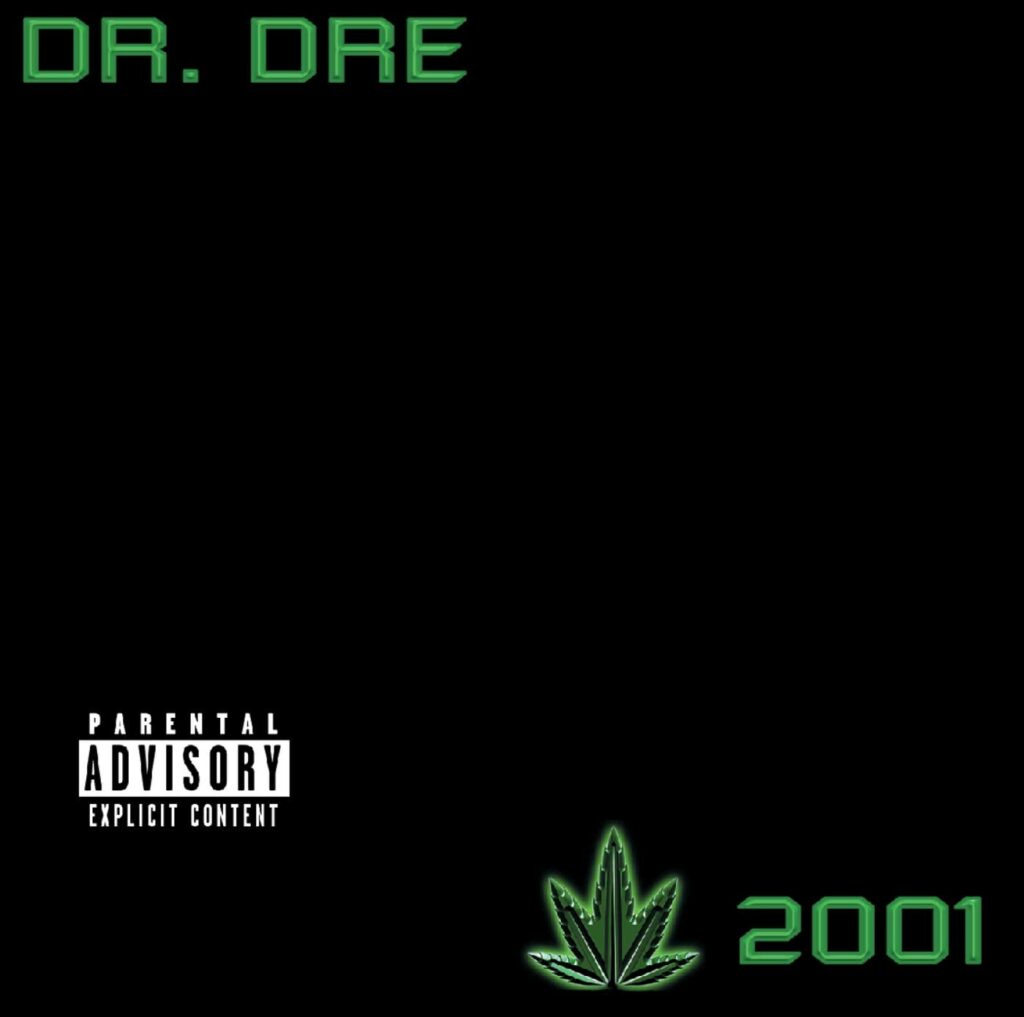
Dr Dre 2001

We take Dr Dre opening this album with the THX ident as an announcement of intent, and he doesn’t disappoint. Whether it’s one of many quite a few bangers contained inside its 70-minute operating time or the extra soulful duets with the likes of Mary J Blige, 2001 rewards you with a sensational listening expertise. Voices, beats, orchestration – each a part of the recording is delivered in all its glory.

Bonnie ‘Prince’ Billy

I See A Darkness (Domino, 1999)
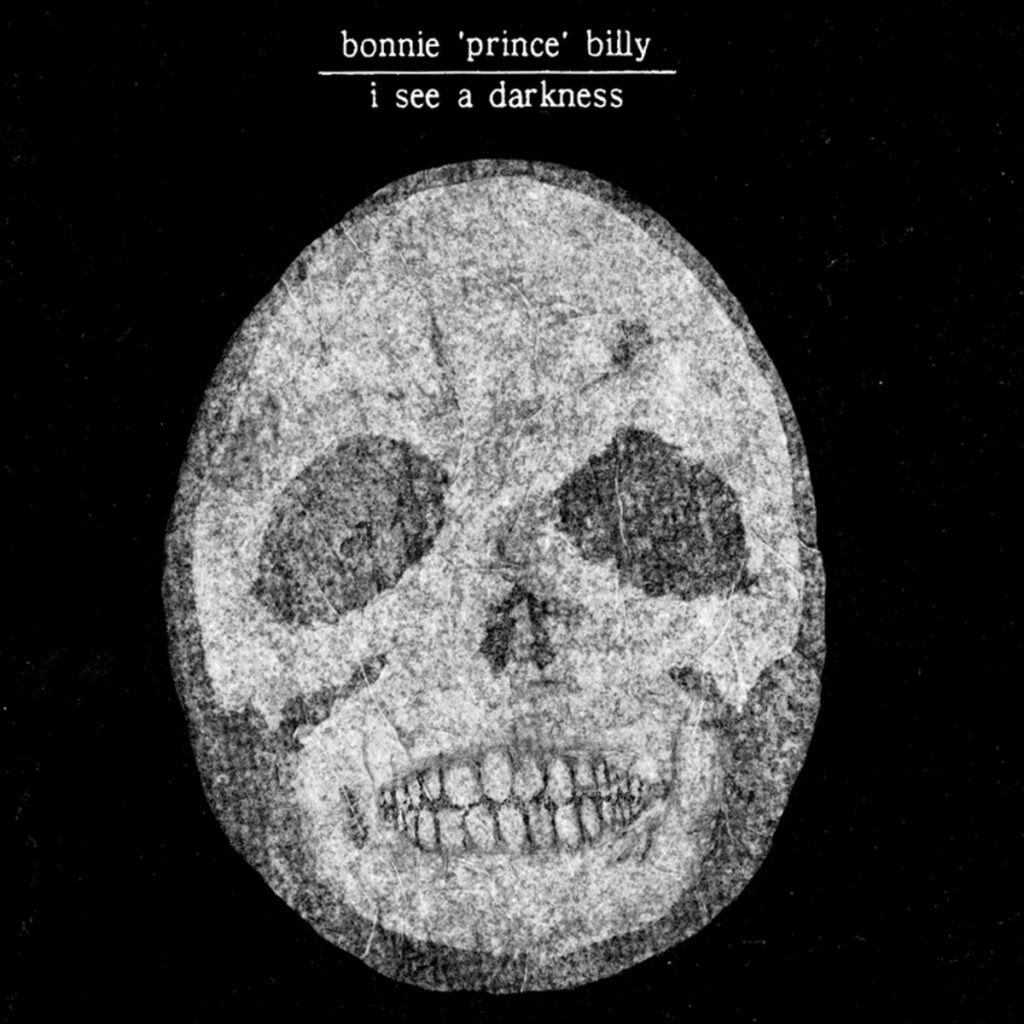
Bonny 'Prince' Billy I See A Darkness

Will Oldham’s first Bonnie ‘Prince’ Billy outing noticed him transfer from Lo-Fi to Hi-Fi, with the completely lovely I See A Darkness. The trick right here is, as is usually the case, easy music from primarily acoustic devices, effectively recorded. The result’s an album that sounds implausible, offering you a front-seat view inside Oldham’s troubled soul with this assortment of darkly humorous or just darkish tunes. Not a straightforward pay attention, however an enormously rewarding one.

Songs: Ohio

The Lioness (Secretly Canadian, 2000)
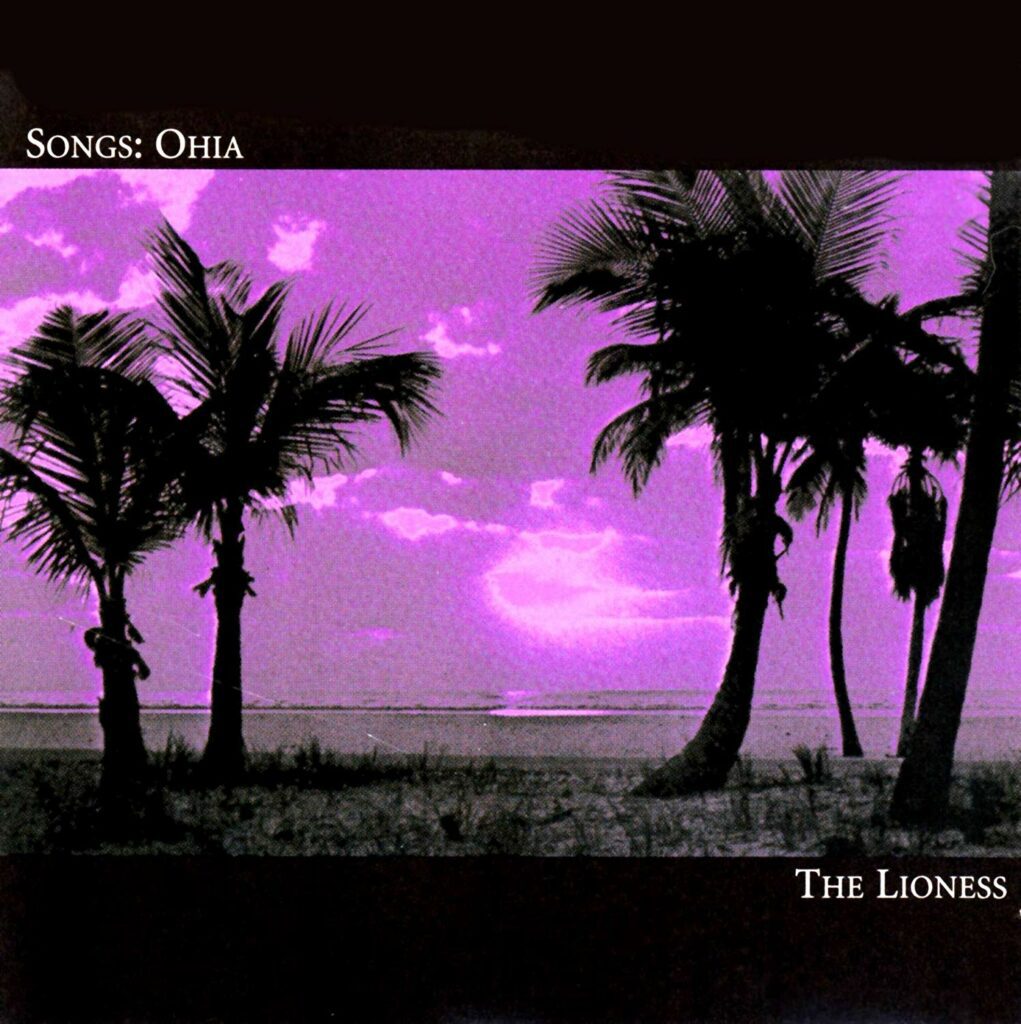
Songs: Ohio The Lioness

There have been a number of Songs: Ohio contenders for this checklist, together with the Steve Albini produced Magnolia Electric Company, however there’s simply one thing particular about The Lioness that retains us coming again to it. It’s so clear, clear, and crisp. As the opening ‘The Black Crow’ begins you possibly can instantly sense the band members poised to hitch in after the opening chorus. And when Jason Molina’s pained vocals take centre stage all of it comes collectively fantastically.

Björk

Vespertine (One Little Indian, 2001)
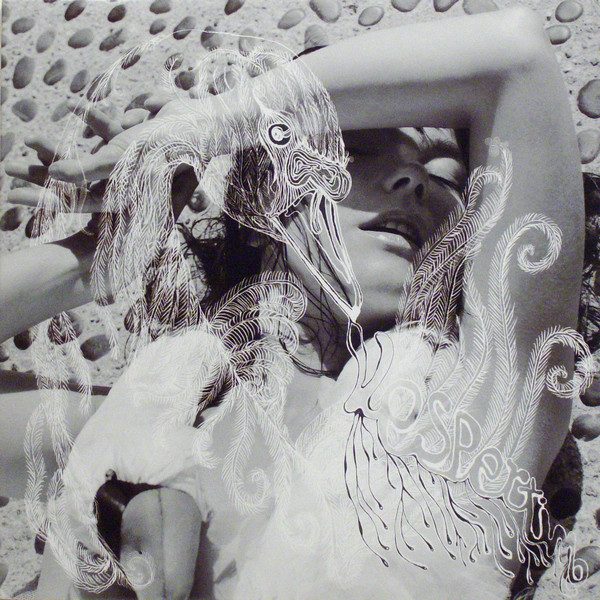
Bjork Vespertine

Björk is famed for her ardour for experimental audio; she chooses her collaborators with nice dexterity and clearly hates the thought of sitting nonetheless. Vespertine is a implausible instance of how these needs come collectively and ship a genuinely expectational recording. It’s advanced, multi-layered, and continuously fascinating and each single element is faithfully revealed on this wonderful recording.

Low

Things We Lost In the Fire (Kranky, 2001)
Low Things We Lost In The Fire

Low’s fifth album was recorded at Steve Albini’s Electrical Audio studios in Chicago. A hold-out for analogue strategies and ‘pure reverberation’ from the rooms themselves, the studio acts as an additional member of the band right here, enjoying an enormous half within the sound. Things We Lost In the Fire catches Low at their, er, top, with an epic drum sound and fantastically rendered double-handed vocals.

Lambchop

Is A Woman (City Slang, 2002)
Lambchop Is A Woman

This is a splendidly easy album, primarily piano-led, with occasional guitars and minimal percussion. Kurt Wagner’s unbelievable voice is all the time on the centre of issues and sounds goosebump-inducingly shut at occasions – he appears to whisper in your ear. The general impact is one among intimacy, with the performers shut at hand, but it surely’s well-recorded sufficient to by no means get oppressively claustrophobic, with wonderful separation and sound staging all through.

Johnny Cash

American IV: The Man Comes Around (American Recordings, 2002)
Johnny Cash American IV: The Man Comes Around

We’ve chosen the fourth album from the swansongs of Johnny Cash due to the discharge date and the standard of the songs, but it surely may have been any one among them. The final album he launched in his lifetime, American IV as soon as once more sees Cash delivering primarily sparse covers, sensitively helmed by Rick Rubin. The end result manages to be each heart-warming and heart-wrenching and is a sensational listening expertise.

Godspeed You! Black Emperor

Yanqui U.X.O. (Constellation, 2002)
Godspeed You! Black Emperor Yanqui U.X.O.

This album is the one which divides followers of a band that divides critics. However, when you take pleasure in well-recorded brooding menace and sudden dynamic explosions of drums and guitars, then this can be a place you’ll really feel very snug. Yet one other Steve Albini-produced post-rock traditional, Yanqui U.X.O. was Godspeed You! Black Emperor’s third providing, and their final for a decade, and we love each second of it.

Audioslave

Audioslave (Sony, 2002)
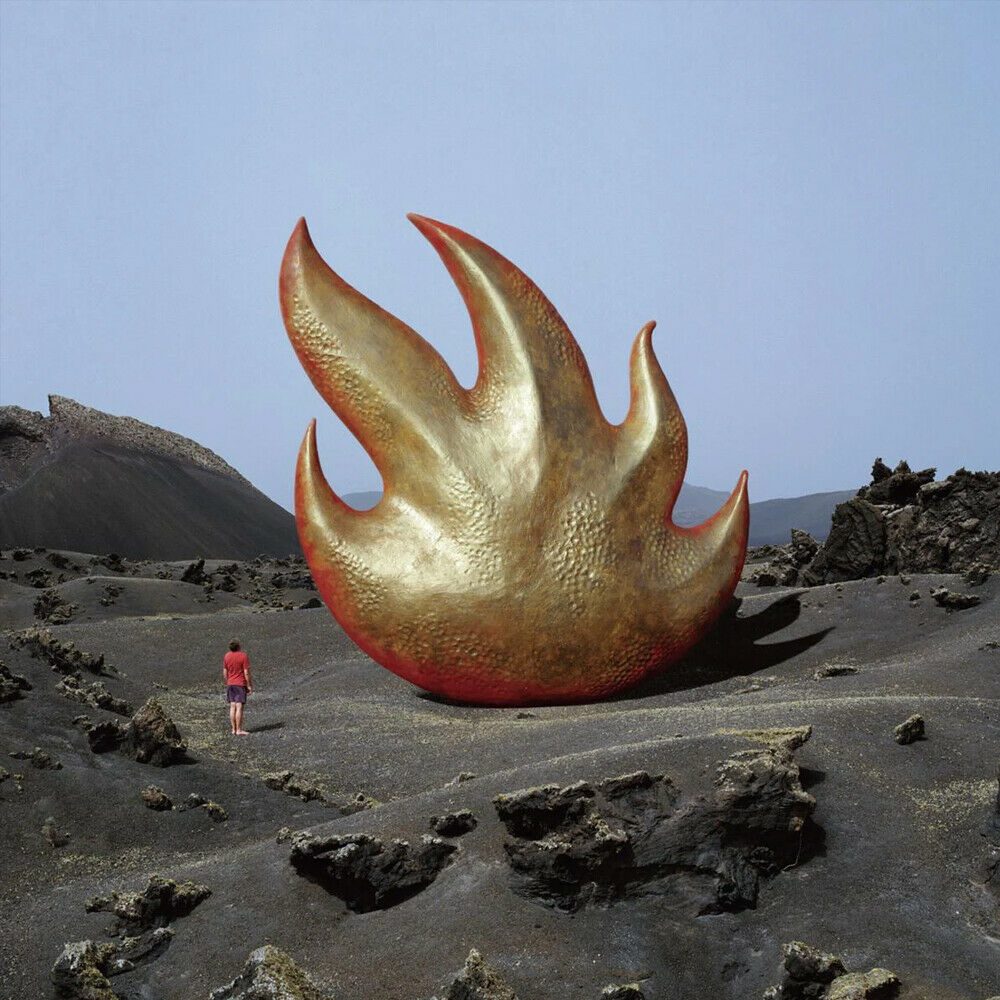
Audioslave

Who doesn’t like a little bit of straight-up, in-your-face, well-recorded, expertly produced rock that includes Chris Cornell and most of Rage Against The Machine? Helmed by Rick Rubin, the eponymous Audioslave simply sounds BIG with its monster drum sound, gut-thumping bass and Tom Morello’s wonderful guitar work. But it’s the sadly departed Cornell’s vocals which are the star of the present.

White Stripes

Elephant (Third Man Records, 2003)
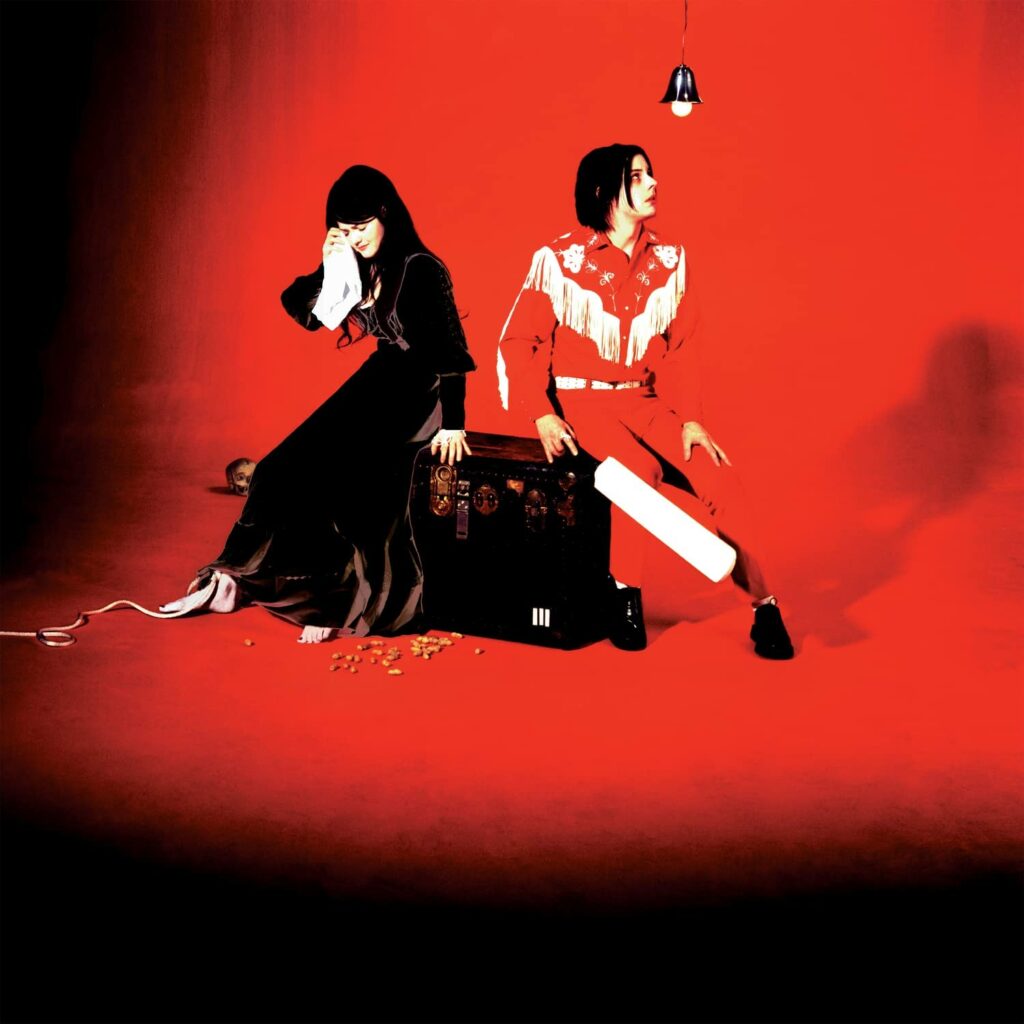
White Stripes Elephant

Recorded in London’s Toe Rag Studios, the White Stripes’ fourth album Elephant marked a back-to-basics strategy for a duo that was already fundamental – and we imply that positively. The result’s often stark in its simplicity. Yes, it’s tough, and sure, it’s uncooked, however that’s as a result of it was alleged to be! If the opening one-two of ‘Seven Nation Army’ and ‘Black Math’ doesn’t instantly seize you, then we’d recommend checking your pulse.

Joanna Newsom

‘Ys’ (Drag City, 2006)
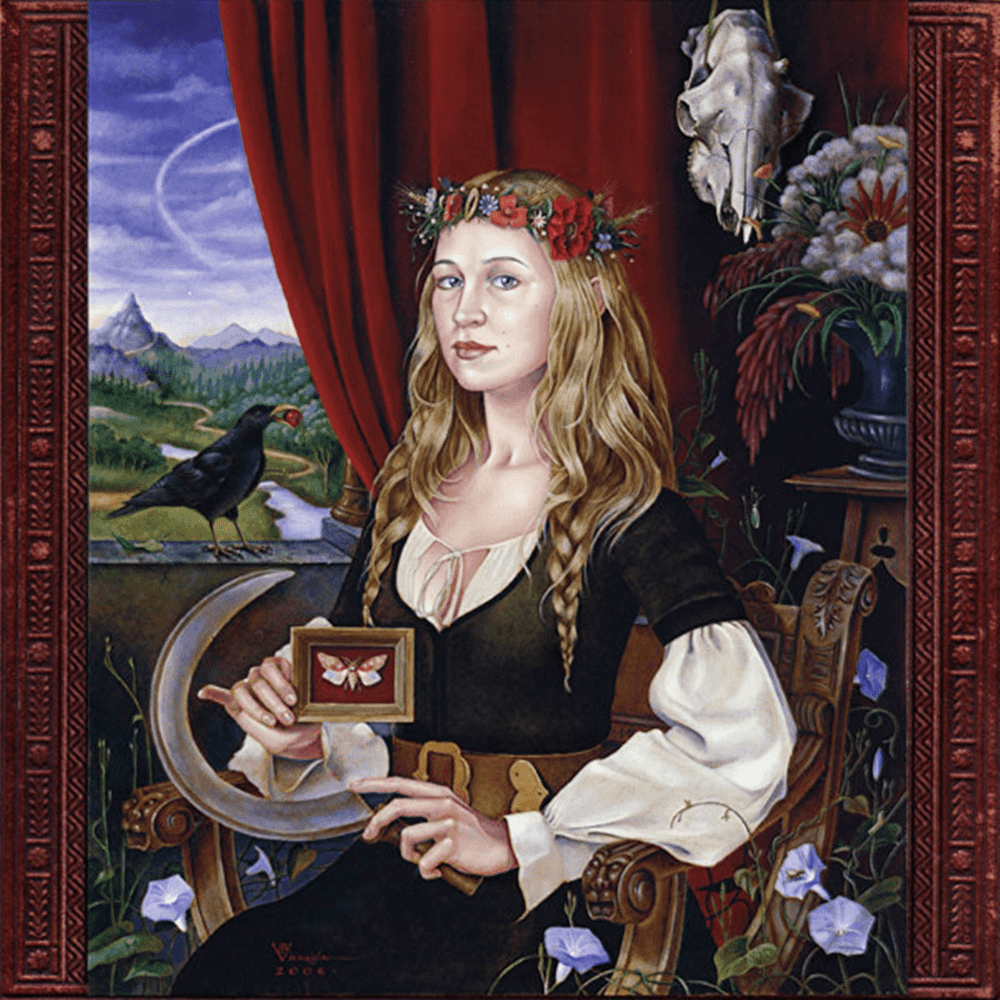
Joanna Newsom Ys

Joanna Newsom’s breakthrough album is a wide ranging work of musical maturity. Its recording course of is a who’s who of left-field high quality, with Van Dyke Parks producing and arranging, Steve Albini recording and lo-fi legend Jim O’Rourke mixing. Newsom’s distinctive vocals, backed primarily by her harp and strings sweep you away to sonic vistas you by no means know you needed to go to. It is dynamic and plush in equal measures, however 100 per cent partaking.

Back to Music

The submit Modern recordings for contemporary audiophiles (Part One) appeared first on Hi-Fi+.
Arctic Monkeys: The Car

One of England’s greatest and most celebrated rock bands during the last 15 years, the Arctic Monkeys dramatically remodeled their sound with this seductive new report. Revisiting the lounge-pop of 2018’s Tranquility Base Hotel & Casino, Alex Turner and his bandmates once more create a lush, orchestral soundscape that eschews their earlier profession guitar anthems for a darker, extra refined sheen. The leadoff single and opening music, “There’d Better be a Mirrorball,” indicators the Monkeys’ sonic curveball with a ripple of strings, synth, and piano, and its haunting atmosphere and chilly melancholy set the tone for the report. Over a membership beat rhythm and a pulsing refrain, Turner’s horny Sheffield tenor slips right into a falsetto worthy of 70s David Bowie on “I Ain’t Quite What I Think I Am,” and the report as a complete bears a definite Bowie affect resulting from Turner’s croon and a chill, nocturnal vibe. As on the earlier six albums, Turner’s gritty and incisive lyrics invoke comparability to such quintessential British songwriters as Ray Davies and Paul Weller. “I’ve conjured up fantastic issues/The ballad of what might’ve been,” Turner sings on “Big Ideas,” the place as soon as once more romantic ache and cynicism are intertwined.

The submit Arctic Monkeys: The Car appeared first on The Absolute Sound.

Posted in Uncategorized  |  Tagged ,

Jerry Harrison of TALKING HEADS Mixing & Mastering w/ Audeze Headphones

In early 2023 Lee Scoggins sat down with Jerry Harrison of the Talking Heads and collaborator Eric Thorngren to speak band historical past, the actual significance of sound mixing for the Talking Heads, and the affect of Audeze headphones.

Learn extra about Audeze right here: https://www.audeze.com/

The put up Jerry Harrison of TALKING HEADS Mixing & Mastering w/ Audeze Headphones appeared first on The Absolute Sound.

Ten Best Rock Albums of 2022 | Greg Cahill

Never imagined Kate Bush’s 1985 hit “Running Up That Hill (A Deal with God)”—pushed by Netflix’s mega-hit Stranger Things and a flood of TikTok fan movies—to push the shy songstress again onto the pop charts. And didn’t anticipate Radiohead’s Thom Yorke and Jonny Greenwood to re-emerge because the Smile. Or determine Todd Rundgren to ship an interesting album of duets. Or foresee comebacks from Tears for Fears (The Tipping Point), Bowie (the misplaced Toy album), or the Mars Volta (their eponymous return). Or robust reside albums from Liam Gallagher (Down by the River Thames), Regina Spektor (an official boot of her 2002 debut 11:11), Fleet Foxes (the finely crafted A Very Lonely Solstice), the Grateful Dead (three discs from the acclaimed Dick’s Picks collection) and the Pixies (Live at Brixton, a behemoth 8-LP field culled from the 2004 reunion tour). And classics! The Beatles’ Revolver remixed and remastered? Yes, please. Pink Floyd’s Animals in 5.1 encompass? Wow. CSN’s self-titled 1969 acoustic juggernaut? Sweet. A brand new Earth-friendly collaboration from Neil Young and Crazy Horse? Check. Cover tunes by Cowboy Junkies and Cat Power? Hell, yeah. And a 90s-rock revival from London Suede, Spoon, Built to Spill, and Death Cab for Cutie? Not unhealthy. Here are ten albums that put a smile on my face.

1. David Bowie: Brilliant Adventure 1992-2001. Parlophone/Iso.


2. The Smile: A Light for Attracting Attention. XL.


3. Guided by Voices: Tremblers and Goggles by Rank. GbV Inc.


4. Alex G: God Save the Animals. Domino         Records.


5. Todd Rundgren: Space Force. Cleopatra Records.


6. London Suede: Autofiction. BMG Records.


7. Elvis Costello & the Imposters: The Boy Named If. Capitol/EMI.


8. Soccer Mommy:  Sometimes, Forever.  Loma Vista/Concord.


9. Cowboy Junkies: Songs of the Recollection. Proper.


10. Mark Knopfler: The Studio Albums 1996ñ2007. Warner/Rhino.

The publish Ten Best Rock Albums of 2022 | Greg Cahill appeared first on The Absolute Sound.

Randy Travis: Storms of Life

When I got into country in the mid-90s, “On the Other Hand”—the lead single from this 1986 LP—was still in regular rotation. Randy Travis has never been my favorite singer, but the more I listened to Storms of Life, the more my respect grew. Not one song feels like filler, and only a few have even one weak line. Randy’s vocals are unaffected and restrained, but he never sounds unemotional. The current crop of male singers on commercial country radio (I almost never hear females there) could learn a lot about feeling and authentic twang from this record. A western swing influence shows up in the fiddles and guitars in “My Heart Cracked,” in the clarinet in “Messin’ with My Mind,” and in the near absence of cymbals. Spartan drumming keeps the stereotypical 1980s gated effects at bay, so the aura is traditional but not dated. Though it’s not a concept album, each song depicts a storm, from the temptations of “On the Other Hand” to the white man’s blues of the title track to the stark chill of “Reasons I Cheat.” MoFi’s atmosphere bests the already-good 2021 remaster, to say nothing of the original.

The post Randy Travis: Storms of Life appeared first on The Absolute Sound.

Posted in Uncategorized  |  Tagged ,

Rory Block: Ain’t Nobody Worried: Celebrating Great Women of Song

Throughout her inspiring career Aurora “Rory” Block has championed the songs of pioneering female blues artists, leading most recently to two albums devoted both to the giants and the overlooked titans of the distaff side. Ain’t Nobody Worried makes it a triptych, with a slight difference: its songs are associated with female blues, soul, gospel and R&B artists from the 60s through the 80s, a time she refers to in press materials as “historic, early American music.” There isn’t a false note to be found amidst the captivating recasting of these mostly familiar chestnuts. The defining foundation for Block’s interpretations is gospel—the Staple Singers’ “I’ll Take You There,” with Rory delivering a powerhouse, guttural Mavis-style vocal, is naturally the deepest of these, but listeners might be surprised to hear her voice multitracked into a gospel chorus on “Dancing in the Streets,” thereby fashioning a whole new perspective on that classic; the same tack applies a new coat of paint to “You’ve Got a Friend” when cast against a probing, testifying vocal and her spare acoustic guitar accompaniment. The gentle benediction—a spiritually resonant, understated vocal-and-guitar treatment of Elizabeth Cotten’s “Freight Train”—will linger in memory long after the music ends.

The post Rory Block: Ain’t Nobody Worried: Celebrating Great Women of Song appeared first on The Absolute Sound.

Posted in Uncategorized  |  Tagged ,

Jeff Beck: June 24, 1944–10 January 10, 2023

Although Jeff Beck was 78 years old when he passed away on January 10th, the news was not only sad, it was jarring. After all, the guitarist had only recently finished a tour that drew a lot of attention due to a number of shows featuring the surprise pairing of the guitar great with the actor Johnny Depp. Anyone who attended one of those concerts could tell you that these performances had none of the earmarks of a farewell tour, for along with being as animated as ever, Beck generated as much friction on the fretboard as ever.

As fate had it, that tour capped a career full of unpredictable twists and turns. People who draw musical trees would run out of ink if they tried to capture all the projects Beck was involved in during the 60s and early 70s. The Yardbirds were the band that brought him into the limelight (along with, of course, Jimmy Page and Eric Clapton), and let’s not forget that scene in Michael Antonioni’s 1966 film Blow-Up where, in a short-lived version of the Yardbirds that also included Page, Beck rams his guitar against an amp, throws the guitar down, and starts smashing it with his boots, earning all sorts of rock ’n’ roll creds in the process.

After the Yardbirds, Beck quickly got involved in a slew of projects, both solo and group-oriented, and here his collaborations with Rod Stewart (1968’s Truth and 1969’s Beck-Ola) deserve special mention both for the music they made together and the sense that so much more could have been accomplished if the bandmates could have gotten along better. At times Beck seemed to struggle to find the right context for his guitar playing, but with 1975’s Blow by Blow—which stylistically was a left turn, venturing into more jazz-influenced territory along with some funk—he clearly found terra firma. His follow-up, 1976’s Wired, was equally impressive. While jazz fusion can err in the direction of slickness, Beck had a scrappiness to his style; indeed, it seemed the ex-Yardbird who once rammed his guitar into an amp was never far below the surface. That said, he also had a sweet side, and his version of Charles Mingus’ “Goodbye Pork Pie Hat” on Wired was so sultry that, years later, Tipper Gore should have put a warning label on the album cover.

After Blow by Blow and Wired Beck played his cards almost perfectly. He made albums when he felt like it—bear in mind, building custom cars in your own garage takes time—and the only record that smacked of corporate influence was 1985’s Flash. Even some of that is good, and 1989’s Jeff Beck’s Guitar Shop ended the decade on a high note. Again adding his own spin to a musical genre that might not seem to call for a Stratocaster, Beck successfully threw some raunchy guitar into a soundscape packed with synth sounds and weird effects. On later career highlights such as the rockabilly-influenced Crazy Legs! (1993) and Emotion & Commotion (2010), Beck sounded as confident and cocky as ever.

As Jeff Beck fans who’ve seen him in concert can testify, his studio albums only tell part of the tale, as he sometimes toured with lineups that never met in the studio. Although I was already a fan, a 1993 show where Beck opened for Santana was revelatory. As a result, I attended some of his other concerts, including a show that took place last October. The collective sigh that took place when Johnny Depp appeared on stage late in the show was in its own way entertaining, but musically it’s safe to say that the high points of the evening came before and after Depp joined the band. Beck was all smiles as he tapped, hammered, bent, and did everything else you can do to a guitar string (how did those string not break?), the whole time exhibiting a technique was totally unconventional, yet somehow it registered as rock and roll.

Beck’s performance that evening included highlights from different phases of his career, and there was plenty of excitement. One song was more than exciting, it was exhilarating. During an impassioned reading of the Mahavishnu Orchestra’s “You Know, You Know,” Beck played a scorcher of a solo that was followed by equally incendiary solos by ex-Prince bassist Rhonda Smith and the German drummer Anika Nilles. While the friend beside me tried to figure out the meter to “You Know, You Know” (good luck with that), it amazed me how a John McLaughlin composition that that first appeared on the The Inner Mounting Flame a half-century ago could still generate so much heat. Sadly, Jeff Beck has passed away, but the flame still burns.

The post Jeff Beck: June 24, 1944–10 January 10, 2023 appeared first on The Absolute Sound.

The Baylor Project: The Evening: Live at Apparatus

This recording documents music from three nights of performances by the Baylor Project, a Grammy-nominated group led by the husband/wife team of drummer Marcus Baylor and vocalist Jean Baylor. The shows took place at Apparatus, a New York City design studio that was converted into a nightclub for three nights in May of 2022. The audience is one of the most enthusiastic I’ve ever heard on a small-venue recording, and that obviously inspired a performance worthy of the appreciation. While the band is named the Baylor Project, it could easily be Jean’s group, for Jean is front and center. She has a wonderful voice, sings with great feeling throughout, trades scat choruses with trumpeter Darren Barrett and saxophonist Keith Loftis on the aptly titled “We Swing (The Cypher),” and has the audience sing along on “Love Makes Me Sing.” Other highlights include the lovely ballad “Tenderly,” with outstanding solos by Loftis and bassist Yasushi Nakamura; the Baylors’ contemporary arrangement of the gospel hymn “Great Is Thy Faithfulness,” with an excellent piano solo by Terry Brewer; and the finger-popping shuffle of “Happy to Be With You.” The live sound is very good and the atmosphere is electric. Makes you wish were there.

The post The Baylor Project: The Evening: Live at Apparatus appeared first on The Absolute Sound.

Posted in Uncategorized  |  Tagged ,

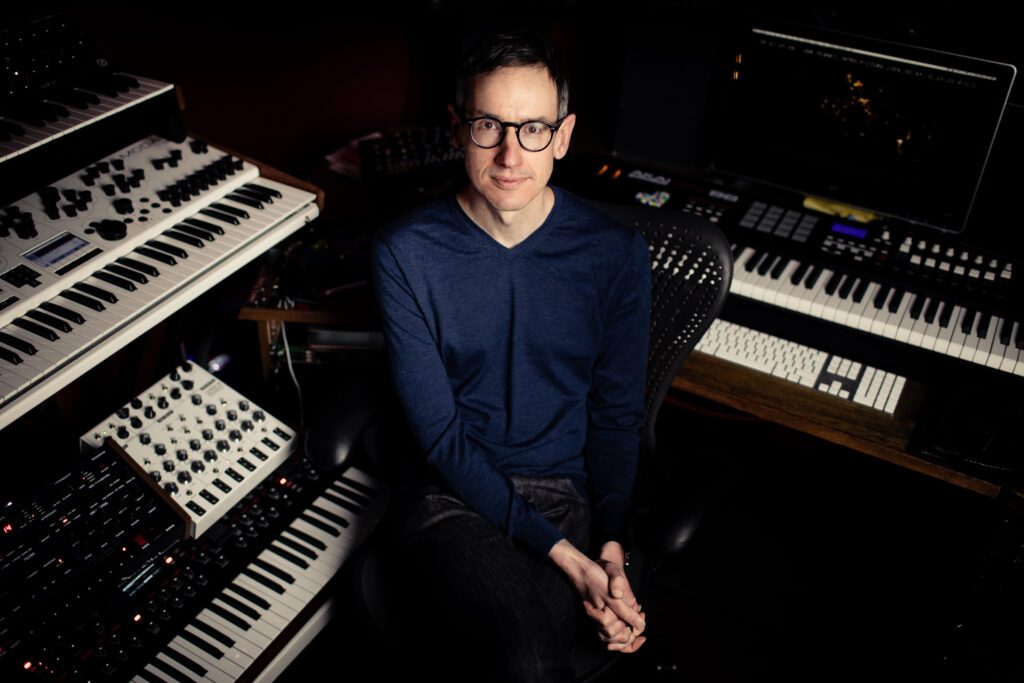
Music Interview: Steven Price

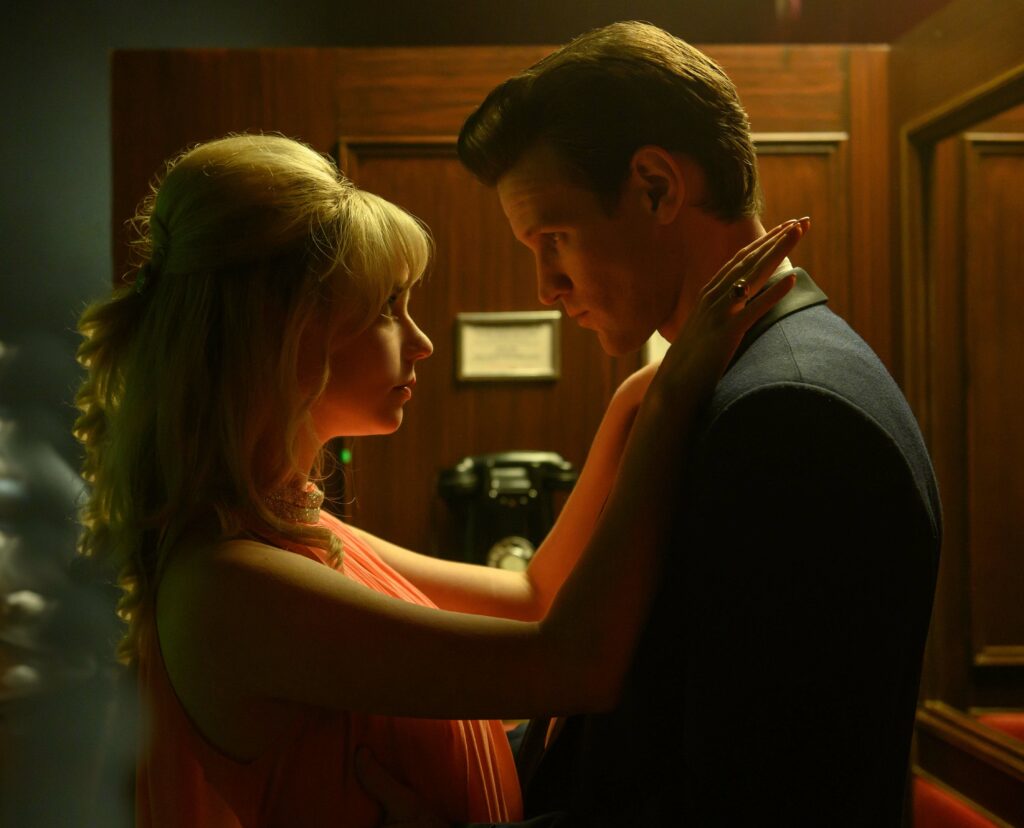
Academy Award-winning British film composer, Steven Price, has worked on major movies including Gravity, Baby Driver and, most recently, innovative director Edgar Wright’s brilliant psychological thriller-meets-horror-film-meets-Swinging-‘60s-drama, Last Night In Soho.

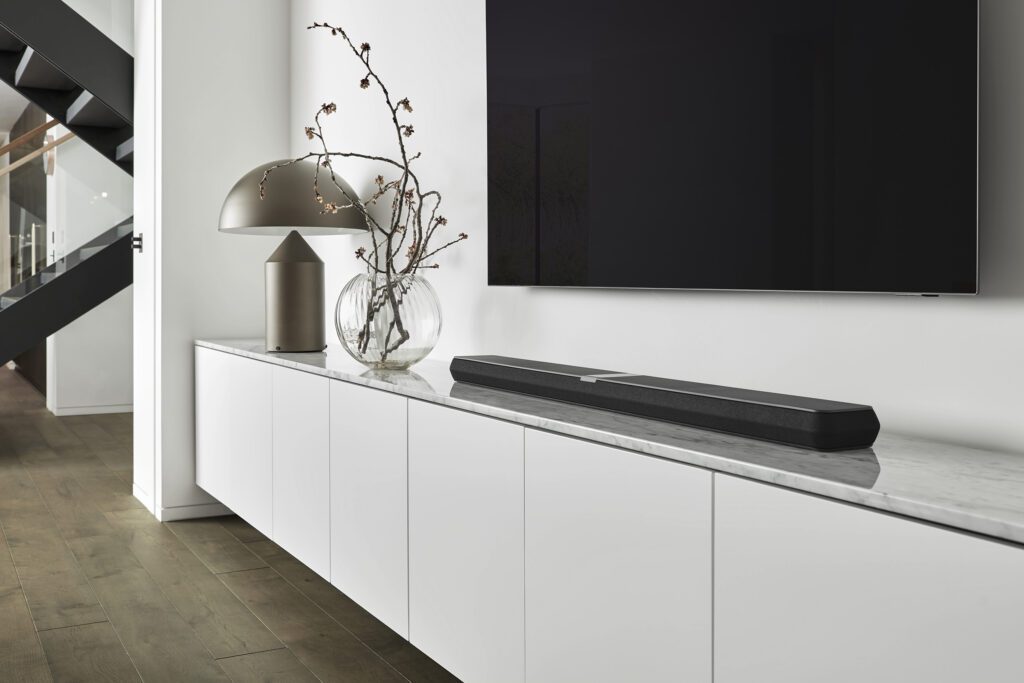
Rather fittingly, hi-fi+ caught up with him in Soho, at the legendary Groucho Club, where he was working with Bowers & Wilkins to promote the brand’s new Dolby Atmos soundbar, Panorama 3, which launched in March, 2022.

We talked about how his music helps to tell the story of what a film director has in mind and how immersive audio technology has changed the way he works.

SH: Last Night In Soho is partly set in the ‘60s. The soundtrack has pop songs from that era on it, and also your takes on them, but some of the action occurs in a contemporary setting. How did you approach the score, as it had to work for both of those periods?

SP: That’s what’s so fun about Edgar Wright’s films. A lot of directors just use one song and that’s it, but with us the song is the starting point and we reinterpret it.

In Last Night In Soho, there are Cilla Black and Sandie Shaw songs that we ripped apart and then put back in a different order.

On one of the two versions of the soundtrack LP available, there’s an unsettling, psychedelic reinterpretation of ‘(There’s) Always Something There To Remind Me’…

It’s my ‘Revolution 9’ tribute. Everything is used as a reason for the story – I’m often playing along with it and using it to lead into the score to help whatever story Edgar is trying to tell.

With Last Night In Soho, it’s the idea of the 1960s being this glorious thing we all look back on – the good old days – but the story – the history – has leaked through into the life of a girl in the present day, so by the end of the film, it has dissolved and become a grotesque thing.

The score was a device that took some of those songs and instrumentation but made it evolve into something that was basically a nightmare – it was all intertwined.

I started writing the music early on, so it was incorporated into the edit from the start and the two of just chipped away at it, sending things back and forth.

As we go through different editorial stages, I give them music and they might change the cut, so it comes back to me. Gradually the final shape comes together.

I’ve worked with Edgar for a long time, so I was on the set and I was writing suites just off the basis of the script.

I also went to the studio a few times to work with [actress] Anya [Taylor-Joy], who sings on the score. She’s amazing and her character’s siren song is being sung through the ages.

What were your influences for the soundtrack? I’m guessing your brief was ‘60s pop: Petula Clark, Sandie Shaw, Dusty Springfield?

Yes, but also film scores. I listened to a lot of John Barry and Ennio Morricone. We also talked about John Carpenter very early on. There were a lot of references.

Edgar’s very good – you always know his influences and what’s he watching at the time. You put all these things together and gradually it becomes something else – it evolves.

Your score for Last Night In Soho is often minimalist, but some of the tracks have dramatic strings and brass. It’s an interesting mix of styles, which makes it a great soundtrack. It doesn’t sound like a ‘60s pastiche, which could’ve been quite easy to do…

The whole film is about the idea of memory and how the ‘60s wasn’t that great – it’s a distorted memory, so any ‘60s references I made in the music had to be broken up.

There were loads of things based on the concept of tape loops because the film is a time loop – the music incorporates all these elements of dialogue, and, as the loop degrades, it becomes distorted and messy. There were lots of taking things and melting them.

There are some great moments in the film, musically and visually, like when one of the central female characters, Eloise, first steps into ‘60s London and sees the West End, or when we first see the Café de Paris…

The first 20 minutes of the film are all in mono, but when the character goes into the ‘60s and everything opens up, we opened up the whole sound field, to the extent that I went to Abbey Road and recorded the strings and brass for ‘You’re My World’ all over again, so we could take it from being a record to a live experience.

It’s immersive sound – you go into the Café de Paris and it’s as if the band are in the room next door.

You mentioned immersive sound. How has audio technology like Dolby Atmos changed how you work?

I think it’s one of the great unexplored areas of filmmaking. There are lots of films that surround you with sound, but there aren’t a lot that use it for story reasons.

In Gravity, the sound was a massive ‘character’ in the film and the music moved around you – I was proud of that.

Surround sound is the future – it’s a whole story based around sound, which is why I think products like soundbars are worth supporting.

It gives people a taste of what we’re doing – you can hear the detail we’re putting into soundtracks that are designed for a theatre, in the home, in a way that you won’t get from a PC or a phone.

Where did you record the Last Night In Soho soundtrack? Was it all done at Abbey Road?

The majority of it, including the orchestral parts, was recorded at Abbey Road, but we also did some bits at British Grove, in Chiswick (West London), and the vocals were done at my studio, in Surrey.

It was all done over a long period of time and we were interrupted by COVID – the whole thing got delayed by six months, which was great, actually, because we got to come back to it with fresh eyes.

Was Last Night In Soho fun to work on?

All of Edgar’s film are. It was exciting and it makes you wonder what the hell he might do next. There are moments of cinema in Last Night In Soho that are wonderful. It’s a departure for him, but you can see him in it – he has a real voice.

On a film like Last Night In Soho, or Baby Driver, your score has to complement a playlist of other songs…

It’s connective tissue, but hopefully you’re doing an emotional job – that’s the way I think of it. The whole soundtrack has to feel like it’s rolling on and when we get it right, it feels like a momentum that’s taking you from each scene to each scene – sometimes we have to chip away at it for a long time to get that.

Edgar’s films are fascinating because he has such an interest in music and you know that it’s going to be heard.

In the ‘90s and the early noughties, film soundtracks were often dominated by lots of contemporary songs – the actual score felt less important. Do you think we’re seeing a return to those classic film soundtrack scores of the ‘60s and the ‘70s?

When scores could be unique? Yes – it’s an exciting time. People are embracing things that are different. Filmmakers and directors are really keen to have something that feels unique to their film.

When I first met Alfonso Cuarón, who directed Gravity, his first words to me were: ‘I don’t really like film music, so what are we going to do about that, then?’

I had to work out what we wanted to feel – anything that felt like film music wasn’t going to fly.

A lot of my scores involve original sounds that I make – I create my own instruments and play those. That’s the fun bit for me – how you can make a film sound unlike any other film. That’s my aim.

The soundtrack album for Last Night In Soho is available now on Mondo/Back Lot Music.
https://mondoshop.com/

Bowers & Wilkins’s new Panorama 3 Dolby Atmos soundbar is available from the brand’s website and select retailers.
bowerswilkins.com/new-panorama3

Back to Music

The post Music Interview: Steven Price appeared first on Hi-Fi+.

Watkins Family Hour: Vol. II

A loose-knit collective co-founded by fiddle prodigy Sara Watkins and her guitar-playing brother, Sean, the Watkins Family Hour features a revolving lineup of musicians who frequent the Family Hour’s monthly shows at the Largo at the Cornet Theatre in L.A. Twenty years ago, the Watkins kids were two-thirds of Nickel Creek; mandolinist Chris Thile rounded out that bluegrass trio. Watkins Family Hour Vol. II features such Largo collaborators as Fiona Apple, Jackson Browne, Gaby Moreno, Madison Cunningham, Lucius, and Jon Brion, among others. The songs are contemporary folk, country, and pop in origin. The recording project captures the magic of the Largo shows and allows the artists to stretch musically while staying true to the Watkins’ bluegrass roots. And there’s a sense of immediacy as these musicians stand around a single mic to record vocals and fiddles. Highlights include Sara and Gabe Witcher’s twin-fiddle duet “Standing on a Mountain”; Apple’s lead vocal on the Texas-swing classic “Remember Me, I’m the One Who Loves You”; Lucius’ sublime spin on the Zombies’ “The Way I Feel Inside”; and Browne’s turn on “The Late Show.” World-class session players include Greg Leisz and David Garza (guitars), Sierra Hull (mandolin), and Tom Brosseau (background vocals).

The post Watkins Family Hour: Vol. II appeared first on The Absolute Sound.

Posted in Uncategorized  |  Tagged ,