Tag Archives: ideon audio

Ideon Audio im CM-Vertrieb

Ideon Audio im CM-Vertrieb

Digitales High-End von Ideon Audio: Distributions-Neustart bei CM-Audio mit lebenslanger Garantie
CM Audio vertreibt Ideon

Die digitale Welt ist inzwischen untrennbar mit der Art verbunden, wie wir Musik genießen. Und in den digitalen Daten verstecken sich zwischen Nullen und Einsen ganze Dimensionen an klanglichen Nuancen. Erst mit der richtigen Ausstattung erwachen diese zum Leben. Diese Musikalität in all ihrer Pracht zum Vorschein zu bringen hat sich Ideon Audio zum erklärten Ziel gemacht: Die High-End-Produkte aus Griechenland, von DAC über Streamer bis hin zum Reclocker, transportieren die Zuhörer in das Reich der Musik, als seien sie live dabei – mit all der Dynamik, Klarheit und Emotion, die von den Künstlern in ihr Werk gelegt wurden. CM-Audio übernimmt nun den Vertrieb für Ideon Audio und liefert direkt zum Start ein unschlagbares Angebot: Lebenslange Garantie auf die Produkte der Absolute Serie.

Eine Tradition mit göttlicher Inspiration

Wie würde wohl Zeus heute Musik hören? Bedenkt man die Inspiration hinter Ideon Audio, dürfte die Antwort klar sein: Schon der Firmenname basiert auf der griechischen Mythologie, zog doch Rhea ihren Sohn Zeus in der Ideon Andron Höhle auf Kreta groß. Diesem Ort wird große Kraft zugesprochen und die Magie soll in allen Produkten von Ideon Audio zu hören sein. Ausschlaggebend für den Erfolg des Unternehmens ist aber menschlicher Erfindergeist: Chefentwickler Vassilis Tounas entwickelte bereits mit 14 Jahren seinen ersten eigenen FM-Transmitter, später designte er Midi-Peripheriegeräte für Amiga. 1990 baute er seinen ersten DAC – das Fundament für die spätere Gründung von Ideon Audio war gelegt.

Das gesamte Team eint dabei die bedingungslose Liebe zur Musik, angefangen bei den Firmengründern: Alle vier Gründungsmitglieder verließen renommierte und hochdotierte Posten, um gemeinsam ihren Traum zu verwirklichen. Diese Leidenschaft begründet bis heute die Philosophie von Ideon Audio und ist in jedem Produkt zu hören. Um höchste Qualität zu garantieren, wird jedes Produkt komplett In-House entwickelt und von Hand endmontiert, jedes noch so kleine Bauteil ist sorgfältig ausgewählt und rigoros getestet. So entstehen HiFi-Komponenten für die digitale Welt, die technisch auf dem höchsten Niveau sind und zugleich der Emotionalität der Musik Rechnung tragen. Ein Erfolgsrezept, wie glückliche Kunden und begeisterte Reviews bestätigen.
CM Audio vertreibt Ideon

Ayazi DAC: Pure Musik ohne Spielereien

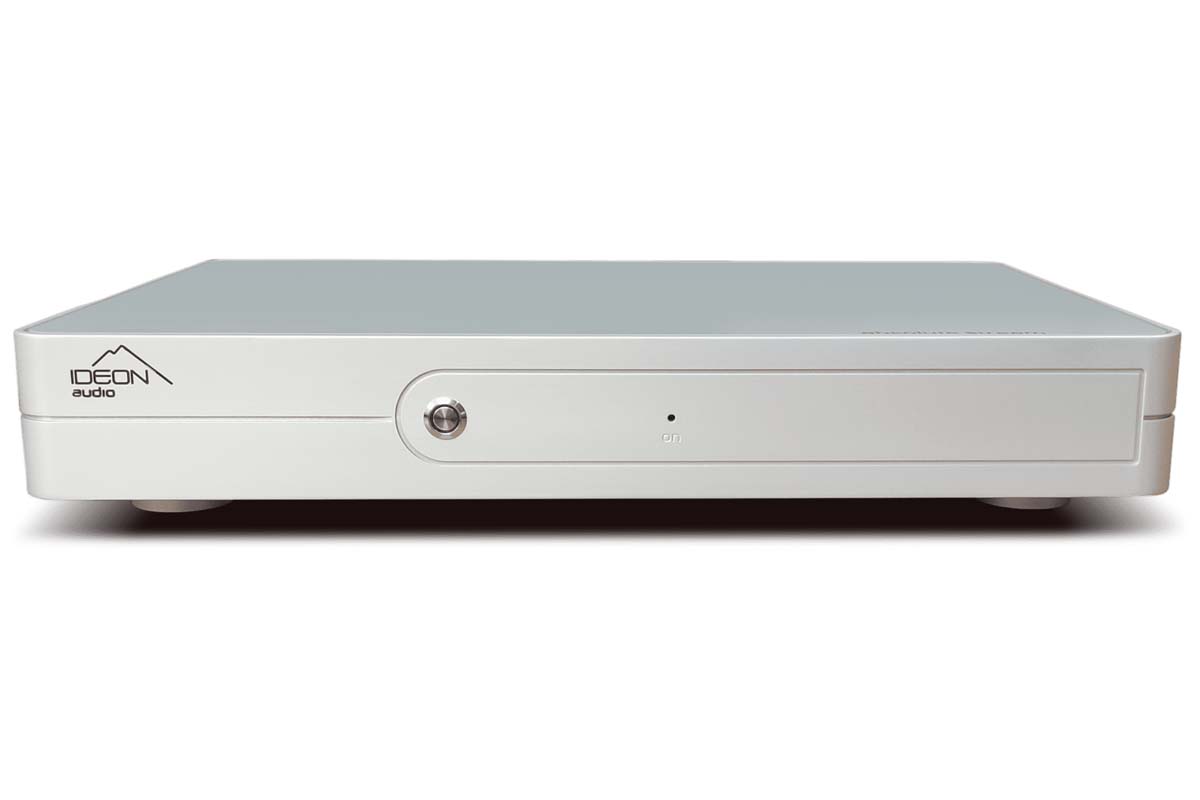
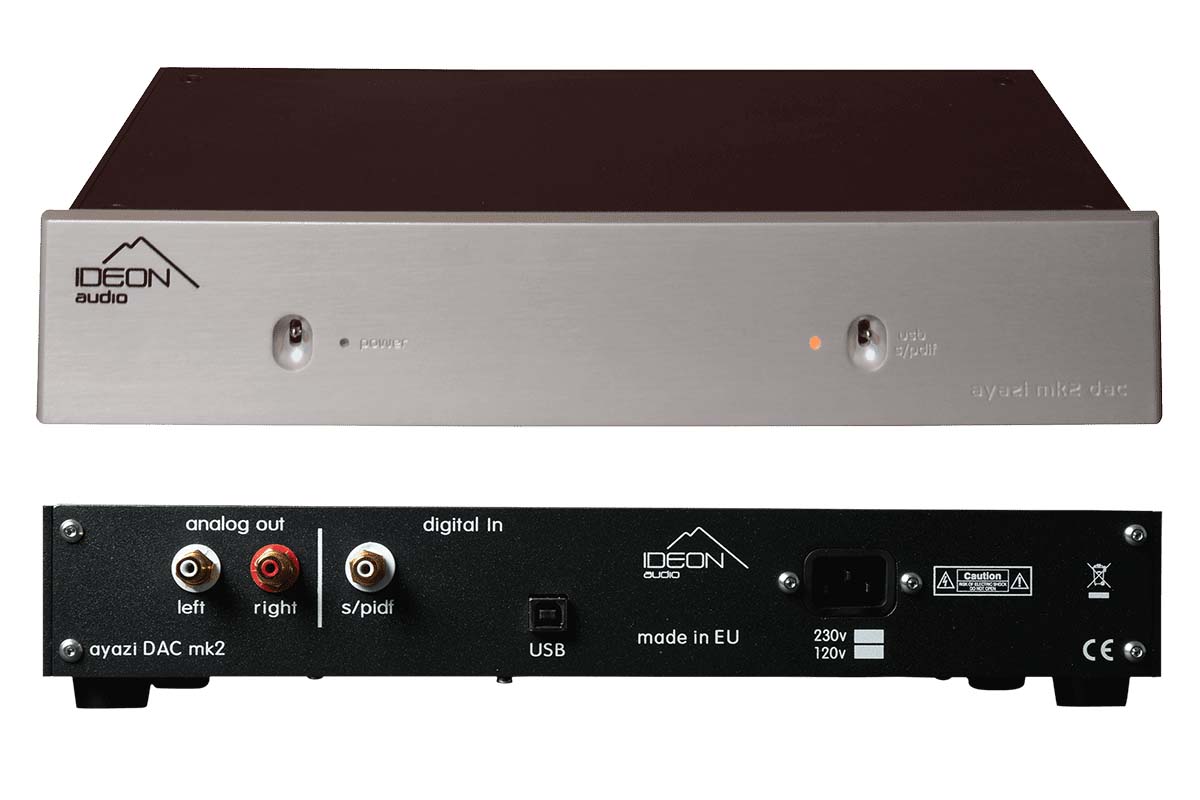
Sozusagen der Urknall für Ideon Audio war der Ayazi DAC, schon damals wegweisend für die Tugenden, denen Ideon Audio bis heute treu bleibt: Die echte Seele der Musik mit allen Nuancen zu transportieren, ohne Kompromisse und überflüssigen Firlefanz, mit einem Klang, der weit über der tatsächlichen Preisklasse spielt. Mit dem Ayazi mk2 DAC können Kunden bis heute die musikalische Magie entdecken, die der Ayazi digitalen Daten entlockt und mit überragender Dynamik und außergewöhnlicher Verzerrungs- und Rauschfreiheit wiedergibt. Dafür arbeiten gleich zwei hochpräzise Crystek CCHD-957 Oszillatoren zusammen, um effektiv Jitter zu eliminieren. Für eine extrem saubere und großzügig dimensionierte Stromversorgung sind ein ausgewachsener Ringkerntrafo und zahlreiche Kondensatoren verbaut.

Die Absolute Serie: Digitale Wiedergabe auf höchstem Niveau

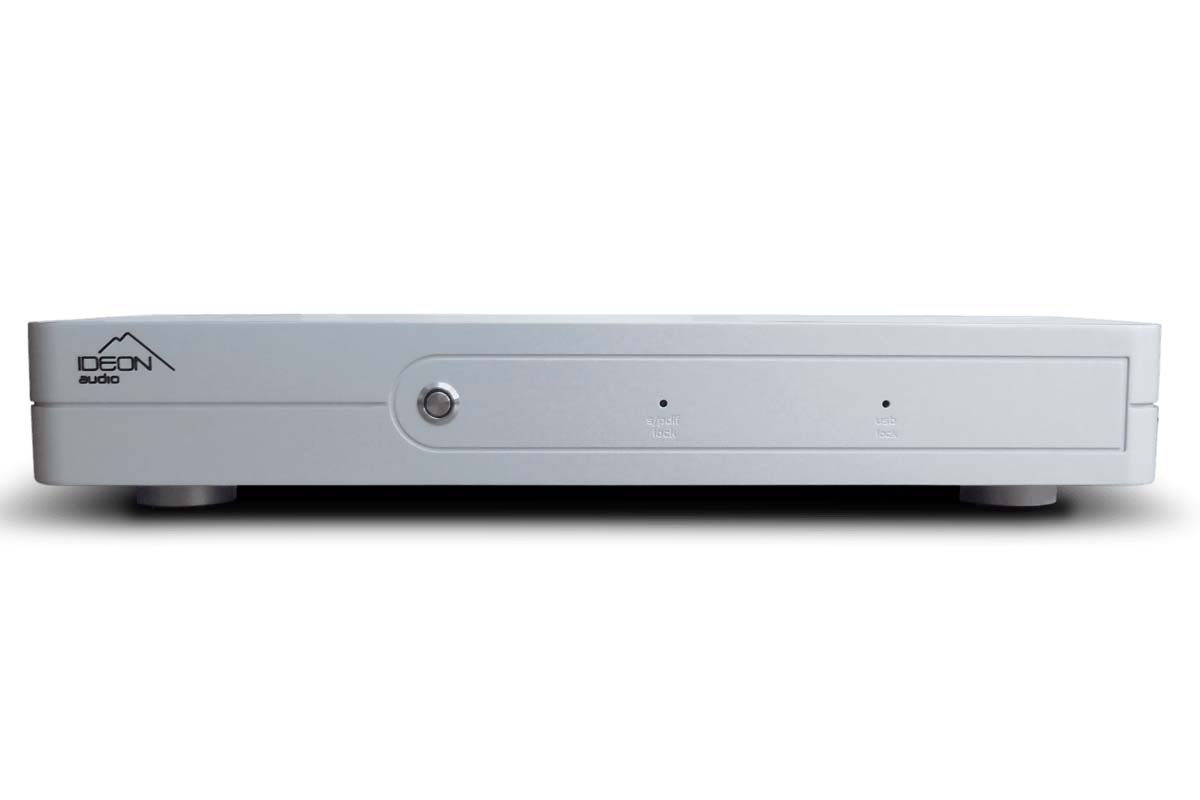
Den aktuellen Höhepunkt des Ideon Audio Portfolios markiert die Absolute Serie, bei der der Name Programm ist: Absolutes Streben nach höchster Qualität, absolut keine Kompromisse – eine absolute Offenbarung. Der Absolute Stream spielt Musik von externen Festplatten und NAS sowie Streaming-Diensten ab und kann auch als Roon Bridge eingesetzt werden. Dabei ist im Inneren des 22kg schweren, aus einem einzelnen Aluminiumblock gefrästen Gehäuses alles auf die unverfälschte und naturgetreue Wiedergabe digitaler Musik ausgelegt. Besonders hervorzuheben ist die speziell designte Reclocking-Schaltung mit Femto-Architektur, die zuverlässig Jitter eliminiert und für maximale Zukunftssicherheit Upgrade-fähig ist.

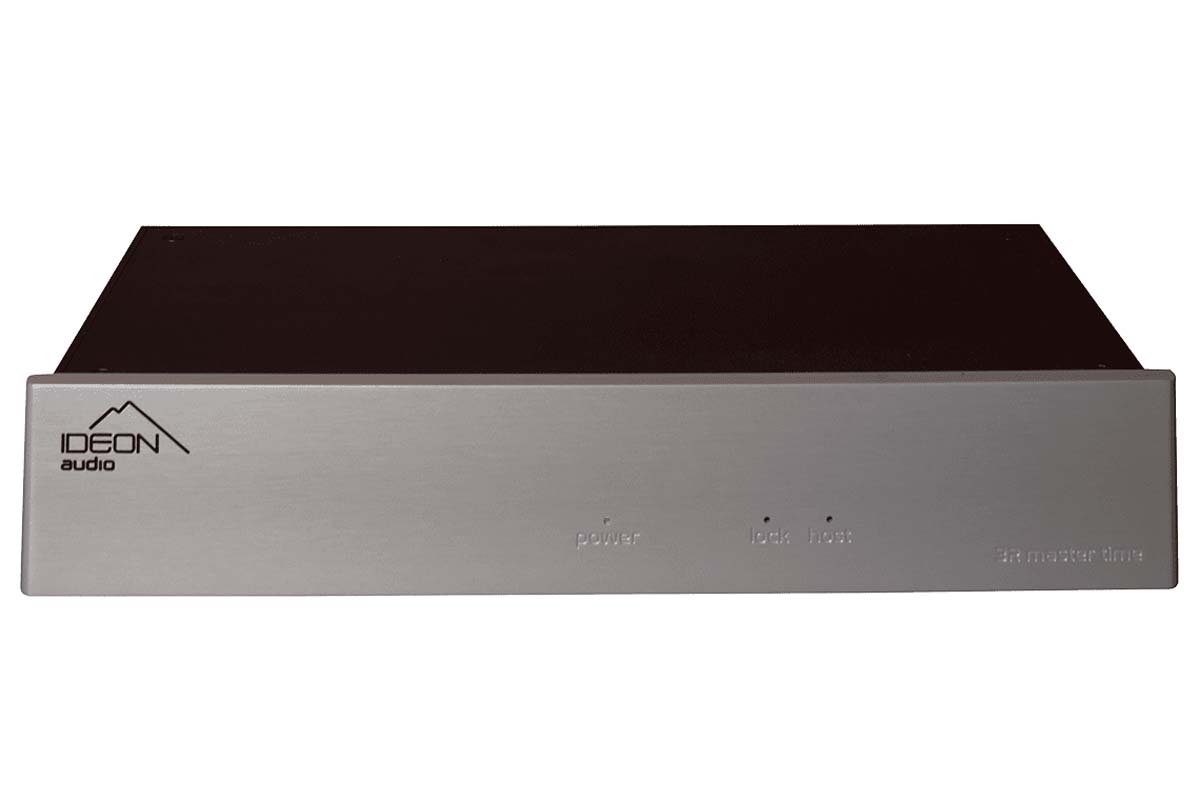
Mit dem Absolute Time Reclocker hat Ideon Audio linearen wie nichtlinearen Verzerrungen und Rauschen den Kampf angesagt. Ausgestattet mit separaten Ein- und Ausgängen für USB und SPDIF wurde der Absolute Time mit einem einzigen Ziel entwickelt: Den DAC mit dem bestmöglichen und absolut unverfälschten Signal zu versorgen. Ausgestattet mit eigens entwickelten Femto-Clocks korrigiert der Reclocker das Signal sowohl am Ein- als auch am Ausgang und garantiert so eine phasenkorrekte Übertragung ohne wahrnehmbaren Jitter. Natürlich hat Ideon Audio auch hier nicht auf Upgrade-Fähigkeit, eine saubere, überdimensionale Stromversorgung und ein massives, gefrästes Aluminiumgehäuse verzichtet. Das Ergebnis all dieser Anstrengungen muss man gehört haben: Auch hochwertigste Wiedergabeketten hebt der Absolute Time auf ein ganz neues Level und verleiht der Musik noch mehr Lebendigkeit, Klarheit und Detailtreue.
CM Audio vertreibt Ideon

Absolute Epsilon DAC: Das Flaggschiff für Musik ohne Kompromisse

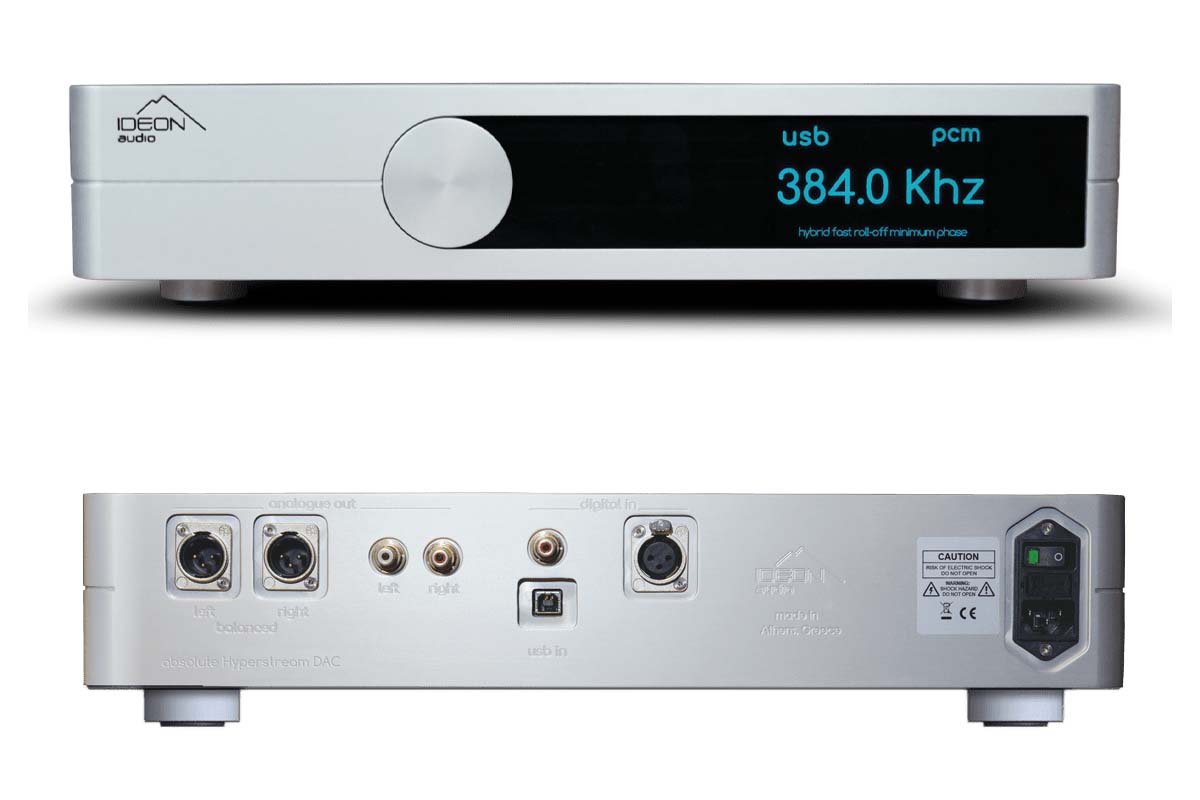
Herzstück der Absolute Reihe ist der Absolute Epsilon DAC. Wer sich digitale Musikwiedergabe auf höchstem Niveau zum Ziel gesetzt hat, kommt an diesem wegweisenden DAC kaum vorbei. Mit einem einzigartigen Dynamikbereich von bis zu 140 dB in einem 32-Bit 8-Kanal-DAC setzt der Absolute DAC neue Maßstäbe. Dabei garantiert die modulare Bauweise, dass er problemlos aufgerüstet werden kann, wenn neue technische Entwicklung noch bessere Performance ermöglichen. Das 26 kg schwere Aluminiumgehäuse beherbergt einen ESS ES9038PRO Chip, für den Ideon Audio eine eigene Software entwickelt hat.

Der Anspruch an höchste Qualität beginnt aber schon beim Eingang: Der eigens designte Ideon Audio Triple Distillation USB-Eingang eliminiert digitale Störgeräusche von Anfang an. Drei der besten erhältlichen Ultra-Low-Jitter Femto Clocks garantieren ein präzises und phasenkorrektes Signal. Eine massive 17-Stage-Stromversorgung liefert reichlich sauberen Strom für alle Komponenten. All das mündet in der symmetrischen Ausgangssektion mit vier analogen Ausgängen ohne Kondensatoren im Signalweg und mit jeweils eigener Stromversorgung. Dabei setzt Ideon Audio konsequent nur hochwertigste Bauteile ein, die sorgfältig ausgewählt und intensiv getestet wurden. Kombiniert mit der langjährigen Expertise in digitaler Signalverarbeitung ist mit dem Absolute Epsilon DAC ein Produkt entstanden, dessen Klang seinesgleichen sucht und das den Hörer seine digitale Musik erleben lässt wie nie zuvor.
CM Audio vertreibt Ideon

Angebot zum Verkaufsstart: Lebenslange Garantie kostenlos

Der deutsche Distributor CM-Audio hat den exklusiven Vertrieb der Ideon Audio Produkte für Deutschland übernommen und macht zur Markteinführung der Absolute Serie allen Käufern ein Angebot, das sie nicht ablehnen können: Wer im ersten Jahr ein Produkt der Absolute Reihe erwirbt, bekommt eine lebenslange Garantie für sein Gerät kostenlos. Damit unterstreichen Ideon Audio und CM-Audio den Anspruch, dass die hochwertigen Produkte über Jahre und Jahrzehnte hinweg Freude bereiten sollen. Jeder Käufer, der bis zum 31.12.2023 ein Ideon Audio Absolute Produkt über den Vertrieb von CM-Audio erwirbt, muss nur sein Produkt registrieren, um die lebenslange Garantie zu erhalten.

Die perfekten Produkte für digitale HiFi-Enthusiasten

Alle Ideon Audio Produkte haben gemeinsam, dass sie bei der Wiedergabe von digitaler Musik jedes HiFi-Setup zu ganz neuen klanglichen Höhenflügen verhelfen. So sind sie beispielsweise herausragende Spielpartner für die Referenz-Musikserver von Antipodes Audio – ein echtes Traumpaar! Neben Ayazi und der Absolute Reihe hat Ideon Audio noch weitere Produkte in verschiedenen Preisklassen für Liebhaber der digitalen Musikwiedergabe im Portfolio. Das komplette Line-up sowie technische Daten und weitere Informationen zu allen Geräten gibt es auf www.ideon-audio.de und www.cm-audio.net
CM Audio vertreibt Ideon

Preise und Verfügbarkeit

Alle Produkte von Ideon Audio werden in Deutschland exklusiv durch CM-Audio vertrieben und sind ab sofort im Handel erhältlich. Die unverbindlichen Preisempfehlungen inklusive Mehrwertsteuer lauten:

  • Epsilon DAC: 41.200 Euro
  • Stream: 17.800 Euro
  • Time: 18.900 Euro
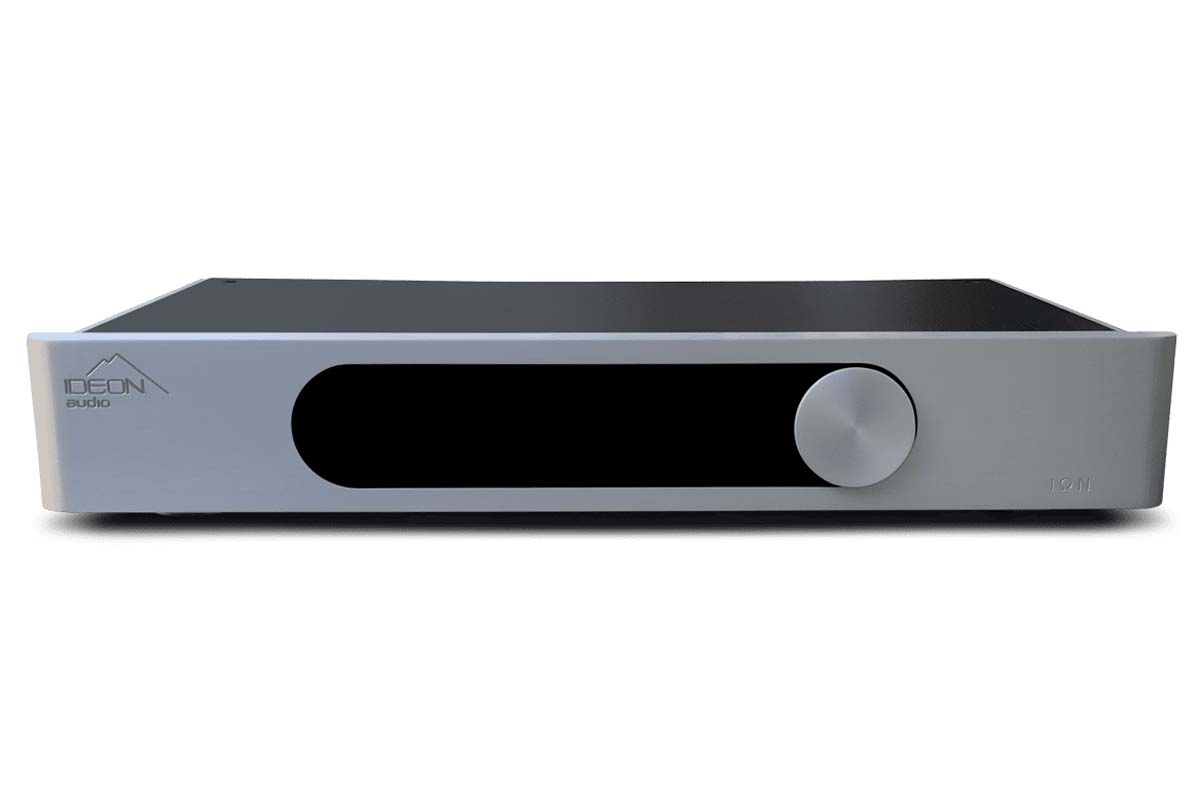
  • IΩN DAC & Vorverstärker: 18.400 Euro
  • IΩN DAC: 15.900 Euro
  • Ayazi mk2 DAC: 3.300 Euro
  • 3R Master Time Black Star: 3.480 Euro
  • 3R USB Reclocker Renaissance mk2 Black Star: 360 Euro
CM Audio vertreibt Ideon

Hörgenuss in bester Umgebung: Jörg Klein vom bisherigen Vertrieb hgfa in Frankfurt steht interessierten HiFi-Enthusiasten weiterhin mit Rat und Tat in Sachen Ideon Audio zur Seite. So ist auch sichergestellt, dass Kunden bei vorher erworbenen Geräten immer den besten Service erhalten und es bei etwaigen Gewährleistungsansprüchen keinerlei Probleme gibt. CM-Audio freut sich besonders auf die gute, freundschaftliche Zusammenarbeit mit dem vorherigen Vertrieb, der damit auch gleichzeitig der erste offizielle Händler für Ideon Audio ist. Natürlich freut sich CM-Audio auch über Anfragen von weiteren interessierten Händlern, die sich auf HiFi-Komponenten für die digitale Wiedergabe spezialisiert haben.

Wer sich die Ideon Audio Komponenten vor dem Kauf gerne in vertrauter Umgebung und mit der eigenen Wiedergabekette anhören möchte, hat Glück: CM-Audio bietet unter dem Motto „Nur zu Hause klingt wie zu Hause“ einen einzigartigen Service an. Potentielle Kunden können sich ihr Wunschprodukt unverbindlich nach Hause schicken lassen, um es dort unter Realbedingungen ausgiebig und unverbindlich zu testen. Weitere Informationen dazu gibt es auf www.cm-audio.net/testpaket

Der Beitrag Ideon Audio im CM-Vertrieb erschien zuerst auf FIDELITY online.

Balanced Audio Technology VK-3500 Integrated Amplifier | REVIEW

It’s been twelve or thirteen years since I’ve had Balanced Audio Technology in for review. That previous time, the only real seat time I’ve had with BAT, was with a pair of all-tube separates that […]

Ideon Audio Absolute Digital-to-Analog Converter

What does it really mean to say that a luxury consumer good is a “no compromise” product? Sometimes, it means you’re getting the top-of-the-line model with as many bells and whistles as possible. You drive home in a loaded Cadillac Escalade—the Sport Platinum version with plenty of extras, including 22″ 12-spoke chrome-alloy wheels and a polished exhaust tip. The same paradigm can hold with an audio purchase. You go for the preamplifier with the optional phonostage, the server with the standard USB card replaced by one with more impressive specifications, the high-gloss paint finish (in a custom color) that added several thousand dollars to the cost of those already expensive loudspeakers. But other times, “no compromise” refers strictly to basic performance: Nothing is included that could possibly degrade sonic quality. Less is more. This was very much an issue on the table as I got to know Ideon Audio’s $34,900 Absolute digital-to-analog converter.

Ideon is based in Athens, the locus of Greece’s small but vital audiophile community. It’s been operating since 2016, co-founded by the company’s chief engineer Vasilis Tounas and its CEO George Ligerakis, an IT professional. Other principals include Angelos Gallis, representing Novatron SA (a firm assisting with logistics, importing, and accounting) and Greg Mitsacopoulos, the Operations Director and marketing maven. The four are close friends and, while all are highly qualified for their roles in this endeavor, Ideon Audio is also clearly a labor of love. Ideon’s first product was the Ayazi DAC, now in its Mk 2 iteration, which garnered considerable attention for its level of performance at its original price point of around $1200. Soon thereafter came the diminutive USB Renaissance 3R “reclocker,” reviewed in TAS 278. Ideon’s current offerings also includes two other reclocking devices of greater complexity and cost, a streamer, a stand-alone linear power supply, and its flagship Absolute DAC, in development for over three years. In late 2019, Ideon’s product line was taken on by North American distributor Audio Skies of Los Angeles, which carries a number of other top-drawer brands including Larsen loudspeakers, GamuT electronics, and Pear Audio turntables. It seemed an appropriate time for us to have a serious listen to a serious product.

The Absolute is one hefty piece of equipment—bend your knees if you pick it up!—thanks to a 22kg CNC-machined chassis. The enclosure measures 19¼” x 4¼” x 13¾”, the height parameter including four sturdy aluminum pillars. Rounded corners make the box look less severe, and the concentric rectangles cut into its top surface are a nice aesthetic touch. On the front panel are only two functional elements, the 4½” x 2½” LED display and a single large knob that does everything. It turns the unit and off, adjusts volume in the digital domain (if you actually want to—stand by), and changes the input filter or other settings. It’s a little tricky to use at first: You need to remember when to push the knob and when to turn it in order to navigate the menus as intended, but it quickly becomes intuitive. On the rear panel, to the right, is an IEC receptacle (BYO power cord) and an associated rocker-style main-power switch. In the middle are the three digital inputs, one each for coaxial, USB, and AES/EBU connections. Lastly, to their left, are balanced and single-ended analog outputs, one set of each.

Inside the box, students of digital design will find evidence of the innovations and meticulous execution that reflect Vasilis Tounas’ engineering choices. The DAC chipset is ESS Technology’s Sabre ES9038PRO, the most salient feature of which is a dynamic range specification of 140dB. Other manufacturers have utilized this device, but George Ligerakis emphasizes, “If you don’t make sure the whole design of the DAC is appropriate and state-of-the-art, you will never get that impressive result. What we have done, more than most of the others, is to develop many different ultra-low-noise local linear power supplies and a sophisticated analog stage.” The Sabre chip is a 32-bit, 8-channel converter—computations are occurring simultaneously in multiple pathways. Sounding like the computer expert he really is, Ligerakis continues: “We don’t use the classic way of parallelizing the channels of the DAC chip, an area where most manufacturers fail. We do a simple but sophisticated and highly effective parallelization to utilize the high current of these channels. I don’t want to say more, as this is one of the proprietary design elements that we have thought of and implemented!”

ideon_absolute_closeup

DSD decoding is done via DoP rather than natively, something I’m increasingly agnostic about. Most of today’s DACs rely on DoP (DSD over PCM), an interface that formats DSD data as a PCM signal, which then is “unpacked” back to DSD in the DAC.

Though the Absolute allows for both XLR and single-ended analog connections, the signal path within is balanced from start to finish. With his designs, Tounas is clearly obsessed with providing sufficient power, noiselessly, to wherever it’s required. There are independent power supplies serving each stage of the circuit that bypass the main power boards. Ideon describes a “massive multistage power reservoir” comprising 17 low-noise power-supply rails and individual regulation stages. To assure “phase fidelity,” the DAC incorporates three femto, low-jitter/low-phase-noise clock oscillators, each with its own dedicated power line. Additionally, the Absolute’s USB input employs a proprietary three-stage noise-eradication circuit. The output stage is direct coupled, with no capacitors in the signal path.

In the user interface there are just three menu screens that provide all the functionality one needs to operate the Absolute. The main screen allows you to select the digital input, and displays the active source name, upsampling filter identity, audio data frequency, and the gain level, if you’re using the Absolute’s volume control. On the Input Settings screen, the user makes a choice regarding the filter employed. There are seven options that I won’t list here but after listening to each with the same music—an hour or two of my life I’ll never get back—I settled on “slow roll-off linear phase.” Other parameters requiring a decision include settings for an IIR filter (47.44kHz is the default), lock speed (the number of audio samples the machine must see before the digital phase-locked loop, and the Sabre chip’s jitter-reduction algorithm kick in), as well as dithering, jitter elimination, and de-emphasis, for which the options are enabled or not. Finally, on the General Settings screen, one chooses either fixed or variable output for the Absolute, a default volume setting, and how bright you’d like the display to be.

There was no remote control, unlike most of the competition. Why should that be? Read on.

As I usually do with my T+A DAC 8 DSD, I connected the Absolute directly to the power amplifiers, a pair of David Berning Quadrature Z monoblocks. Loudspeakers were either Magico S1 Mk2s (usually deployed here as the surrounds in a multichannel system) or my new references, Magico M2s. Magico’s S-Sub saw some action from time to time, providing support below 40Hz. The digital sources were my long-in-the-tooth Oppo 103 used as a transport, and a MusiCHI SRV-1 server to play files stored on a Synology NAS. Analog cabling was mostly Transparent Ultra, and digital wires included Revelation Audio USB and Apogee Wyde Eye coaxial cables. Ideon encourages experimentation with anti-vibration devices, and I heard improvement with four Ariamateria decoupling feet placed underneath the Absolute’s aluminum pillars.

For my first few weeks with the Absolute, I listened only sporadically as I finished up other projects. There was an obvious “jump factor” going on—plenty of dynamic immediacy—and good detail. My interest grew as I heard the component improve with break-in. (The User Instructions maintain that the Absolute needs “a little over 300 hours to come fully into its own.”) But then the noises started—papery, scratchy noises that sounded like a damaged speaker driver (though the speakers were fine) or a failing capacitor. I checked in with the Ideon folks and their response was consternation. “Even the DAC chip manufacturers recommend that an analog volume control is better than a digital domain control,” replied George Ligerakis. “They recommend that, for critical listening, an analog preamp or analog attenuator should be used in order not to lose the resolution of the bits—meaning, in order not to lose the pure digital playback that is the essence of a good DAC.” This is why there was no remote: Ligerakis tells me that 100% of Absolute owners send output from the DAC to a preamp, which, of course, has its own volume control. Chastened, I started playing the Absolute though one of two preamplifiers on hand with analog volume controls—the Classé Delta PRE, the review of which I’d just finished, and a GamuT D3i on loan from Audio Skies. With both, the extraneous noises disappeared completely and I found myself reveling in the best digital sound I’d ever heard from my system, by a wide margin. As we were about to go to press, Ideon provided a considerably expanded User’s Guide that, among other things, details the benefits of using a quality preamp between the DAC and the power amplifier(s). It mentions the rare possibility that the design of some power amps could result in an impedance mismatch with the Absolute; this was responsible for the spurious sounds I heard when attempting to drive the Berning amplifiers directly with the Absolute.

Perhaps the most striking aspect of the Absolute DAC’s rendering of recordings, the one that’s most redolent of a real performance, is its representation of the dynamic life of music. To be sure, this has plenty to do with the wide dynamic range (and the associated high signal-to-noise ratio) of the Sabre chip and its implementation by Ideon—the Absolute plays loudly with authority and is wonderfully intelligible with the quietest material. A vanishing low noise floor gives intimately recorded music emotional acuity—Christy Moore singing “Shine On You Crazy Diamond” from his 2009 album Listen—and live recordings a captivating sense of occasion—Leonard Cohen’s autumnal Live in Dublin set. An even bigger payoff comes with the recreation of subtle dynamic inflections by vocalists and instrumentalists. You can hear this when Kevyn Lettau modulates the volume of a long-held note in “Everything She (He) Does Is Magic” (Songs of the Police) or in the way the woodwind soloists shape their phrases in the opening Allegretto of Bernard Haitink’s 2010 recording of Shostakovich’s Symphony No. 15. The mid-movement crescendo climax of that same selection crests gracefully, with a sense of ample headroom.

Also apparent with the Absolute was a resolution of musical detail and texture that never seemed unnaturally exaggerated. A receptive listener can make sense of simultaneous musical events in a way that’s typically much easier with flesh-and-blood performers. There’s not just the ability to discern the sound of a tiny triangle over the din of a full orchestra, but a world of subtly variegated tonal color is revealed, if it’s there on the recording. For many, the singing voice of the late Walter Becker, half of Steely Dan, was an unknown, at least until he released a solo album in 1994. Becker often sang background vocal parts on early SD albums, but his contribution was mixed with other singers in a way that obscured its individuality. Occasionally, however, Becker would sing in unison with his partner and Steely Dan frontman Donald Fagen. With the Ideon in the playback chain, he’s audible as his own man. Check out “Any Major Dude” from Pretzel Logic—for years, I thought I was listening to Fagen overdubbed with himself.

Two additional strengths of the Absolute DAC are clarity and speed; again, the kind that’s evident at a live concert, rather than an artifact of an overzealous recording or mastering process. Pianist Marc-André Hamelin is known for his superhuman technique and his 2001 CD Kaleidoscope, recorded for Hyperion in 2001 by Tony Faulkner, programs short, challenging pieces by 17 composer-pianists, including Hamelin himself. Hamelin’s Etude No. 6: Essercizio per pianoforte (Omaggio a Domenico Scarlatti) is a tongue-in-cheek tribute to the Italian baroque composer, and the blisteringly difficult passagework can blur with lesser digital playback. With the Absolute, not only is every note clear, but it’s evident that a machine is not responsible for what you’re hearing—each note is not exactly like the one before or after.

After another month with the Absolute in my system, it was apparent this is a product in the same league as the most ambitious gear from Berkeley, dCS, MSB, T+A, Meitner, and others. I’ve heard these DACs at shows, dealers, and in friends’ systems but, aural memory being what it is, I hankered for a more immediate comparison. I borrowed one of these top-of-the-heap components and devoted some hours to playing the same music through both machines, using the same source components and cabling, matching playback levels within 1dB with an SPL meter. I won’t name which one, as it would be highly irresponsible to declare a “winner” when two such complex devices were being compared for what was still a relatively short period of time. But, given my personal listening biases, I know which DAC I’d choose. The Ideon seemed subjectively louder, with more vital dynamics, and musically relevant details registered more clearly. On the Kaleidoscope selection noted above, there was a little less smearing of that demonically difficult passagework with the Greek DAC. Not night and day, but enough to make a difference. Listening to the competitor, you knew you were hearing an outstanding piano recording. With the Ideon, you could believe you were hearing a piano.

Negatives or compromises, if you will? No MQA, if you happen to be a fan. Even if you’re using an external preamp or attenuator, a remote would still be appreciated for switching sources and to make filter choices from the listening position.

But the fact remains that this is a world-class digital-to-analog converter, and even something of a bargain compared to its most elite competitors. There may be no sunroof or heated front seats, but Ideon’s Absolute DAC is a no-compromise piece of audio gear. In a good way, which is why I’m buying one.

Specs & Pricing

Inputs: USB, AES/EBU, coaxial
Formats supported: 44.1kHz–384kHz/32-bit PCM; DSD via DoP
Outputs: One pair each, balanced or unbalanced, fixed and variable
Dimensions: 19.25″ x 4.25″ x 13.75″
Weight: 57.2 lbs,
Price: $34,900

IDEON AUDIO
Parren 6, Neo Phychiko, 11525
Athens, Greece
+30 210 6199887
ideonaudio.com

AUDIO SKIES (North American distributer)
(310) 975-7099
audioskies.com
[email protected]

The post Ideon Audio Absolute Digital-to-Analog Converter appeared first on The Absolute Sound.