Tag Archives: mobile fidelity

Yamaha WS-B1A

Yamaha WS-B1A

Zur IFA 2022 konnten Besucher am Messestand bereits den liebevoll designten Prototypen des Yamaha WS-B1A bestaunen.

Yamaha WS-B1A

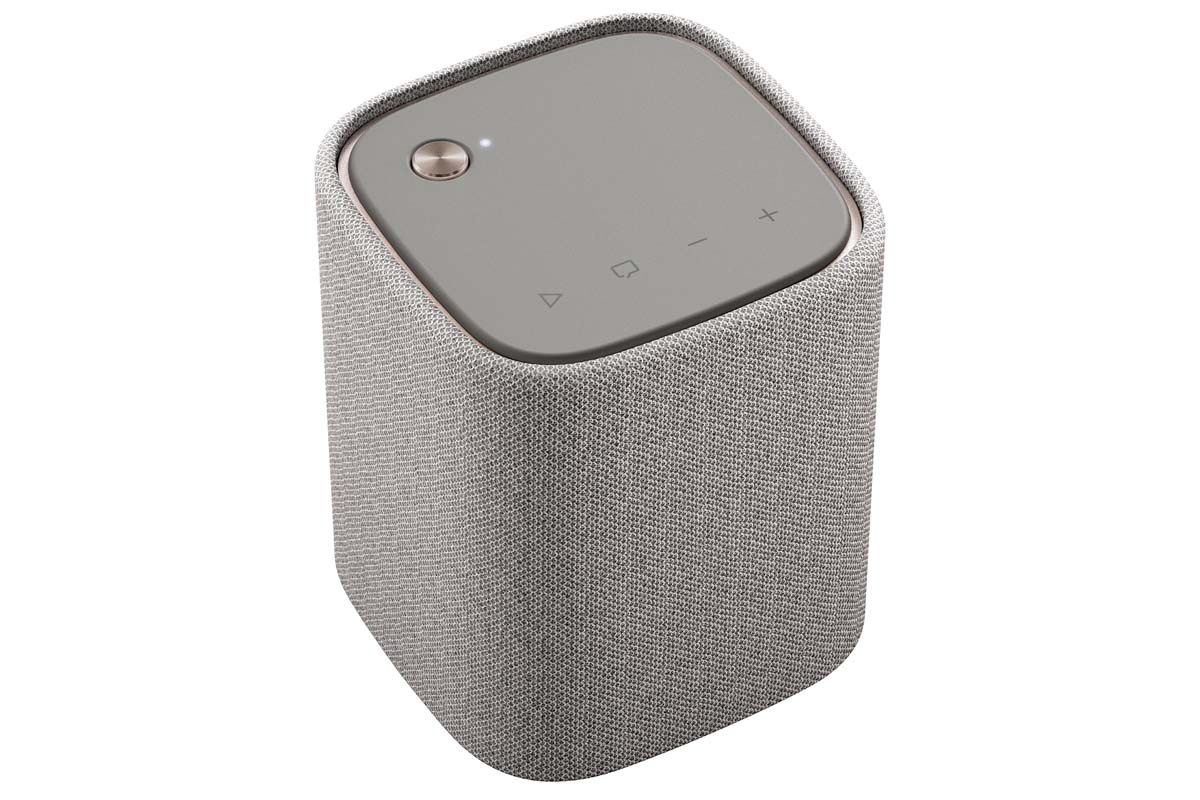
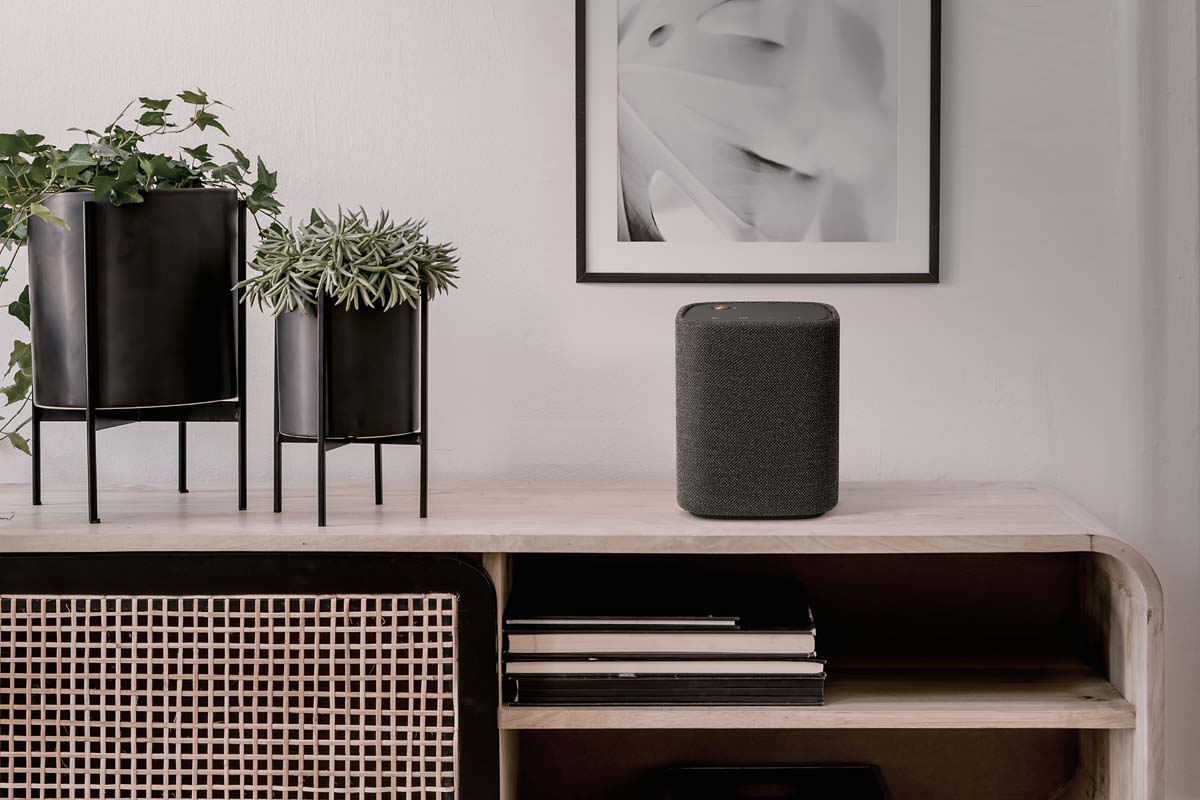
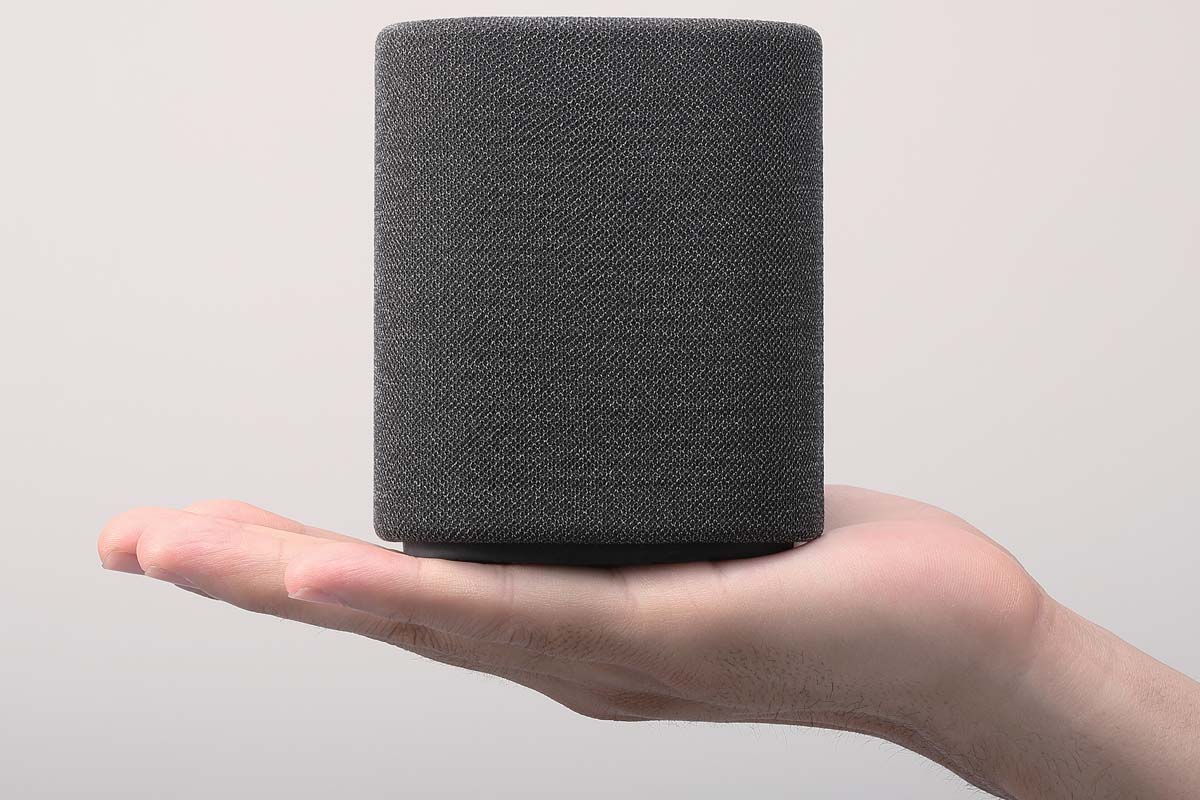
In Serie ist der Speaker ab sofort verfügbar und erweitert die kabellose Produktvielfalt von Yamaha. Der moveable Bluetooth-Lautsprecher ist für seine Tonqualität besonders kompakt und somit bestens für schöne Ausflüge nach draußen geeignet. Ob am Badestrand, für Picknicks, kleine Partys oder zum Entspannen im Wohnzimmer: der WS-B1A macht überall eine akustisch und optisch überzeugende Figur. Zudem ist er nach Schutzklasse IP67 vor Staub und Feuchtigkeit geschützt und kann mit einem Gewinde für die Wandmontage sowie einer optionalen Ladestation glänzen.

Elegant, portabel und wasserdicht

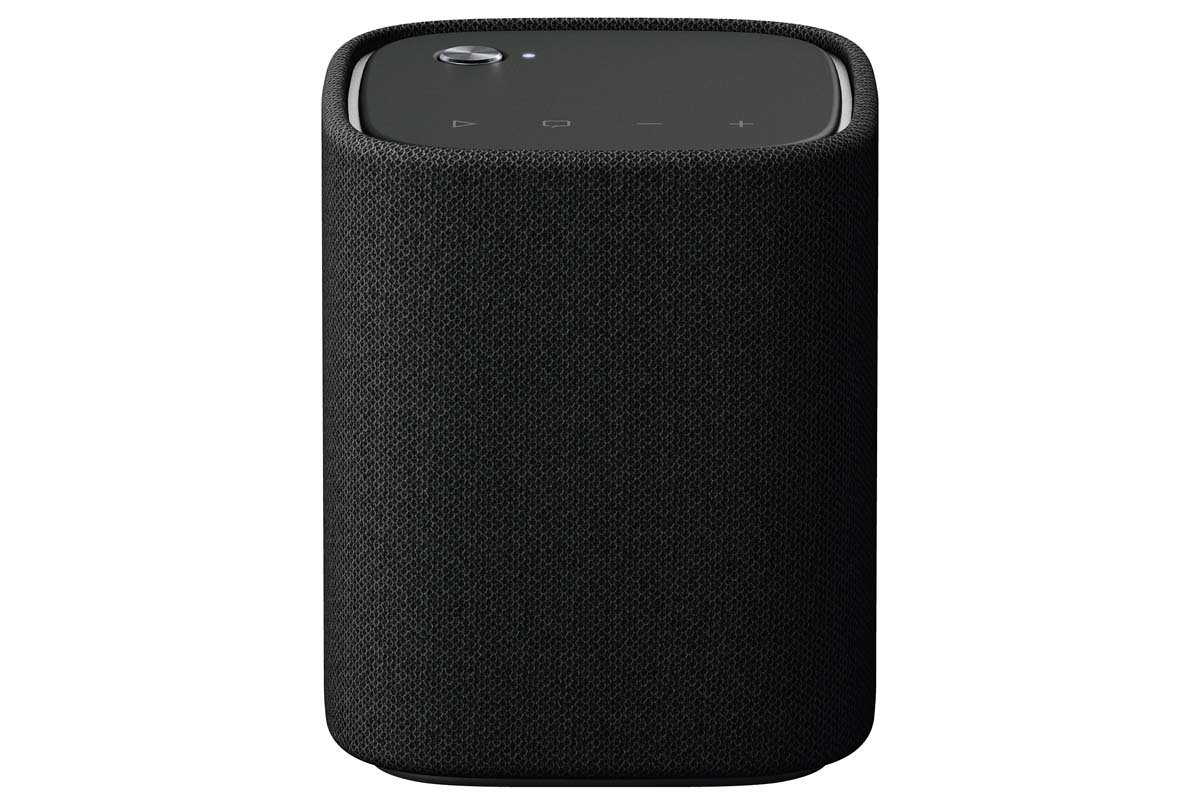
Der WS-B1A macht den „True Sound“ von Yamaha nun besonders mobil. Im Inneren des Speakers mit Bluetooth in Version 5.0 sind ein 55-mm-Treiber samt zwei Passivmembranen verbaut, die raumfüllenden Klang mit einer dezenten, wohl abgestimmten Portion Tiefton erzeugen. Gerade die kompakten Abmessungen (H x B x T) von 10,5 x 8,8 x 8,8 Zentimetern, das Gewicht von unter einem halben Kilogramm und die IP67-Zertifizierung ermöglichen einen vielseitigen Einsatz des Audioschmuckstücks.

yamaha-ws-b1a-05

yamaha-ws-b1a-03

yamaha-ws-b1a-04

yamaha-ws-b1a-07

yamaha-ws-b1a-06

yamaha-ws-b1a-02

yamaha-ws-b1a-09

yamaha-ws-b1a-08

yamaha-ws-b1a-01

<
►
>

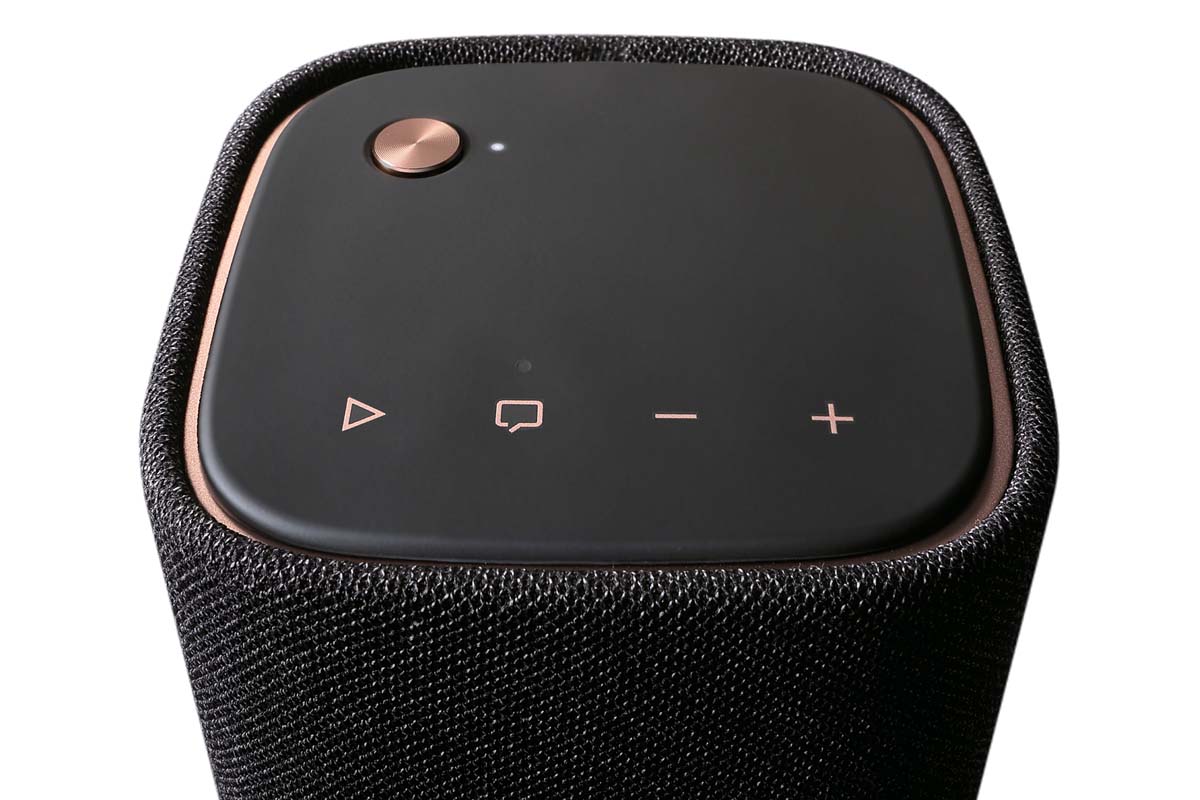
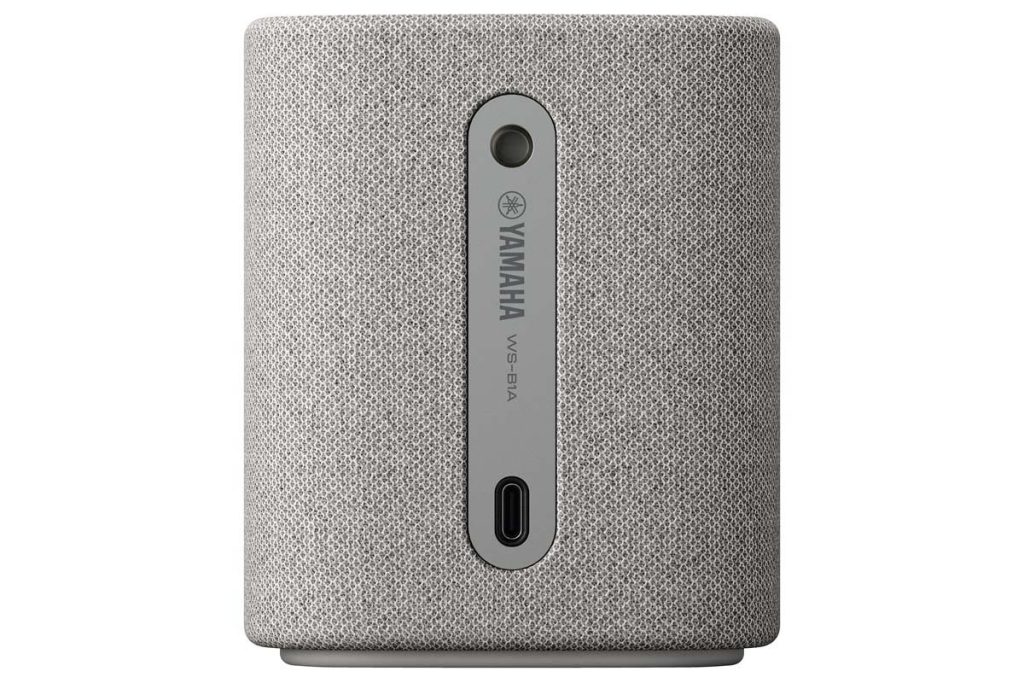
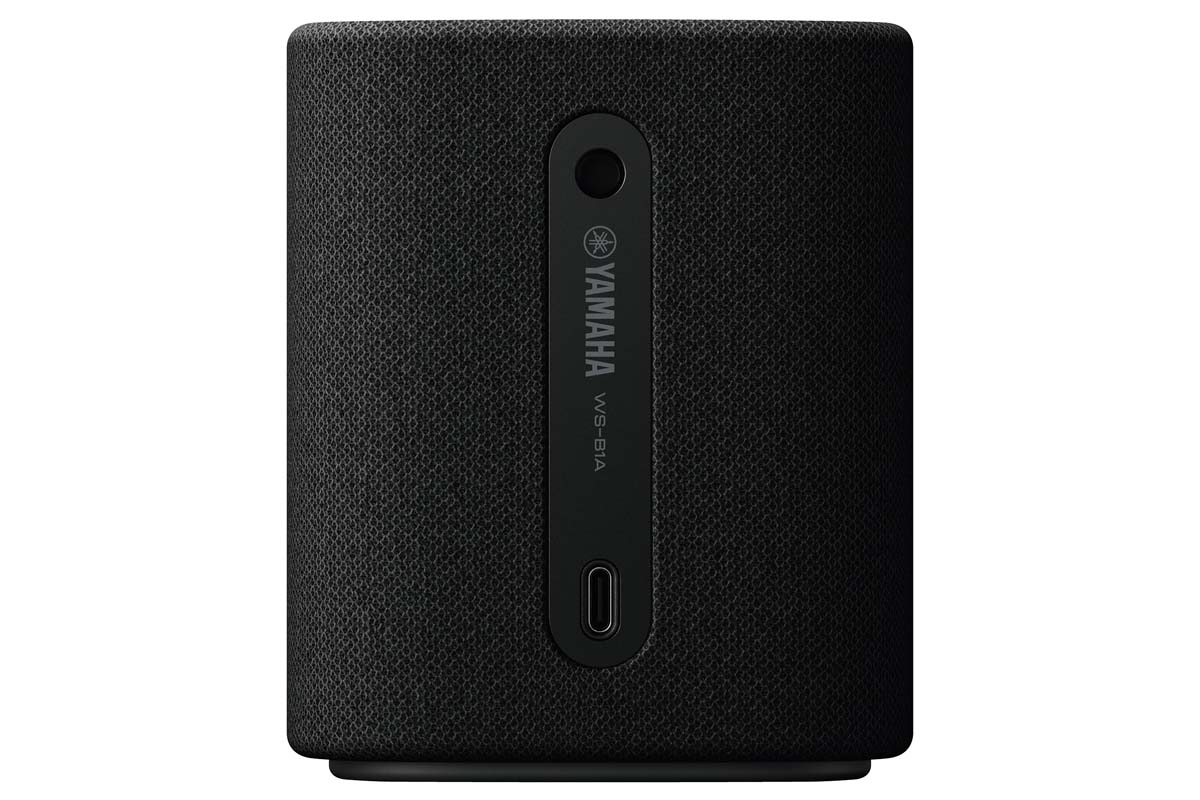
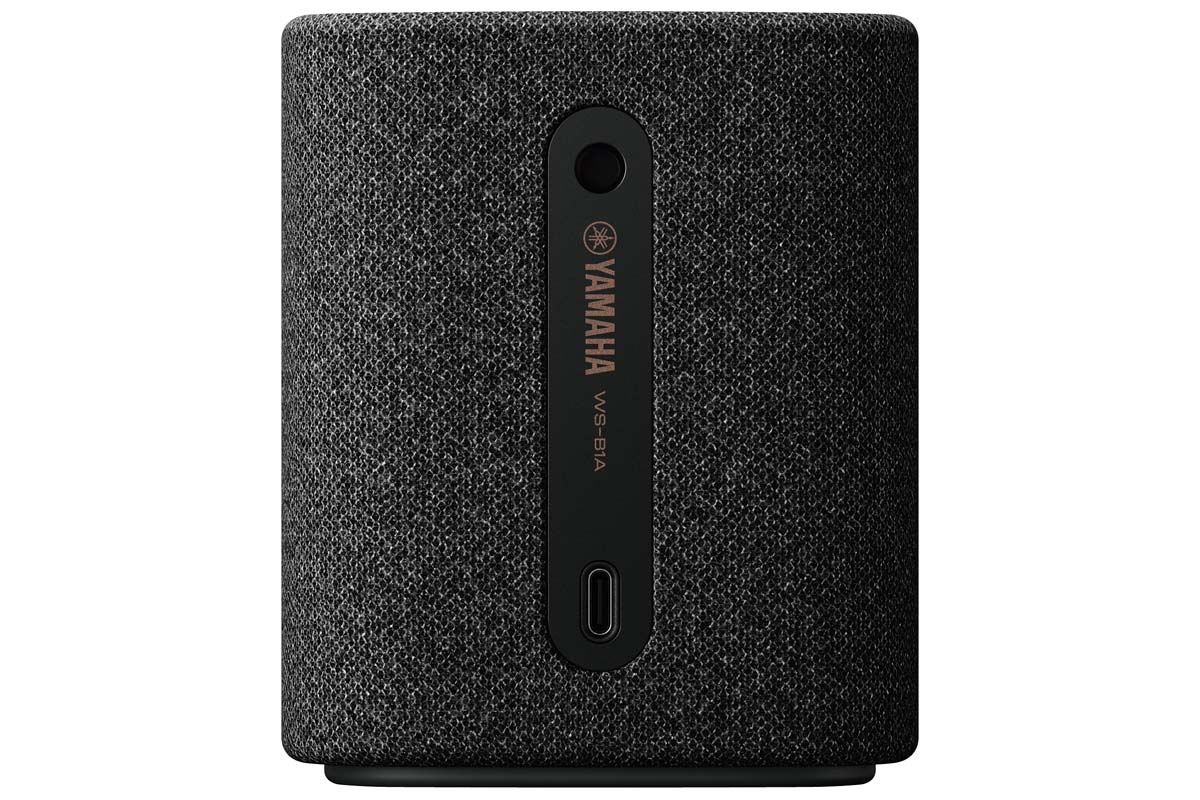
Im Rucksack oder der Strandtasche findet der Lautsprecher somit immer einen Platz und kann Musik, Podcasts oder Audiobücher bis zu zwölf Stunden ohne Pause abspielen, bevor er mit dem beiliegenden USB-C-Kabel wieder an die Steckdose muss. Nach drei Stunden ist der Akku auch wieder komplett geladen und bereit für den nächsten Einsatz. Für den modernen, wohnraumfreundlichen Look des Lautsprechers setzt Yamaha auf verschiedene Farbakzente und eine robuste Stoffabdeckung, die bestmögliche akustische Transparenz gewährleistet. Das schwarze Modell ist beispielsweise schlicht gehalten, wohingegen der karbongraue Speaker mit roségoldenen Elementen besonders stilvoll wirkt.

Intuitive Bedienung und durchdachte Extras wie Clear Voice

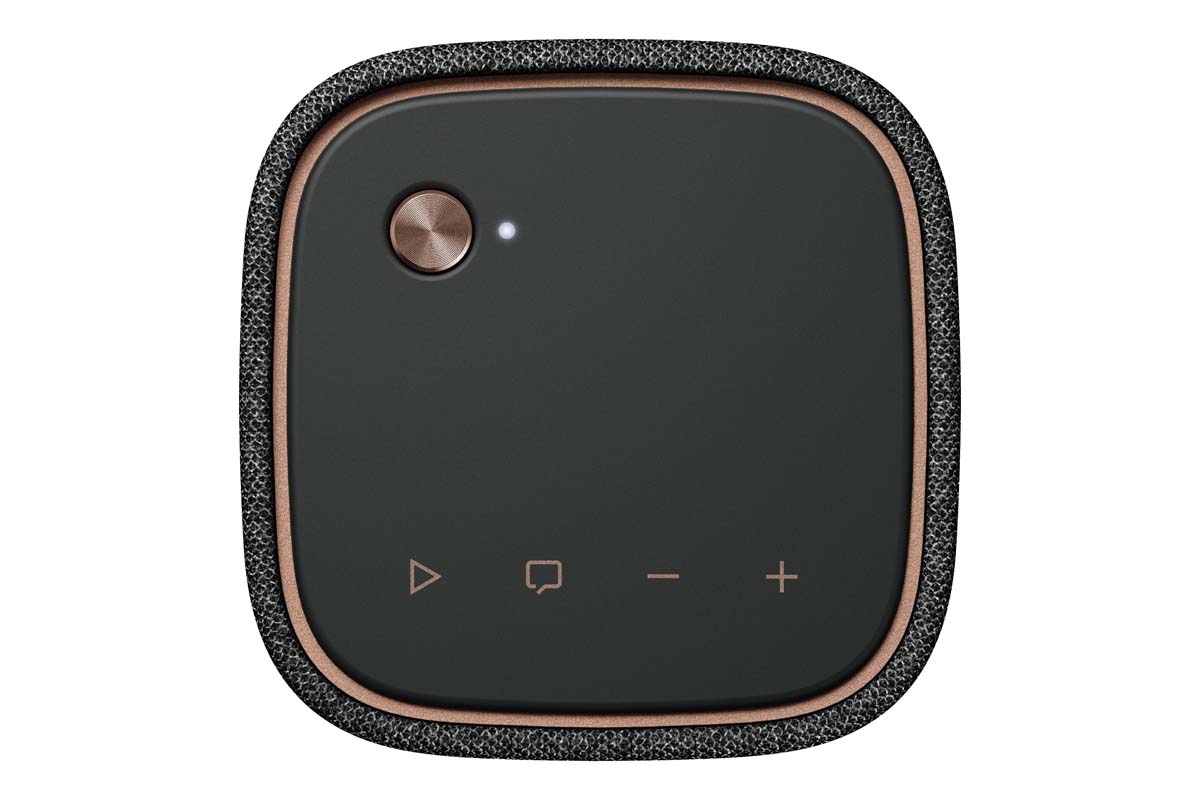
Einschalten, koppeln, loslegen: Der WS-B1A macht direkt bei der Ersteinrichtung Lust auf die eigene Playlist. Nachdem die Bluetooth-Quelle wie Smartphone, Tablet oder Laptop verbunden ist, helfen vier Tasten mit wohl definiertem Druckpunkt bei der Steuerung. Die Musik kann gestoppt und wieder gestartet sowie in der Lautstärke genau angepasst werden. Ein Highlight ist die Clear-Voice-Funktion, die schon aus Soundbars und anderen AV-Geräten von Yamaha bekannt ist. Damit wird die Stimmwiedergabe bei Hörbüchern, Podcasts oder anderen Aufnahmen klar hervorgehoben und auch leicht überlagerte Dialoge sind somit besser verständlich. Gerade für die Klänge im heimischen Wohnzimmer ist die optionale Ladestation CC-T1A ein praktisches Zubehör. Damit ist der kompakte Lautsprecher immer geladen und bereit für den nächsten Ausflug.

Yamaha WS-B1A

Allgemeine Informationen, Preise und Verfügbarkeit

Der WS-B1A ist in den Farben Schwarz, Hellgrau sowie Karbongrau ab sofort erhältlich. Die unverbindlichen Preisempfehlungen inklusive 19% Mehrwertsteuer liegen bei 119,00 Euro für den Bluetooth-Lautsprecher und 29,00 Euro für die optionale Ladestation CC-T1A.

de.yamaha.com

Der Beitrag Yamaha WS-B1A erschien zuerst auf FIDELITY on-line.

Mobile Fidelity’s 40th Anniversary Thriller

You gotta wonder who’s picking the titles at Mobile Fidelity. On the heels of inciting one of the largest riots in high-end-audio history, the brain trust at MF has chosen this rarity to re-launch its One-Step program in the post-scandal era. What’s next? Mihály’s Cello Concerto? Infected Mushroom’s Converting Vegetarians? (Both of which would be great choices, BTW.)

I kid, I kid.

There probably isn’t a one of you who doesn’t own some version of Michael Jackson’s Thriller, which is, after all, the best-selling album of all time. Thirty-seven weeks at Number One on the Billboard Top LPs & Tapes chart, certified 38x platinum, a record-breaking eight Grammys including Album of the Year and Record of the Year (“Beat It”), the most Top Ten singles of any LP in history, not to mention the rocket-boost Jackson’s slick moon-walk videos gave to MTV’s popularity (and vice versa), Thriller changed things—not least, the public perception of Jackson himself, who went from a boy-band singer with boundless energy and a sweet falsetto voice to an international cultural icon. Once scorned by outfits like Rolling Stone, who feared putting Black musicians like him on its cover because “they don’t sell copies,” Jackson became the hottest thing in show biz.

In retrospect, a lot has been made about the “artistic change” in Jackson that Thriller represents. The redoubtable Stephen Erlewine of AllMusic rather captures the Zeit, writing that “although [Thriller] is an undeniably fun record, the paranoia is already creeping in, manifesting itself in the record’s two best songs: ‘Billie Jean,’ where a woman claims Michael is the father of her child, and the delirious ‘Wanna Be Startin’ Something,’ the freshest funk on the album, but the most claustrophobic, scariest track Jackson ever recorded [allmusic.com/ album/thriller-mw0000056882].”

I don’t know. Reading Michael Jackson’s psyche directly into his music strikes me as a classic instance of the biographical fallacy. Jackson was the quintessence of pop—a strange, lonely, tremendously gifted and canny artist with an unquenchable drive to be Number One and (with the help of arranger/producer Quincy Jones) an unfailing sense of what would work for him musically to achieve crossover success. In life, he may have suffered from an increasingly severe case of arrested development, but on LP it seems to me that songs like “Billie Jean” and “Wanna Be Startin’ Something” were less likely unconscious reflections of paranoia and more likely conscious attempts to comb more of the Jackson Five bubblegum out of his hair (a process that began with Off the Wall)—efforts aimed at making Jackson appear more grownup, macho, independent, and saleable, without sacrificing his boyish energy and charm. In Thriller, he got what he aimed for, and we got a uniformly delightful, irresistibly danceable album chockful of memorably catchy tunes.

Originally recorded, all-analog, by pioneering engineer Bruce Swedien at Westlake Recording Studios in Hollywood (April–November 1982) and mastered by none other than Bernie Grundman, the Epic Thriller won the Grammy for Best Engineered Recording and deserved it. Unlike so many pop albums that sound terrific on radio or TV but disappointing at home, Thriller has always sounded good on vinyl. A lot this is owed to Swedien, who was famous for his innovative mic’ing techniques (he was, Michael Fremer told me, among the first recording engineers to use Blumlein pairs to record pop vocals and instrumentals, like those of Jackson and his musicians on this disc), some to Westlake Recording, whose studios were acoustically treated for flat frequency response and controlled reverb, some to Grundman, who has overseen the production of an extraordinary number of wonderful-sounding albums, but most to Jackson himself and to Quincy Jones, whose joint arrangements, choice of backup performers, and performances are, well, phenomenal.

For this 40th Anniversary reissue, MoFi claims to have used the original ½**/30ips mastertape, copied to DSD256, mastered at its analog console (with Tim de Paravicini electronics), and inscribed on a lacquer that is plated with a layer of metal, which, when peeled off, becomes the stamper (bypassing the lossy metal mother/father steps of conventional pressings). Belatedly, MoFi is now admitting to the DSD “digital step” in its LP-making process; indeed, the entire manufacturing sequence is now printed on a sticker attached to the front cover of Thriller—like the old SPARS code on LPs and CDs.

You can tell how MoFi’s Thriller is going to sound from the very first moments of “Beat It” on Side Two. The “ch’k” of the hi-hat is much clearer and less forward and aggressive on the MoFi than it is on the Epic LP. Indeed, every instrument and vocal on “Beat It” (on all the songs from Thriller) is clearer and cleaner and somewhat more laid-back, which is to say noise has been lowered substantially, and clarity has been raised substantially. As a result, the decipherability of lyrics, the contributions of backup musicians (like lead guitarist Eddie Van Halen and rhythm guitarist Steve Lukather), the overall neutrality of timbre and resolution of detail (such as the heightened breathiness of Jackson’s voice, which takes on a kind of see-through transparency that makes him sound quite “there”) are greatly increased.

So…a big step forward, right?

Well, yes and no. If you turn the page (or move the stylus) to the second cut on Side Two, “Billie Jean,” you’ll begin to understand the “and no” part. All the improvements in clarity, noise, resolution, and neutrality are still there, of course, but so is something else that is equally apparent on “Beat It.” Just listen to Ndugu Chancler’s big drum strikes followed by Louis Johnson’s Yamaha bass ostinato at the start of “Billie Jean.” Swedien wanted these drumbeats to stand out and went so far as to construct a plywood platform for Chancler’s kit, “ordering a custom-made bass drum cover, using everything from cinder blocks to specially designed isolation flaps, all to capture just the right imaging…‘See if you can think of any other piece of music where you can hear the first three drumbeats and know what the song is,’ Swedien [once] said. ‘That’s what I call sonic personality’ [Blender: The Ultimate Guide to Music and More, October 2005].”

On the Epic LP, that “sonic personality” is unmistakable. Putting aside the fact that “Billie Jean” (and every other cut on the album) is mastered at a much higher level on the Epic LP than it is on the MoFi reissue, the first strike of the drum hits hard enough to knock you back a bit in your seat. It’s got lifelike body, presence, and, above all, transient impact. So does Johnson’s Yamaha bass (which was especially chosen for its tone by Jackson, after Johnson demo’d every other bass guitar in his arsenal).

On the MoFi reissue, the drum and bass guitar are clearer with greater separation, detail, low-end extension, and more neutral and natural color, all right. But they are also less present and exciting. It’s almost as if some of the fun has been let out of the room. The upfront presence and thrilling power-range/midband impact of vocals and instrumental transients—and thrilling is the way the musicians, the producer, and the recording and the mastering engineers intended them to sound—are somewhat reduced.

Though I’ve been avoiding the question, I’m sure you’re wondering (as I did) whether these sonic differences are the results of the “digital step” MoFi is now taking in mastering. When it comes to this LP’s lower noise and higher resolution, they probably are; however, they are certainly also the result of the different EQ that MoFi’s engineers used on this reissue (for which, see the sidebar).

When it comes to mastering you can, I suppose, make an argument on behalf of any procedure that either: 1) makes the music sound more faithful to what is recorded on the tape; 2) more faithful to the sound of a live performance; 3) more faithful to the artists’ intentions; or 4) just more fun to listen to. This reissue rather falls into the first category, the original into the third and fourth. MoFi’s John Wood, Krieg Wunderlich, and Shawn R. Britton have taken an eminently enjoyable recording intended to be pure toe-tapping entertainment and turned it into something that demands and repays close listening—an audiophile recording rather than an exuberant, highly produced, bandwidth-limited, 80s’ dance mix.

As a postscript, let me note that—to my surprise—the Thriller I received was miscentered (170µ off center), meaning that plenty of blur-producing wow and flutter was being induced by the record with each rotation. Of course, the early-pressed Epic LP that I used for comparison was also badly miscentered (180µ). Since most of you are not going to use a DS Audio ES-001 Eccentricity Detection Stabilizer to make the (necessary) correction, I thought it best to report on the album “as is,” which is to say as most of you will receive it and listen to it. However, you should know that when centering is corrected (assuming, of course, that your copy is as off centered as mine was), this album’s already remarkable transparency, resolution, image focus, and timbral naturalness simply go through the roof. Again to my surprise, so do transient impact and bass-range extension and power. To put this plainly, when eccentricity is eliminated, the MoFi Thriller not only sounds even clearer and cleaner; it also offers more of the “dance-mix” excitement that is slightly subdued when the LP is auditioned “off center.”


Four Questions about Thriller for the MoFi Mastering Staff

First, who did the mastering on Thriller? Did your staff consult with Bernie Grundman, or did your engineers rely on their own judgment and experience?


John Wood: Our mastering engineer Shawn R. Britton did the ½”/30ips analog master archival transfer to DSD 256 using our customized Studer deck and digital gear at Battery Studios in NY. Krieg Wunderlich did the LP mastering/cutting in our studios in Sebastopol, CA. All sound was approved by Sony and the Michael Jackson estate.


Second, how did your mastering engineers decide on EQ for Thriller? What was the procedure (i.e., was the sound of the DSD master used as the sole “standard of comparison” for the sound of the LP, or are choices for “sweetening” made by ear, by engineering notes from the original mastering session, or by cross-comparison with Grundman’s fully EQ’d production masters or with the tonal balance of the Epic LP)?

Krieg Wunderlich: When mastering a title, we will listen to original pressings, and if the original mastering engineer’s notes are available, we will certainly take what guidance we can from that information. Often our goals can be somewhat different from those of the original mastering engineer. For example, our records are pressed on the highest-quality vinyl, so there is little need to raise the quieter passages in order to mask the noise floor of the poor-quality vinyl of the 70s and 80s. Additionally, we don’t need to concern ourselves with how our records will sound on the radio or a cheap set of loudspeakers. Our goal is to bring to our customers as much detail and nuance as possible from the original two-track master to the final product.


Third, when your LPs are pressed, does anyone check for centering? (I ask this question because the Thriller I received was miscentered; for that matter, so were the early Epic pressings I compared it to.)

Shawn R. Britton: The R.I.A.A. dimensional characteristics for 33-1/3rpm phonograph records sets a runout specification of recording grooves relative to the center hole at 0.050″ maximum deviation. We checked multiple stamper sets, and while some pressings had a detectable amount of runout (eccentricity), they are well within the RIAA specification. The definitive way of checking centering is the lock-out groove at the end of the record. If the cartridge body appears to be stable during playback, then it is fine.


Fourth, you pressed this Thriller at 33rpm. Do you have any intention of releasing a “limited-edition,” two-LP, 45rpm set in the future?

John Wood: Yes. In the future. 


Specs & Pricing

Type: 33rpm, Ultradisc One-Step LP
Pressing: UD1S 1-042 A18/B19
Price: $100


MOBILE FIDELITY SOUND LABS, INC.
811 W. Bryn Mawr Ave.
Chicago, IL 60660
mofi.com

The post Mobile Fidelity’s 40th Anniversary Thriller appeared first on The Absolute Sound.

Mobile Fidelity Sound Lab Mastering Process | Announcement

Mobile Fidelity Sound Lab (website) President, Jim Davis, released a statement today regarding their mastering process and transparency. Reporting by Eric Franklin Shook Before we get on about Mobile Fidelity Sound Labs, it bears repeating […]

Parasound Halo JC 5 Power Amplifier | REVIEW

Though I received the Parasound Halo JC 5 Stereo Power Amplifier, designed by John Curl, along with the Parasound P 6 2.1 Channel Halo Preamplifier and DAC, I felt that each product was different enough that they warranted independent reviews. I’ll get into why I felt that way below, but first let’s dive into this refined beast of a power amp. John Curl has worked as Parasound’s premier designer since 1989. Before that he designed and built a variety of kit for the likes of The Grateful Dead, Jefferson Airplane, Mark Levinson, Wilson Audio, and Mobile Fidelity. Mr. Curl has the audio pedigree to produce something special and the creativity and knowledge to implement an interesting design that I have never seen before in another amplifier. Under the Hood Parasound has an informative in-depth brochure where you can look under the hood of this Halo JC 5 Stereo Power Amplifier. I’ve never seen an amplifier use JFETs, MOSFETs, and bi-polar transistors all in one chassis. Everything about this 400W into 8Ω and 600W into 4Ω with 12W of pure Class A transitioning into Class AB oozes thoughtfulness and attention to detail. Stability into 1.5Ω ensures that the Halo JC 5 […]

Are Super Limited Editions Vexing The Vinyl-verse?

I get it…

Times are tough and everybody is struggling to make a buck and a dime… and vinyl is a hot and highly visible commodity these days… But I fear there is a tipping point where short term profit motives may undermine the industry over the long-haul.

I’ll stop vague-blogging and zero in on what seems to be upsetting many vinyl collecting fans. I’m talking about the “limited edition” release concept which has escalated to fairly ridiculous levels.

I’m talking about rare albums which are reissued as special colored vinyl editions or on super duper, uber-audiophile versions… or special web exclusive sets…. or a previously unreleased concert or studio recording by a famous artist… These kinds of releases have become almost events unto themselves. And if you are a marketer of these products, you are probably excited about that factor. However, if you are the consumer, the excitement may be waning…

Don’t get me wrong.  I’m OK with having these special versions.  In fact, I like them, especially when issued around the time of Record Store Day which helps to drive fans into the stores and ultimately helps keep the retail infrastructure afloat… When the process works it can be fun. I’m good with that level of exclusivity as it gives fans a fair chance to get their hands on a copy — especially if enough copies are manufactured — this is a key thing, folks. 

But it doesn’t always work that way and in these pandemic times many labels have taken to leveraging the Internet to sell these special editions… and this is where the problems seem to be creeping in… For example, in recent years there have been a number of fine specialized, niche audiophile boutique labels popping up which have been doing some great work generally. These labels (some backed by major label entities) are offering affordably priced high quality editions which is indeed helping to inspire new generations of collectors and music fans. It is allowing them to experience classic recordings that have long been out of reach for most people due to high prices — and relative rarity — on the collectors resale market.

Those things are all good, as they say… Blue Note Tone Poet and Verve Acoustic Sounds… heck, even basic Mobile Fidelity’s limited edition runs are popular but I haven’t really heard any significant grumbling. Most people seem to be able to get what they want without too much hassle. I even purchased a recent reissue of a popular MoFi edition which sold out initially, Elvis Costello & Burt Bacharach’s Painted From Memory. I even wrote about that experience (click here to read it)

But then you have new technologies driving development of even more specialized and more limited edition releases such as Mobile Fidelity’s Ultradisc One-Step pressings. These releases often put classic albums out as two LP sets, spinning at 45 RPM and charging more than $100 per set. Typically, these albums seem to sell out quickly. Perhaps too quickly. Concord Music’s Craft Recordings label has started a similar series — called “Small Batch” — that is already upsetting many fans because many fans can not get their hands on them. They sell out on pre-order. Several people have grumbled to me about these and others, in part prompting this thought piece.

The reason for the vinyl fan upset is similar to the reason that concert goers get mad at ticket scalpers: they feel like they are getting the short shrift, burned even. Many true fans of their favorite artists are not able to get through on the pre-orders because of circumstance or lack of sophisticated online buying strategies.  

I have heard speculation from some people that “bots” are snapping up the titles before the fans. Apparently this was an issue in the sneaker collecting market (click here for an old article on Wired exploring this).  I’ve heard stories that this kind of thing is going on in the video games universe as well. And the “flippers” (as they are known in collecting circles) seem to be putting them up on places like eBay and Discogs at enormously inflated prices. Don’t believe me?  Click here for eBay and here for Discogs. 

This process is seemingly self defeating. Sure, the labels make a bit more on each sale but they are also LOSING money because the flippers are making as much if not more in the aftermarket resale. Are extra wealthy collectors willing to pay those premium prices for the convenience or just to be in that exclusive group who get the albums first (ie. bragging rights)?

Copies of the recently released Small Batch version of John Coltrane’s Lush Life are up on eBay for upwards of $700! (click here for a recent search on that) and they begin on Discogs at $500 going up from there (click here for that search).  Mobile Fidelity’s One Step series releases are also seemingly fetching some coin there (click here for a recent search). The copies of Santana’s Abraxas on that disc format begin at $800 and go upwards on Discogs (and they go way up!!). 

And this issue is not just limited to these super high end editions. Paul McCartney’s new half-speed mastered edition of RAM has already sold out on pre-order on his website! And yes, people are already offering them for double that amount on eBay (click here for a recent search)

As I wasn’t able to get one of the Record Store Day half speed mastered edition of Sir Paul’s first solo album, this latest process was more upsetting than it needed to be. And I hear you cynics in the back row saying “awww… boo hoo…” These are “first world” problems, I know. (I did ultimately find a way to pre-order RAM online from an independent record store in Grass Valley, California!). 

If this process makes me, a lifetime music collector, feel crummy, I can imagine younger collectors getting discouraged. And that is ultimately what bothers me. It shouldn’t be this difficult. I wouldn’t be surprised if limited editions from Billie Eilish or Doja Cat or whomever are also hard to come by…  At least Billie is selling her posable dolls at Target so hopefully fans can get them there… I’ve read online and heard from some friends that Bowie fans have been going through vinyl collector gyrations lately as well.

Is it any wonder that streaming music services thrive, many shafting artists out of proper royalties due to low pay out structures? 

Again, I think these super special editions are at their root a good thing. That isn’t the problem here. The issue is that the industry is not serving the marketplace well, and it seems to be priming a secondary market for price-gouging flippers.  

The industry should consider the impact it may have over the long-haul. I know that’s easier said than done because for many executives if they don’t make their numbers they get laid off. 

But if everybody takes that short term profit center attitude, there may not be much of an industry left…

Chario Constellation Cygnus Loudspeakers | REVIEW

Hi-Fi reviewers like reviewing products that sound good to them. I’m no exception. If I can’t hear a component before actually getting it, I’m always a bit leery. So it was a welcome and pleasant surprise when I fired up a pair of Chario Constellation Cygnus speakers (website) in my listening room. After the hit parade of excellent loudspeakers I’ve recently had the pleasure of reviewing, it was a relief to find out that the relatively unknown (in the US) and modestly priced Cygnus ($3,700/pair) is no exception. Ciao mio adorabile amico The Cygnus is a mid-level offering in Chario’s entry-level Constellation line of speakers. The gente at Chario have been using fine Italian craftsmanship to make a LOT of different speaker models, and they’ve been doing so since 1975. There are four separate lines including Academy S, Aviator, Constellation II, and a limited edition Belong series. Within the Constellation line alone there are four different models named Lynx, Delphinus, Cygnus, and Pegasus. Must be some frequent espresso breaks happening at the Chario factory to get all those speakers ready to ship. Words and Photos by Dave McNair The Chario Constellation Cygnus is a three-way comprised of a 1.5” soft […]